
A shoulder injury can make everyday activities like getting dressed, sleeping, or opening a door difficult. A shoulder immobilizer supports the injured arm and limits movement while an injury or surgical repair heals.
At MacPherson’s Medical Supply, we help families throughout the Rio Grande Valley understand orthopedic bracing and other home medical equipment. This guide covers common shoulder immobilizer types, proper fit, everyday care, and signs that it’s time to contact your healthcare provider.
What Is a Shoulder Immobilizer?

A shoulder immobilizer is an orthopedic support that holds an injured arm close to the body. Many models provide more support than a basic sling by using a torso strap, chest band, or positioning pillow to limit shoulder movement.
A healthcare provider may recommend one after certain fractures, dislocations, rotator cuff repairs, labral repairs, or other shoulder procedures. Limiting movement can help protect the injured or repaired area while the body recovers.
However, the immobilizer does not heal the injury itself. Its purpose is to support and protect the shoulder. The correct device, arm position, and wearing schedule depend on the injury and treatment plan.
Common Types of Shoulder Immobilizers

Shoulder immobilizers are available in several designs. The appropriate option depends on the injury, required arm position, body size, and healthcare provider’s instructions.
Standard Slings
A standard sling has a fabric pouch that supports the forearm and a strap that goes around the neck or across the back. It may be used for short-term support, but it usually allows more shoulder movement than a full immobilizer.
The sling should support the wrist and forearm without pulling the shoulder upward. The elbow should rest near the closed end of the pouch, and the hand should not hang unsupported.
Sling-and-Swathe Immobilizers
A sling-and-swathe design adds a band around the torso to hold the upper arm closer to the body. It may be recommended after certain fractures, dislocations, or procedures when additional stability is needed.
The torso band should feel secure without restricting breathing or placing excessive pressure on the ribs.
Abduction Immobilizers
An abduction immobilizer has a positioning pillow between the arm and torso. The pillow keeps the arm slightly away from the body at an angle selected by the healthcare provider.
These devices may be used after procedures such as rotator cuff or labral repair. Some models also have adjustable straps, thumb loops, or exercise balls.
Do not remove or reposition the pillow unless your healthcare provider instructs you to do so. Changing its position can alter the shoulder angle and place unwanted stress on the healing area.
How Should a Shoulder Immobilizer Fit?

Proper fit helps the device provide support without creating unnecessary pressure. A poorly fitted immobilizer may allow too much movement or cause rubbing, swelling, discomfort, or circulation problems.
A properly fitted shoulder immobilizer should:
- Support the elbow, forearm, wrist, and hand
- Keep the shoulder in the position recommended by the healthcare provider
- Limit unwanted movement without restricting breathing
- Avoid pulling the shoulder upward toward the ear
- Keep any positioning pillow in its prescribed location
- Avoid causing numbness, tingling, swelling, or skin irritation
The hand may be positioned slightly higher than the elbow if recommended by the healthcare provider. Because fitting requirements vary, always follow the instructions for your specific injury and device.
MacPherson’s provides custom orthotics and bracing as part of our full range of services, helping customers find equipment suited to their needs.
How to Wear, Adjust, and Manage a Shoulder Immobilizer During Everyday Recovery
Follow the manufacturer’s directions and instructions from your healthcare team.
- Sit safely: Sit in a stable chair and keep the injured arm supported.
- Position your arm: Place your forearm in the pouch and gently move your elbow toward the closed end.
- Support your hand: Make sure your wrist and hand rest comfortably inside the pouch.
- Adjust the shoulder strap: Secure it without pulling your shoulder upward.
- Fasten the torso strap: Make it snug enough to limit movement without restricting your breathing.
- Check the pillow: Keep any positioning pillow where your healthcare provider instructed.
- Inspect the fit: Smooth out folded fabric and check your neck, elbow, wrist, and ribs for rubbing or pressure.
- Ask for help: Have someone assist you if needed, especially after surgery.
Never force your shoulder into position. Contact your healthcare provider if you cannot return your arm to the recommended position.
Having someone help may make the process easier, especially after surgery. Never force your shoulder into position. Wear the immobilizer according to the schedule provided by your healthcare team, even if your shoulder begins to feel better. Contact your healthcare provider if you cannot return your arm to the recommended position.
For greater comfort, sleep in a recliner or with your upper body raised, using pillows without changing the prescribed shoulder position. Avoid sleeping on the injured side, and choose loose or front-opening shirts for easier dressing. Only remove the immobilizer for bathing if your healthcare provider allows it, and consider using a shower chair, handheld showerhead, or caregiver assistance. Keep the device dry unless its care instructions state otherwise, and do not drive while wearing it unless your healthcare provider has cleared you to do so.
Conclusion
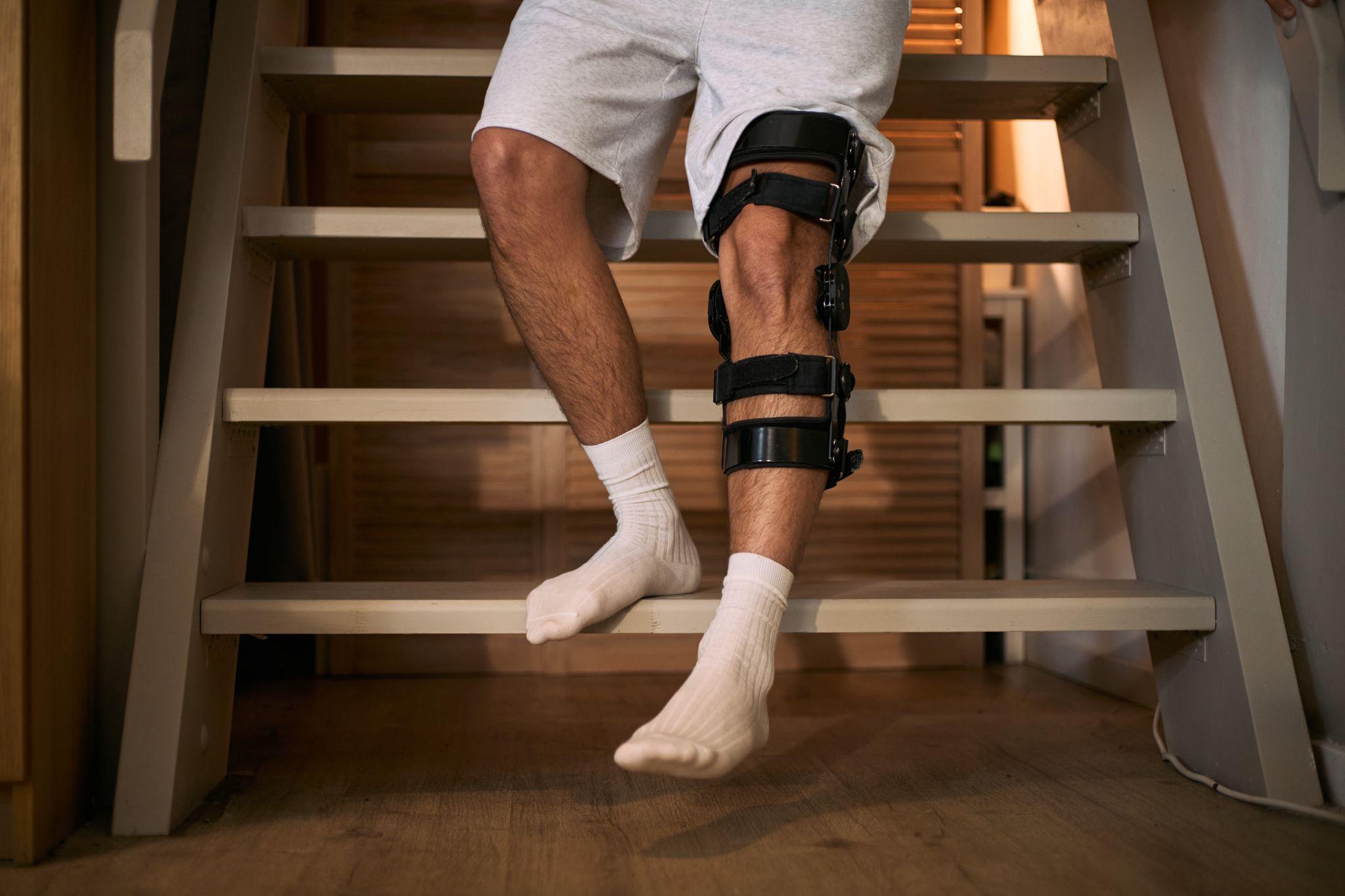
A properly fitted shoulder immobilizer can help protect an injured or repaired area from unwanted movement. The appropriate device, fit, and wearing schedule depend on your condition and treatment plan, so always follow the instructions provided by your healthcare team.
If you need help finding a shoulder immobilizerer or orthopedic brace in Har Harlingen, bring your healthcare provider’s recommendations to MacPherson’s Medical Supply. Our team can help you explore available support options and find a suitable size and design.
Visit MacPherson’s Medical Supply at 2325 S. 77 Sunshine Strip, Ste. B, Harlingen, Texas 78550. We are open Monday through Friday from 8:00 a.m. to 5:00 p.m. For questions, email admin@macmedsupply.com or call 956-412-9100.
How Is a Shoulder Immobilizer Different From a Sling?
A basic sling mainly supports the forearm. A shoulder immobilizer may add a torso strap, chest band, or positioning pillow to reduce shoulder movement and provide additional stability.
How Should a Shoulder Immobilizer Fit?
It should support the elbow, forearm, wrist, and hand without pulling the shoulder upward. The straps should limit unnecessary movement without causing excessive pressure, numbness, swelling, or difficulty breathing.
Always follow your healthcare provider’s instructions because the correct fit and arm position depend on the injury or procedure.
Can I Remove My Shoulder Immobilizer for Sleeping?
It depends on your healthcare provider’s directions. Some people must wear the immobilizer while sleeping to prevent unwanted shoulder movement.
Do not change your wearing schedule without guidance from your healthcare team.
Can I Remove the Immobilizer for Bathing?
Only remove it if your healthcare provider has given you permission. When removal is allowed, keep the injured arm supported and avoid movements that could strain the shoulder.
How Should I Clean a Shoulder Immobilizer?
Follow the manufacturer’s cleaning instructions for your specific model. Check whether the padding or fabric components can be removed, and allow every part to dry completely before wearing the device again.
Where Can I Find a Shoulder Immobilizer in Harlingen?
MacPherson’s Medical Supply provides orthopedic bracing, custom orthotics, and other durable medical equipment for customers in Harlingen and throughout the Rio Grande Valley. Our team can help you explore available equipment options based on the recommendations from your healthcare provider.