The right home health care products can make everyday routines safer, easier, and more comfortable. Mobility aids can provide better support around the home, bathroom equipment can reduce unnecessary risks, and respiratory products can help people follow prescribed treatment while maintaining more independence.
Choosing the right equipment, however, involves more than picking a product from a shelf. The person’s mobility, health needs, daily routine, home layout, and caregiver support all matter. This guide covers common home medical equipment, signs that additional support may be helpful, and practical factors to consider before choosing a product.
At MacPherson’s Medical Supply, we help families throughout the Rio Grande Valley find solutions for mobility, respiratory care, home safety, accessibility, and other everyday medical needs.
What Are Home Health Care Products?
Home health care products include equipment and supplies that support mobility, personal care, respiratory treatment, health monitoring, and everyday activities at home. Some are simple, such as canes, reachers, shower chairs, or dressing aids. Others, including hospital beds, power wheelchairs, patient lifts, and respiratory equipment, may require professional fitting or instruction.
These products may help older adults, people recovering from surgery or injury, individuals with disabilities, and those managing ongoing mobility or respiratory needs. Caregivers can also use certain equipment to make transfers, bathing, positioning, and other daily routines safer and more manageable.
MacPherson’s offers a variety of home medical supplies and equipment, including mobility devices, bathroom safety products, hospital beds, respiratory supplies, diabetic footwear, orthotics, bracing, and personal care aids.
When Should You Consider Home Health Equipment?

Home medical equipment may become necessary suddenly after an injury, surgery, hospital stay, or new diagnosis. In other cases, the need develops gradually as strength, balance, endurance, or mobility changes.
Warning signs can include repeated difficulty standing from a chair, holding onto furniture while walking, struggling to enter the shower safely, becoming exhausted during routine activities, or needing increasing assistance when moving between a bed and chair.
The goal is not to add as much equipment as possible. It is to identify the specific activity that has become difficult or unsafe. Starting with that problem makes it easier to decide whether a mobility aid, bathroom safety product, respiratory device, transfer aid, or home modification could help.
Common Types Of Home Health Care Products

Home medical equipment covers a wide range of needs, but most products fall into a few practical categories.
Mobility And Transfer Equipment
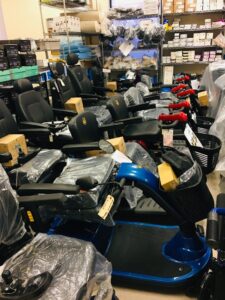
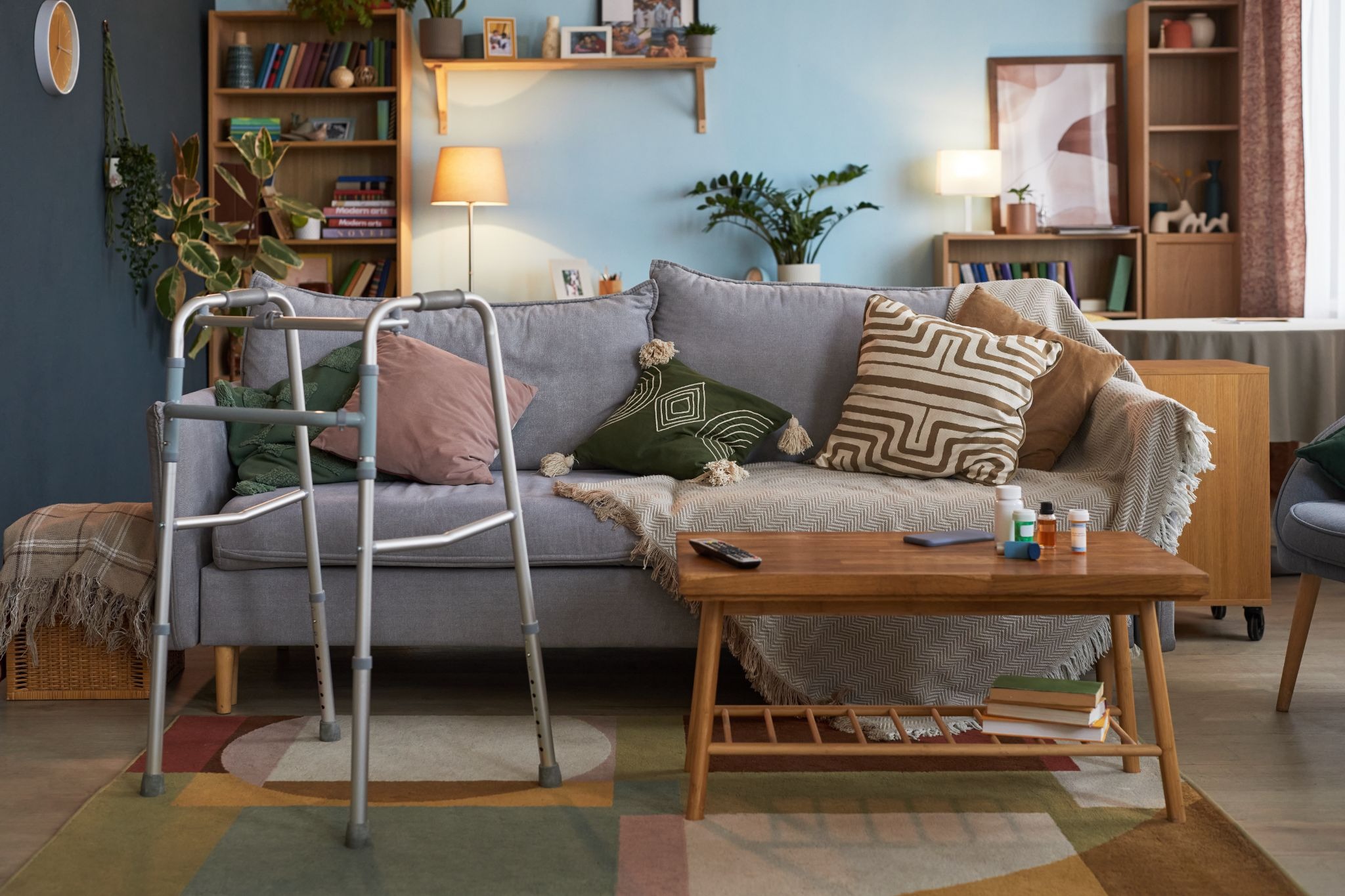
Canes and crutches may provide sufficient support for mild balance limitations or short-term recovery, while walkers and rollators offer additional stability. Manual wheelchairs, power wheelchairs, and scooters can support people with more significant mobility limitations.
Transfers may require additional assistance. Depending on the person’s needs, patient lifts, lift chairs, transfer aids, or hospital beds can make moving between surfaces more manageable for both the user and caregiver.
Proper fit matters. Height, seat width, weight capacity, posture, control placement, and the environment where the equipment will be used can all affect comfort and usability. MacPherson’s also provides complex rehabilitation services for more specialized power mobility and custom seating needs.
Respiratory And Monitoring Equipment
Respiratory products may include oxygen concentrators, portable oxygen systems, nebulization supplies, CPAP equipment, and related supplies. MacPherson’s has a respiratory therapist on staff to provide support for customers using respiratory equipment.
Home monitoring devices such as blood pressure monitors, thermometers, glucose meters, scales, and pulse oximeters may also help patients and caregivers follow health information between medical appointments.
These devices should support, rather than replace, professional medical care. Patients should follow instructions from their healthcare provider and should not change prescribed respiratory settings or treatment on their own.
Bathroom Safety And Daily Living Products
Bathrooms can be challenging because they combine water, hard surfaces, limited space, and frequent transfers. Shower chairs, tub benches, raised toilet seats, grab bars, bedside commodes, and similar products can make everyday routines easier to manage.
The CDC recommends addressing trip hazards, improving lighting, and installing grab bars next to toilets and inside and outside tubs or showers as part of reducing fall risks at home. Review the CDC’s fall-prevention recommendations.
Smaller daily living aids can be helpful too. Reachers, long-handled bathing tools, dressing aids, overbed tables, and adaptive utensils can reduce unnecessary bending, reaching, and gripping.
Look Beyond The Product And Consider The Home

A product can fit the person perfectly and still be difficult to use if it does not fit the home.
Before choosing mobility or safety equipment, look at doorway widths, flooring, room layout, bathroom dimensions, steps, turning space, and the amount of assistance available. Consider where larger equipment will be stored, whether it needs electrical access, and whether it must fit into a vehicle.
For example, a wheelchair may meet the user’s physical needs but have difficulty passing through a narrow bathroom doorway. A walker may become awkward in a crowded room. Solving these environmental problems can sometimes be just as important as choosing the equipment itself.
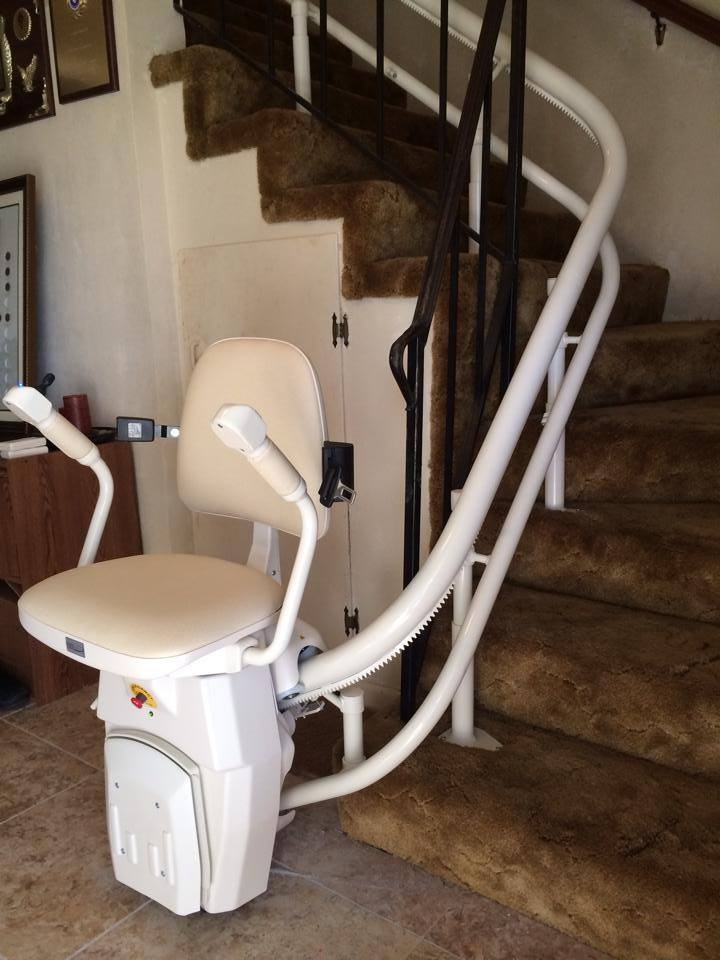
When larger changes are needed, MacPherson’s provides home and vehicle accessibility solutions to help address barriers around the home and during transportation.
How To Choose The Right Home Health Care Products
Start with the activity that is becoming difficult rather than starting with a product name. This helps narrow the options and reduces the chance of buying equipment that does not solve the actual problem.
Before choosing equipment, consider:
-
The specific task. Identify what the person cannot do safely or comfortably.
-
The user’s measurements. Height, weight, mobility level, positioning, and weight capacity may affect product selection.
-
The available space. Measure doorways, bathrooms, bedrooms, hallways, and other areas where the equipment will be used.
-
Ease of adjustment. Equipment should fit properly and allow reasonable changes when needed.
-
Training requirements. Users and caregivers should understand safe operation, cleaning, charging, storage, and basic maintenance.
-
Repairs and replacement supplies. Check whether batteries, parts, accessories, and repair services are readily available.
-
Insurance requirements. Confirm prescriptions, documentation, supplier requirements, and potential out-of-pocket costs before ordering.
For complex mobility, positioning, transfer, or respiratory needs, input from a physician, physical therapist, occupational therapist, respiratory therapist, or qualified medical equipment professional can help identify factors that are easy to overlook.
What About Medicare And Durable Medical Equipment?
Some home health products are classified as durable medical equipment, commonly called DME. Medicare defines DME using criteria that include repeated use, a medical purpose, use in the home, and an expected useful life of at least three years.
Medicare Part B may cover medically necessary DME when a doctor or other healthcare provider orders it for use in the home. Examples of covered equipment can include canes, commode chairs, hospital beds, oxygen equipment, walkers, wheelchairs, scooters, and CPAP equipment.
Coverage rules and costs vary by product and individual circumstances, so patients should confirm eligibility and supplier requirements before ordering. Learn more about Medicare’s durable medical equipment coverage.
Why Local Medical Supply Support Matters
Ordering a simple daily living aid online may be straightforward, but more specialized equipment can benefit from local guidance.
Mobility systems may need fitting or adjustment. Respiratory users may need help understanding equipment and replacement supplies. Other products eventually need new batteries, parts, or repairs. Having a local provider can make those needs easier to address.
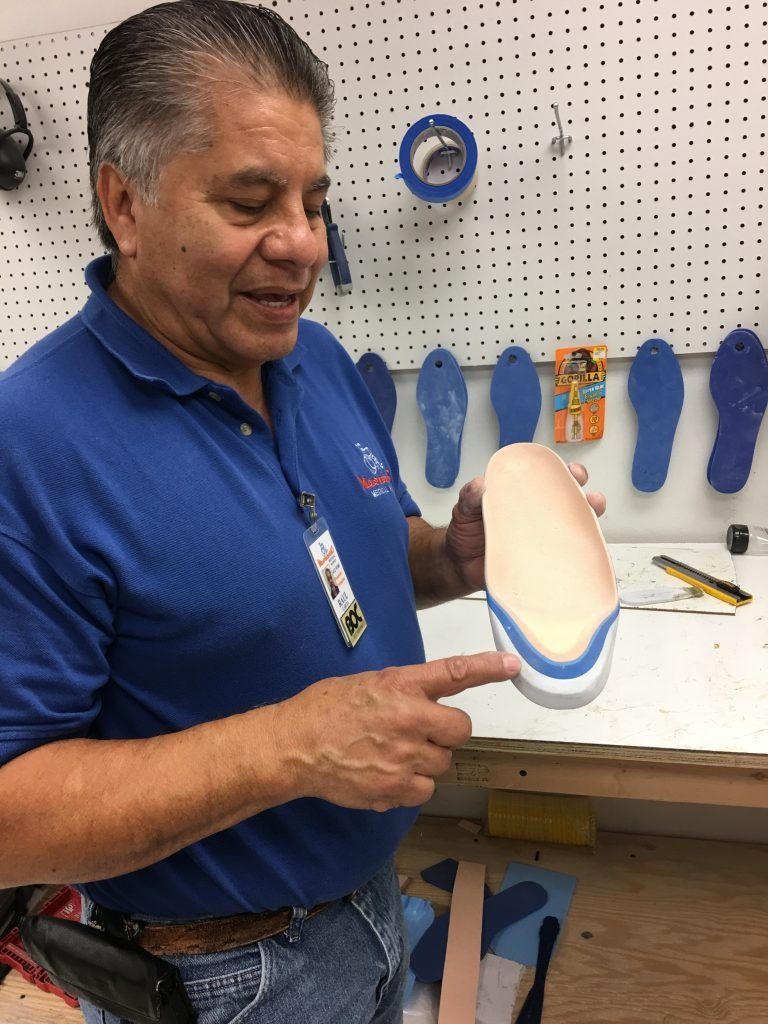
MacPherson’s Medical Supply provides medical supplies along with complex rehabilitation, respiratory services, custom orthotics and bracing, accessibility solutions, and equipment repair services. This combination can be especially useful when needs change over time instead of ending with the initial purchase.
For families across Harlingen, the Rio Grande Valley, and South Texas, local support also means having somewhere to ask questions, compare options, and get help when equipment needs attention.
Conclusion
Safer, more independent living does not mean filling every room with medical equipment. It starts by identifying the activities that have become difficult and choosing home health care products that fit the person, the home, and the daily routine.
MacPherson’s Medical Supply has served the community’s medical needs for 80 years, providing mobility equipment, respiratory products, home accessibility solutions, medical supplies, and specialized support. Visit the MacPherson’s Medical Supply store to explore available products, or contact the team for help finding equipment suited to your needs.
MacPherson’s Medical Supply is located at 2325 S 77 Sunshine Strip, Ste. B, Harlingen, Texas 78550. Store hours are Monday through Friday from 8:00 AM to 5:00 PM. Call 956-412-9100 for assistance.
What Are Home Health Care Products?
Home health care products include equipment and supplies designed to support mobility, personal care, respiratory treatment, health monitoring, and daily activities at home. Examples range from walkers and shower chairs to hospital beds, wheelchairs, and respiratory equipment.
How Do I Know Which Home Health Care Products I Need?
Begin with the activity that has become difficult or unsafe. Consider the person’s mobility, measurements, medical recommendations, home layout, caregiver assistance, and how the equipment will be maintained. Specialized equipment may also require professional assessment or fitting.
Does Medicare Cover Home Health Care Products?
Medicare Part B may cover certain medically necessary durable medical equipment ordered for use in the home when eligibility and coverage requirements are met. Coverage, costs, documentation, and supplier requirements depend on the equipment and individual circumstances.
What Types Of Mobility Aids Can Be Used At Home?
Common mobility products include canes, crutches, walkers, rollators, manual wheelchairs, power wheelchairs, scooters, and lift chairs. The appropriate option depends on balance, strength, mobility level, environment, and caregiver support.
What Respiratory Equipment Does MacPherson’s Medical Supply Offer?
MacPherson’s provides respiratory supplies and equipment, including products for oxygen and respiratory therapy. A respiratory therapist is also on staff to help customers with respiratory equipment needs.
Can Home Modifications Help If Medical Equipment Is Not Enough?
Yes. Barriers such as steps, narrow doorways, inaccessible bathrooms, and difficult entrances may require modifications in addition to medical equipment. Accessibility solutions can include ramps, bathroom modifications, lifts, doorway changes, and other improvements based on the home and user’s needs.