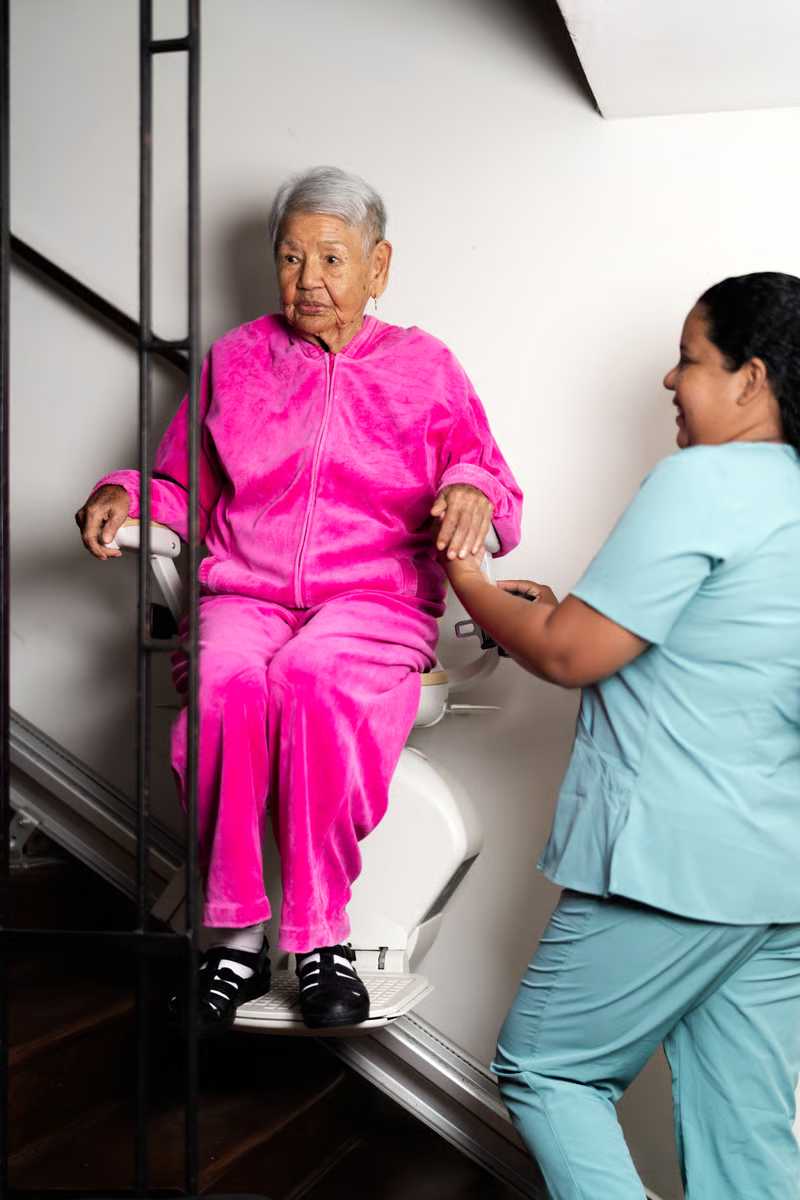
A patient lift can make transfers between a bed, wheelchair, commode, or other supported surface safer and more controlled for both the person receiving care and the caregiver. For families managing limited mobility at home, the right lift can reduce the amount of manual lifting required and make everyday transfers easier.
At MacPherson’s Medical Supply, we help families throughout the Rio Grande Valley understand their equipment options and find solutions that fit their daily routines and home environments. As a family-owned medical supply company serving the community for more than 80 years, we provide local guidance, equipment support, and service after the purchase.
If you are considering a patient lift for yourself or someone you care for, here is what to know before choosing one.
What Is a Patient Lift and Who Can Benefit From One?
A patient lift helps move a person between surfaces such as a bed, wheelchair, commode, or chair while reducing the need for manual lifting.
The FDA explains that patient lifts may be manual or powered and are designed to support safer transfers.
They may be helpful for people who have difficulty standing, balancing, or bearing weight. Patient lifts can also reduce physical strain on caregivers. OSHA notes that repeated manual lifting can increase the risk of caregiver injuries.
The right lift still depends on the person’s size, mobility, home setup, and level of caregiver support.
Understanding the Main Types of Patient Lifts

There is no single type of patient lift that works for every person or every home. Some provide full-body support, while others are intended for people who can participate more actively in the transfer.
Room size, floor clearance, transfer needs, transportation requirements, and caregiver availability can all influence the decision.
Full-Body Patient Lifts
Full-body lifts, sometimes called Hoyer-style lifts, use a sling to support most or all of the person’s body during a transfer.
Manual models generally use a hydraulic mechanism, while powered models typically rely on a rechargeable battery. These lifts may be appropriate for people who cannot safely bear weight or require significant support during transfers.
Sit-to-Stand Lifts
Sit-to-stand lifts are intended for people who can participate more actively in the transfer.
The user generally needs some upper-body control and the ability to bear at least a limited amount of weight. These lifts may assist with moving from a seated position to a wheelchair, commode, or another supported surface.
Ceiling Lifts
Ceiling lifts travel along a track installed overhead. Because they do not require a large floor base to move around furniture, they may be useful in rooms where floor space is limited.
The ceiling structure, track placement, installation requirements, and intended transfer path should be professionally evaluated before installation.
Portable Patient Lifts
Portable lifts can be helpful for families who need equipment that can be stored, moved, or transported.
However, “portable” does not necessarily mean lightweight or easy for one person to carry. Before selecting a model for travel, check its folded dimensions, component weights, setup requirements, and available vehicle space.
Which Type of Patient Lift May Fit Different Transfer Needs?
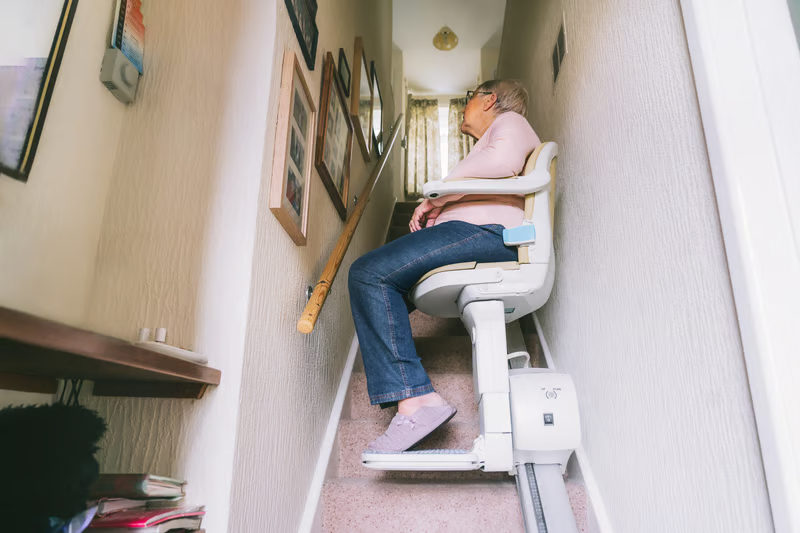
Start with the person’s transfer needs. Consider their weight and height, ability to bear weight, body control, and how much they can help during the transfer. Make sure the lift has the right weight capacity and lifting range.
Also check the space where the lift will be used. Measure doorways, furniture clearance, and the space under the bed. Some floor lifts need extra room for the base legs to open.
The sling also needs to fit the person and the lift. Options include full-body, toileting, bathing, and head-support slings. Always follow the manufacturer’s compatibility guidelines.
Need help comparing options? Explore MacPherson’s durable medical equipment and services, including wheelchairs, beds, accessibility solutions, complex rehabilitation equipment, and equipment repair.
How to Use a Patient Lift Safely
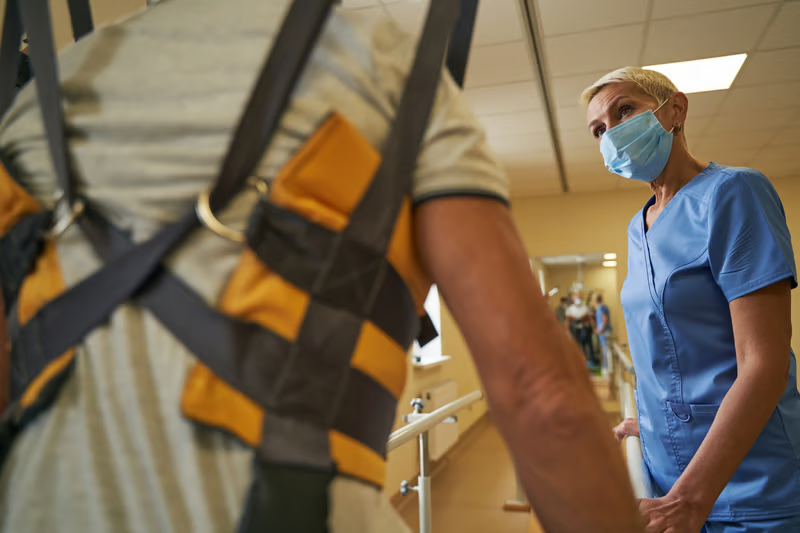
A caregiver should receive proper instruction before performing an independent transfer. Practice with a qualified healthcare or equipment professional whenever possible, and follow the instructions provided by the lift and sling manufacturers. If the person’s care plan requires two caregivers for transfers, do not attempt the transfer alone.
Before each use:
- Inspect the lift, sling, straps, loops, and clips for visible damage or wear.
- Confirm that the lift’s weight capacity is appropriate for the user and that the sling is compatible.
- Check the battery and controls on powered equipment.
- Remove rugs, cords, footrests, and other obstacles from the transfer path.
- Tell the person what you’re doing and make sure their hands and feet are safely positioned.
Place the sling as directed, making sure it is smooth, centered, and securely attached. Lift the person only high enough to clear the bed, wheelchair, or other surface.
Move slowly and avoid sudden pulling or turning. For floor lifts, follow the manufacturer’s instructions for the base legs and brakes, since these can vary by model.
Lower the person gradually and make sure they are stable before removing the sling. Stop if they feel pain, start slipping, or do not appear properly supported. Never leave someone unattended while suspended in a patient lift.
Cleaning, Inspection, and Maintenance Essentials
Patient lifts and slings need regular cleaning and inspection, especially with daily use. Clean the lift according to the manufacturer’s instructions, avoid soaking electrical parts, and wash reusable slings based on their care labels.
Before each transfer, check for frayed fabric, damaged clips, loose hardware, leaks, wheel problems, unusual noises, or battery issues. If something looks or sounds wrong, stop using the lift until it can be checked.
Professional maintenance can help catch problems that may not be easy to see. MacPherson’s technicians repair patient lifts, walkers, scooters, and manual and power wheelchairs, and may also help troubleshoot equipment issues by phone.
Families can also visit MacPherson’s for equipment questions, repairs, oxygen services, CPAP supplies, orthotics, bracing, and respiratory care.
Conclusion
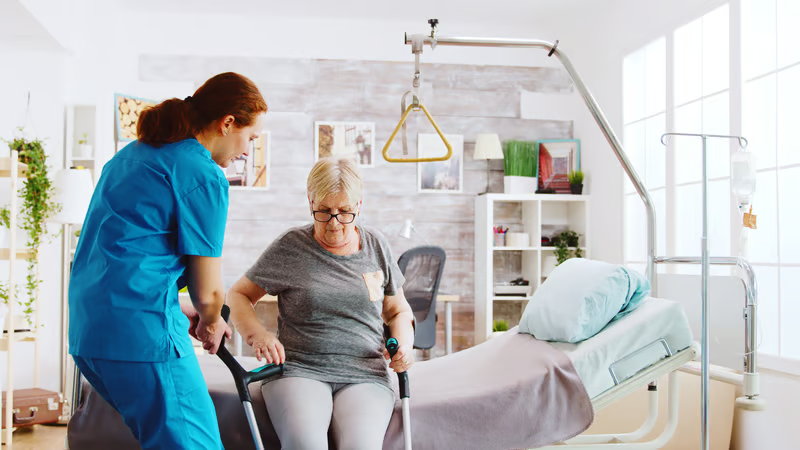
The right patient lift can make everyday transfers safer and more comfortable for the person receiving care while reducing the physical demands placed on caregivers. The best choice depends on more than the lift itself. Proper sizing, sling selection, room layout, caregiver training, and routine equipment maintenance all matter.
If you’re unsure which lift is right for your home, you don’t have to make that decision based on product specifications alone. Contact MacPherson’s Medical Supply to discuss your needs, compare equipment options, and get local support from a team that has served the Rio Grande Valley for generations.
Visit MacPherson’s Medical Supply at 2325 S 77 Sunshine Strip, Ste. B, Harlingen, Texas 78550. We’re open Monday through Friday from 8:00 AM to 5:00 PM. For questions, email us at admin@macmedsupply.com or call 956-412-9100.
What is a patient lift and who should consider using one?
A patient lift is medical equipment that helps move a person between supported surfaces, such as a bed and wheelchair, while reducing the need for manual lifting. It may be useful for people who have limited strength, balance, mobility, or weight-bearing ability and for caregivers who need assistance performing transfers.
What are the main types of patient lifts?
Common options include full-body lifts, sit-to-stand lifts, ceiling lifts, and portable lifts. Full-body models provide extensive physical support, while sit-to-stand models require the person to participate more actively in the transfer. Ceiling and portable models may address specific space or transportation needs.
How do I choose the right patient lift and sling?
Consider the user’s weight, height, mobility, ability to bear weight, head and trunk control, and typical transfer needs. Measure the space where the lift will be used and confirm that the sling is the correct size, support type, and attachment style for the specific lift.
A healthcare professional or qualified durable medical equipment specialist can help evaluate appropriate options.
What safety precautions should I follow when using a patient lift?
Inspect the lift and sling before every transfer, confirm the equipment’s weight capacity, remove obstacles, and secure all sling attachment points.
Follow the manufacturer’s instructions, move the person slowly, and stop the transfer if they experience pain, begin slipping, or appear improperly positioned. Never leave a person unattended while suspended in the lift.
How should I clean and maintain a patient lift?
Follow the manufacturer’s cleaning instructions for the lift and the sling’s care label. Avoid soaking electrical components or using cleaning methods that could damage the equipment.
Regularly check for worn sling material, damaged hardware, wheel problems, leaks, unusual sounds, and battery issues. Equipment with suspected damage should be taken out of service until it has been inspected.
Can a patient lift be used in a small living space or for travel?
Yes, but the appropriate option depends on the available space and transfer requirements.
Ceiling lifts can reduce the amount of floor space needed, while some portable lifts can be folded or disassembled for transportation. Before purchasing a travel lift, check its folded dimensions, component weights, setup requirements, and whether it will safely fit in the intended vehicle.