A battery powered mobility aid can make everyday movement safer, easier, and less exhausting. For someone who struggles to walk through a store, attend appointments, or move comfortably around the home, powered mobility can offer greater independence and reduce physical strain.
Choosing the right device, however, involves more than comparing price, speed, or battery range. Comfort, steering, turning space, seating support, transportation, and maintenance all play a role in how useful a device will be day to day.
MacPherson’s Medical Supply has served the Rio Grande Valley for 80 years, helping individuals, families, and caregivers find medical equipment that fits real daily needs. From power mobility devices and complex rehabilitation to accessibility solutions and equipment repair, our team helps customers choose equipment that works with their body, home, vehicle, and routine.
What Is a Battery Powered Mobility Aid?
A battery powered mobility aid is an electric device designed to help someone move without relying entirely on walking or manually propelling a wheelchair. Mobility scooters and power wheelchairs are two of the most common options.
Both use rechargeable batteries, but they differ in steering, seating, maneuverability, and physical support. Some are best for community outings, while others are better suited for indoor use or more complex mobility needs.
Powered mobility may help people with limited endurance, balance concerns, arthritis, injury, age-related mobility changes, or other conditions that make walking difficult. Not everyone needs a powered device, though. Some people may be well supported by a cane, walker, rollator, or manual wheelchair.
Mobility Scooters vs. Power Wheelchairs: Understanding Your Options
Battery-powered mobility equipment ranges from compact travel scooters to more supportive power wheelchair systems. Understanding the basic differences can make it easier to narrow your options before comparing individual models.
Mobility Scooters for Everyday Travel
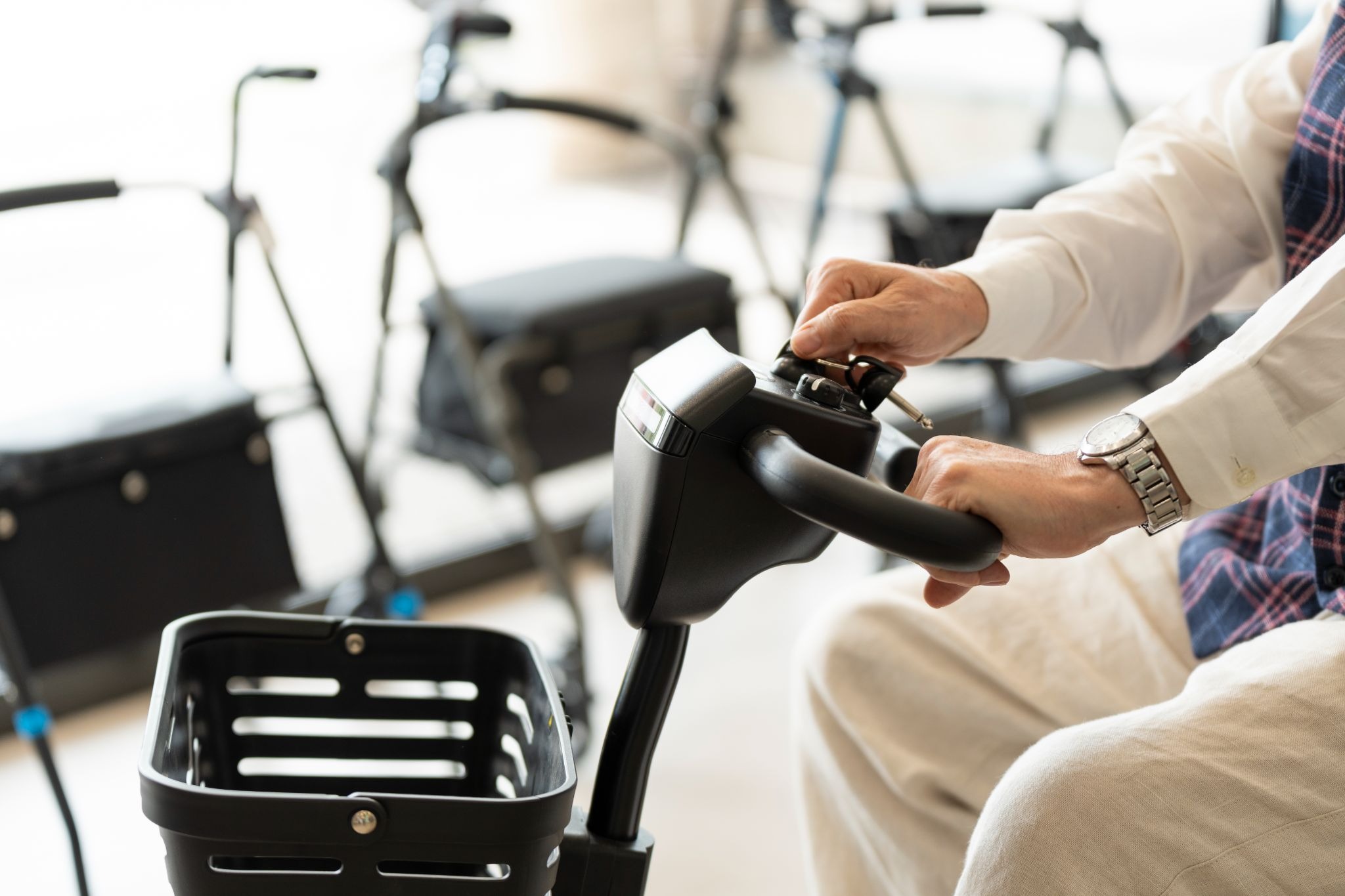
Mobility scooters usually have handlebars, also called a tiller, and a seat positioned over a three- or four-wheel base. Three-wheel models often have a tighter turning radius, while four-wheel scooters typically provide more stability on uneven surfaces.
Scooters may work well for people who can sit upright, transfer safely, and comfortably operate the steering controls. They are commonly used for shopping, appointments, community outings, and other trips where walking longer distances may be difficult.
Portable models may fold or disassemble for vehicle transport. Larger or heavy-duty scooters may provide wider seating, greater range, and better performance on outdoor surfaces. Families considering this option for an aging loved one can also read our guide on electric scooters for elderly mobility.
Before choosing one, measure the areas where you plan to use it. Narrow hallways, bedroom furniture, and smaller bathroom entrances can make even a compact scooter difficult to maneuver indoors.
Power Wheelchairs for Greater Support
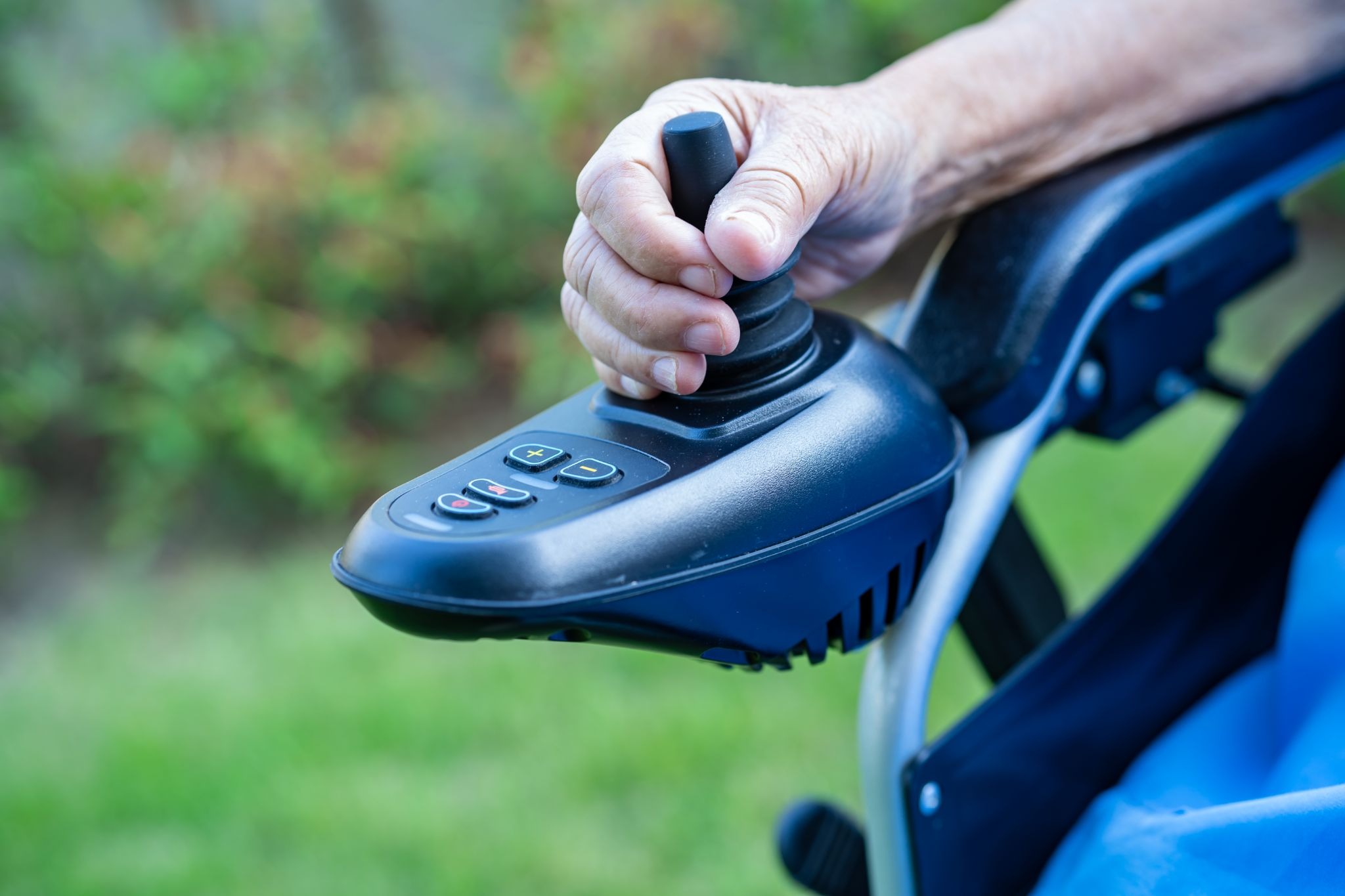
Power wheelchairs typically use a joystick or another electronic control rather than tiller steering. Many models also have a smaller turning footprint than scooters, making them easier to maneuver through tighter indoor spaces.
Depending on the model, power wheelchairs may offer more specialized seating and positioning. Features can include pressure-relieving cushions, headrests, lateral supports, elevating leg rests, tilt, recline, or alternative controls.
People with more complex mobility or positioning needs may require individually configured equipment rather than a standard mobility device. MacPherson’s Medical Supply provides complex rehabilitation solutions, including adult and pediatric power mobility equipment, custom seating, and support from an on-site Assistive Technology Professional.
How to Choose the Right Mobility Aid
Start with where and how you plan to use the equipment. Think about your home, regular outings, transportation, and how much physical support you need throughout the day. Measure doorways, hallways, ramps, and other tight spaces so you know whether the device can move comfortably through your environment.
Comfort is just as important as weight capacity. Seat width, depth, back support, armrest position, foot placement, and access to the controls can affect how secure and comfortable the device feels during regular use.
You should also consider battery range, outdoor terrain, transfer ability, vehicle transport, repair availability, and insurance requirements. In the Rio Grande Valley, heat, uneven pavement, and frequent vehicle travel can also influence which mobility device is most practical.
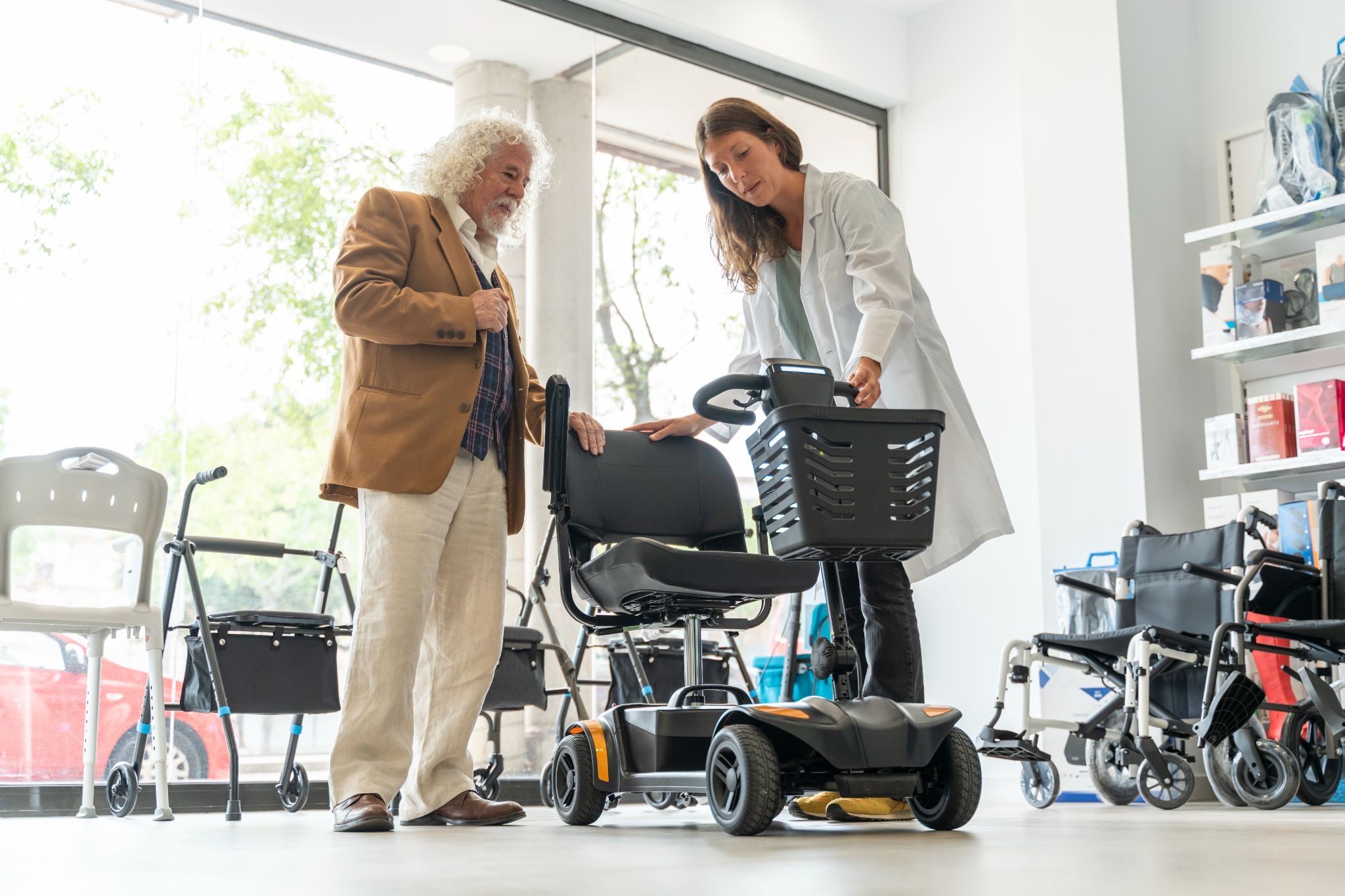
Whenever possible, try the device before making a final decision. A test drive can reveal steering, seating, transfer, and maneuverability issues that may not be obvious from product photos or specifications.
Does Medicare Cover Power Wheelchairs and Mobility Scooters?
Medicare Part B may cover certain power wheelchairs and scooters as durable medical equipment when specific medical-necessity requirements are met.
Coverage generally depends on whether a mobility limitation affects activities inside the home, whether less supportive equipment such as a cane or walker is insufficient, and whether the individual can safely use the prescribed device. A written order and supporting medical documentation may also be required.
Some power wheelchairs require prior authorization before Medicare will pay for them. A prescription alone does not guarantee coverage, so it is important to confirm eligibility, supplier requirements, and possible out-of-pocket costs before ordering.
Battery Care and Everyday Safety
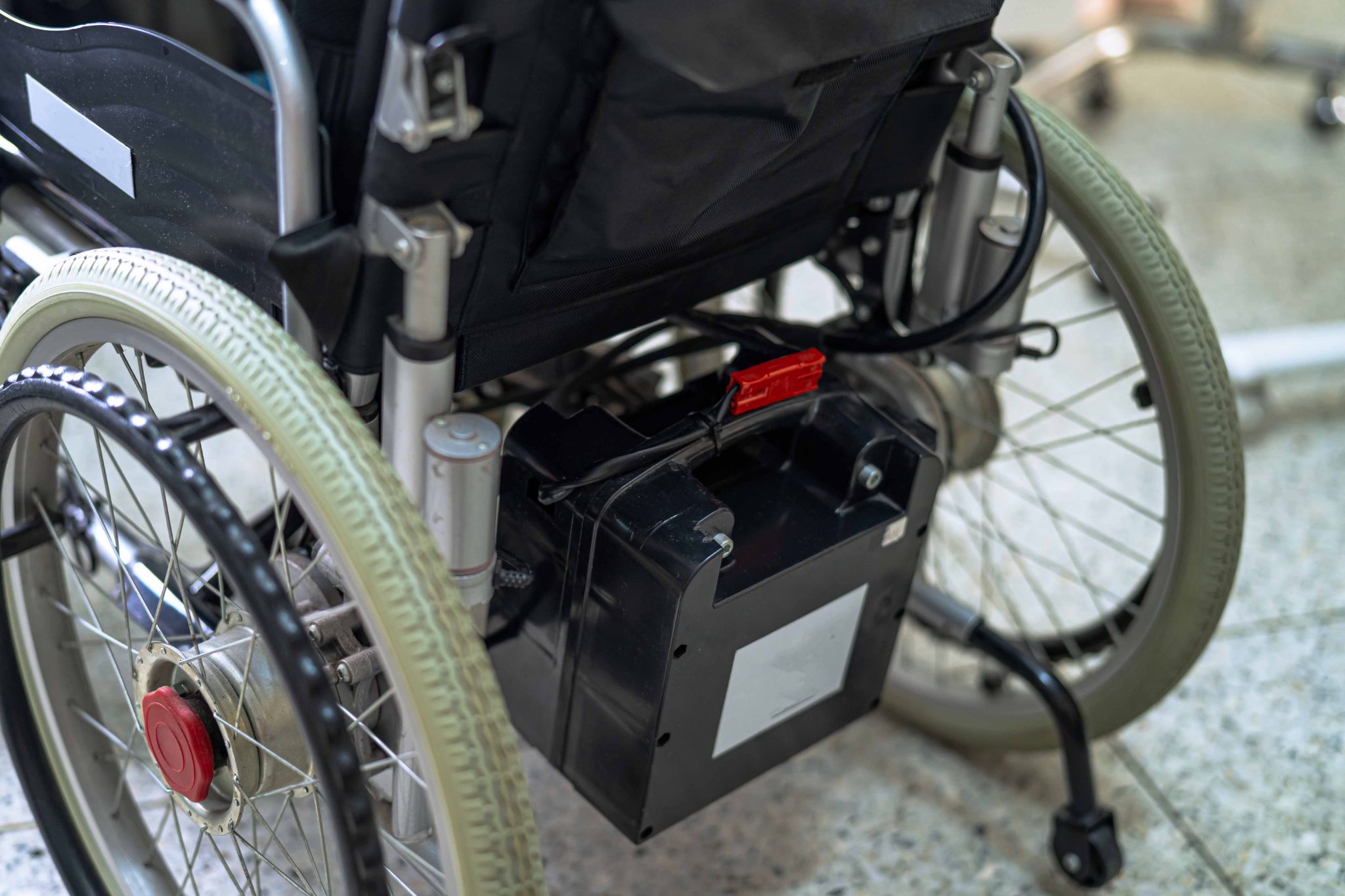
Proper charging habits can help keep a mobility device reliable. Always follow the manufacturer’s instructions and use the charger designed for your specific scooter or power wheelchair.
Charge the battery in a dry, ventilated location and avoid using damaged cords or chargers. If the device will be stored for an extended period, check the manufacturer’s instructions for how often the battery should be charged and whether it should remain connected.
Battery range can vary depending on age, terrain, temperature, user weight, and charging habits. A noticeable decline in range may be a sign that the battery needs testing or replacement.
South Texas heat deserves extra attention as well. Avoid leaving mobility equipment or removable batteries exposed to excessive heat for long periods, especially inside a parked vehicle. Follow the manufacturer’s storage recommendations whenever possible.
Safe Use at Home and Outdoors
Before using your mobility device, check the battery indicator, tires, brakes, seat, and controls. Small problems are much easier to deal with before leaving home than halfway through a trip.
Slow down before turning, approach ramps carefully, and avoid slopes beyond the manufacturer’s recommendations. Loose clothing, bags, oxygen tubing, and other items should also be kept away from wheels and moving parts.
Indoor safety matters too. Keep pathways clear and watch for rugs, cords, furniture, or narrow entrances that may create hazards. Home modifications such as ramps or wider access points may improve safety and convenience for some users.
Transporting a Mobility Aid by Vehicle
Vehicle transport should be considered before buying a scooter or power wheelchair, especially if you regularly travel to appointments, stores, or family activities.
Check the total weight and dimensions of the device before choosing a lift or carrier. Portable scooters may separate into smaller pieces, but those components can still be heavy and difficult to lift.
Larger power wheelchairs may require a vehicle lift, carrier, or accessible vehicle. Securement equipment should be compatible with the device and used according to the manufacturer’s instructions.
MacPherson’s Medical Supply also offers home and vehicle accessibility solutions, including wheelchair lifts and carriers that can make transporting mobility equipment easier.
Traveling by Air With a Power Wheelchair or Scooter
Air travel with a battery-powered mobility device requires some preparation. Contact the airline before your trip and provide information about the device, including its weight, dimensions, battery type, and any special handling needs.
The U.S. Department of Transportation recommends sharing detailed wheelchair information with the airline when possible. Battery handling can vary depending on whether a device uses a lithium-ion, spillable, or non-spillable battery, so confirming requirements before travel can help prevent delays.
It can also help to label important controls, bring operating or disassembly instructions, and photograph the mobility device before checking it. These small steps can make handling easier and give you a record of the device’s condition before travel.
Repairs and Maintenance Matter
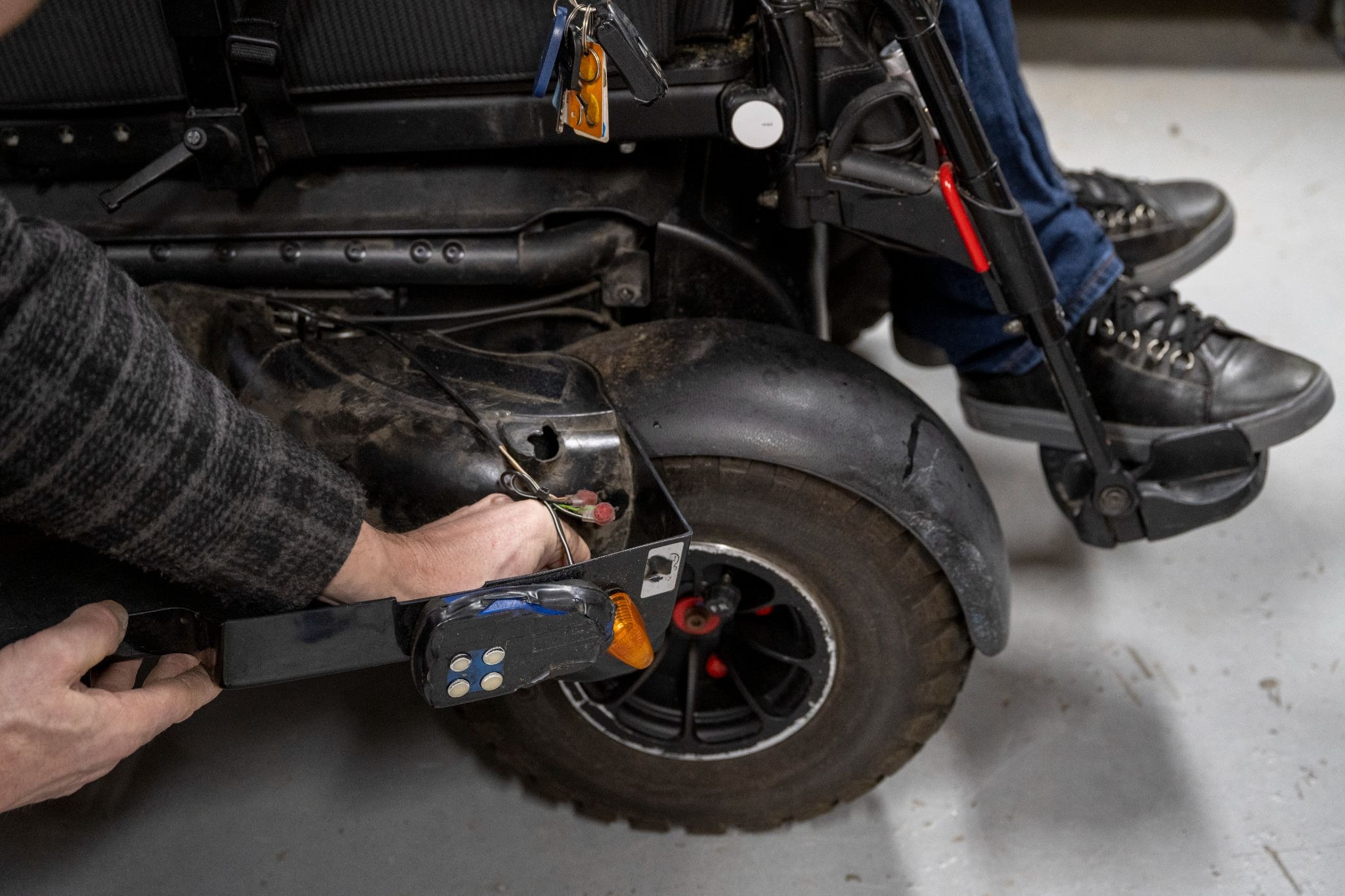
Powered mobility equipment contains mechanical, electrical, and battery components that require occasional maintenance. Tires wear down, batteries weaken, controls can develop problems, and seating components may eventually need adjustment.
MacPherson’s technicians provide equipment repair for power wheelchairs, scooters, manual wheelchairs, patient lifts, and other durable medical equipment. Services may include battery replacement, programming, parts replacement, modifications, and general maintenance.
Regular maintenance can help catch smaller issues before they turn into larger repairs and can help keep an everyday mobility device dependable.
Choosing Mobility Equipment With Confidence
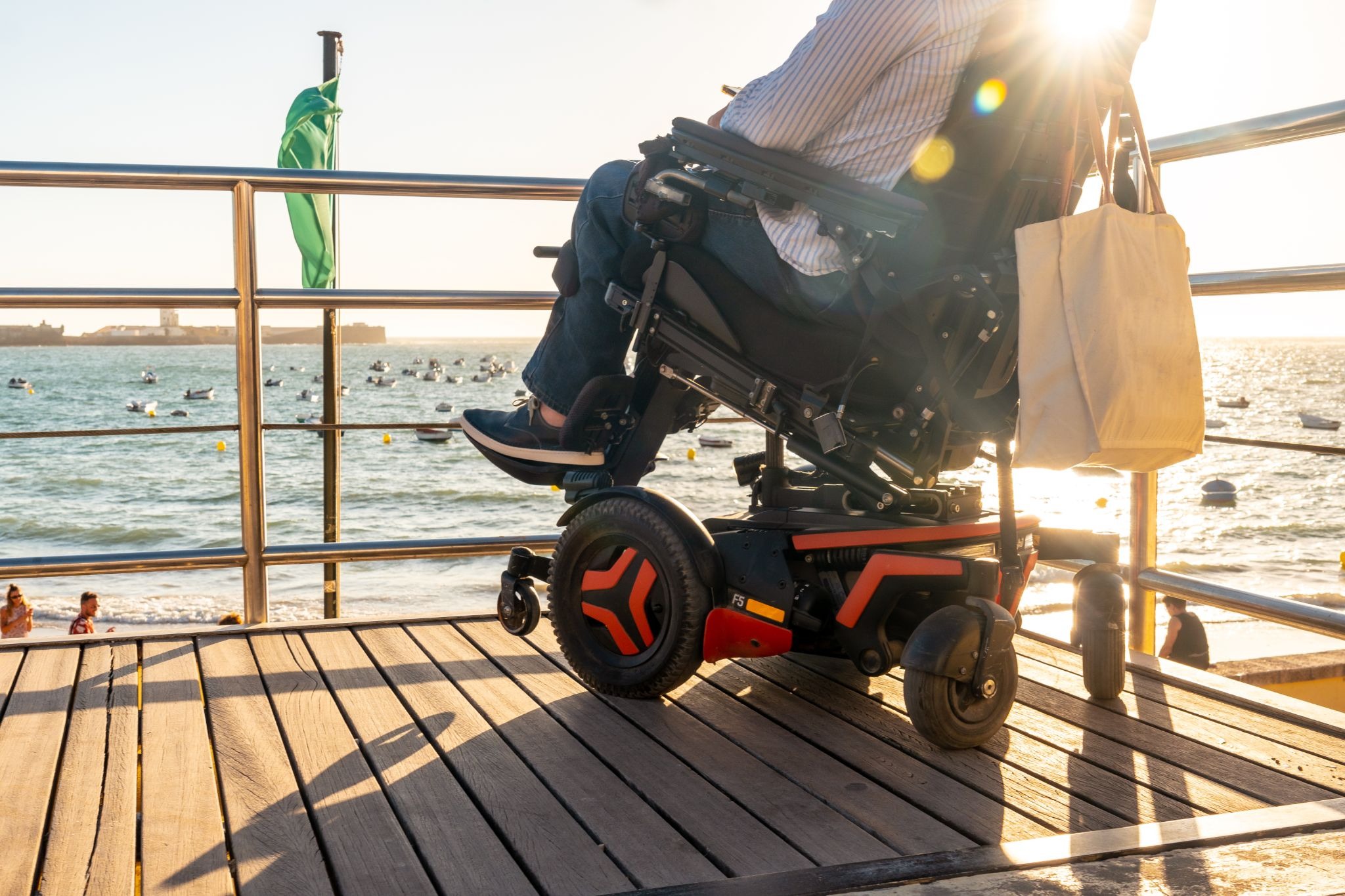
The right battery powered mobility aid should fit your body, your home, your routine, and the way you travel. A compact scooter may be ideal for one person, while someone else may need a power wheelchair with more supportive seating or individualized controls.
Taking time to compare maneuverability, comfort, battery needs, transportation, maintenance, and coverage requirements can help you choose equipment that works well beyond the first test drive.
MacPherson’s Medical Supply provides mobility equipment in Harlingen and throughout the Rio Grande Valley, along with complex rehabilitation, accessibility solutions, and equipment repair. Explore our medical equipment and support services or visit our Harlingen location for help finding mobility equipment that fits your everyday needs.
MacPherson’s Medical Supply is located at 2325 S 77 Sunshine Strip, Ste. B, Harlingen, Texas 78550. We are open Monday through Friday from 8:00 AM to 5:00 PM. Call 956-412-9100 or email admin@macmedsupply.com for assistance.
What Is a Battery Powered Mobility Aid?
A battery powered mobility aid is an electric device, such as a scooter or power wheelchair, designed to help people who have difficulty walking or moving comfortably through everyday environments.
What Is the Difference Between a Mobility Scooter and a Power Wheelchair?
Mobility scooters typically use tiller steering and work well for community travel. Power wheelchairs usually use joystick controls, offer tighter maneuverability, and may provide more advanced seating and positioning support.
What Should I Consider Before Choosing a Powered Mobility Device?
Consider where you will use it, indoor turning space, outdoor terrain, seating comfort, battery range, transfer ability, vehicle transport, equipment weight, repair availability, and insurance requirements.
Does Medicare Cover Battery-Powered Mobility Equipment?
Medicare Part B may cover qualifying power wheelchairs and scooters when medical-necessity and documentation requirements are met. Some power wheelchairs may also require prior authorization.
How Long Does a Mobility Device Battery Last?
Battery life varies by battery type, age, terrain, temperature, user weight, and charging habits. If a scooter or power wheelchair begins losing range noticeably, the battery may need testing or replacement.
Can I Take a Power Wheelchair or Scooter on an Airplane?
In many cases, yes. Contact the airline ahead of time and provide details about the device, its dimensions, weight, and battery type because handling requirements may vary.
Where Can I Get a Scooter or Power Wheelchair Repaired in the Rio Grande Valley?
MacPherson’s Medical Supply in Harlingen provides repair and maintenance services for power wheelchairs, scooters, manual wheelchairs, patient lifts, and other durable medical equipment.