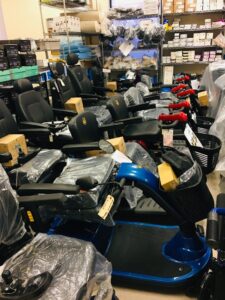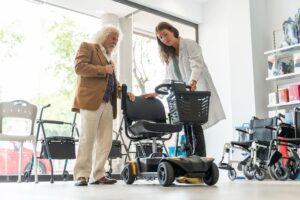
Figuring out how to get a mobility scooter with insurance in Texas can feel more difficult than it should. Coverage rules vary, paperwork matters, and choosing the wrong supplier may leave you with an unexpected bill.
MacPherson’s Medical Supply helps families navigate these decisions with personal, local support. Family-owned and trusted for over 80 years, we serve the Rio Grande Valley with durable medical equipment, mobility repairs, respiratory care, and dependable guidance. Here’s how the insurance process works in 2026 and what you can do to avoid common delays.
When Insurance Will Cover a Mobility Scooter in Texas
Insurance may cover a mobility scooter, sometimes called a power-operated vehicle or POV, when it’s medically necessary rather than simply convenient. Under Original Medicare, your condition must limit your ability to handle daily activities inside your home, such as reaching the bathroom, preparing food, or moving between rooms.
Coverage depends on whether a cane, walker, or manual wheelchair can safely meet your needs. Your medical record should explain why these less costly options won’t work and why you can operate a scooter safely.
The scooter must also fit your home. Insurers may consider doorway widths, floor surfaces, turning space, and access between essential rooms. A scooter requested only for shopping, community outings, or outdoor travel won’t qualify under Medicare’s home-use rules.
Coverage doesn’t mean every scooter model will be approved. Insurers generally cover equipment that meets your documented medical needs, while optional upgrades or more expensive models may require out-of-pocket payment.
Eligibility Requirements You Must Meet
Medicare Part B Coverage and Medical Necessity Rules
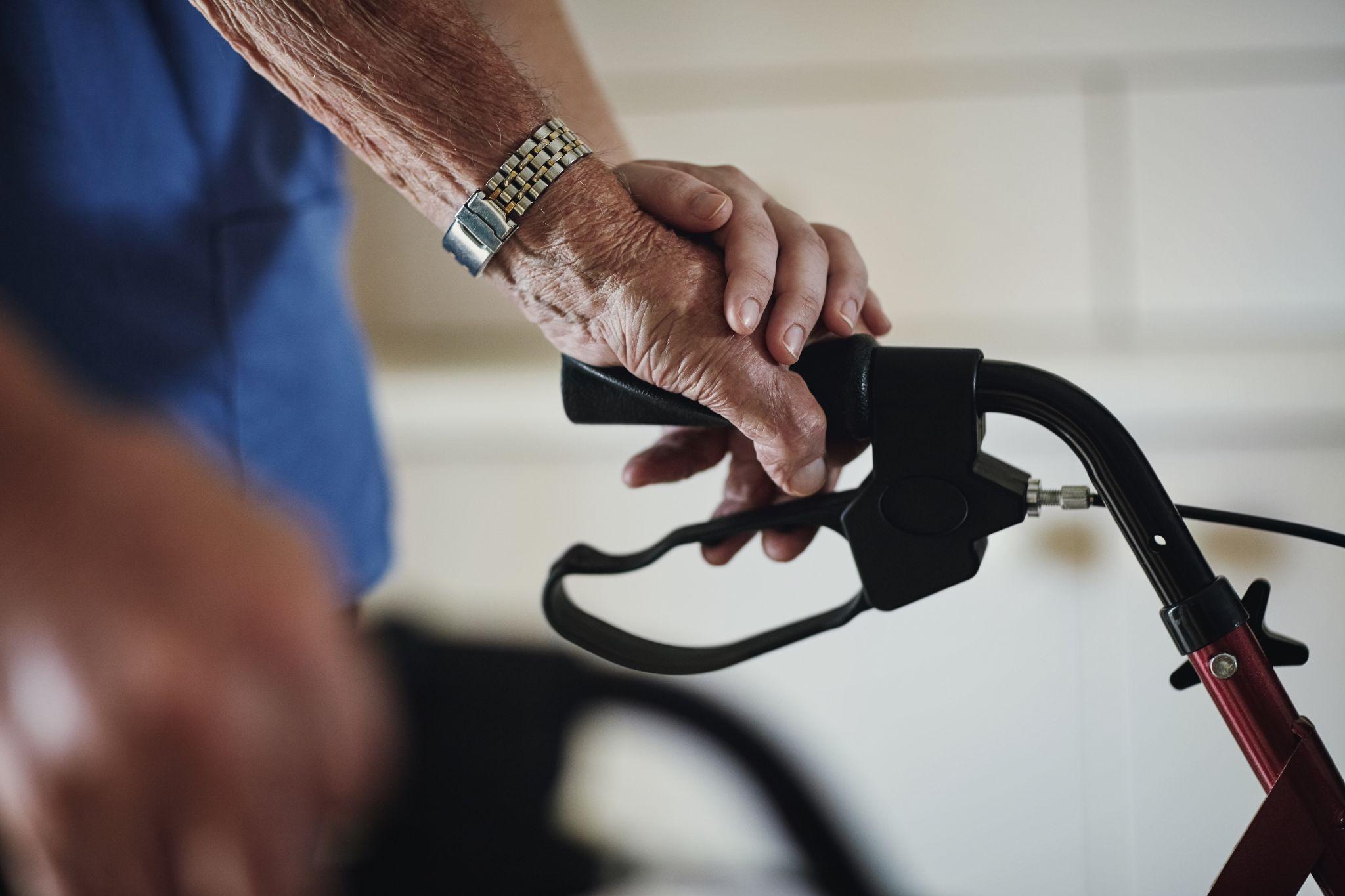
Medicare Part B classifies mobility scooters as durable medical equipment, or DME. To qualify, you need a face-to-face mobility evaluation and a written order from a Medicare-enrolled treating practitioner explaining how your condition affects everyday activities at home.
The evaluation should address your strength, balance, coordination, endurance, ability to transfer, and capacity to control the scooter. It must also explain why a cane, walker, or properly configured manual wheelchair won’t adequately meet your needs.
You must be able to get on and off the scooter safely, maintain a stable position, and operate its controls. Your practitioner should assess whether you can use the equipment safely in your home.
Both your practitioner and medical supply company must meet Medicare enrollment requirements. Before accepting equipment, confirm that the supplier participates in Medicare and ask whether it accepts assignment, since this affects your costs.
For more information, review the official Medicare guidelines for wheelchairs and scooters, including eligibility and payment requirements.
Texas Medicaid, Medicare Advantage, and Private Insurance Requirements
Texas Medicaid may cover medically necessary mobility equipment for eligible members, but requirements differ by program and managed care organization. Your physician, therapist, or supplier may need to submit supporting medical records and request prior authorization before delivery.
Medicare Advantage plans must provide at least the benefits available through Original Medicare, although they may have specific supplier networks and authorization procedures. Private insurance requirements vary depending on your policy.
Call the number on your insurance card and ask:
- Is a power-operated scooter included under my DME benefit?
- Do I need prior authorization?
- Which practitioners may complete the evaluation?
- Which Texas suppliers are in network?
- Is rental required before purchase?
- What deductible, coinsurance, or copay applies?
Write down the representative’s name and your call reference number. This can help if conflicting information comes up during the approval process.
For additional Texas-specific guidance, the Texas Medicaid Durable Medical Equipment and Supplies Handbook explains coverage and documentation requirements for qualifying mobility equipment.
How to Get a Prescription, Choose an Approved Supplier, and Submit Your Claim

Start by scheduling an appointment with your treating practitioner to discuss your mobility limitations at home. Don’t rely on a brief note saying “needs scooter,” since insurers need detailed records explaining your condition, daily challenges, and why other mobility aids won’t work.
The usual process involves seven steps:
- Verify your benefits. Confirm coverage, network rules, prior authorization requirements, and expected cost sharing.
- Complete a mobility evaluation. Explain what happens during everyday activities, not just how far you can walk on a good day.
- Obtain the written order. The order should identify the medically appropriate equipment and include all required practitioner information.
- Choose an approved supplier. Confirm that the supplier works with your insurance before signing delivery paperwork.
- Complete an equipment assessment. The supplier helps match the scooter’s dimensions and controls to your needs and home environment.
- Submit documentation. The supplier typically sends the claim or authorization request when required, but keep copies of every record.
- Confirm approval requirements before delivery. Accepting equipment before completing required authorization steps may make you financially responsible.
MacPherson’s is your local source for durable medical equipment in South Texas. Our team can help you understand product choices, home-access concerns, and insurer documentation. You can also explore our medical supply services, including scooters, wheelchairs, complex rehabilitation, custom bracing, accessibility solutions, and equipment repair.
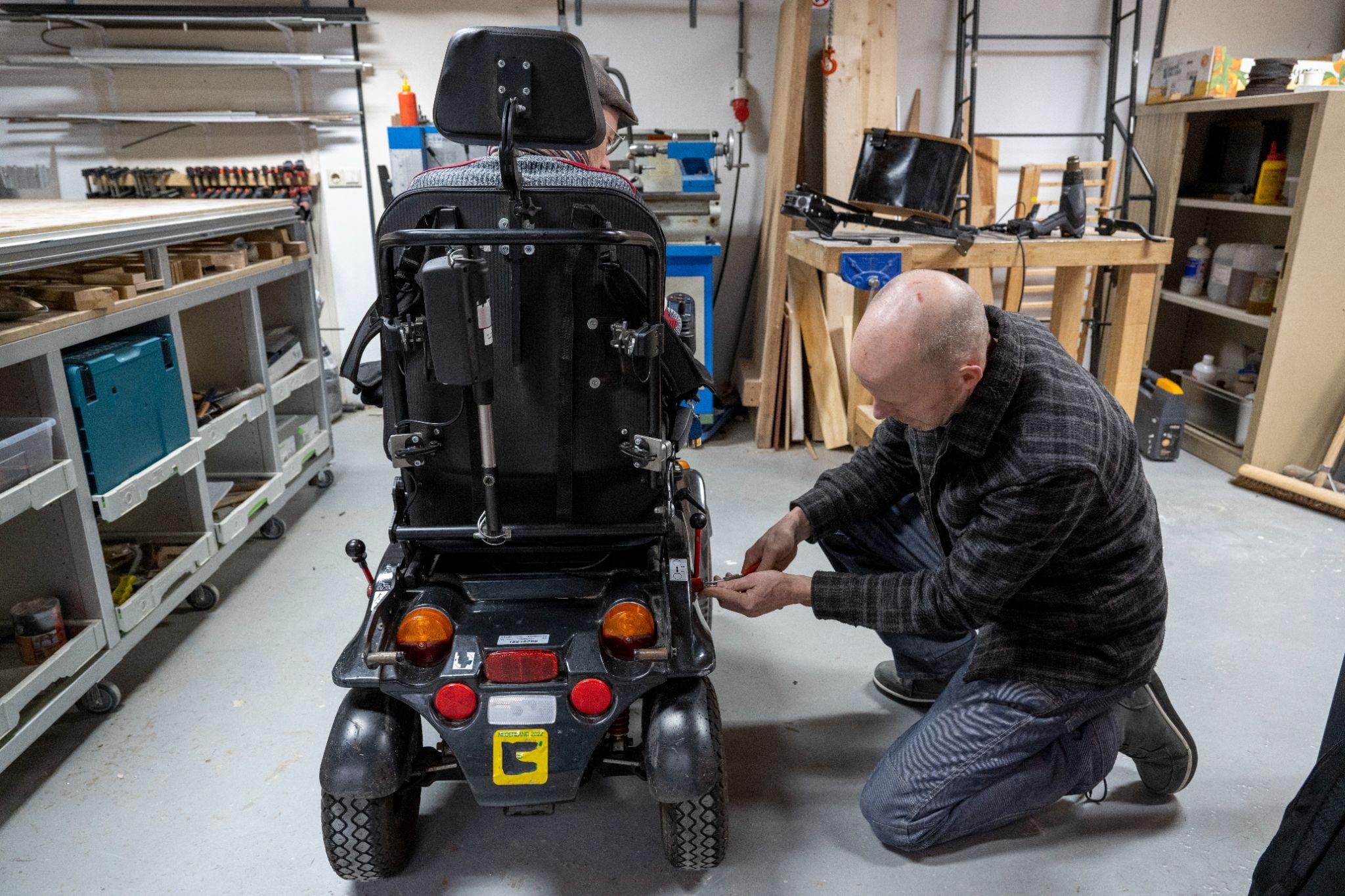
If your scooter later needs attention, our technicians service mobility equipment and may be able to diagnose certain problems over the phone. We also provide battery replacement, programming, parts, maintenance, and modifications to help keep your equipment working properly.
Expected Costs, Prior Authorization, and What to Do If Coverage Is Denied

With Original Medicare, beneficiaries generally pay the annual Part B deductible and then 20% of the Medicare-approved amount when the supplier accepts assignment. Medicare pays the remaining 80% for covered equipment.
The scooter may be rented or purchased depending on Medicare rules and the equipment involved. Medicare Advantage, Medicaid, and private insurance costs can differ, so request a written estimate before accepting delivery.
Prior authorization is not the same as guaranteed payment. Your coverage must still be active, the claim must be accurate, and the equipment delivered must match the authorization. Ask whether batteries, cushions, delivery, setup, and repairs are included, since coverage rules may differ.
If coverage is denied, read the notice carefully. Common reasons include incomplete clinical notes, missing prior authorization, an out-of-network supplier, or insufficient evidence that the scooter is needed inside the home.

Don’t immediately buy the scooter at full price. Instead:
- Ask the insurer for the exact denial reason and appeal deadline.
- Request a copy of the submitted documentation.
- Have your practitioner correct omissions or add relevant clinical details.
- Ask the supplier whether a different covered model meets the prescription.
- Submit an appeal using the instructions in your denial notice.
Keep a dated file containing orders, evaluations, authorization numbers, denial letters, receipts, and call notes. Strong appeals respond directly to the insurer’s stated reason rather than merely repeating that a scooter would be helpful.
Keep a dated file containing orders, evaluations, authorization numbers, denial letters, receipts, and call notes. Strong appeals address the insurer’s specific concerns rather than simply repeating that a scooter would be helpful.
MacPherson’s also carries walkers, rollators, canes, commodes, bathroom safety products, hospital beds, and manual and power wheelchairs. Our respiratory department offers oxygen services, CPAP machines and supplies, and support from a licensed respiratory therapist. To explore available equipment, visit our medical supply store in Harlingen.
For ongoing equipment support, MacPherson’s also provides mobility equipment repairs and maintenance, helping customers keep their scooters and other mobility devices in dependable working condition.
Conclusion
The best route to insurance coverage is a thorough mobility evaluation, a detailed prescription, and an approved DME supplier that understands your plan. Verifying your benefits and preparing the right documentation can help you avoid delays and unexpected costs.
MacPherson’s Medical Supply has supported South Texas families for more than 80 years. Contact our team to discuss your mobility needs, or explore our medical supply services to learn how we help the Rio Grande Valley find dependable equipment and support.
Visit MacPherson’s Medical Supply at 2325 S 77 Sunshine Strip, Ste. B, Harlingen, Texas 78550. We’re open Monday through Friday from 8:00 AM to 5:00 PM. For questions, email us at admin@macmedsupply.com or call 956-412-9100.
How does insurance determine if a mobility scooter is covered in Texas?
Coverage depends on medical necessity and your insurance plan. Under Original Medicare, your condition must limit daily activities inside the home, with documentation explaining why simpler mobility aids won’t work.
What steps are involved in obtaining a mobility scooter covered by Medicare Part B?
You need a qualifying mobility evaluation, a written order from a Medicare-enrolled treating practitioner, and medical records supporting your need for a scooter. Your supplier must also meet Medicare requirements.
Can I get a mobility scooter covered for outdoor use through my insurance?
Original Medicare generally doesn’t cover scooters requested exclusively for outdoor activities, shopping, or recreation. Other insurance plans may have different coverage rules.
How can I find an approved supplier for my mobility scooter in Texas?
Ask your insurer for participating suppliers and confirm their network status, Medicare enrollment where applicable, and authorization requirements before accepting equipment.
What should I do if my insurance denies coverage for a mobility scooter?
Review the denial reason, request copies of the submitted documents, and have your practitioner clarify missing medical information when necessary. Follow your insurer’s appeal instructions before the deadline.
Does MacPherson’s Medical Supply offer services related to mobility scooters?
Yes. MacPherson’s provides mobility scooters, repairs, battery replacement, programming, parts, and maintenance. Our team also helps customers understand equipment options and home-access considerations.