Stiff knees, sore feet, or aching hands can make everyday activities harder. The right joint support may make movement more comfortable, but the best approach depends on what is causing the problem.
Joint pain can be related to injuries, osteoarthritis, inflammatory conditions such as rheumatoid arthritis or gout, or problems affecting the feet and surrounding tissues. Because these conditions are different, no single exercise, supplement, brace, or mobility product works for everyone.
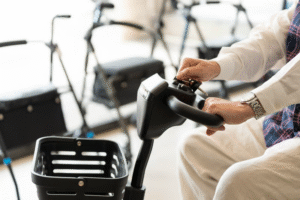
At MacPherson’s Medical Supply, we help people throughout the Rio Grande Valley find equipment for everyday mobility needs. Our available products and services include custom orthotics, orthopedic bracing, mobility equipment, and other durable medical equipment.
What Joint Support Means and Why It Matters
Joint support is a broad term for habits, care, and equipment that may help promote comfortable, stable movement. Cartilage, ligaments, tendons, and muscles work together whenever you move. An injury or condition affecting one structure can change how a joint feels or functions.
Some people may benefit from exercise or physical therapy. Others may need a brace, cane, walker, wheelchair, orthotic, medication, or another treatment recommended by a healthcare professional. Supportive equipment can be useful, but it does not replace a diagnosis. Persistent pain, significant swelling, or other concerning symptoms should be evaluated before you assume that a product will solve the problem.
Common Factors That Affect Joint Health

Age, previous injuries, activity level, body mechanics, work demands, and medical conditions can all affect mobility. Common factors include:
- Previous injuries or medical conditions
- Repetitive movement and work demands
- Activity level and muscle strength
- Foot mechanics and footwear
- Home hazards and poorly fitted equipment
Foot mechanics can influence how a person stands and walks. However, high or low arches, pronation, supination, or another walking pattern does not automatically mean it is causing knee, hip, or back pain. Orthotics may help some people manage specific foot problems or redistribute pressure, but custom devices are not automatically better than prefabricated options for every condition.
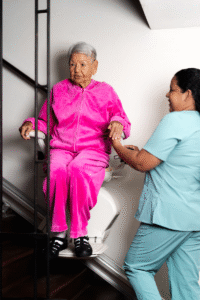
Your surroundings matter, too. Slippery floors, difficult stairs, and equipment that does not fit correctly may make movement harder or increase fall risk. Grab bars, ramps, bathroom safety products, and properly selected durable medical equipment can make a home easier to navigate.
How Movement and Strength Support Your Joints

Regular movement can help maintain mobility and muscle strength, and you do not need an intense workout to begin. Walking, water exercise, stationary cycling, and gentle range-of-motion activities are common low-impact options. Strength training can also help maintain the muscles used for everyday movement.
The CDC’s guidance on physical activity and arthritis lists joint-friendly options such as walking, cycling, swimming, water exercise, and tai chi. Choose activities that suit your health and abilities, start gradually, and reduce the intensity if pain or swelling becomes significant or worsens.
Someone recovering from an injury or surgery may need a different plan than someone with osteoarthritis or an inflammatory condition. Follow restrictions from your healthcare team and ask a physical therapist or another qualified professional for guidance when needed.
Rest and Recovery Matter, but Keep Moving When Appropriate
Short periods of rest may help after demanding activity or during some injuries. In many musculoskeletal conditions, however, gradual movement and rehabilitation are important for maintaining strength and mobility. Increase activity slowly and give your body time to adjust.
Technique and equipment matter as well. Supportive footwear and stable surfaces may make activity more comfortable. Canes and walkers should be adjusted for the person using them. If you need help comparing everyday mobility products, browse the MacPherson’s Medical Supply store or contact the team before choosing a device.
Nutrition and Supplements for Joint Support

A balanced diet supports overall bone and muscle health. Protein helps maintain muscle, while calcium and vitamin D are important for bones. Fruits, vegetables, whole grains, nuts, and fatty fish can also be part of a healthy eating pattern. Staying hydrated is especially important during hot South Texas weather unless a healthcare provider has advised you to restrict fluids.
Supplements such as glucosamine, chondroitin, turmeric, collagen, and omega-3 products have different evidence, risks, and possible medication interactions. The National Center for Complementary and Integrative Health reports that studies of glucosamine and chondroitin for knee osteoarthritis have produced inconsistent results.
Talk with a physician or pharmacist before starting a supplement, especially if you use prescription medication or have surgery planned. Be cautious with products that promise to cure arthritis or quickly rebuild damaged cartilage.
When Joint Pain Needs Professional Care
Mild soreness may improve after changing an activity. Pain that is severe, persists, keeps returning, disrupts sleep, or makes daily activities difficult should be evaluated by a healthcare professional.
Seek prompt medical attention when joint pain is accompanied by:
- A deformed joint or inability to bear weight after an injury
- Sudden or significant swelling, redness, or warmth
- Fever or other signs of possible infection
- Numbness, weakness, or major loss of movement
These symptoms may require diagnosis and treatment before supportive equipment is considered. Chest pain or trouble breathing requires emergency medical care.
Choosing the Right Joint Support and Mobility Equipment
Once a healthcare professional has identified the problem, supportive equipment may become part of the treatment or mobility plan. The product should match the diagnosis and the person’s needs. A brace designed for one injury may not be appropriate for another, and the same principle applies to canes, walkers, wheelchairs, and foot orthotics.
Correct selection, sizing, adjustment, and instruction can make equipment easier and more comfortable to use. Avoid choosing or borrowing a device based only on appearance or a general size. Some products may also require a prescription or professional evaluation.
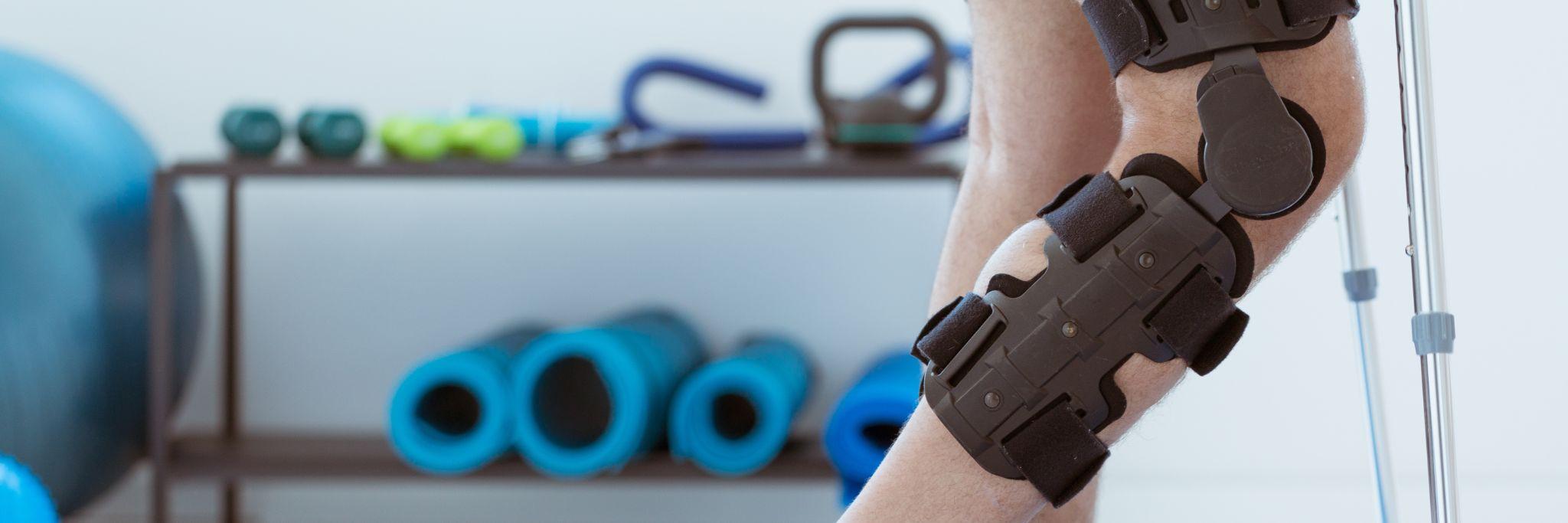
MacPherson’s offers custom foot orthotics, head-to-toe bracing solutions, and footwear options. If these products are part of your care plan, explore custom orthotics and bracing at MacPherson’s.
For more advanced mobility and positioning needs, an on-site Assistive Technology Professional helps guide individually configured manual and power wheelchair systems. Learn more about MacPherson’s complex rehabilitation services.
Conclusion
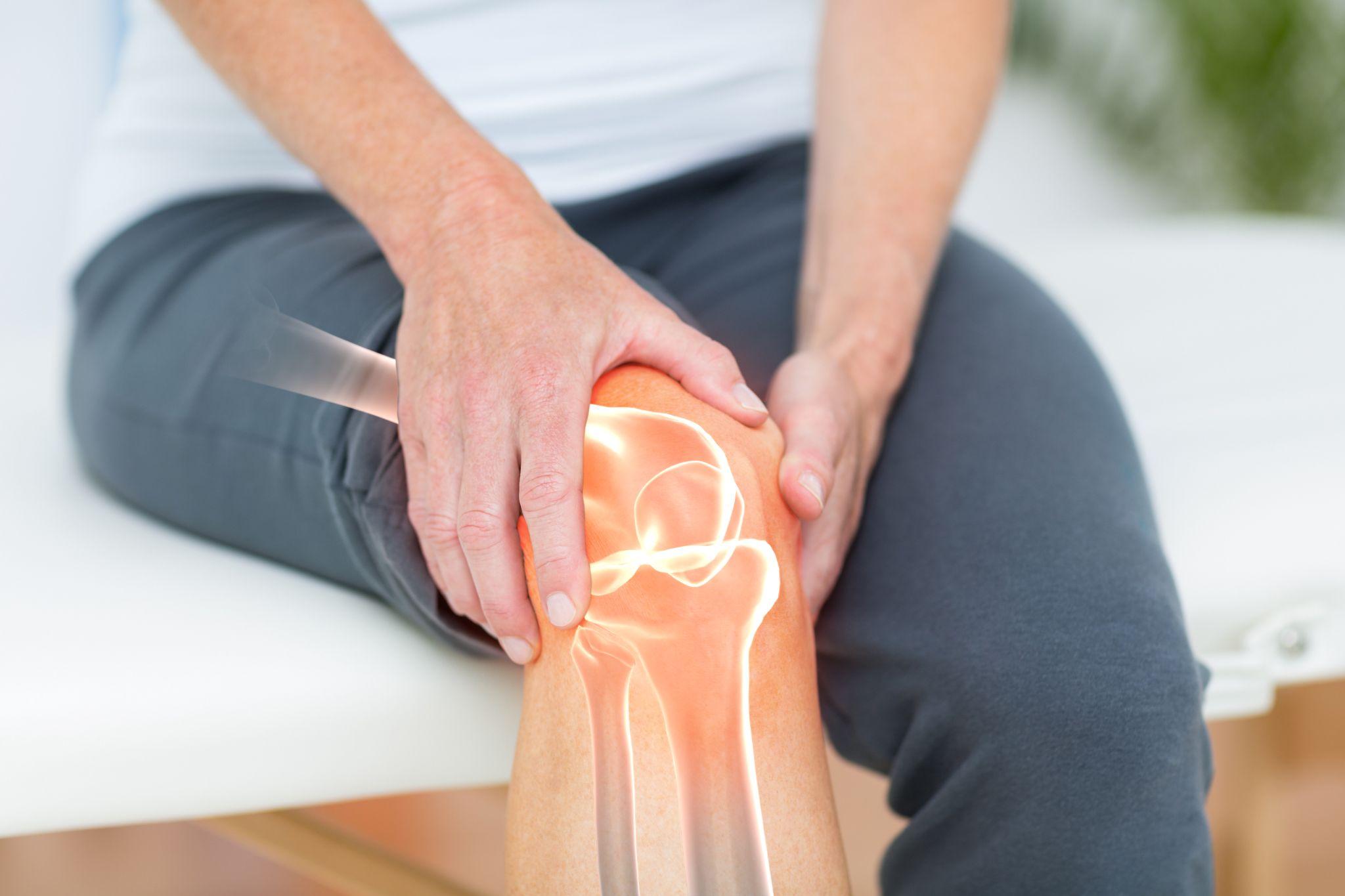
Better joint support begins with understanding what is causing discomfort and choosing an approach that fits your needs. Regular movement, gradual strengthening, appropriate recovery, and correctly fitted equipment may all support safer, more comfortable mobility.
If a healthcare professional recommends bracing, orthotics, or mobility equipment, MacPherson’s Medical Supply can help you explore available options in Harlingen. Visit our family-owned medical supply store at 2325 S 77 Sunshine Strip, Ste. B, Harlingen, Texas 78550, or call 956-412-9100 to speak with our team.
What Does Joint Support Include?
Joint support can include exercise, rehabilitation, medical care, and supportive equipment. Braces, orthotics, canes, walkers, and other mobility products may help certain people, but the right option depends on the cause of the symptoms.
Are Custom Orthotics Better for Joint Support?
Not necessarily. Custom orthotics may help with particular foot conditions, pressure concerns, or individual fitting needs, but they are not automatically better than prefabricated devices for every person. A healthcare professional can help determine whether an orthotic is appropriate.
What Exercises Are Good for Joint Health?
Walking, water exercise, stationary cycling, and gentle range-of-motion activities are common low-impact choices. Strength training can also help maintain the muscles used for everyday movement. Start gradually and seek guidance if pain or swelling worsens.
When Should I See a Professional About Joint Pain?
See a healthcare professional if pain is severe, persistent, keeps returning, affects sleep, or makes everyday activities difficult. Prompt evaluation may be needed after a serious injury or when pain occurs with significant swelling, deformity, inability to bear weight, numbness, weakness, fever, or a hot and red joint.