Searching “home medical supplies near me” can feel overwhelming, especially when you or someone you love needs equipment quickly during an already stressful time. Between insurance questions, product options, and trying to figure out who’s truly trustworthy, the process can feel like a lot to handle on your own.
That’s why we put together this guide—to help you find dependable local providers in 2026 without the guesswork or added worry. Whether you’re searching for a wheelchair, CPAP supplies, or oxygen services, knowing where to look (and what to ask) can make a real difference during a difficult time.
And for families in South Texas, MacPherson’s Medical Supply has been a trusted name for over 80 years.

What Counts as Home Medical Supplies?
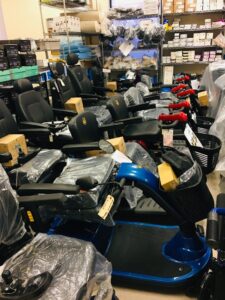
Home medical supplies cover a wide range of equipment and products designed to support health, mobility, and recovery outside of a hospital setting. Most people think of the basics first: canes, walkers, wheelchairs, and hospital beds. But the category goes much further.
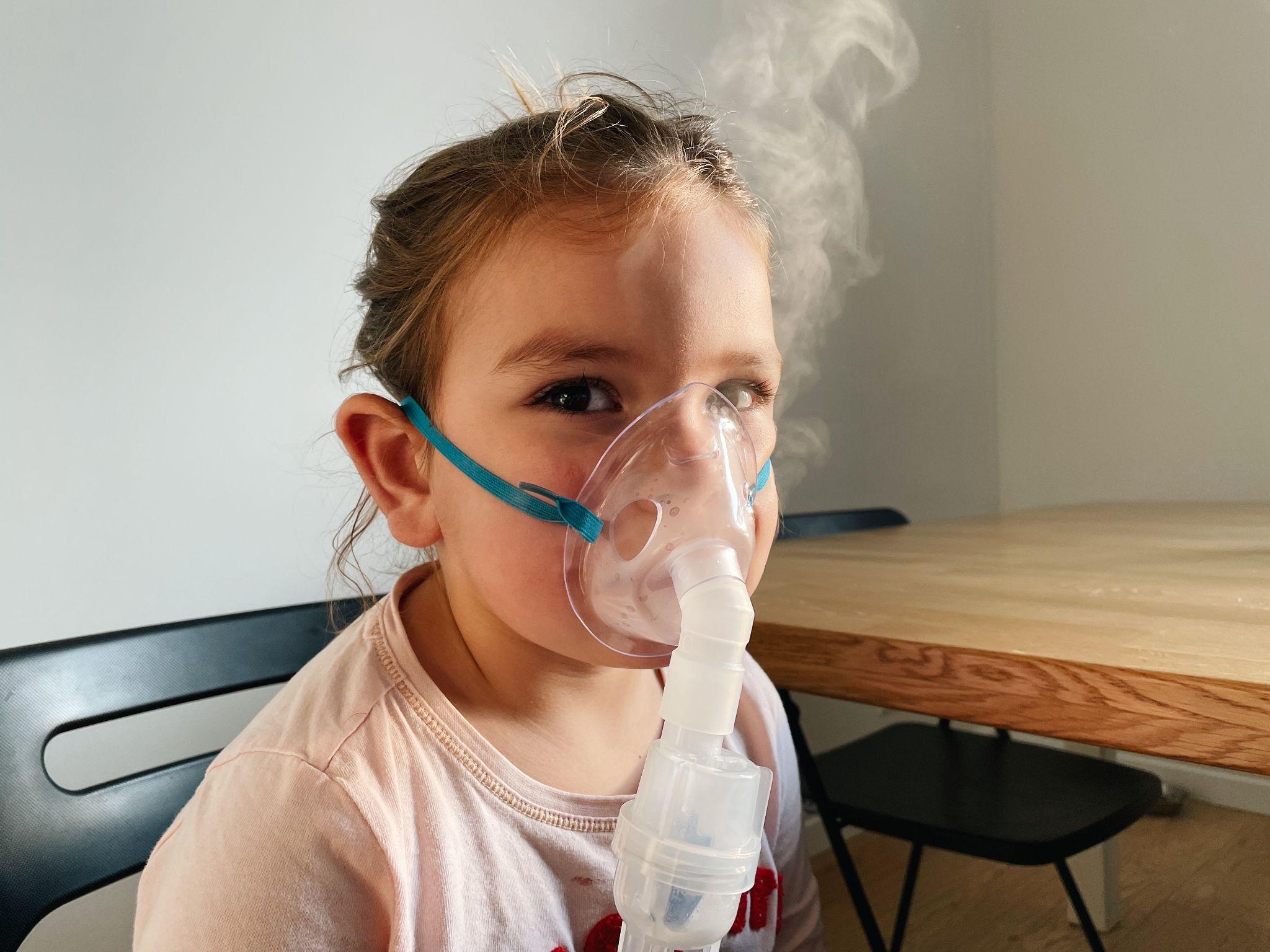
Durable medical equipment (DME) also includes respiratory products like CPAP machines, nebulizers, and oxygen concentrators. Then there are everyday essentials such as commodes, basins, bathroom safety rails, lift chairs, and personal care aids.
Specialty items round out the list, including custom orthotics, compression hosiery, mastectomy products, and complex rehab equipment for individuals with long-term mobility needs. If it helps someone live more safely or comfortably at home, it likely counts.
Here are some of the most common categories of home medical supplies you can expect to find through a full-service provider:
-
Bath and shower safety aids: Grab bars, tub transfer benches, bathtub safety rails, raised toilet seats, and toilet safety frames are among the most frequently requested items, especially after a surgery or a fall. According to the CDC, about 1 in 4 adults aged 65 and older falls each year — and many of those falls happen in the bathroom.
-
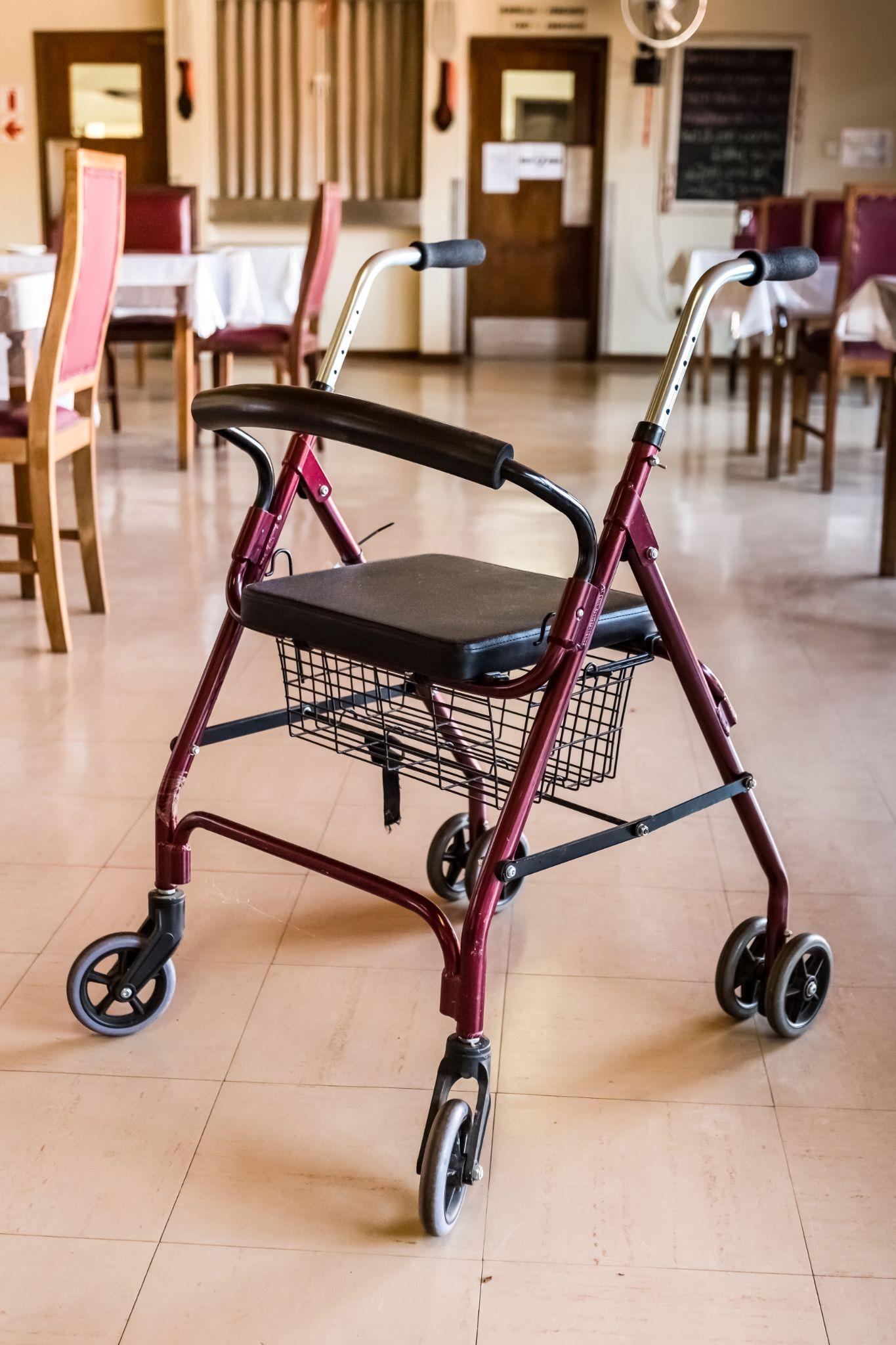
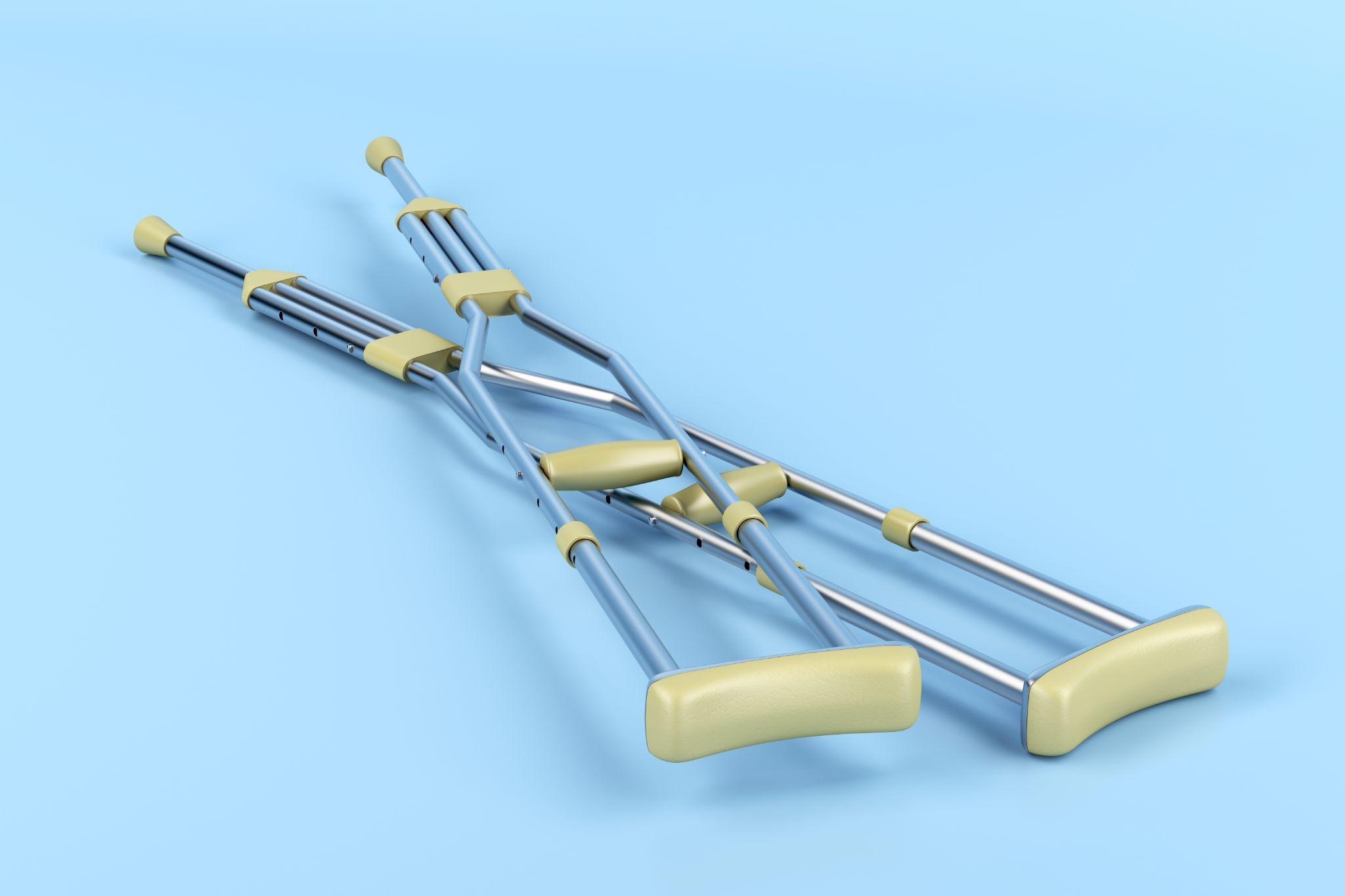
Mobility aids: Canes, crutches, transport chairs, and rollators are high-demand categories that a full-service health care supplier will stock in multiple configurations and sizes.
-
Respiratory equipment: CPAP and BiPAP machines are prescribed to the estimated 30 to 40 million Americans living with sleep apnea, many of whom remain undiagnosed. A knowledgeable provider can help you get the right mask fit, replacement supplies, and ongoing support.
-
Specialty products: Breast pumps (often covered by insurance), home oxygen equipment, and incontinence and protective underwear products round out the offerings worth knowing about.
Understanding the full scope of what’s available through a local healthcare provider — rather than a general retailer — can make a real difference in both comfort and long-term outcomes.

Where to Look for Home Medical Supplies in Your Area
Finding the right supplier locally is usually a mix of convenience, expertise, and trust. Here’s where most people start their search.
Local Pharmacies and Independent Medical Supply Stores
Independent medical supply stores are often the best place to begin. They tend to carry a broader inventory than chain pharmacies and offer hands-on service you simply can’t get online. You can see the equipment, test fit a wheelchair, or get a CPAP mask sized properly.
Family-owned shops also bring decades of local know-how. In the Rio Grande Valley, for example, MacPherson’s Medical Supply has been serving families since the 1940s. That kind of longevity usually means real expertise, real relationships, and real accountability.
A Note on Big-Box Retailers and Online Ordering
Places like national chain pharmacies and online retailers are convenient for prescription medications and basic consumable supplies, but they come with meaningful limitations when it comes to home medical equipment.
The most significant drawback is the lack of in-person clinical support — you can’t get a wheelchair properly fitted, have a CPAP mask sized, or ask a licensed respiratory therapist about your home oxygen settings through an app or a shipping box. Returns and exchanges for medical equipment can also be cumbersome, and online platforms often don’t have the insurance billing expertise needed to process Medicare, Medicaid, or private insurance claims correctly on your behalf.
For straightforward, low-cost items you’ve used before, online ordering is perfectly reasonable. But for anything that requires a fitting, ongoing servicing, or complex insurance coordination — think power wheelchairs, BiPAP machines, or custom orthotics — a local health medical supply store with credentialed staff will save you time, money, and headaches in the long run.
It’s also worth noting that independent suppliers are often more flexible about same-day availability and can provide the kind of personalized, comfortable experience that builds a real relationship with your care team.
How to Evaluate a Local Medical Supply Provider
Not every supplier is created equal. Before committing, run through a quick checklist:
-
Licensed staff on site. Does the provider have a licensed respiratory therapist or Assistive Technology Professional available for fittings and instruction?
-
Product range. Can they handle everything from canes and commodes to complex rehab and custom orthotics?
-
Repair services. Equipment breaks. A provider that repairs wheelchairs, scooters, and lifts in-house saves you huge headaches later.
-
Local reputation. Look at reviews, ask neighbors, and check how long they’ve been in business.
-
Insurance experience. A team that knows Medicare, Medicaid, and private insurance can save you hours of paperwork.
If you’re shopping in South Texas, you can visit our local store at MacPherson’s to see the full selection in person.
How to Get the Equipment You Need
Getting the right home medical equipment doesn’t have to be complicated when you follow a straightforward process. Here’s how most people navigate it successfully:
-
Get a prescription or recommendation from your healthcare provider. Most durable medical equipment — from walkers to CPAP machines to home oxygen — requires a doctor’s order for insurance reimbursement. Ask your physician or discharge planner to document the medical necessity.
-
Identify what you need. Make a list of the equipment and supplies your care providers have recommended. Don’t forget consumables like filters, tubing, and hygiene items — these need regular replacement.
-
Find a local supplier that accepts your insurance. Not all DME providers are in-network with every plan. Call ahead or check your insurer’s provider directory to confirm coverage before you shop.
-
Visit the store for fittings and demos. For items like wheelchairs, CPAP masks, compression hosiery, or mobility aids, an in-person fitting with a licensed professional ensures you get the right size and style the first time.
-
Confirm repair and follow-up services. Ask whether the provider offering the equipment also services it. A local supplier that handles repairs in-house saves significant time and frustration if something breaks down.
-
Set up a resupply schedule. Many healthcare supplies — from CPAP accessories to incontinence products — qualify for regular resupply through insurance. Ask your provider about automating reorders so you’re never caught short.
Using Insurance, Medicare, and Medicaid for Local Purchases
Coverage rules can feel like a maze, but here’s the short version. Medicare Part B typically covers durable medical equipment that’s medically necessary and prescribed by your doctor, including CPAP machines, oxygen equipment, walkers, and certain wheelchairs.
Medicaid coverage varies by state, but it often picks up where Medicare leaves off, especially for complex rehab and pediatric equipment. Private insurance plans differ widely, so always confirm coverage before ordering.
A few tips that save time:
-
Ask your provider whether they’re a Medicare-accredited supplier.
-
Get the prescription and any documentation requirements upfront.
-
Confirm copays, rentals vs. purchases, and replacement timelines.
Local providers like MacPherson’s handle this paperwork every day. Our team can walk you through what’s covered, what’s out-of-pocket, and how to get equipment delivered without the stress.
Smart Tips for Saving Money and Getting Faster Delivery
Home medical equipment adds up fast, but there are real ways to keep costs reasonable without sacrificing quality.
-
Buy local for fast turnaround. Skipping shipping delays matters when you need a hospital bed today, not next week.
-
Ask about rentals. For short-term recovery needs, renting a wheelchair or knee scooter is often cheaper than buying.
-
Maintain what you own. Routine cleaning, battery checks, and timely repairs extend equipment life. For more practical advice, check out our tips on getting lasting value from your DME at home.
-
Bundle supplies. Ordering CPAP filters, tubing, and masks together usually reduces trips and shipping fees.
-
Build a relationship with one provider. When your supplier knows your history, reorders and replacements move faster.
We also recommend exploring our full range of services so you know what’s available before an urgent need pops up. A little planning goes a long way.
Trusted Local Care, Right Here in South Texas
Finding reliable home medical supplies near you doesn’t have to be stressful. Focus on local providers with experienced staff, a wide product range, and a track record you can trust.
Visit MacPherson’s Medical Supply at 2325 S 77 Sunshine Strip, Ste. B, Harlingen, Texas 78550. We’re open Monday through Friday from 8:00 AM to 5:00 PM. For questions, email us at admin@macmedsupply.com or call 956-412-9100.
Choosing a local home medical supply provider means more than just convenience — it means having a real healthcare partner in your corner. A trusted local store brings together product expertise, clinical credentialing, insurance know-how, and hands-on service in a way that no website or chain pharmacy can fully replicate.
Whether you need a simple cane or a complex power wheelchair, mobility aids that are properly fitted, or ongoing CPAP and BiPAP support, the benefits of working with an experienced local team are tangible: fewer billing surprises, faster equipment access, and the comfort of working with people who know your community and your needs.
For residents of the Rio Grande Valley and greater South Texas, MacPherson’s Medical Supply has been providing that kind of trusted, full-service health care support for more than 80 years. Our team includes licensed respiratory therapists and Assistive Technology Professionals, and we work with Medicare, Medicaid, and most private insurance plans to make sure you get what you need without unnecessary out-of-pocket costs.
Stop in, call us, or browse our inventory online — we’re here to make navigating home medical equipment as straightforward and stress-free as possible.
What types of home medical supplies are available near me?
Home medical supplies include mobility equipment like wheelchairs and walkers, respiratory products such as CPAP machines and oxygen concentrators, bathroom safety rails, hospital beds, custom orthotics, and specialized items like mastectomy products. MacPherson’s Medical Supply in South Texas carries a comprehensive range of durable medical equipment to meet diverse health and mobility needs.
How do I know if a home medical supply provider is trustworthy?
Look for licensed staff, a broad product range, in-house repair services, strong local reputation, and insurance expertise. Check reviews and how long they’ve served the community. Providers with respiratory therapists or Assistive Technology Professionals on staff offer personalized fitting and professional guidance. MacPherson’s has served South Texas for over 80 years with family-owned reliability.
Does Medicare cover home medical equipment?
Yes, Medicare Part B covers medically necessary durable medical equipment prescribed by your doctor, including CPAP machines, oxygen equipment, walkers, and certain wheelchairs. Always confirm coverage upfront with your provider and have your prescription ready. Experienced suppliers like MacPherson’s can navigate insurance requirements and handle paperwork efficiently.
Can I rent home medical supplies instead of buying?
Yes, renting is often more cost-effective for short-term recovery needs like wheelchairs or knee scooters. Many local providers offer rental options that save money compared to purchases. Buying local also eliminates shipping delays when you need equipment quickly, making same-day availability a significant advantage.
What services does a full-service medical supply store offer?
Beyond equipment sales, full-service providers like MacPherson’s offer equipment repairs, custom orthotics creation, respiratory therapy services, home accessibility modifications, and professional fittings. Having a respiratory therapist or ATP on staff ensures proper fitting and instruction for complex equipment like CPAP machines and custom mobility systems.
Where can I find home medical supplies in South Texas?
MacPherson’s Medical Supply, located at 2325 S 77 Sunshine Strip, Suite B, Harlingen, Texas 78550, offers a full range of home medical equipment and services. Open Monday–Friday, 8 AM–5 PM. Call 956-412-9100 or email admin@macmedsupply.com for questions or to explore their extensive inventory in person.