A sore heel or aching arch can affect much more than the feet. Discomfort can make long work shifts harder, turn everyday errands into a chore, and change the way you stand or walk. The right foot support can help improve comfort, stability, and pressure distribution during everyday movement.
At MacPherson’s Medical Supply, we help people throughout the Rio Grande Valley explore supportive footwear, custom insoles, orthotics, and bracing solutions based on their needs. As a family-owned medical supply company serving South Texas for more than 80 years, we focus on practical solutions that support comfort and mobility.
What Foot Support Is And Why It Matters
Foot support includes supportive footwear, insoles, orthotics, and braces that help improve comfort, stability, and pressure distribution. The best option depends on your foot shape, activity level, health conditions, and mobility needs.
Because the feet support nearly every standing and walking movement, poor fit or uneven pressure can affect how you move and may contribute to discomfort in the ankles, knees, hips, or lower back. Good support should match the individual rather than force every foot into the same position.
Common Signs You May Need Better Foot Support
Foot pain is an obvious sign that something may need attention, but changes in balance, shoe wear, or general comfort can also point to a support issue.
You may want to discuss your foot support options with a qualified healthcare professional if you notice recurring heel or arch pain, uneven shoe wear, frequent calluses, ankle instability, balance problems, or discomfort that worsens with standing or walking.
People with plantar fasciitis, bunions, high or low arches, diabetes, arthritis, or previous foot injuries may need more specialized support. However, not every concern requires a custom orthotic. For some people, better-fitting footwear or a quality over-the-counter insert may be enough.
Persistent pain, swelling, numbness, skin breakdown, or a sudden inability to bear weight should be evaluated by a healthcare professional, especially for people with diabetes or reduced sensation in the feet.
Types Of Foot Support And How They Work
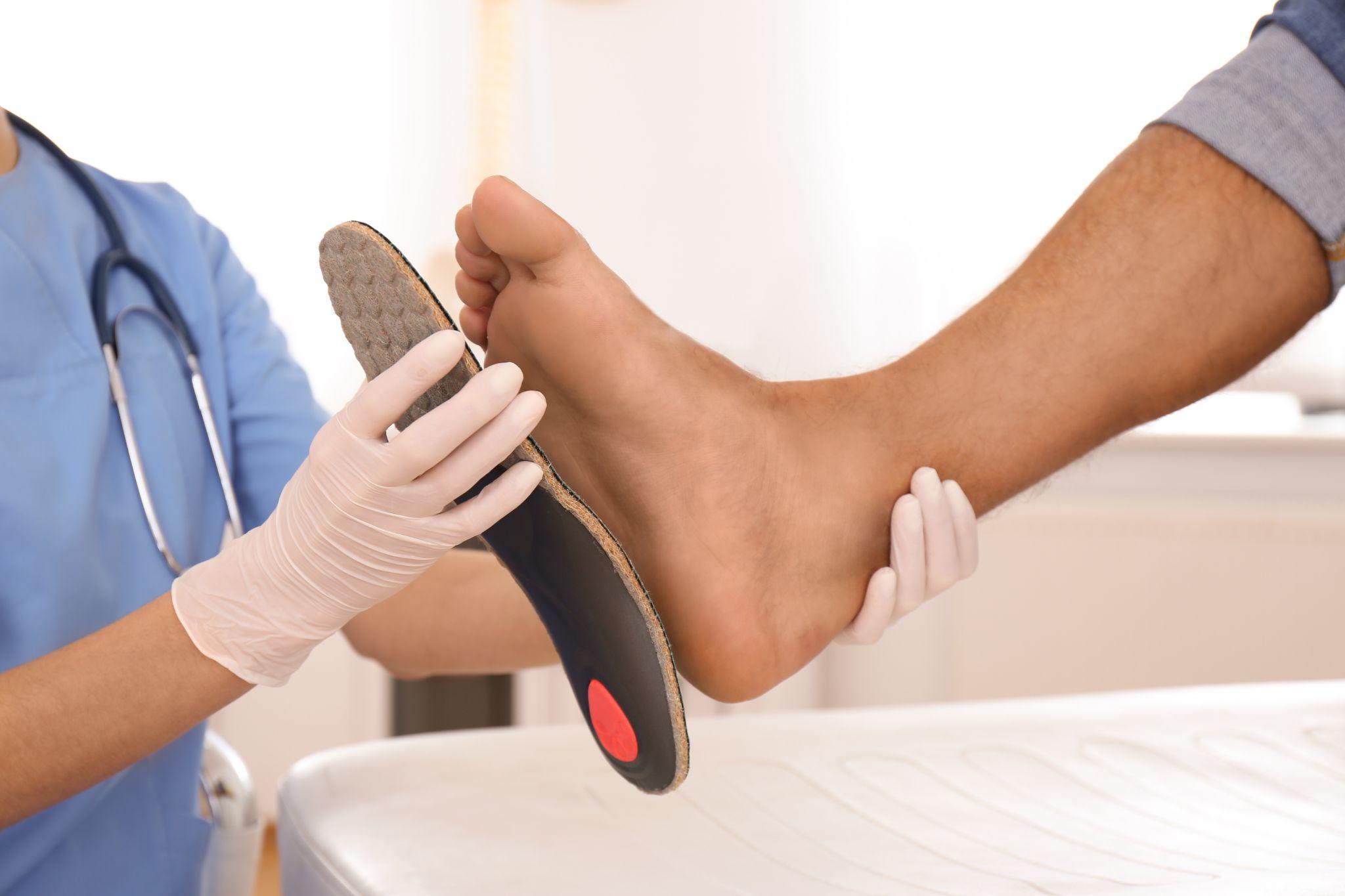
Foot support can range from everyday footwear to individualized medical devices. The best choice depends on foot shape, symptoms, activity level, and overall mobility needs.
Supportive Shoes And Built-In Features
A properly fitted shoe provides the foundation for good foot support. Useful features may include adequate toe room, secure fastening, appropriate cushioning, a supportive heel area, and a stable sole.
Fit matters just as much as design. Shoes that are too narrow can create pressure, while shoes that are too loose may cause slipping and friction.
People with certain diabetes-related foot conditions may require therapeutic or extra-depth footwear. Medicare Part B may cover certain therapeutic shoes and inserts for eligible people with diabetes and qualifying diabetes-related foot disease. Learn more about Medicare coverage for therapeutic shoes and inserts.
Over-The-Counter Insoles And Arch Supports

Over-the-counter insoles can add cushioning or basic arch support and may help with mild foot fatigue or discomfort.
The key is proper fit. An insert that is too thick or does not match the shape of the foot may create more pressure instead of improving comfort. For mild concerns, supportive footwear and a well-fitted insole may be a practical place to start.
Custom Orthotics And Custom Insoles
Custom orthotics are made for an individual’s feet and may be used to improve support, redistribute pressure, or address certain movement patterns. Prescription custom orthotics are usually designed after an evaluation by a qualified foot-care professional. Read more about prescription custom orthotics and shoe inserts.
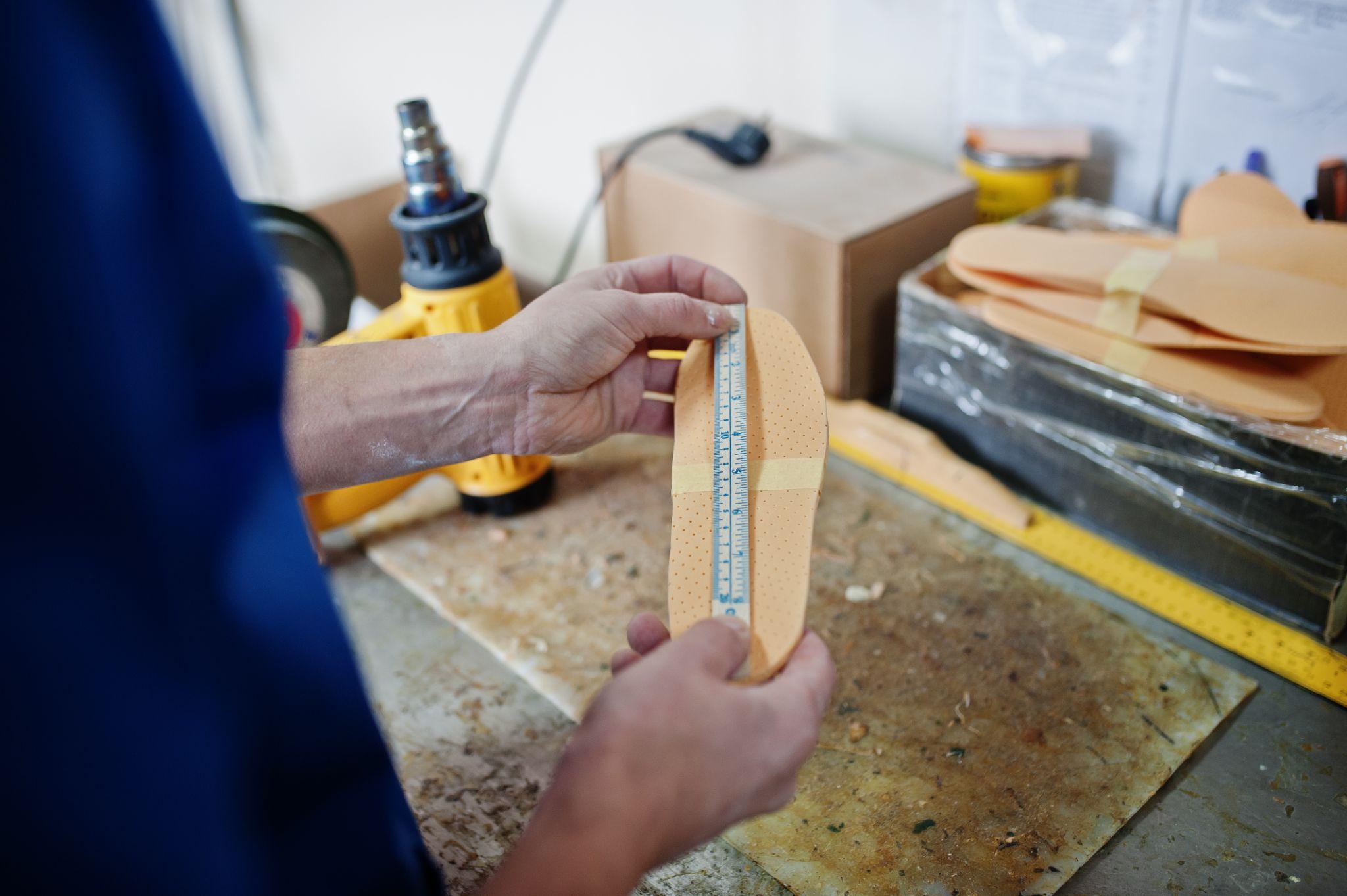
MacPherson’s Medical Supply creates custom insoles in an on-site orthotics lab. The process may include taking an impression of the foot, creating a mold, shaping the material, and adjusting the final device for fit and comfort. See how MacPherson’s custom orthotics lab creates custom insoles
Bracing And Additional Support
Some people may need more than footwear or an insole. Ankle instability, weakness, previous injuries, or orthopedic conditions may require added bracing.
MacPherson’s provides custom orthotics and head-to-toe bracing as part of its medical supply services. Explore MacPherson’s custom orthotics, bracing, and medical supply services
If you use a brace, walker, cane, or other mobility equipment, your footwear and foot support should work comfortably with the rest of your setup.
How To Choose The Right Foot Support
Choosing the right support starts with identifying when discomfort occurs and what activities make it worse. Heel pain in the morning, tired arches after standing, or ankle instability may point to different needs.
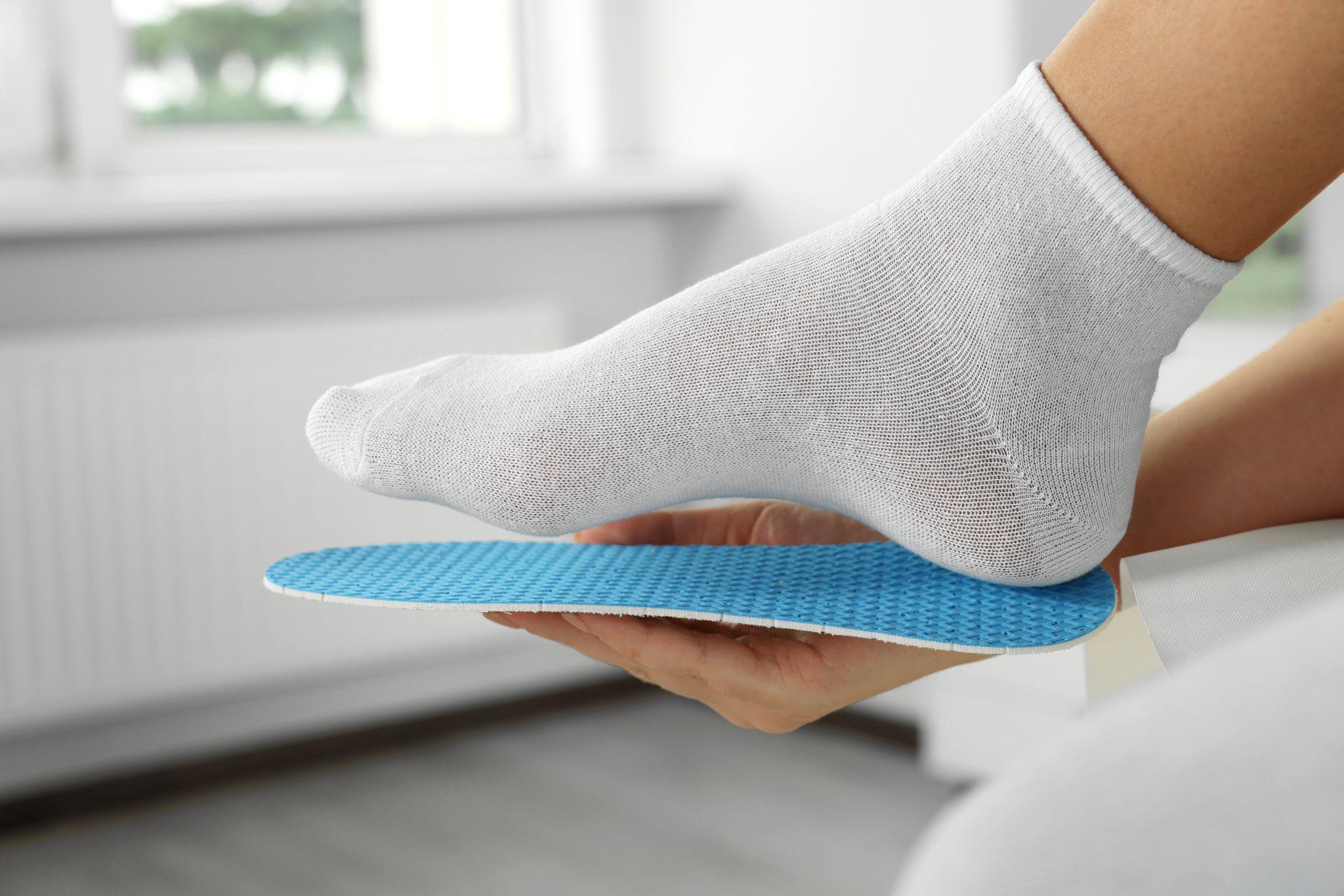
Consider your foot shape, daily activity, health conditions, current footwear, and any mobility equipment you use. Shoes and inserts should fit without crowding the toes, causing heel movement, or creating pressure. If you use custom orthotics, braces, or mobility aids, make sure everything works comfortably together.
Foot Support For People With Diabetes
Foot care requires extra attention for people with diabetes, especially when reduced sensation, circulation problems, calluses, deformities, or a history of foot wounds are present.
Reduced sensation can make it harder to notice rubbing or pressure. Footwear should fit properly and avoid concentrated pressure around the toes, heel, or sides of the foot.
Medicare has specific eligibility requirements for therapeutic shoes and inserts. Coverage generally requires diabetes along with qualifying diabetes-related foot disease and appropriate medical documentation. Review Medicare’s therapeutic footwear requirements.
People with diabetes should also monitor their feet and contact a healthcare professional if they notice wounds, persistent redness, swelling, drainage, or skin breakdown.
When To Consider Professional Help
Minor foot fatigue may improve with rest or better-fitting footwear, but recurring or persistent symptoms deserve more attention.
Consider professional evaluation if you experience:
- Pain that continues despite changing footwear
- Numbness or reduced sensation
- Recurring swelling
- Changes in balance or walking
- A wound or area of skin breakdown
- A need for custom bracing or orthotics
A qualified professional can help determine whether your discomfort is related to footwear, foot structure, injury, movement patterns, or another health concern.
Finding Foot Support In The Rio Grande Valley
Finding the right foot support is easier when you can work with a local team that understands footwear, orthotics, bracing, and mobility equipment.
MacPherson’s Medical Supply has served families throughout the Rio Grande Valley for more than 80 years. In addition to custom insoles and orthotics, the Harlingen location provides bracing, mobility products, respiratory equipment, complex rehabilitation, accessibility solutions, and other home medical supplies.
You can also explore MacPherson’s broader selection of medical equipment and services before visiting the store. Explore medical equipment and services from MacPherson’s Medical Supply
Conclusion

Better foot support can make standing, walking, and everyday routines more comfortable and manageable. The goal is not simply to choose the softest shoe or thickest insert. Effective support should match your feet, footwear, health needs, and daily activities.
Whether you are exploring supportive footwear, custom insoles, orthotics, or bracing, MacPherson’s Medical Supply provides local assistance for families throughout the Rio Grande Valley. Learn about MacPherson’s orthotics and bracing services.
Visit MacPherson’s Medical Supply at 2325 S 77 Sunshine Strip, Ste. B, Harlingen, Texas 78550. The store is open Monday through Friday from 8:00 AM to 5:00 PM. Call 956-412-9100 or email admin@macmedsupply.com for questions about available products, fittings, and services.
Do I Need A Prescription For Custom Orthotics?
Prescription custom orthotics generally require an evaluation and order from an appropriate healthcare professional. Requirements can vary depending on the device, medical need, and insurance plan.
How Long Do Custom Orthotics Last?
There is no single replacement schedule for every orthotic. Lifespan depends on the material, frequency of use, activity level, footwear, and changes in the feet over time.
Will Insurance Or Medicare Cover Custom Orthotics Or Supportive Footwear?
Coverage varies by plan, diagnosis, device, and documentation requirements. Medicare does not broadly cover every custom orthotic or supportive shoe, but it does provide a specific benefit for eligible people with diabetes and qualifying foot conditions.
How Are Custom Orthotics Different From Store-Bought Insoles?
Store-bought insoles provide general cushioning or basic support. Custom orthotics are created for an individual’s feet and may be designed to address specific pressure, support, or alignment needs.
How Long Does It Take To Adjust To New Orthotics?
Adjustment time varies. Some people may be advised to gradually increase wear time. Persistent or worsening pain should be discussed with the professional who prescribed or fitted the device.
Can I Move My Custom Orthotics Between Different Shoes?
Sometimes. Orthotics may fit more than one pair of shoes if the depth, shape, and internal space are similar.
How Do I Get Started With Foot Support At MacPherson’s Medical Supply?
Visit MacPherson’s Medical Supply in Harlingen or call 956-412-9100. Bring any prescriptions or medical documentation you have, along with the shoes or braces you normally use, so the team can help explain available options.