There comes a moment in a lot of families when you start noticing things. Your mom hesitates at the entrance of HEB. Your dad grips the shopping cart a little tighter than he used to. These aren’t dramatic moments — they’re quiet ones. But they matter.
An electric scooter for elderly individuals isn’t about giving up independence. It’s about protecting it. At MacPherson’s Medical Supply, we’ve been helping South Texas families have exactly this kind of conversation for over 80 years. If you’re wondering whether it might be time to bring up mobility support with your parent, here are five signs worth paying attention to — and some guidance on how to approach the topic with care.
Sign 1: They’re Avoiding Activities They Used to Love
One of the clearest early signals is withdrawal. Maybe your parent used to walk the neighborhood every evening or join the family at outdoor events, but lately they’ve been making excuses to stay home. This kind of avoidance often isn’t about mood — it’s about energy, pain, or fear of falling.
When getting from point A to point B requires significant effort or causes discomfort, people naturally start saying no to things they used to say yes to. That slow retreat can lead to isolation, and isolation has real consequences for older adults. If you’ve noticed your parent skipping activities that once brought them joy, it’s worth asking a gentle question or two about how they’ve been feeling on their feet.
Sign 2: Short Distances Have Become a Challenge
If walking from the car to the doctor’s office feels like a mission, or if your parent needs to stop and rest multiple times during a simple errand, that’s a meaningful change. Fatigue and reduced stamina can come from a range of conditions — arthritis, heart issues, COPD, and more — that are common among older adults in the Rio Grande Valley.
A mobility scooter doesn’t replace walking entirely. For many people, it fills in the gaps — handling the longer distances so they can save their energy for the moments that matter most. Pair that with access to our medical supply services, and families often find they can put a broader support plan in place.
Sign 3: You’ve Had a Recent Fall, or Near-Miss
A fall — or even a close call — changes things. After one incident, many older adults become hyperaware and anxious about walking in unfamiliar or uneven spaces. That anxiety alone can reduce activity and quality of life.
Falls are the leading cause of injury in adults over 65, and a history of instability is one of the most common reasons physicians recommend mobility aids. If your parent has fallen recently or mentioned feeling unsteady, that’s a conversation worth having sooner rather than later. The right equipment, chosen carefully, can make a real difference.
Sign 4: Their Doctor Has Mentioned Mobility Support
Sometimes the signal comes from a physician. If a doctor has recommended a mobility aid — or even casually suggested your parent consider one — that recommendation carries real clinical weight. Physicians in the RGV who treat conditions like peripheral neuropathy, osteoarthritis, or heart failure often see mobility aids as part of a broader care approach.
A prescription or letter of medical necessity from a physician may also open doors with Medicare, Medicaid, VA, TriCare, or private insurance. At our medical supply store, we work with most major insurers and can help you understand your options — no guesswork required.
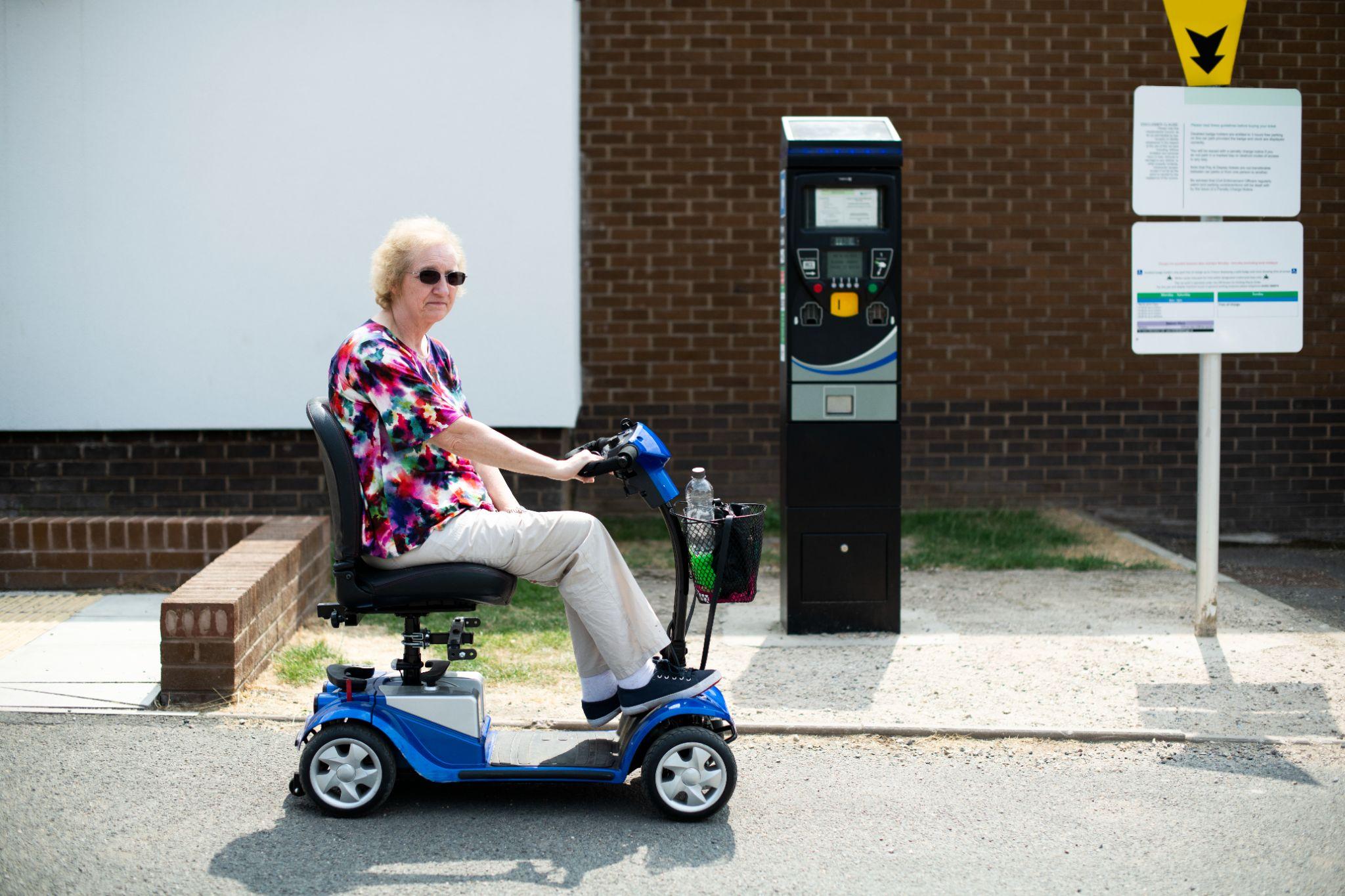
Sign 5: Your Parent Is Expressing Frustration About Keeping Up
Listen for the little comments. “I just can’t keep up anymore.” “I hate asking for help.” “I feel like a burden.” These phrases often signal that a person is already struggling and holding back more than they’re saying.
Older adults, especially those from the Rio Grande Valley’s multigenerational, family-centered culture, often resist asking for help directly. If your parent is expressing frustration about their pace or their limits, it’s not a complaint — it’s a door opening. Walk through it gently.
How to Start the Conversation Without Making It a Big Deal
The best approach is usually a low-pressure one. Don’t frame it as an intervention. Try saying something like, “I saw someone at the store using a scooter and they looked so comfortable — have you ever thought about trying one?” Let curiosity lead, not concern.
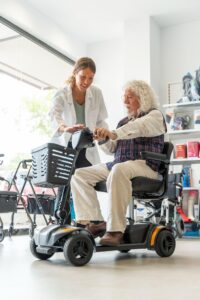
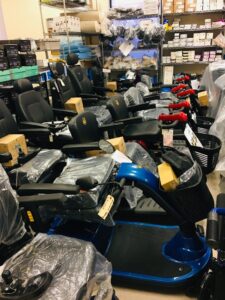
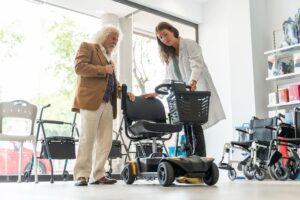
Visiting a local showroom together can also help. When a person can sit on a scooter, feel its weight, and ask questions in a relaxed setting, it becomes much less intimidating. Our 80-year history in the RGV means our staff has had this conversation hundreds of times — we know how to make it comfortable for everyone involved.
When You’re Ready, We’re Here
If any of these signs sound familiar, you don’t have to figure it out alone. MacPherson’s Medical Supply has been a trusted part of the Harlingen community since 1940, and we still operate the same way — with patience, real knowledge, and genuine care for every family that walks through our door.
Stop by our showroom at 2325 S 77 Sunshine Strip, Ste. B in Harlingen, call us at 956-412-9100, or get in touch or request a quote online. We’re here Monday through Friday, 8am to 5pm — and we’re always glad to help.
What is an electric scooter for elderly individuals, and how is it different from a power wheelchair?
An electric scooter for elderly users is a motorized mobility device designed for people who can sit upright and have some upper body control. Power wheelchairs are typically recommended for individuals with more complex physical needs. A medical supply specialist can help you determine which option fits your parent’s specific situation and condition.
Does Medicare cover electric scooters for elderly patients?
Medicare Part B may cover a power-operated scooter if your parent’s physician documents a medical need and the equipment is deemed medically necessary. Coverage depends on individual circumstances. MacPherson’s Medical Supply accepts Medicare and can help families understand the documentation process before moving forward.
How do I know which mobility scooter is the right fit for my parent?
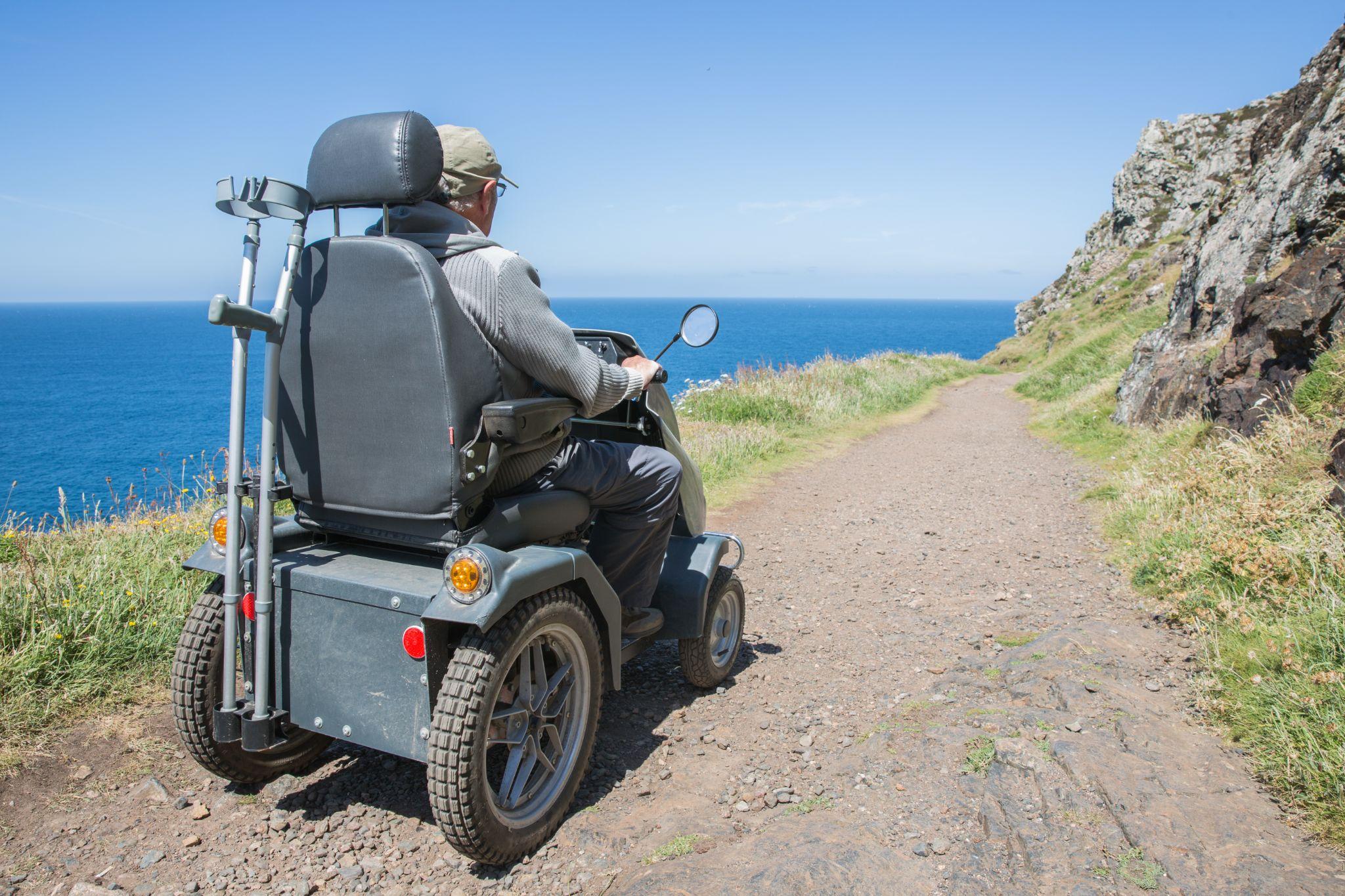
The right scooter depends on your parent’s weight, height, mobility level, where they’ll use it most, and their home environment. Indoor and outdoor models differ significantly. Visiting a local showroom in Harlingen and speaking with a knowledgeable staff member is the most reliable way to find the right match.
Is an electric scooter safe for elderly people who live alone?
Many older adults who live alone use mobility scooters safely and confidently. Features like anti-tip wheels, easy controls, and adjustable speeds make modern scooters accessible. That said, a physician’s input and a proper fitting process help ensure the right level of safety for each individual’s specific health picture.
Can my parent try a scooter before committing to one?
Yes. At MacPherson’s Medical Supply in Harlingen, we encourage families to come in and explore options in person. Seeing and trying equipment firsthand — in a relaxed, no-pressure setting — helps older adults feel more confident and comfortable with the decision.