Foot discomfort can affect how we walk, work, exercise, and handle ordinary daily activities. When store-bought inserts do not provide enough support, custom insoles designed around your foot shape and needs may be worth considering.
MacPherson’s Medical Supply has served families across the Rio Grande Valley for more than 80 years. At our on-site custom orthotics lab in Harlingen, we create patient-specific orthotic solutions and help customers find medical equipment that fits their everyday needs.
What Custom Insoles Are and How They Work
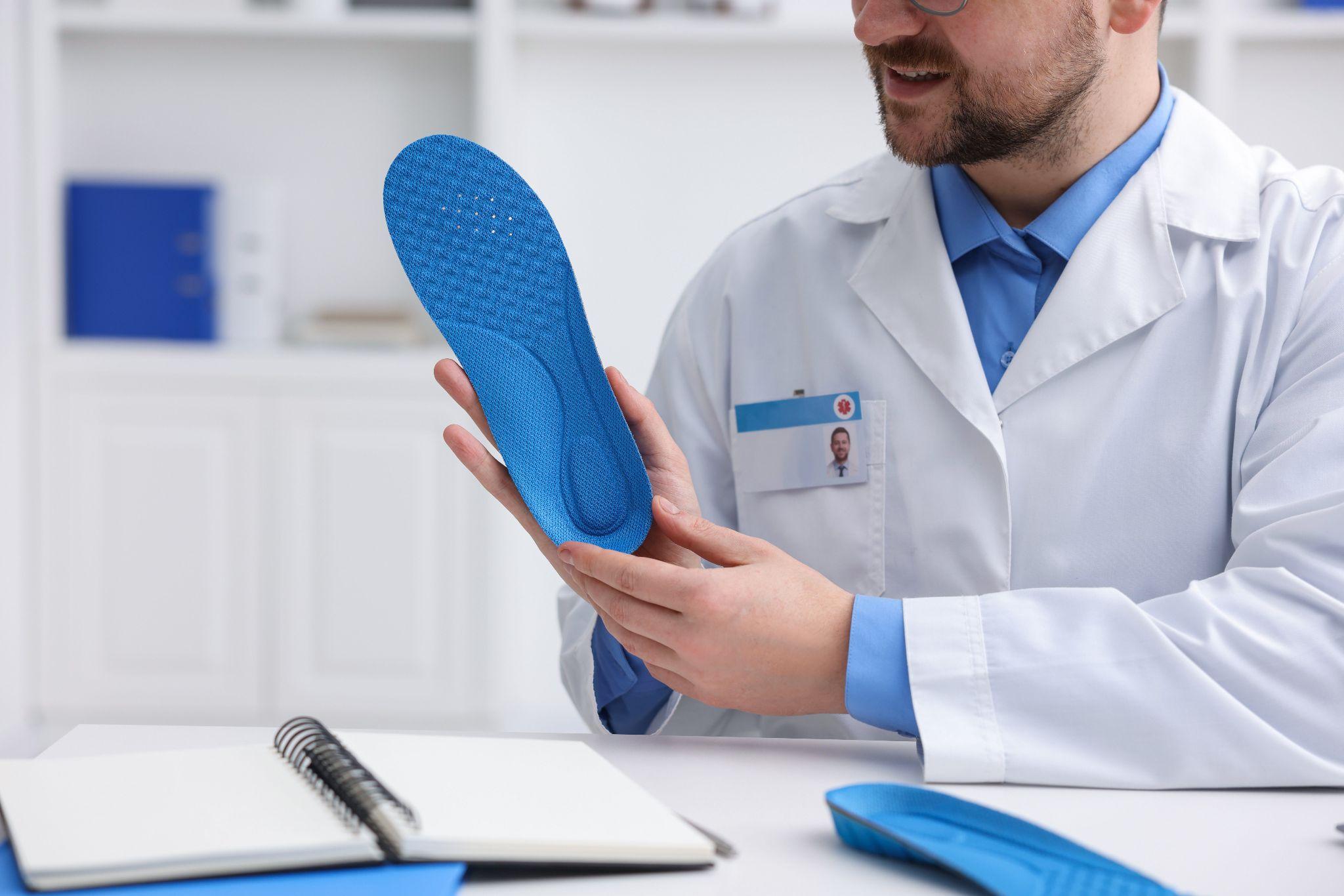
Custom insoles, also called custom foot orthotics, are individualized medical devices made using measurements, molds, casts, or scans of your feet. Unlike mass-produced inserts, they are designed around your foot structure, pressure patterns, footwear, and mobility needs.
Their purpose goes beyond simple cushioning. Depending on the design, custom foot orthotics can support high or low arches, stabilize the feet, cushion sensitive areas, redistribute pressure, and address excessive pronation or supination. For some people, this added support can make standing and walking feel more comfortable or stable.
Foot mechanics also affect how forces move through the ankles, knees, hips, and back. In certain cases, custom insoles may change how those forces are distributed, although the effect depends on the individual and the underlying cause of discomfort.
At MacPherson’s, our team guides customers through the orthotics process, including assessment, fitting, and follow-up adjustments when needed. If you would like to explore the other types of equipment and support available, view MacPherson’s full range of services, including orthopedic bracing, complex rehabilitation equipment, respiratory services, equipment repair, and home accessibility solutions.
When Should You Consider Custom Insoles?
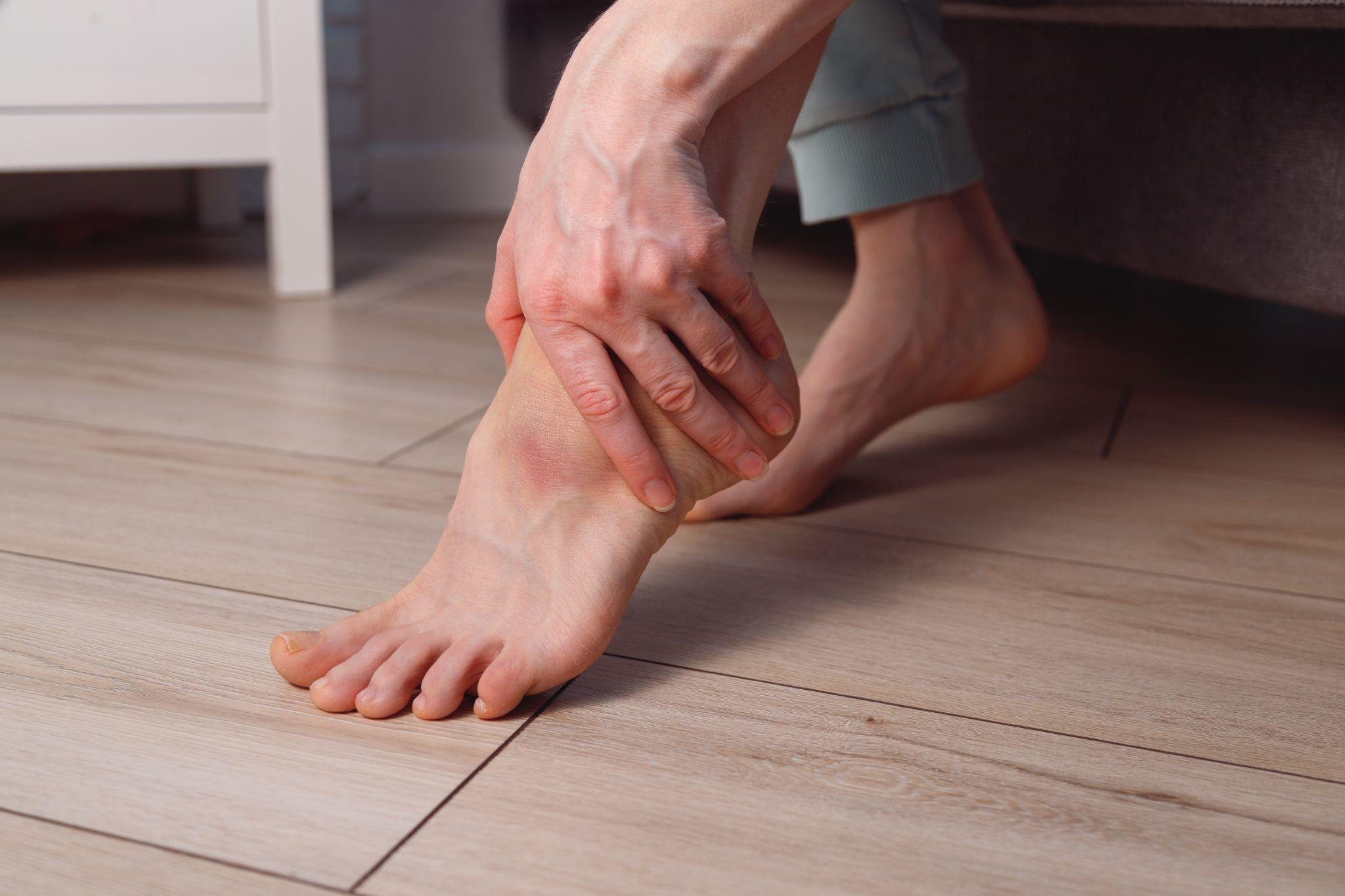
Custom insoles may be worth considering when recurring foot discomfort continues despite supportive shoes or standard inserts. They may also be appropriate when a healthcare professional identifies a specific pressure, alignment, or biomechanical concern that could benefit from more individualized support.
People who spend much of the day standing, regularly walk on hard surfaces, exercise often, or experience recurring foot fatigue may want to have their footwear and foot mechanics evaluated. The same applies to people with unusually high or low arches, recurring pressure points, or changes in mobility.
No two people move exactly the same way. Choosing custom insoles involves looking at more than shoe size. Foot shape, walking pattern, daily activity, footwear, pressure areas, and the location of discomfort can all affect the design.
Custom orthotics are not a cure-all. Persistent or severe pain should be evaluated by a qualified healthcare professional. When used as part of a broader care plan, properly fitted orthotics can provide targeted support based on individual needs.
Common Foot and Mobility Concerns They May Address
Depending on the evaluation and orthotic design, custom orthotics may be used for concerns such as:
- High or low arches
- Plantar fasciitis
- Neuromas and forefoot discomfort
- Excessive inward or outward foot rolling
- Uneven pressure or recurring calluses
- Corns or irritation caused by pressure points
- Foot fatigue during prolonged standing or walking
- Lower-limb alignment concerns
Some people also explore custom insoles when they experience ankle, leg, knee, or back discomfort. Foot mechanics can influence how forces travel through the lower body, so changing pressure distribution or support may help in certain situations. Results vary depending on the underlying condition.
People with diabetes, reduced sensation, circulation concerns, or significant skin changes should speak with their healthcare provider before using new insoles or changing footwear. Proper fitting and routine foot checks are especially important for people at higher risk of skin injury or foot complications.
The Centers for Medicare & Medicaid Services provides additional guidance on therapeutic footwear and inserts for people with diabetes, including coverage requirements and fitting considerations.
Custom Insoles vs. Over-the-Counter Inserts
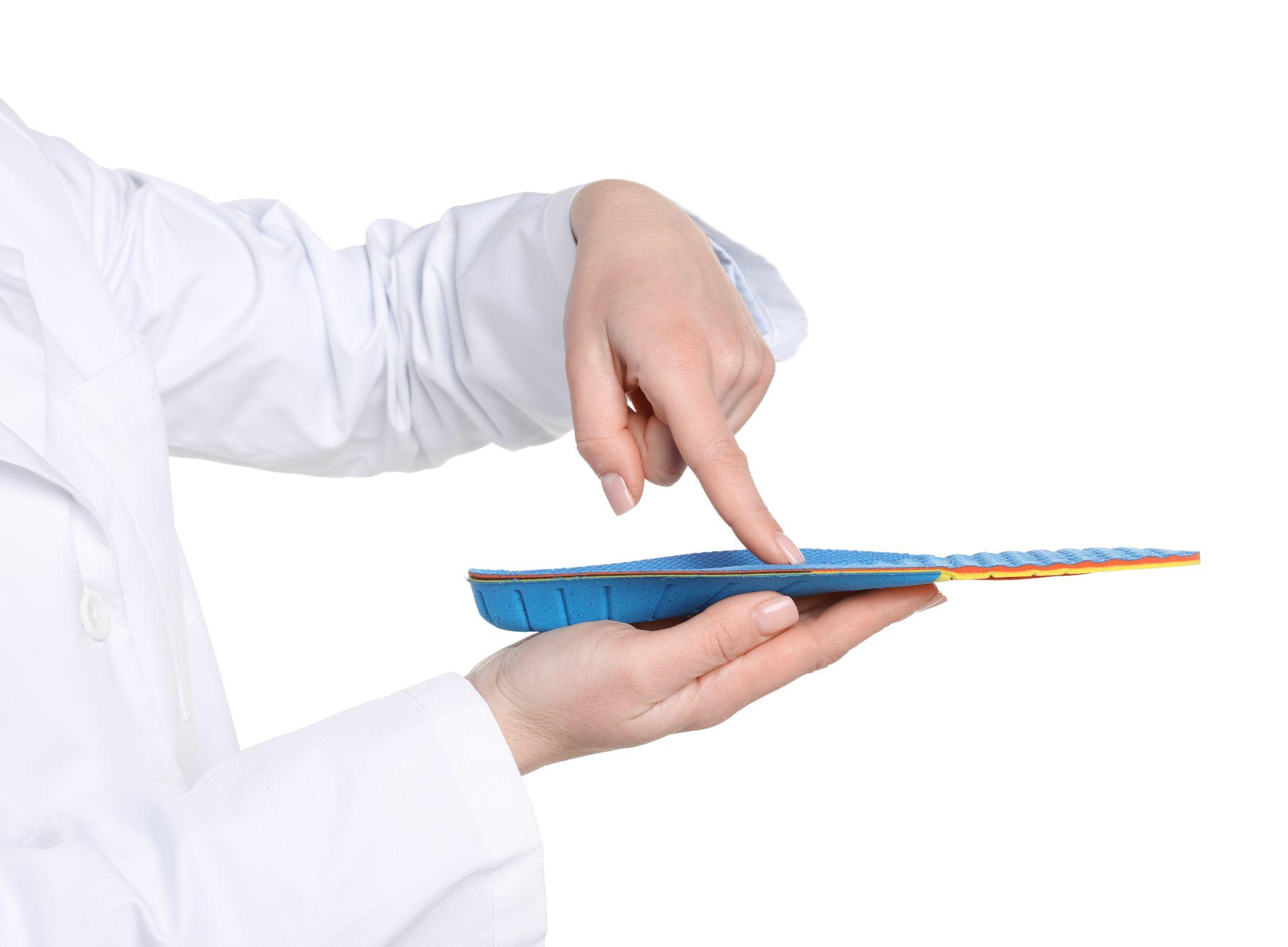
Over-the-counter inserts may be enough for mild foot fatigue, occasional discomfort, or extra shoe cushioning. They are widely available, usually less expensive, and often designed for general needs such as arch support, athletic use, or added cushioning. The tradeoff is that they are made to fit broad size ranges rather than one person’s specific foot structure.
Custom insoles are created using an individual evaluation and a representation of the feet. Their shape, firmness, materials, cushioning, and supportive features can be selected based on identified needs.
| Feature | Custom Insoles | Store-brought inserts |
|---|---|---|
| Fit | Made for the individual | Based on standard sizes |
| Support | Targeted to identified needs | Generalized support |
| Materials | Selected for function and durability | Varies by product |
| Adjustments | May be modified after fitting | Usually limited |
| Cost | Higher Initial Investment | Lower Initial cost |
The more expensive option is not automatically the right choice. Research comparing custom-made and prefabricated foot orthoses has found that results vary by condition. For plantar heel pain, for example, a review published through the National Library of Medicine found no consistent advantage for custom-made orthotics over prefabricated options for pain or function. You can review the research on custom-made versus prefabricated foot orthoses for additional context.
If someone only wants extra cushioning, a quality retail insert may be enough. When discomfort keeps returning, standard inserts have not helped, or a healthcare professional identifies a specific biomechanical need, custom foot orthotics may be worth considering.
To see the types of orthotics, diabetic shoes, mobility products, and other equipment available, browse MacPherson’s medical supply selection.
How Custom Insoles Are Made and Fitted
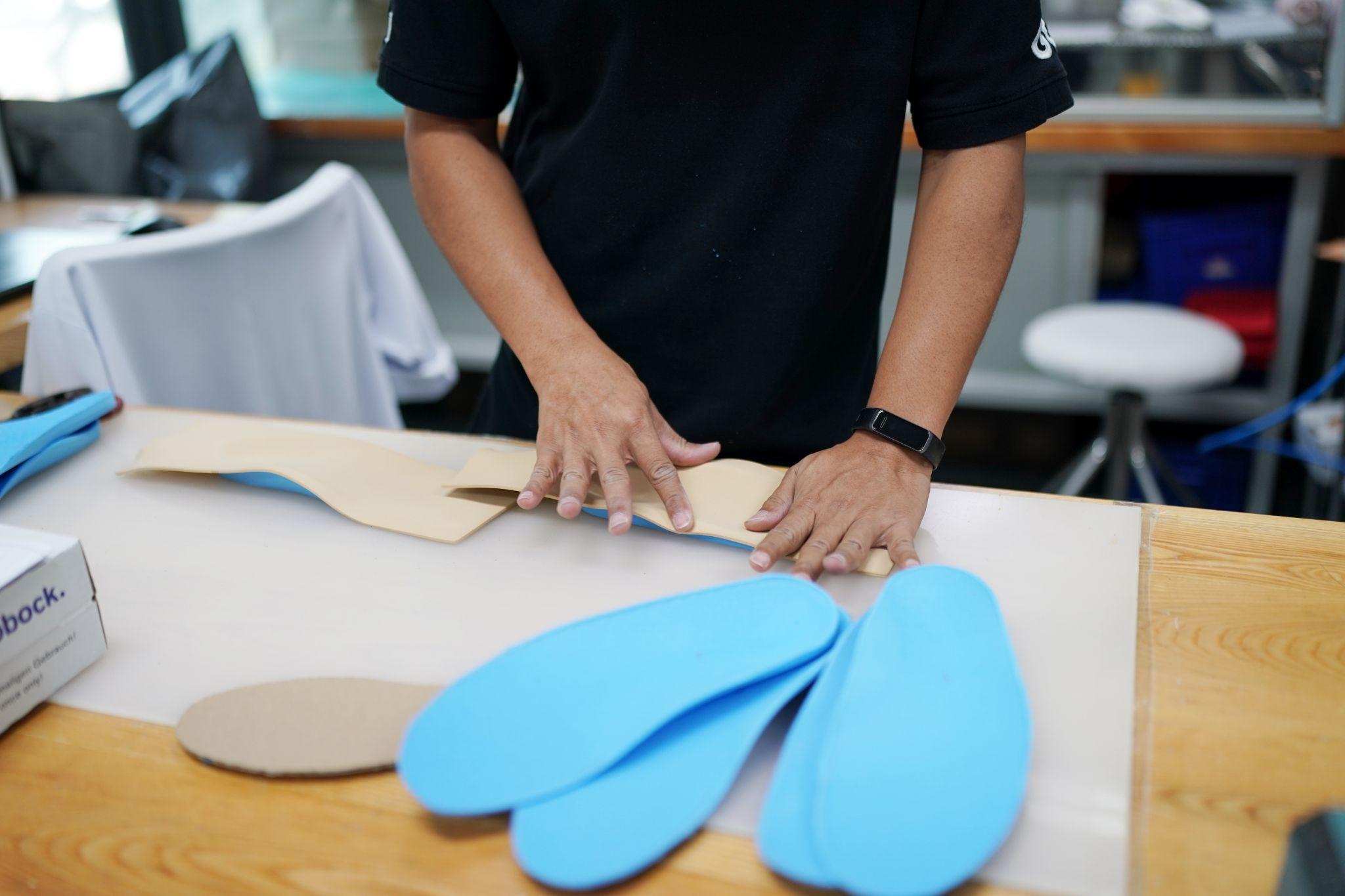
The process usually begins with a conversation about symptoms, medical history, daily routine, footwear, and mobility goals. We want to understand when discomfort happens and which activities matter most, whether that means working a full shift, walking around the neighborhood, exercising, or moving more comfortably at home.
Next, the feet and footwear are assessed. Measurements, molds, casts, or scans may be used to capture foot shape. The evaluation may also consider arch position, pressure distribution, foot alignment, walking pattern, shoe fit, and daily activity level. This information helps guide the shape, support, and material selection of the orthotic.
Once the custom foot orthotics are produced, they are fitted inside the shoes you plan to use. Footwear matters. Even a well-made orthotic may not work as intended in a shoe that is too narrow, too shallow, heavily worn, or otherwise unsuitable. Bringing the shoes you wear most often can help the fitting professional see how the custom insoles work in real-life conditions.
The fitting then focuses on comfort, placement, and function. Small changes can make a noticeable difference, which is why follow-up should be part of the process rather than an afterthought.
What to Expect During the Adjustment Period
New custom insoles may feel unfamiliar at first because they can change how pressure is distributed across the feet and how certain muscles are used during movement. A gradual break-in period is often recommended.
Depending on the orthotic and the instructions provided during fitting, you may begin by wearing them for a limited period and increase wear time gradually. Avoid trying new custom orthotics for the first time during a long work shift, extended trip, strenuous workout, or full day of walking or standing.
Mild awareness of the new support or temporary muscle fatigue can happen during the adjustment period. Sharp pain, numbness, blisters, persistent redness, or worsening symptoms should not be ignored. Stop wearing the insoles and contact your fitting professional or healthcare provider if these occur.
Check your shoes and custom insoles regularly for signs of wear and follow the recommended cleaning and care instructions. Your feet, footwear, and mobility needs can change over time, so periodic reassessment helps determine whether the support is still appropriate.
Can Custom Insoles Help With Knee or Back Discomfort?
In some situations, they can help. Foot mechanics can affect how forces are transferred through the ankles, knees, hips, and back, and certain orthotic designs may improve symptoms when foot mechanics are part of the problem.
However, results vary depending on the condition, the person, and the type of orthotic used. Custom orthotics should not be treated as a universal solution for knee, hip, or back pain. Persistent pain in these areas should be evaluated by a healthcare professional so the underlying cause can be identified.
Custom Insoles in Harlingen, TX
For people looking for custom insoles in Harlingen, TX, working with a local provider can make fittings and follow-up adjustments easier. It also gives you a place to return if your footwear changes, the orthotics need modification, or you have questions during the break-in period.
MacPherson’s Medical Supply serves customers throughout Harlingen and the Rio Grande Valley from our local medical supply store and on-site custom orthotics lab.
Conclusion
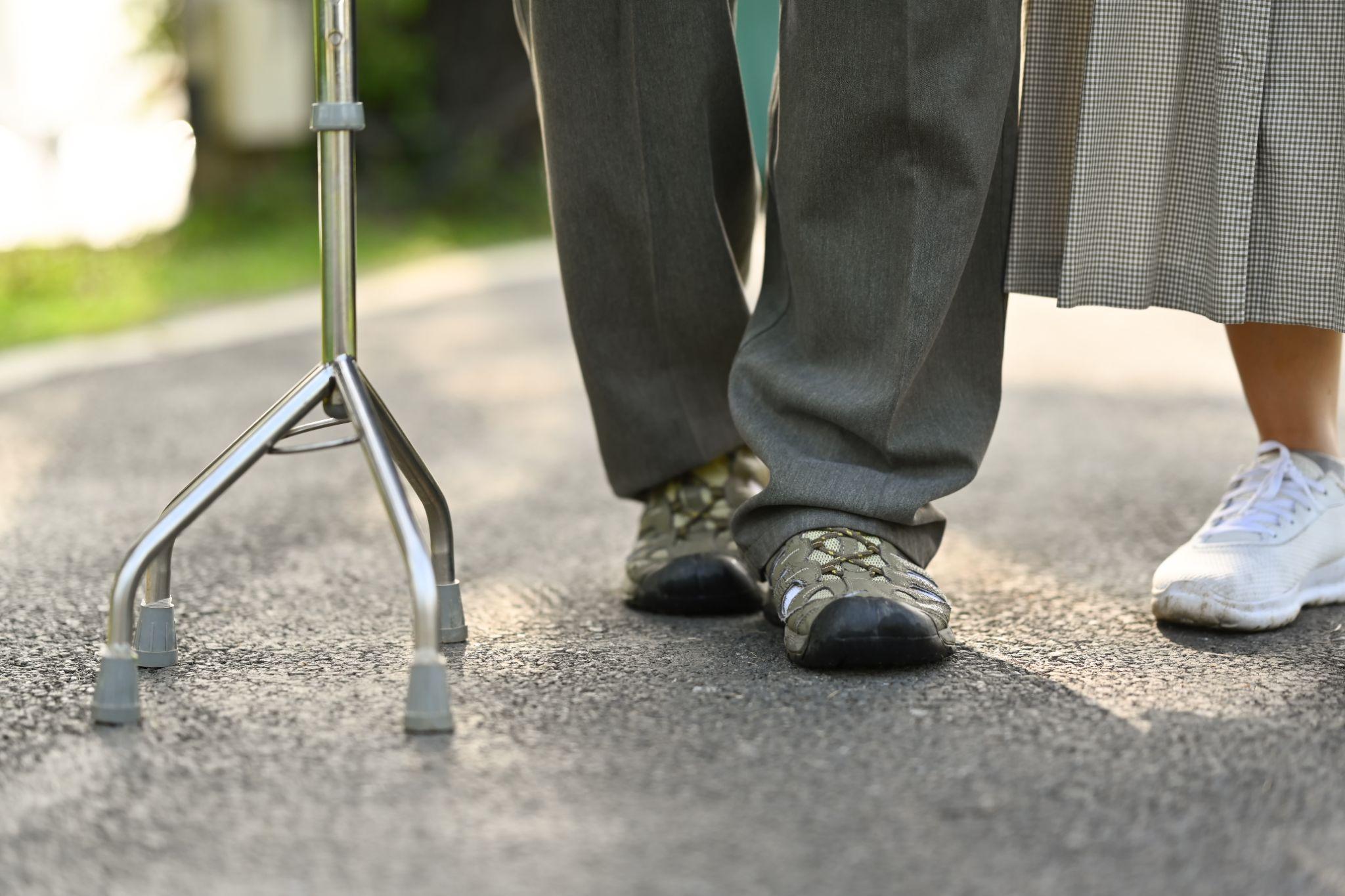
The right custom insoles can make everyday movement more comfortable by supporting the feet, cushioning sensitive areas, and redistributing pressure based on individual needs. For people who still experience discomfort despite appropriate footwear or standard inserts, an orthotic assessment can help determine whether custom support makes sense.
MacPherson’s Medical Supply provides custom orthotic services along with mobility equipment, custom bracing, hospital beds, canes, commodes, equipment repair, CPAP supplies, oxygen equipment, and respiratory services. A licensed respiratory therapist is also available to assist customers with applicable respiratory equipment and therapies.
Visit MacPherson’s Medical Supply at 2325 S 77 Sunshine Strip, Ste. B, Harlingen, Texas 78550. We are open Monday through Friday from 8:00 AM to 5:00 PM.
If recurring foot discomfort is affecting your daily routine, contact the MacPherson’s Medical Supply team to ask about custom insoles, fitting options, and available orthotic services. You can also call 956-412-9100.
What Are Custom Insoles and How Do They Differ From Store-Bought Inserts?
Custom insoles are individualized foot orthotics created using measurements, molds, casts, or scans of a person’s feet. Unlike generic inserts, they can be designed around specific foot structure, pressure patterns, support needs, and footwear.
Who Can Benefit From Using Custom Insoles?
People with recurring foot discomfort, high or low arches, plantar fasciitis, pressure-related discomfort, or foot fatigue may benefit from an orthotic evaluation. They may also be considered when foot mechanics contribute to alignment concerns or discomfort elsewhere in the lower body.
How Are Custom Insoles Made and Fitted?
The process generally begins with an assessment of your feet, footwear, walking pattern, daily activities, and support needs. Measurements, molds, casts, or digital scans may then be used to create the orthotics, followed by a fitting to check placement, comfort, and function.
What Should I Expect During the Adjustment Period When Using Custom Insoles?
New custom insoles may feel different at first. You may be advised to increase wearing time gradually rather than immediately using them for an entire workday or strenuous activity. Persistent pain, numbness, blistering, or significant redness should be discussed with your fitting professional or healthcare provider.
Can Custom Insoles Help With Back or Knee Pain?
They may help in some cases. Foot mechanics can influence forces through the ankles, knees, hips, and back, and certain orthotic designs may improve symptoms when foot mechanics contribute to the problem. Evidence varies by condition, so persistent knee, hip, or back pain should be evaluated by a qualified healthcare professional.
Are Custom Insoles Suitable for People With Diabetes or Circulation Issues?
People with diabetes, reduced sensation, poor circulation, or a history of foot complications should consult their healthcare provider before changing footwear or beginning to use new orthotics. Proper fitting, regular skin inspection, and routine foot care are especially important for people at increased risk of pressure injuries or ulcers.