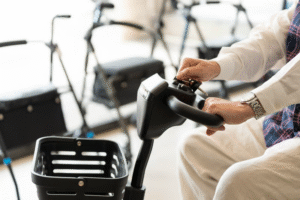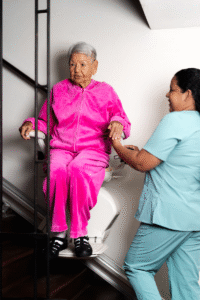
Home care equipment includes mobility aids, bathroom safety products, respiratory equipment, accessibility solutions, and other devices that can help people live more safely and independently at home. The right choice depends on the person’s mobility, health needs, home environment, and level of caregiver support.
A walker may provide support when moving around the house, a shower chair can make bathing more manageable, and a properly fitted wheelchair can help someone maintain mobility and independence. Choosing the right equipment takes more than finding a product that seems suitable. Strength, medical needs, home layout, caregiver support, and the ability to use the equipment safely should all be considered.
At MacPherson’s Medical Supply, we help individuals and families find practical solutions for mobility, respiratory care, accessibility, and daily living. As a family-owned medical supply company serving the Rio Grande Valley for over 80 years, we understand that home care equipment should support everyday life while helping people remain safe, comfortable, and independent.
What Home Care Equipment Is and Who May Need It
Home care equipment includes products designed to help people move safely, complete daily activities, manage certain medical needs, or maintain independence at home. Some products are simple daily-living aids, while others are considered durable medical equipment (DME) and may require a prescription, professional fitting, or insurance documentation.
People may need this equipment temporarily while recovering from surgery or an injury. Others may use it long term because of reduced mobility, arthritis, breathing difficulties, neuromuscular conditions, spinal cord injuries, or age-related changes.
Caregivers can also benefit from the right equipment. Products designed for bathing, transfers, positioning, and mobility can make daily routines easier to manage and reduce unnecessary physical strain.
A good place to start is by identifying the task that has become difficult. Is getting out of bed painful? Is walking to the bathroom becoming unsafe? Are stairs difficult to manage? Does a caregiver need help with transfers?
Once the problem is clear, a physician, therapist, discharge planner, or knowledgeable medical supply provider can help determine which type of equipment may be appropriate.
Types of Home Care Equipment for Safety, Mobility, and Daily Living
Home care equipment ranges from basic walking aids to custom-configured mobility systems. Understanding the main categories can make it easier to identify products that match a person’s daily needs.
Mobility, Transfer, and Fall-Prevention Equipment
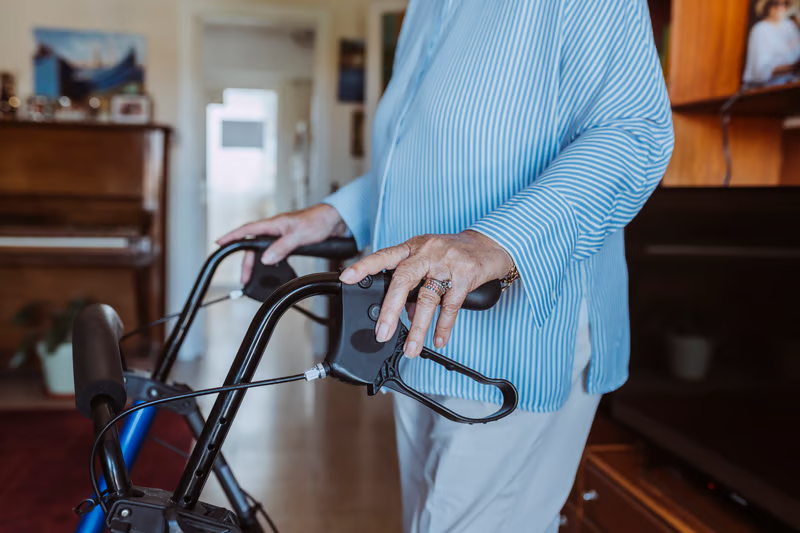
Mobility equipment includes canes, crutches, walkers, rollators, manual wheelchairs, power wheelchairs, scooters, and gait trainers. The right option depends on factors such as balance, strength, endurance, posture, and where the equipment will be used
Transfer equipment helps people move between beds, chairs, wheelchairs, and toilets. Patient lifts, ceiling lifts, transfer boards, lift chairs, and adjustable hospital beds may make these movements easier for both the user and caregiver. Proper setup and instruction are important, especially with patient lifts and other transfer devices. Caregivers should understand how to operate the equipment safely before using it regularly.
Some homes may also need accessibility improvements. Depending on the space and the person’s mobility, options may include grab bars, modular ramps, wider doorways, stairlifts, platform lifts, automated doors, and other modifications. Vehicle wheelchair lifts and carriers can also make transportation more manageable. These changes may also support fall-prevention efforts by reducing common hazards in the home.
MacPherson’s provides home and vehicle accessibility solutions for people who need additional support moving around their homes or traveling outside them.
Bathroom, Bedroom, and Daily-Living Aids
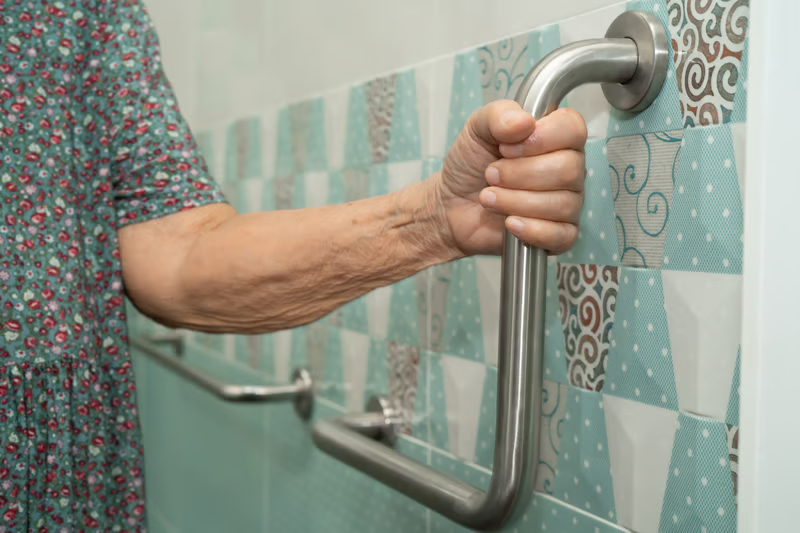
Bathrooms can be challenging for people with limited mobility or balance. Wet floors, small spaces, and frequent transfers can increase the risk of slips and falls.
Depending on the user’s needs, bathroom home care equipment may include shower chairs, bath lifts, raised toilet seats, bedside commodes, grab bars, safety rails, and bathing aids. More extensive accessibility changes may include roll-in showers or modifications that make an existing bathing area easier to enter and exit.
Bedroom equipment can also make daily care more manageable. Adjustable beds may help with positioning and transfers, while pressure-management surfaces, overbed tables, bed rails, and ceiling lifts can provide additional support when appropriate.
Daily-living aids include smaller products that help with routine activities. These may include reachers, dressing aids, personal care products, diabetic footwear, compression hosiery, custom orthotics, and orthopedic braces.
MacPherson’s also provides custom insoles and bracing solutions for people who need additional support, pressure distribution, alignment, or comfort.
Respiratory Equipment for Home Use
Home care equipment may also include respiratory products for people who need breathing or sleep therapy at home.
Depending on medical needs, these products may include oxygen concentrators, portable oxygen concentrators, nebulizer supplies, fingertip pulse oximeters, CPAP machines, and related supplies. Respiratory equipment should be selected and used with appropriate medical guidance. Users and caregivers should understand how to set up, clean, maintain, and safely operate the equipment.
MacPherson’s provides oxygen services and has a licensed respiratory therapist on staff who can assist with equipment instruction and more complex respiratory needs. Explore our respiratory equipment and services if you need help with oxygen or sleep therapy products for home use.
How to Choose the Right Home Care Equipment
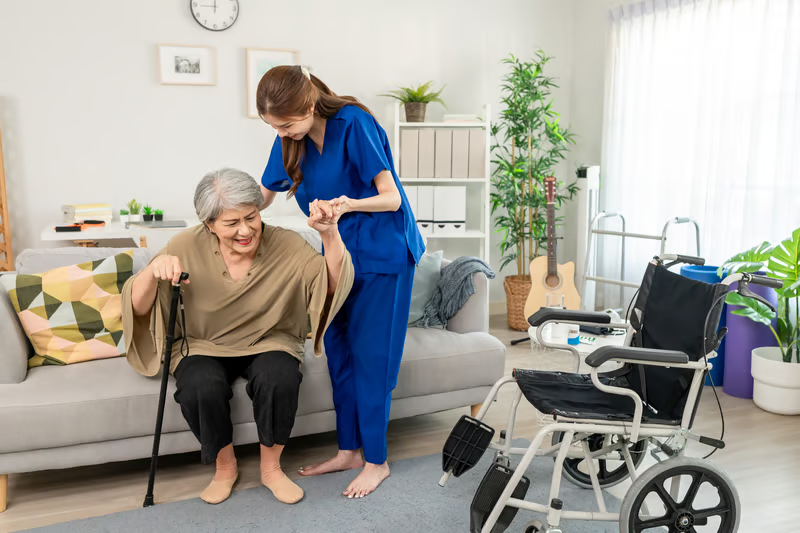
Choosing home care equipment starts with understanding what the person needs help with. Basic products may be easier to choose, while more complex equipment often requires professional assessment and accurate measurements. A physician, therapist, respiratory therapist, or ATP can help determine what may work best, especially for oxygen equipment, patient lifts, custom seating, and power mobility devices.
The home environment is also important. Consider doorway widths, hallways, turning space, stairs, bathroom clearance, and storage. Wheelchairs and seating systems may also require careful measurements for fit, posture, and comfort. Before selecting medical equipment for home use, consider these practical questions:
Before selecting equipment, consider a few practical questions:
- Can the person use the equipment safely and comfortably?
- Will a caregiver need instruction or training?
- Will the equipment fit through doors and around furniture?
- Is the weight capacity appropriate for the user?
- Can it be stored, transported, or charged easily?
- Who will provide repairs, replacement parts, or future adjustments?
Cost and insurance should also be considered. Batteries, cushions, supplies, maintenance, and future adjustments can add to the total expense, while some equipment may require a prescription, documentation, prior authorization, or rental period.
Having a local medical supply provider can make the process easier, especially when equipment needs fitting, instruction, repairs, or adjustments. MacPherson’s Medical Supply can help families explore available products and services based on their individual needs.
Safe Setup, Cleaning, and Maintenance
Home care equipment needs proper setup, cleaning, and regular maintenance to stay safe and dependable. Before use, follow the manufacturer’s instructions and check important parts such as brakes, rails, straps, batteries, electrical connections, and oxygen tubing. Keep walking areas clear, remove or secure loose rugs, and make sure frequently used spaces are well lit.
Cleaning needs vary by product. Hard surfaces may be cleaned with mild soap and water or an approved disinfectant, while electronics, cushions, filters, CPAP components, and other respiratory equipment may require special care. Oxygen equipment should always be kept away from smoking, open flames, heat sources, and flammable materials. MacPherson’s licensed respiratory therapist can also provide guidance on proper use and care of sleep and oxygen therapy equipment.
Mobility and transfer equipment should be inspected regularly for worn tires, walker tips, brakes, fasteners, cables, batteries, or other damage. Stop using equipment that feels unstable or is not working properly until it can be inspected.
MacPherson’s technicians can help with wheelchair and mobility equipment repairs, including battery replacement, parts, modifications, and general maintenance. Regular care and timely repairs can help equipment continue working safely and reliably.
Conclusion

Choosing home care equipment is easier when you focus on three things: the person using it, the task they need help with, and the space where the equipment will be used. The right product should fit comfortably, function properly in the home, and be manageable for both the user and caregiver.
Whether you are preparing for recovery after surgery, helping a family member remain independent, managing respiratory needs, or making a home more accessible, professional guidance can help you choose equipment with greater confidence.
MacPherson’s Medical Supply has served families throughout the Rio Grande Valley for over 80 years. Our team can help you explore home care equipment for mobility, accessibility, respiratory care, and everyday living based on your specific needs.
Visit MacPherson’s Medical Supply at 2325 S 77 Sunshine Strip, Ste. B, Harlingen, Texas 78550. We’re open Monday through Friday from 8:00 AM to 5:00 PM. For questions, email admin@macmedsupply.com or call 956-412-9100.
Home Care Equipment FAQs
What Home Care Equipment Is Best for Mobility and Safety?
Common options include canes, walkers, wheelchairs, scooters, patient lifts, grab bars, ramps, and stairlifts. The best option depends on the person’s mobility, balance, strength, home environment, and level of assistance.
How Do I Choose the Right Home Care Equipment for My Needs?
Start by identifying the activity that has become difficult or unsafe. Consider the person’s physical abilities, home layout, equipment measurements, caregiver support, maintenance needs, and any medical requirements. More complex equipment may require guidance from a physician, therapist, ATP, or another qualified professional.
What Home Accessibility Solutions Does MacPherson’s Medical Supply Offer?
MacPherson’s provides accessibility solutions that may include modular home ramps, stairlifts, grab bars, roll-in showers, bath lifts, ceiling lifts, doorway modifications, automated doors, and vehicle accessibility equipment. The right solution depends on the home layout and the individual’s mobility needs.
Can Respiratory Equipment Be Used Safely at Home?
Many respiratory products are designed for home use when they are medically appropriate and used according to professional and manufacturer instructions. MacPherson’s provides oxygen services and has a licensed respiratory therapist who can assist with equipment instruction and respiratory care needs.
Why Is Regular Home Care Equipment Maintenance Important?
Regular maintenance helps home care equipment remain safe and dependable. Checking brakes, tires, batteries, fasteners, electrical components, and moving parts can identify problems before they affect daily use. Equipment that is damaged, unstable, or not working correctly should be inspected or repaired before it is used again.