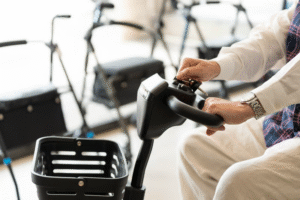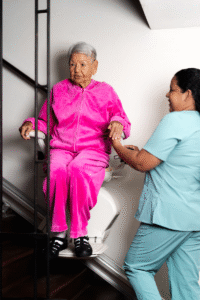
Mobility equipment should do more than help someone move from one place to another. It should also support posture, comfort, safety, daily activities, and independence.
Complex rehab equipment is designed for children and adults whose mobility or positioning needs cannot be met safely with standard equipment. These systems may include individually configured wheelchairs, specialized seating, alternative controls, and other adaptive components.
MacPherson’s Medical Supply helps individuals and families seeking complex rehab equipment in Harlingen explore mobility solutions, coordinate equipment needs, and access fitting and technical support. As a family-owned medical supply company, MacPherson’s has served the Rio Grande Valley for more than 80 years.
This guide explains what complex rehabilitation technology includes, who may benefit from it, and what patients and caregivers can expect when choosing a mobility system.
What Qualifies As Complex Rehab Equipment?

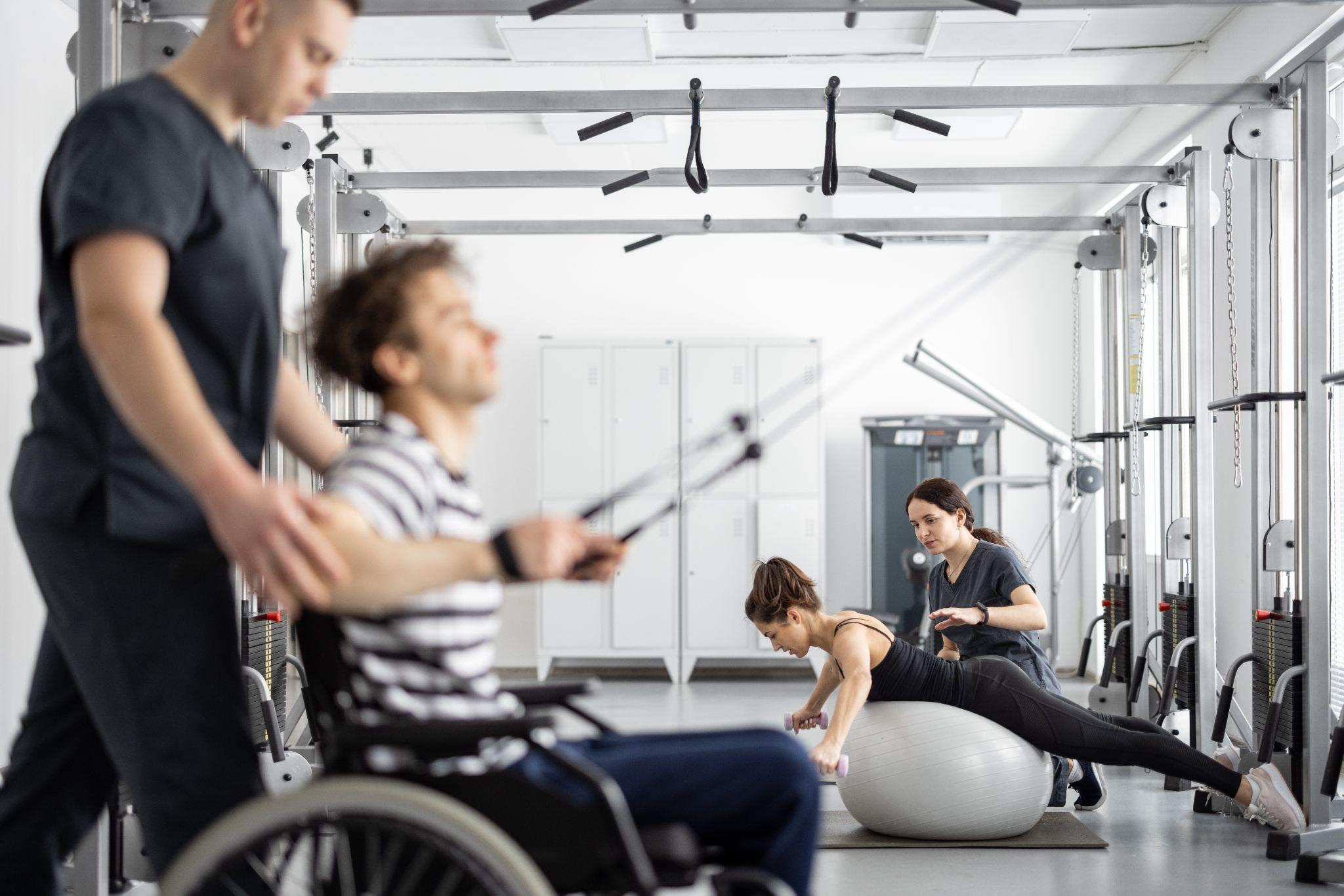
Complex rehabilitation technology, often called CRT, includes medically necessary mobility and positioning equipment configured for an individual user. Standard durable medical equipment may meet general or temporary mobility needs, while CRT addresses more specific physical, functional, or postural needs.
Complex rehab equipment may include:
- Individually configured manual or power wheelchairs
- Custom seating and positioning components
- Pressure-relieving cushions and specialized back supports
- Power tilt, recline, or elevating leg supports
- Alternative drive controls and programmable electronics
- Standing devices, gait trainers, and positioning accessories
Alternative controls may allow someone to operate a power wheelchair without a standard hand-controlled joystick. The purpose is not simply to provide more advanced equipment, but to configure a system around the user’s body, environment, medical needs, and daily activities.
Who May Benefit From Complex Rehab Technology?
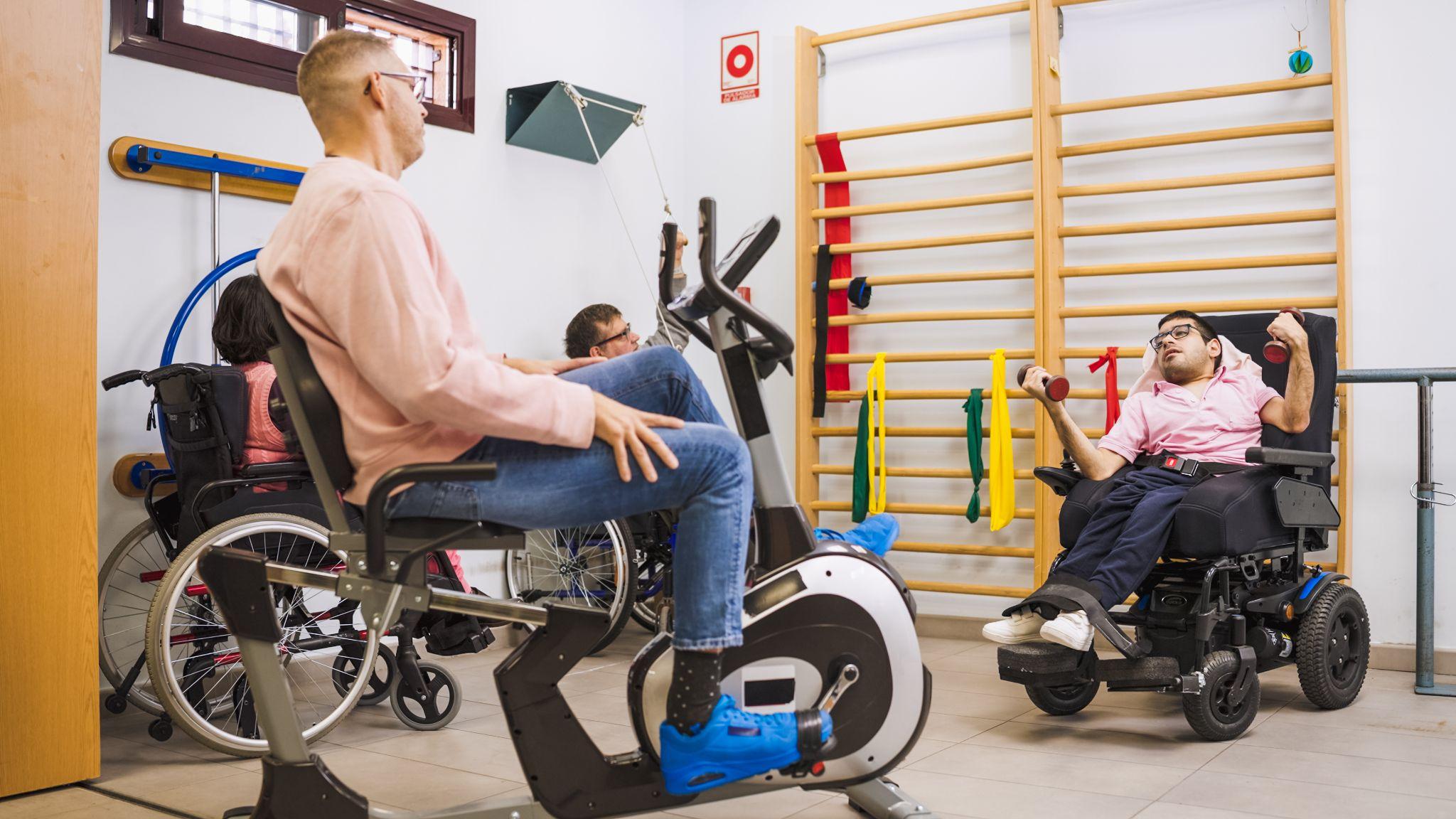
Complex rehab technology may be considered when standard equipment cannot safely or adequately meet a person’s mobility and positioning needs. This may include people living with cerebral palsy, spina bifida, muscular dystrophy, multiple sclerosis, ALS, spinal cord injuries, traumatic brain injuries, stroke, amputations, or other conditions affecting movement or posture.
A diagnosis alone does not determine whether CRT is appropriate. An evaluation may consider strength, balance, muscle tone, skin protection, range of motion, transfers, communication, and daily activities. The person’s home, school, workplace, transportation, and caregiver support may also affect the recommendation.
The goal is to create a mobility system that supports the person’s current needs while allowing room for future adjustments. A thorough evaluation can help determine whether complex rehab technology is appropriate and which seating, mobility, control, or positioning features may provide the greatest benefit.
How the Complex Rehab Evaluation Process Works
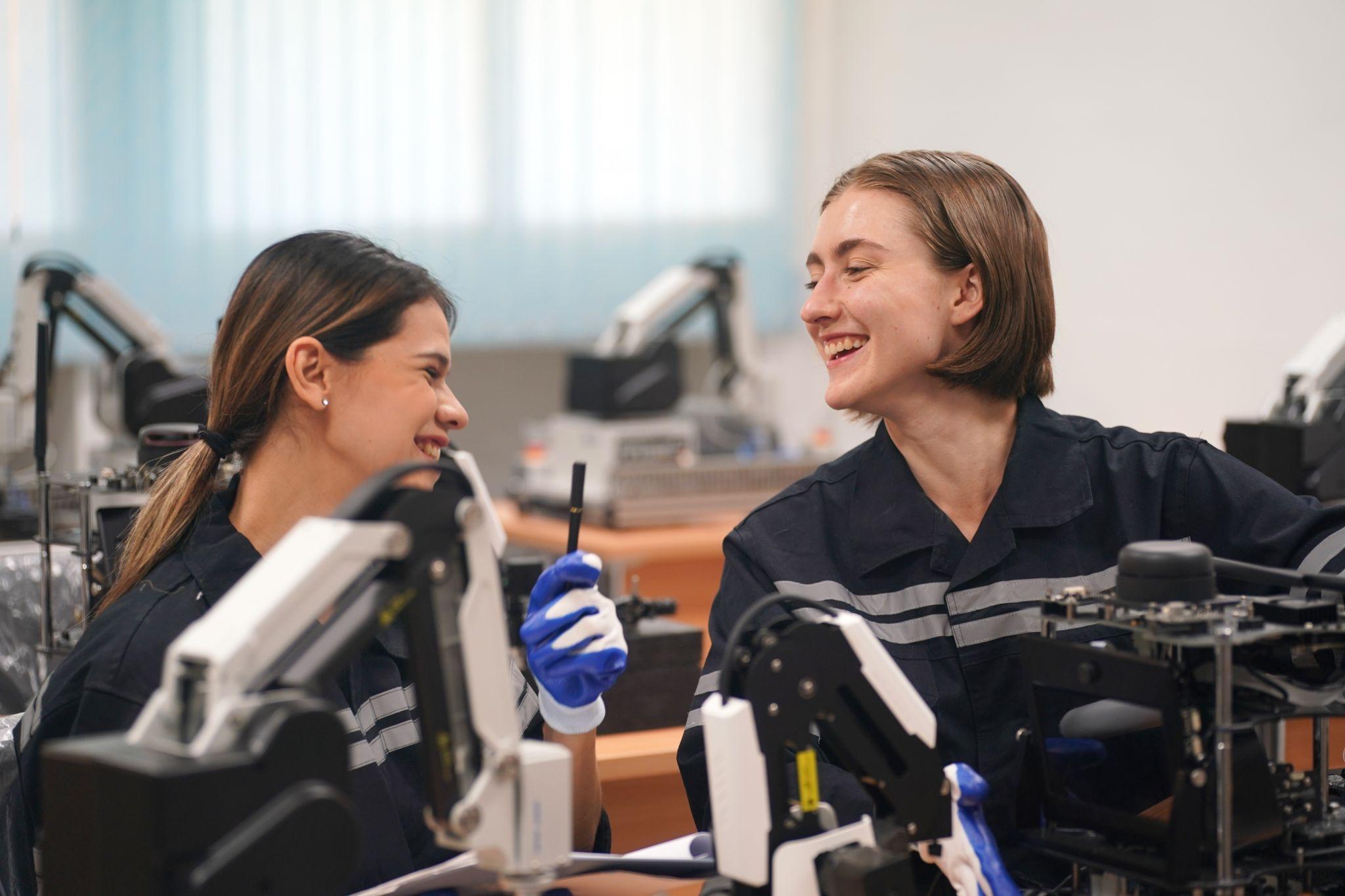
Choosing complex rehab equipment is a collaborative process that may involve the user, caregivers, physician, therapist, Assistive Technology Professional, equipment supplier, and insurance provider. An Assistive Technology Professional, or ATP, has specialized knowledge of mobility and assistive equipment.
The process begins by reviewing the user’s needs and goals. The care team may assess posture, balance, transfers, pressure risk, range of motion, physical measurements, and daily activities. Door widths, flooring, ramps, transportation, storage, and charging space may also be considered to determine how the equipment will work in everyday settings.
When appropriate, equipment trials allow the user to compare mobility bases, controls, cushions, or seating functions. After the system is selected, the required documentation is prepared for the funding process. Delivery may be followed by fitting, programming, adjustments, and training for the user or caregiver. MacPherson’s on-site ATP helps match equipment features to identified medical, physical, and functional needs.
Preparing for an Equipment Discussion
Patients and caregivers can prepare by gathering available insurance information, physician referrals, clinical evaluations, and details about current equipment. It may also help to list any mobility, positioning, comfort, or skin concerns.
Photos or measurements of important spaces at home may be useful when doorways, ramps, flooring, storage, or charging space could affect equipment use. Required documents vary by equipment and funding source, so the provider can explain what applies to the individual situation.
Understanding Insurance and Documentation

Medicare, Medicaid, or private insurance may cover complex rehab equipment when medical-necessity and coverage requirements are met. Documentation may include a physician’s order, clinical evaluation, mobility limitations, functional goals, equipment specifications, and an explanation of why less complex equipment will not meet the user’s needs.
Prior authorization, deductibles, coinsurance, exclusions, network requirements, and replacement rules may apply. MacPherson’s can help coordinate supplier-related paperwork, but the insurance plan makes the final coverage and authorization decisions. Families should verify benefits, expected costs, and repair requirements before ordering..
Choosing a Complex Rehab Provider in Harlingen
Complex rehab equipment may need fitting, programming, adjustments, maintenance, and repairs after delivery. When comparing providers, consider:
- Whether an ATP participates in the equipment process
- Who handles assembly, programming, fitting, and training
- How adjustments, maintenance, and repairs are managed
- Whether the user’s environment and routine are considered
- Who to contact when the equipment develops a problem
MacPherson’s Medical Supply offers adult and pediatric mobility equipment, custom seating systems, standing devices, gait trainers, and other adaptive solutions. Its technicians also service many manual and power wheelchairs and assist with programming, modifications, battery replacement, parts, maintenance, and repairs. Home and vehicle accessibility solutions are also available when the surrounding environment affects mobility.
We also provide durable medical equipment such as beds, wheelchairs, canes, commodes, basins, custom orthotics and bracing, oxygen services, and CPAP machines and supplies. A licensed respiratory therapist is on staff to assist with sleep therapy and more complex respiratory needs.
You can explore our full range of services or learn more about MacPherson’s Medical Supply and our history serving the Rio Grande Valley for over 80 years.
Conclusion
The right complex rehab system begins with the user’s physical needs, environment, daily routine, and personal goals. A personalized evaluation, accurate fitting, proper training, and ongoing technical support can help users get more from their equipment as their needs change.
If you’re looking for complex rehab equipment in Harlingen, contact MacPherson’s Medical Supply to discuss your needs, evaluation options, and local support.
Visit MacPherson’s Medical Supply at 2325 S 77 Sunshine Strip, Ste. B, Harlingen, Texas 78550. We’re open Monday through Friday from 8:00 AM to 5:00 PM.
For questions, email admin@macmedsupply.com or call 956-412-9100.
What is considered complex rehab equipment?
Complex rehab equipment is medically necessary mobility and positioning equipment configured for an individual user. It may include custom wheelchairs, specialized seating, power-positioning features, and alternative controls.
How is complex rehab equipment different from a standard wheelchair?
Standard wheelchairs serve broader mobility needs. Complex rehab equipment is individually configured when standard equipment cannot adequately address the user’s mobility, posture, positioning, or functional needs.
What happens during a complex rehab equipment evaluation?
The evaluation may consider the user’s goals, physical abilities, posture, measurements, daily activities, and environment. Equipment trials may also be used to compare suitable features.
Does insurance cover complex rehab equipment?
Medicare, Medicaid, and private insurance may provide coverage when their requirements are met. Benefits, authorization rules, and out-of-pocket costs vary by plan.
Where can I find complex rehab equipment in Harlingen?
MacPherson’s Medical Supply provides complex rehab equipment and technical support from its Harlingen location. Contact the team to discuss individual needs and the next steps.