Introduction
If you’re searching for a Full Face CPAP Mask, comfort and a secure fit matter most. At MacPherson’s Medical Supply, we’ve supported CPAP users across the Rio Grande Valley for over 80 years with trusted local service, licensed respiratory therapists, and durable medical equipment that helps you sleep easier. Learn more about our story at MacPherson’s Medical Supply.
In this guide, you’ll learn how to choose the right full face CPAP mask, adjust for a comfortable seal, and care for your equipment, so it lasts. Whether you’re new to CPAP therapy or upgrading your setup, we’ll help you find what works best for you right here in South Texas.
What Is A Full Face CPAP Mask?
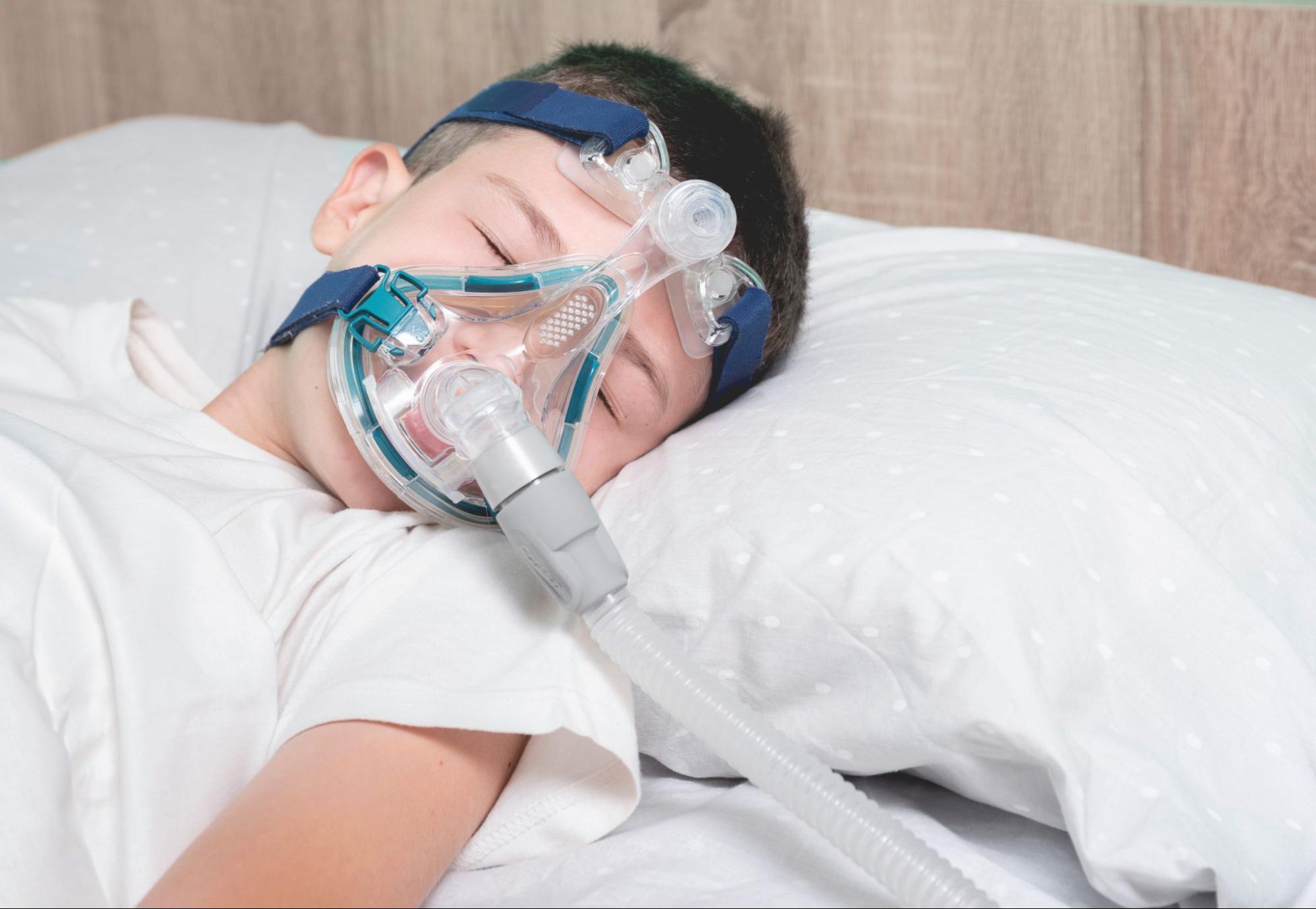
A full face CPAP mask covers both your nose and mouth and connects to your CPAP machine to deliver pressurized air and help keep your airway open while you sleep. This type of mask is especially helpful when you breathe through your mouth, experience congestion or nasal issues, or require higher pressure settings for effective therapy.
Because it covers both your nose and mouth, this mask is more versatile. It works better when nasal masks don’t seal well and lets you breathe through your mouth without using extra equipment.
How It Differs From Nasal and Pillow Masks
Most nasal masks cover the nose only. They are lighter and less noticeable but may not work well if you breathe through your mouth. Pillow masks rest at the nostrils and are very minimal, offering an open field of view and flexibility.
A full face CPAP mask is larger but offers advantages when you need support for mouth breathing, higher pressures, or when nasal congestion is a problem.
For a broader overview of mask types, you can review resources by the American Academy of Sleep Medicine.
Who Typically Benefits Most
A full face CPAP mask is often the right choice for:
- If you breathe through your mouth while sleeping or wake with a dry mouth.
- If you deal with seasonal allergies, nasal congestion, or chronic nasal issues.
- If your CPAP pressure settings are high and you’ve had trouble maintaining a good seal.
- If you’ve had leakage or sore throat using a nasal-only mask.
If you’re unsure which mask type fits you best, our team and licensed respiratory therapists on staff can help you review options here in the Rio Grande Valley. Learn more about our full range of services and see how we can help you find the right fit.
Pros And Cons Compared With Other Mask Types
Choosing the right mask is about trade-offs. Here’s how full face models stack up.
Advantages
- A full face CPAP mask handles mouth breathing without a separate chin strap.
- It accommodates higher pressure settings with a stable seal.
- It’s usable during allergy flares or when nasal passages are blocked.
- It can reduce dry mouth for many users by covering both nose and mouth at once.
Potential Drawbacks
This style tends to be bulkier which can feel claustrophobic for some users. If the size or adjustment is off the mask may press more heavily on the nose bridge. Because the surface area is larger more care is needed to maintain a seal especially if you have facial hair.
If you’re concerned about feeling enclosed you might start with a lower-profile full face design or an under-the-nose cushion and build confidence gradually.
Getting The Right Fit And Seal
A mask that fits well feels secure but gentle. The difference between comfortable use and nightly frustration often comes down to small sizing tweaks and a calm fitting routine.
How to Measure and Choose Size
Sit upright and relax your face. Measure from the bridge of your nose down to just below your lower lip. Match that measurement to the manufacturer’s sizing guide. If you fall between sizes we usually recommend trying the smaller cushion first—this often gives a tighter seal without over-tightening.
Step-By-Step Fitting For A Leak-Free Seal
Place the cushion lightly over your nose and mouth while you’re lying in your usual sleep position. Turn your CPAP machine on at your prescribed pressure. Start with the straps loose and then tighten each side evenly, a little at a time. Smile, talk, and tilt your head while the machine is on, these movements help you catch micro-leaks early. Then check while in your typical sleep position: side, back or stomach.
Common Leak Sources And Quick Fixes
If the mask is too large or too small try the next cushion size. If the straps are over-tightened loosen slightly, the goal is for pressure to inflate the cushion, not for the straps to do all the work. Facial hair can interfere with the seal so use a mask liner or consider a foam cushion style. If you leak around the nose bridge add a nasal gel pad or switch to an under-the-nose full face design.
We invite you to visit our store to see our full selection of durable medical equipment and have our staff walk you through fit and comfort tips. see all medical supply services
Key Features And Buying Considerations
The best full face CPAP mask is the one you’ll wear every night because it is comfortable and reliable. Let’s look at what matters most when choosing.
Cushion Materials, Frame Design, And Forehead Support
Silicone cushions are durable and easy to clean and remain a solid all-around choice. Memory foam cushions offer extra softness and can reduce pressure marks. Gel cushions provide gentle contact for sensitive skin. Frame design also matters, minimalist frames improve field of view and sturdier frames add stability. Older designs often used a forehead support bar, many modern masks skip it for comfort and better visibility.
Headgear Styles, Magnetic Clips, And Safety Notes
Adjustable headgear with split straps spreads pressure evenly across your head. Magnetic clips can make on/off easier especially if you get up at night frequently. Safety note: masks with magnets may interfere with certain implants such as pacemakers, check and consult with your clinician.
Exhalation Vents, Noise, And Tube Connection Options
Look for masks with “quiet” diffused vents which reduce sound and avoid directing airflow toward your bed-partner. Swivel tube connectors help side sleepers move freely without tugging. Some designs use a top-of-head hose connector which keeps tubing out of your sight and is great for active sleepers.
Price, Insurance Coverage, And Prescription Requirements
Full face CPAP masks generally range in cost depending on brand, features and materials. Most insurers will cover replacement cushions and masks on a set schedule if you have a prescription. At our store we can check your benefits, manage re-supplies and coordinate with your physician so you don’t run out of essentials. Visit our local store to try cushions and headgear combos side-by-side. browse medical supplies.
Comfort, Troubleshooting, And Sleep Position Tips
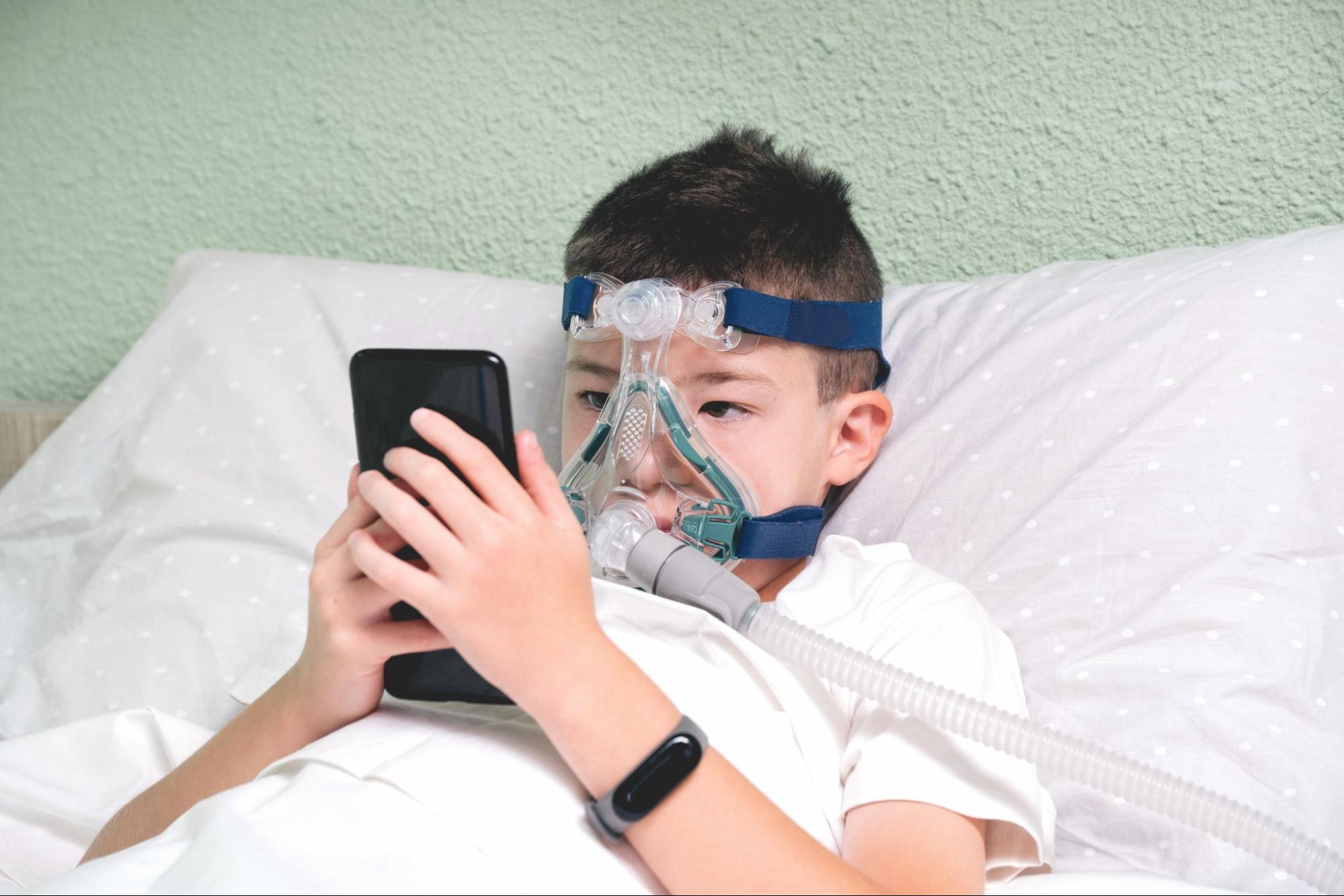
Comfort isn’t a luxury, it’s the key to consistent CPAP use. Let’s cover how to adjust for sleep position and other common challenges.
Side, Back, And Stomach Sleeping Adjustments
If you sleep on your side, consider a lower-profile mask or a pillow designed with a CPAP cut-out and use a swivel connection to avoid tugging. If you sleep on your back, elevate your head and shoulders slightly to reduce jaw drop and leaks. If you sleep on your stomach consider a top-of-head hose and the smallest stable cushion that still seals.
Managing Dry Mouth, Claustrophobia, And Facial Hair
If dry mouth is an issue add heated humidification. If you still leak you might consider a chin strap. For claustrophobia build up mask wear time during the day while reading or watching TV—start with brief sessions and increase gradually. For facial hair trim where possible use mask liners and consider foam cushions which may conform better.
Handling Mouth Breathing, Aerophagia, And Skin Irritation
Because a full face CPAP mask covers nose and mouth it often resolves mouth breathing. If it doesn’t you may need to review pressure settings with a respiratory therapist. Aerophagia (swallowing air) may signal that your pressure or ramp settings need review. For skin irritation rotate cushion types clean daily and consider hypoallergenic liners. For broader sleep-apnea care read more at trusted medical resource pages.
Cleaning, Maintenance, And Replacement
A well-maintained mask seals better and lasts longer. Let’s walk through best practices.
Daily And Weekly Cleaning Routines
- Daily: Wipe cushion surfaces with mild soap and warm water: air-dry away from sun.
- Weekly: Disassemble mask, soak silicone parts in warm soapy water, rinse well, and air-dry. Wash headgear by hand and lay flat to dry.
- Avoid harsh cleaners and scented wipes, they can break down materials and irritate skin.
The AASM offers practical tips on mask care and compliance.
Replacement Schedule And Signs It’s Time To Swap Parts
Replace the cushion every 1 to 3 months or sooner if it feels oily, looks torn or starts whistling/leaking. Replace headgear every 6 months when you notice reduced elasticity, or you’re tightening more to seal. Replace the full mask every 3 to 6 months depending on wear. Also replace tubing and filters as recommended by your CPAP guideline.
Conclusion

Choosing and using the right full face CPAP mask can make sleep easier, restore your energy and support your long-term health. As a family-owned medical supply company serving the Rio Grande Valley for over 80 years we are your local source for durable medical equipment and respiratory care you can trust.
You can learn more about our story our story at MacPherson’s Medical Supply and explore our full range of services durable medical equipment and more
If you’re ready to find the right durable medical equipment or respiratory supplies, visit our local store, check out our full range of services, or learn more about our story. We’re proud to serve the Rio Grande Valley with trusted care.
Visit MacPherson’s Medical Supply at 2325 S 77 Sunshine Strip, Ste. B, Harlingen, Texas 78550. We’re open Monday through Friday from 8:00 AM to 5:00 PM. For questions, email us at admin@macmedsupply.com or call 956-412-9100.
Frequently Asked Questions
What is a full face CPAP mask and who benefits most?
A full face CPAP mask covers your nose and mouth to deliver pressurized air from your CPAP machine. It is ideal if you mouth-breathe, have allergies or nasal congestion, or need higher pressure settings. It can also help if you’ve had leaks, dry mouth, or sore throat using nasal-only masks.
How do I get a proper fit and stop leaks with a full face CPAP mask?
Fit the cushion while lying in your usual sleep position, turn on therapy and tighten straps evenly in small increments. Let pressure inflate the cushion and don’t over-tighten. Smile talk and tilt your head to catch micro-leaks. Try different cushion sizes, use liners for facial hair or add a gel pad for bridge leaks.
Are magnetic mask clips safe if I have an implant or pacemaker?
Many full face CPAP masks use magnetic clips for easy on/off. Magnets may interfere with some implanted devices (e.g., pacemakers). Review the FDA safety communication and your mask’s instructions, and consult your clinician before choosing magnets. If needed, select a non-magnetic headgear option to avoid potential interference.
How often should I replace full face CPAP mask parts?
Replace the cushion every 1 to 3 months or sooner if it’s oily torn whistling or leaking. Replace headgear approximately every 6 months when elasticity fades. Replace the full mask every 3 to 6 months depending on wear. Also follow your CPAP machine’s guidelines for tubing and filters. Most insurers cover replacements on a set schedule with a prescription.
Can I travel or fly with my full face CPAP mask and CPAP machine?
Yes. CPAP machines are generally considered medical devices and allowed as an extra carry-on. Pack your full face mask in a clean pouch, carry a copy of your prescription and use a universal adapter if needed abroad. At security place the machine in a separate bin and consider a dust cover for cleanliness.
Can I wear a full face CPAP mask with glasses or while watching TV?
Yes, look for lower-profile frames or under-the-nose full face designs that keep the bridge area clear. A top-of-head hose and swivel connector reduce tugging so you can move freely. Quiet diffused exhalation ports also improve comfort while reading or watching TV before bed without excessive noise or airflow toward your face.