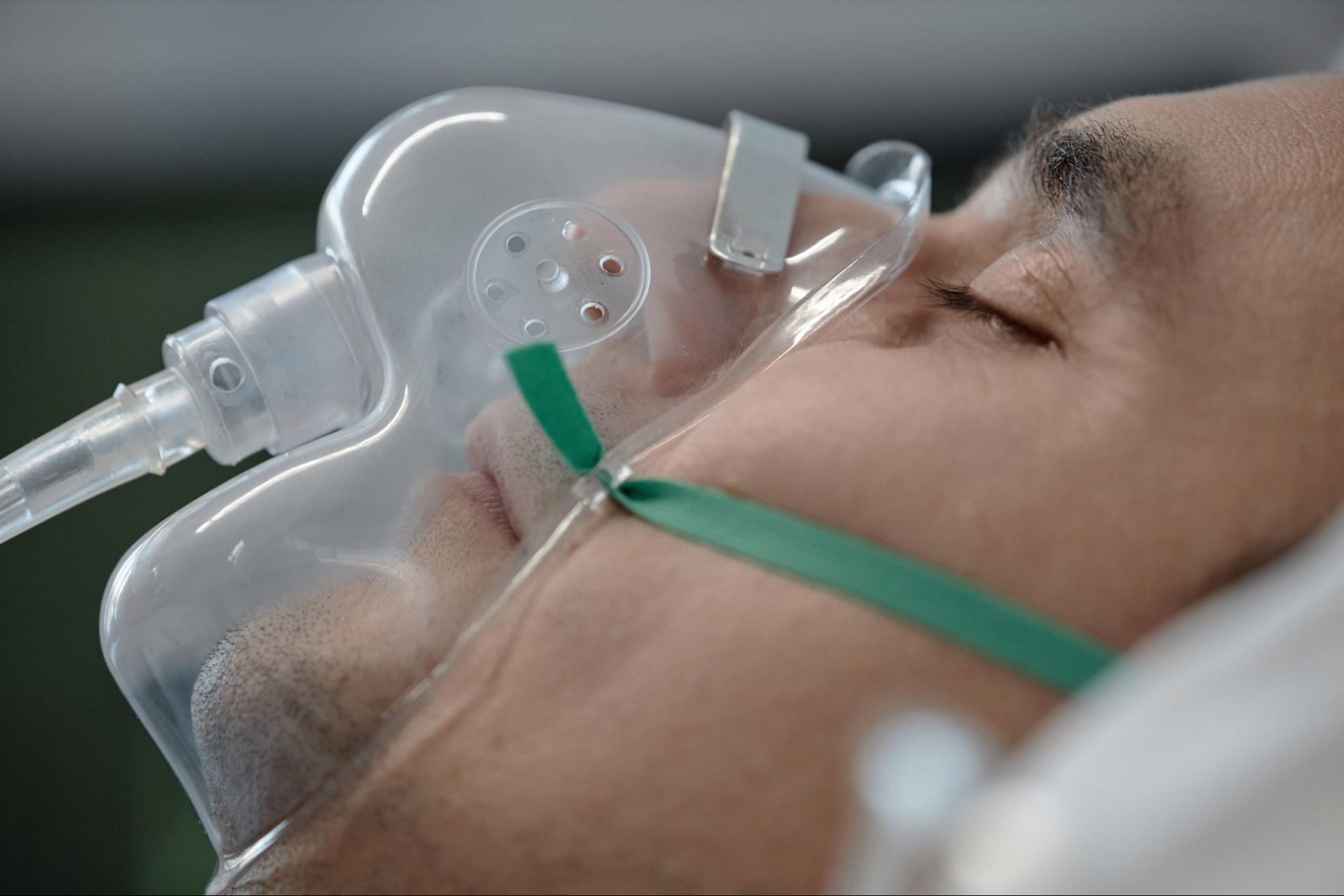
If you’ve been prescribed a nasal CPAP mask, you’re not alone, and you’re in good hands. At MacPherson’s Medical Supply, we’ve helped neighbors across the Rio Grande Valley find comfortable, effective sleep therapy for decades. In this guide, we’ll explain what a nasal CPAP mask is, who it suits best, and how to choose, fit, and care for it, so you can finally sleep through the night with confidence.
What a Nasal CPAP Mask Is and How It Compares
A nasal CPAP mask covers your nose and delivers gentle, pressurized air to keep your airway open while you sleep. It’s one of the most common types of CPAP masks and works well for many side or back sleepers. Compared with full-face masks, it’s lighter and often quieter, giving you a clear line of sight if you like reading or watching TV in bed.
A full-face mask covers both the nose and mouth, which helps if you tend to breathe through your mouth or have frequent nasal congestion. Nasal pillow masks, on the other hand, rest just at the nostrils for a minimal feel but may not suit higher air pressures.
In our experience fitting CPAP machines across South Texas, nasal masks strike a great balance of comfort, seal, and visibility. Studies also show that patients who receive care through an AASM-accredited sleep center are more likely to stay consistent with CPAP therapy, proof that the right support makes a real difference.
Who Should Use a Nasal Mask

A nasal CPAP mask works best if you breathe mainly through your nose, prefer a lighter feel, and want an open view for glasses or reading. If you’re a regular mouth breather, have chronic congestion, or sleep mostly on your stomach, a full-face or hybrid mask might be a better fit. Our licensed respiratory therapist can help you test different mask options and pressure settings to find your ideal setup.
How To Choose The Right Nasal CPAP Mask
Choosing a nasal CPAP mask is personal. At MacPherson’s, we consider your sleep position, facial structure, and pressure needs to find what works for you. The right fit should feel snug but never tight. We always size while you’re lying down at your therapy pressure because your facial shape-shifts slightly in that position.
Fit And Sizing Essentials
A proper seal should feel snug, not tight. Most masks come in multiple cushion sizes. We size while you’re lying down at therapy pressure, because your face changes shape slightly in that position. A good fit minimizes leaks, red marks, and morning soreness.
Cushion, Frame, and Headgear Features
The cushion material makes a big difference in comfort. Soft silicone is the most common choice, though some people prefer gel or memory foam for a gentler touch. Lightweight frames reduce pressure on the bridge of your nose and cheeks, while adjustable headgear keeps a secure seal without over-tightening. For convenience, magnetic or quick-release clips make nighttime bathroom breaks easier and faster.
Comfort and Lifestyle Considerations
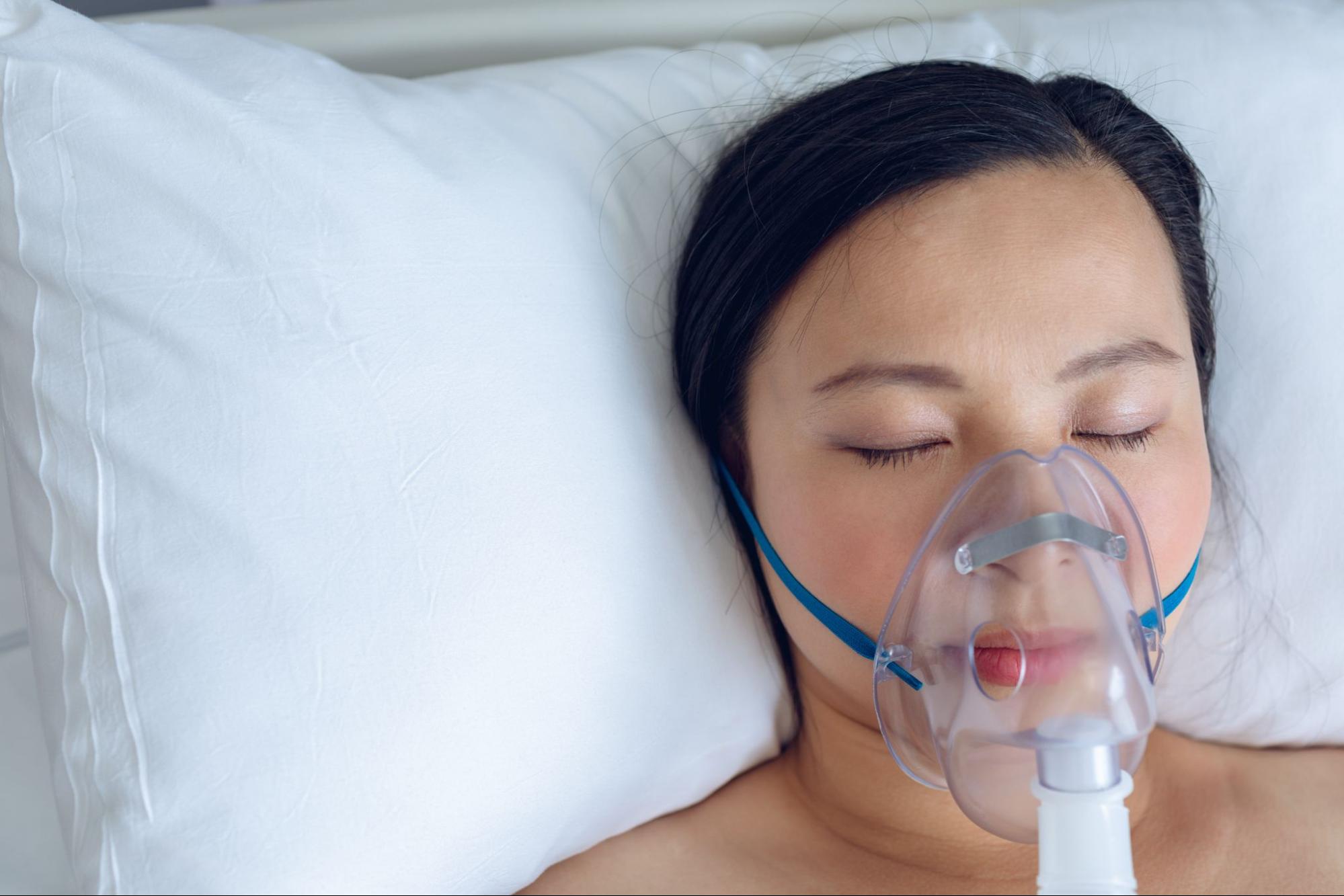
If you read, wear glasses, or watch TV in bed, a low-profile frame will help you stay comfortable. If you have sensitive skin, we can recommend hypoallergenic cushions or fabric wraps that feel soft against your face. Light sleepers may prefer masks with quiet diffuser vents, while those using higher pressures often do better with a slightly larger nasal cushion for a stronger seal.
When you’re ready to see options and get measured, you can browse medical supplies or visit our local store. To learn more about everything we offer, explore our full range of services for respiratory care, oxygen services, and other durable medical equipment.
Getting the Fit Right
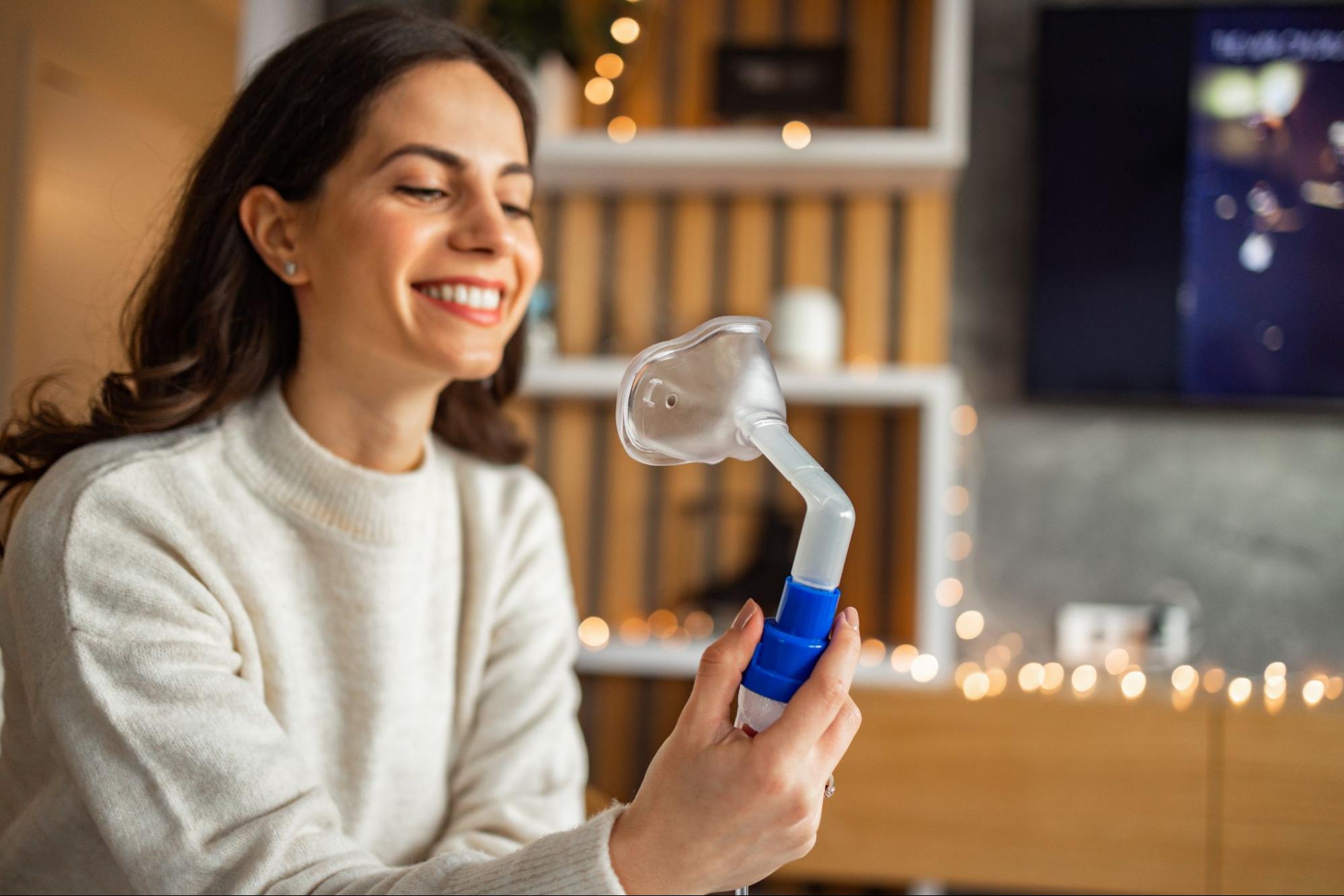
A proper fit makes all the difference. Start by using the manufacturer’s sizing guide. Hold the mask gently against your face, attach the headgear evenly, and lie in your normal sleep position while the air pressure runs. Adjust gently if you notice leaks around your cheeks or eyes. Often, small repositioning works better than tightening straps.
If you experience mouth leaks, try using a chin strap or increasing humidification to prevent dryness. Persistent leaks may mean it’s time to try a different mask type.
Fine-Tuning for Comfort
We’ll work with your sleep provider to set your ideal pressure and humidity levels. The ramp feature can start your pressure low as you fall asleep, and heated humidifiers help reduce dryness, especially in our Rio Grande Valley climate.
Cleaning and Replacement Tips
Clean your mask cushion daily with mild soap and warm water, and wash the frame and headgear weekly. Replace cushions every one to three months, headgear every six months, and the full mask about once a year. Fresh filters each month keep your therapy clean and effective.
For official guidance on cleaning and safe CPAP use at home, see the FDA’s home CPAP therapy resource.
Travel and Maintenance Tips
For travel, choose a compact mask and pack an extra cushion. Bring travel wipes for quick cleaning, and store a copy of your prescription in your bag. A universal adapter helps keep your CPAP powered anywhere you go.
For additional background on sleep apnea and mask options, check the Sleep Foundation resources.
Insurance and Cost Coverage
Most insurance plans cover replacement cushions every few months and full masks once or twice a year. We’ll help you handle the paperwork so you can focus on better sleep. Out-of-pocket costs vary by brand, but our team can match you to durable, dependable equipment that fits your needs and budget.
To explore all we offer beyond CPAP therapy, from oxygen services to equipment repair, see our full range of services.
Conclusion

Starting CPAP therapy can seem like a big change, but with the right nasal CPAP mask, expert fitting, and local support, restful nights are within reach. At MacPherson’s Medical Supply, we’re proud to pair friendly care with reliable DME solutions for South Texas families. Whether you need oxygen services, CPAP refits, or everyday medical supplies like wheelchairs, canes, and beds, we’re here to help.
If you’re ready to find the right durable medical equipment or respiratory supplies, visit our local store, explore our full range of services, or learn more about our story at MacPherson’s Medical Supply. We’re proud to serve the Rio Grande Valley with trusted care.
Visit MacPherson’s Medical Supply at 2325 S 77 Sunshine Strip, Ste. B, Harlingen, Texas 78550. We’re open Monday through Friday from 8:00 AM to 5:00 PM. For questions, email us at admin@macmedsupply.com or call 956-412-9100.
Frequently Asked Questions
What is a nasal CPAP mask, and how does it compare to full-face and nasal pillow masks?
A nasal CPAP mask covers only your nose to deliver gentle airflow while you sleep. Compared with a full-face mask, it’s lighter and lets you see freely. Nasal pillow masks touch only the nostrils and feel minimal but can be less stable at higher pressures.
Who is a nasal CPAP mask best for?
A nasal CPAP mask suits people who primarily breathe through the nose, want lighter gear, and like reading or watching TV in bed. If you’re a regular mouth breather or have chronic congestion, try humidification, a chin strap, or consider a full-face mask for a better seal.
How do I fit a nasal CPAP mask to prevent leaks and discomfort?
Size the cushion using the manufacturer’s guide, place the mask gently on your nose, then tighten headgear evenly. Turn on your CPAP, lie in your normal sleep position, and make tiny adjustments. Avoid over-tightening, it often worsens leaks. Check for leaks around eyes, cheeks, and the nose bridge, and adjust ramp/humidity as needed.
How often should I clean and replace parts of my nasal CPAP mask?
Wash the cushion daily with mild soap and warm water; clean frame, headgear, and short tube weekly. Typical replacement: cushions every 1–3 months, headgear every 6 months, mask/frame every 6–12 months, and filters monthly (disposable) or per manufacturer guidance (reusable) to maintain hygiene and seal quality.
Can I use a nasal CPAP mask if I have a beard or sensitive skin?
Yes. Trim or comb facial hair where the cushion contacts skin, and consider silicone gel or memory-foam cushions for a gentle seal. Use hypoallergenic materials or fabric wraps if you have sensitive skin. Clean daily to reduce irritation, and adjust strap tension evenly to avoid pressure points and leaks.
How long does it take to get used to a nasal CPAP mask, and what helps adaptation?
Most users adjust within 1–2 weeks. Use a ramp to start at a lower pressure, add heated humidification to reduce dryness, and wear the nasal CPAP mask while relaxing before bed to acclimate. Address mouth leaks with a chin strap if needed, and review fit at therapy pressure in your usual sleep position.