Figuring out which medical supplies your insurance will actually pay for is confusing. Policy language is dense, plan types vary widely, and most people don’t know what they’re entitled to. MacPherson’s Medical Supply has spent over 80 years helping families in the Rio Grande Valley sort through their options and get the durable medical equipment they need. Here’s what you should know:
Which Medical Supplies Does Insurance Typically Cover?
Most health insurance plans, including Medicare, Medicaid, and many private insurers, cover durable medical equipment (DME). The category includes more items than most people realize.
To qualify as DME under Medicare’s guidelines, an item must be durable enough for repeated use, serve a medical purpose, be appropriate for home use, and be prescribed by a physician. That last part matters most. Without a doctor’s order, even essential equipment won’t be covered.
Private insurers generally follow Medicare’s DME definitions, but they set their own approval criteria and coverage limits. Some plans cap annual DME spending at a fixed dollar amount. Others require you to rent equipment for a trial period before they’ll approve a purchase. Aetna, Blue Cross Blue Shield, and UnitedHealthcare each handle DME authorization differently, so read the medical equipment section of your specific policy before assuming anything transfers from one plan to another.
Medicaid coverage varies by state. In Texas, Medicaid covers a wide range of DME for eligible adults and children, but the prior authorization process can be slow. Start the paperwork early, especially if you need equipment after a hospital discharge. We’ve seen families wait weeks because they filed late.
Common Covered Medical Supplies
Here are some of the most frequently covered items:
- Hospital beds for home use
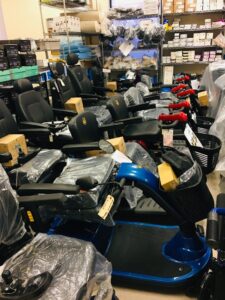
- Wheelchairs and power mobility devices
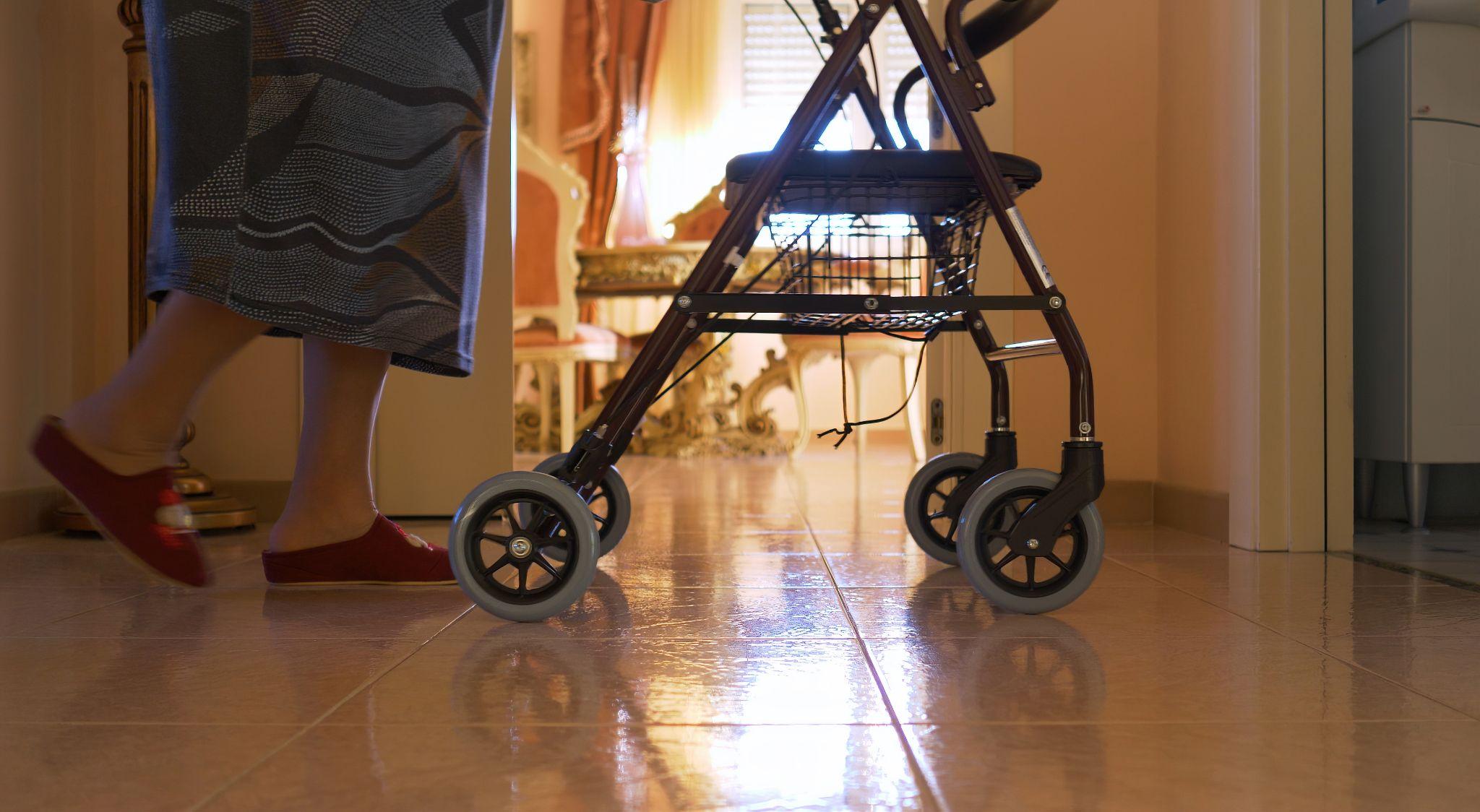
- Walkers and rollators
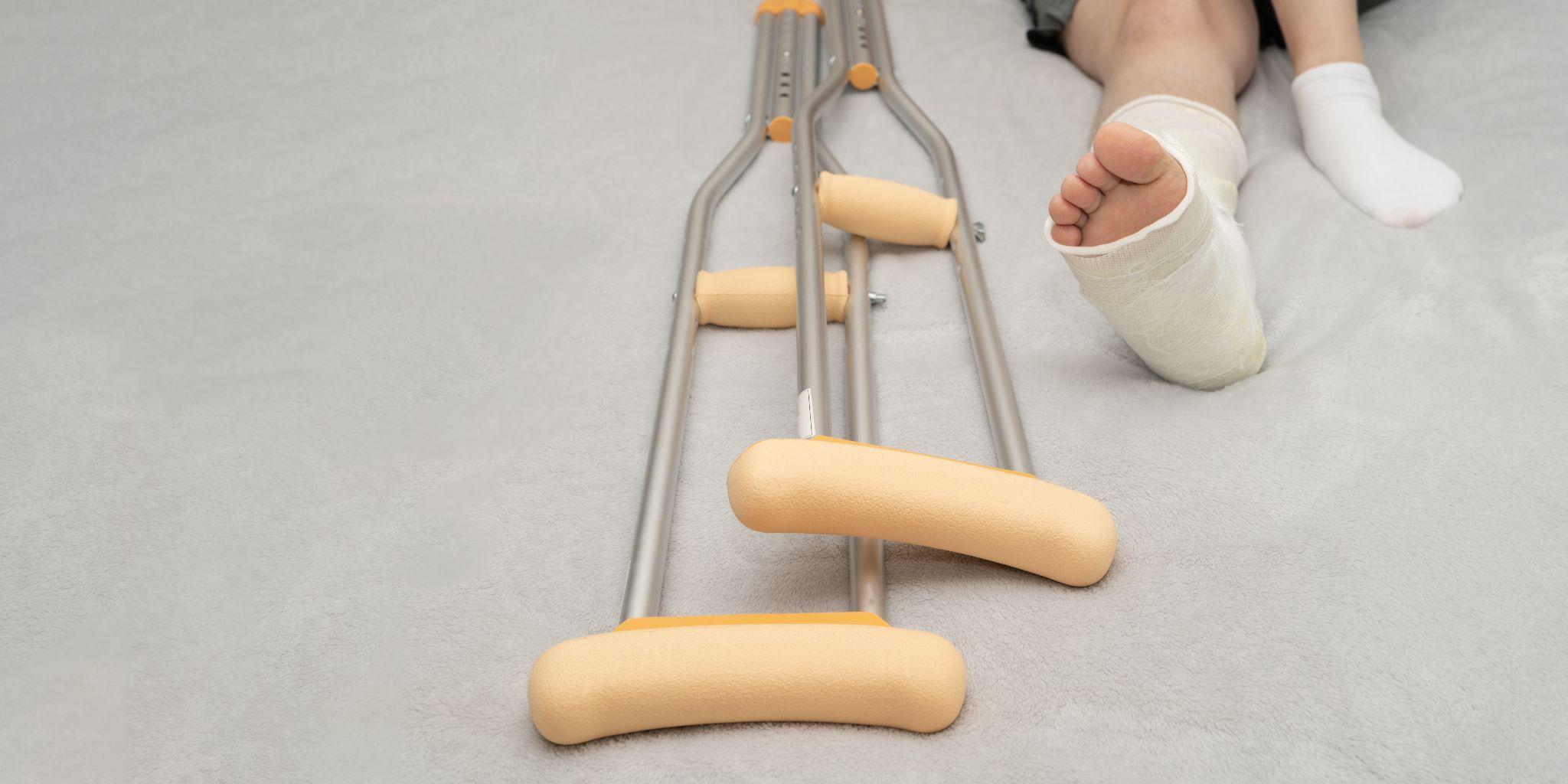
- Canes and crutches
- CPAP machines and supplies for sleep apnea
- Oxygen concentrators and portable oxygen equipment
- Nebulizers and respiratory supplies
- Diabetic shoes and insoles
- Orthopedic bracing
Some plans also cover complex rehabilitation technology: custom seating systems and individually configured power wheelchairs for people with cerebral palsy, multiple sclerosis, or spinal cord injuries.
Coverage for disposable medical supplies like catheter kits, wound care dressings, and ostomy products depends heavily on your plan type. Medicare Part B covers many of these when a doctor documents medical necessity. Private plans are less predictable. We recommend calling your insurer with the specific product’s HCPCS code (the billing code Medicare and insurers use to classify medical items) before ordering. That one phone call can tell you exactly what you’ll owe.
What’s Usually Not Covered?
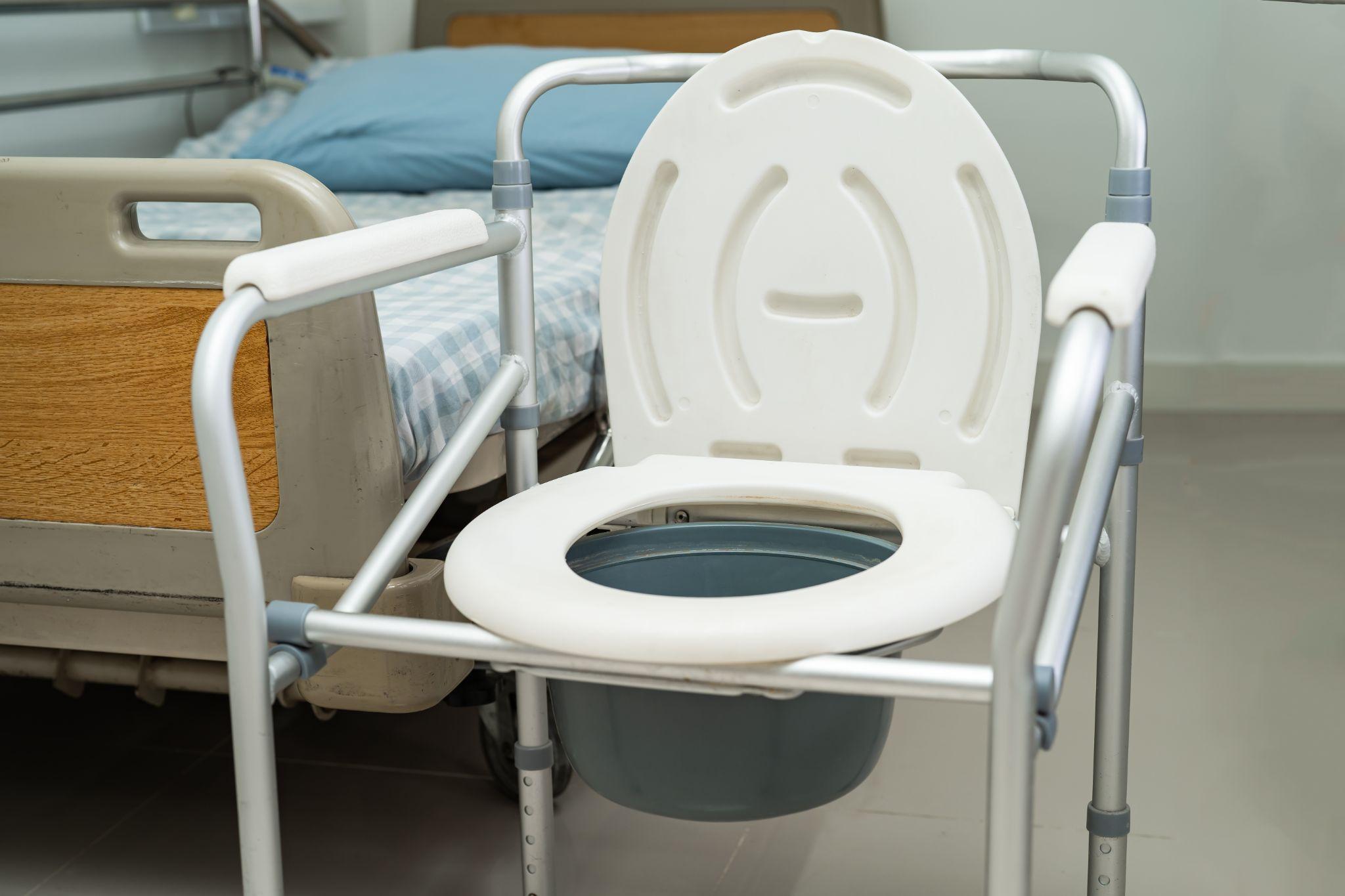
Insurance typically won’t pay for items considered “convenience” rather than medical necessity. Raised toilet seats purchased without a prescription, and general comfort items often fall outside coverage. Rules vary by plan, so check yours.
We see this often at MacPherson’s Medical Supply: families assume an item isn’t covered when it actually is. A quick conversation with our team or your insurance provider can save you hundreds of dollars. We’re happy to help you browse medical supplies and figure out what your plan includes.
How To Qualify For Covered Medical Supplies
Getting approved for covered medical supplies isn’t complicated, but there are steps you can’t skip.
Step 1: Get a Prescription From Your Doctor
Your physician needs to document that the equipment is medically necessary. That means more than writing a prescription. They’ll need to include a diagnosis, explain why the item is needed, and sometimes provide additional clinical notes. For respiratory equipment like CPAP machines, you may need a sleep study on file.
Step 2: Verify Your Insurance Benefits
Before ordering anything, confirm what your specific plan covers. Medicare Part B typically covers 80% of the approved amount for DME after you’ve met your deductible. Medicaid coverage varies by state, and private plans each have their own rules.
This is where working with an experienced supplier matters. As a family-owned medical supply company that’s been doing this for over 80 years, we help patients and caregivers answer insurance questions every day.
Step 3: Work With an Approved DME Supplier
Medicare and most insurance plans require you to get equipment from an enrolled or contracted supplier. Not every store qualifies. MacPherson’s Medical Supply is an approved DME provider in the Rio Grande Valley, and we work directly with insurance companies to handle billing on your behalf.
We also have a licensed respiratory therapist on staff who assists with CPAP setups, oxygen services, and other respiratory needs. That kind of in-house expertise isn’t common. You can see all medical supply services we offer on our website.
Step 4: Keep Your Documentation
Hold onto your prescriptions, insurance correspondence, and receipts. If there’s ever a dispute about coverage or you need to reorder supplies, organized paperwork saves time.
Many covered supplies need periodic reordering. CPAP masks, tubing, filters, and oxygen supplies all have replacement schedules that insurance recognizes. Staying on top of those timelines keeps you from going without equipment you depend on.
Get the Equipment You’re Entitled To
If you’re ready to find the right equipment or respiratory supplies, visit our local store, check out our full range of services, or learn more about our story.
Visit MacPherson’s Medical Supply at 2325 S 77 Sunshine Strip, Ste. B, Harlingen, Texas 78550. We’re open Monday through Friday, 8:00 AM to 5:00 PM. Email us at admin@macmedsupply.com or call 956-412-9100.
What qualifies as a covered medical supply under insurance plans?
Covered medical supplies, or durable medical equipment (DME), must be durable for repeated use, serve a medical purpose, be appropriate for home use, and have a physician’s prescription. Common covered items include wheelchairs, hospital beds, walkers, CPAP machines, and oxygen equipment. MacPherson’s Medical Supply helps families understand what their plans cover.
Do I need a prescription to get my medical supplies covered by insurance?
Yes. Your doctor must document medical necessity, include a diagnosis, and explain why the equipment is needed. For respiratory equipment like CPAP machines, additional clinical documentation such as sleep studies may be required.
How do I get approved for covered medical supplies through my insurance?
Get a physician’s prescription documenting medical necessity. Verify your insurance benefits and coverage percentages. Work with an approved DME supplier like MacPherson’s Medical Supply, who contracts directly with insurance companies. Keep all documentation for future reference and reordering.
What respiratory supplies and equipment does MacPherson’s Medical Supply offer?
MacPherson’s offers oxygen concentrators, portable oxygen equipment, CPAP supplies, nebulization supplies, and breathing therapy products. We have a licensed respiratory therapist on staff to assist with complex respiratory needs, sleep therapy setup, and equipment maintenance.
What is complex rehabilitation technology and who can benefit from it?
Complex rehabilitation technology includes custom seating systems, power wheelchairs, and adaptive equipment for people with cerebral palsy, spinal cord injuries, multiple sclerosis, and traumatic brain injuries. MacPherson’s has an on-site Assistive Technology Professional who helps patients find equipment that maximizes mobility, function, and proper anatomical positioning.