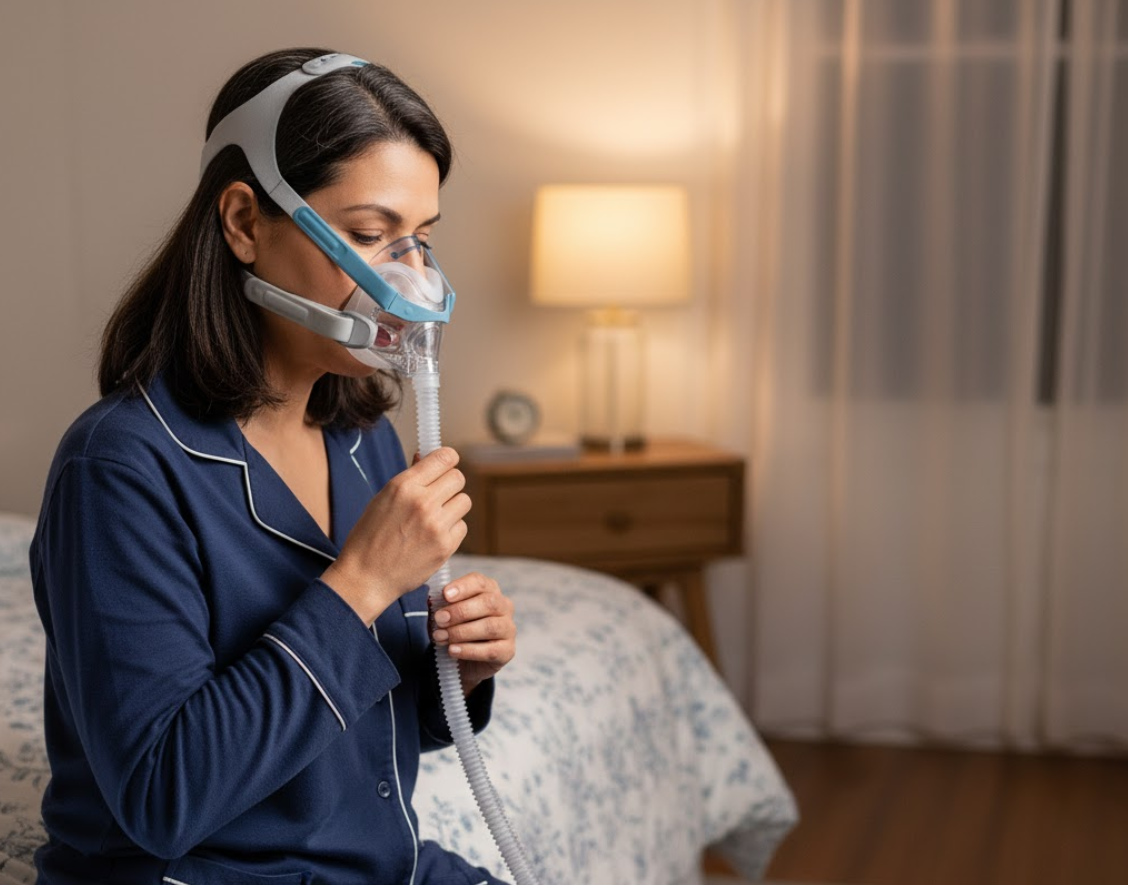
If a CPAP mask doesn’t feel right, sleep therapy can stall. At MacPherson’s Medical Supply, we help you find a CPAP mask that fits comfortably and works reliably, so you can breathe easier and sleep deeper here in the Rio Grande Valley.
What A CPAP Mask Does And How It Works
A CPAP mask delivers continuous positive airway pressure from your CPAP machine to keep your airway open while you sleep. That steady airflow helps prevent the soft tissues in the throat from collapsing, which reduces snoring, stops apneas, and improves oxygen levels.
The mask is one part of your sleep setup, along with the machine, tubing, and often a heated humidifier. When the mask seals well, your prescribed pressure reaches your airway. When it leaks, therapy suffers. That’s why the right style and fit matter just as much as the machine settings.
We stock CPAP machines and CPAP supplies and have a Licensed Respiratory Therapist on staff to help you get comfortable with your equipment. If you’re new to therapy, or you’re ready for a better fit, we’re here to help in Harlingen and across South Texas.
Types Of CPAP Masks And Who They Suit
Nasal Pillows
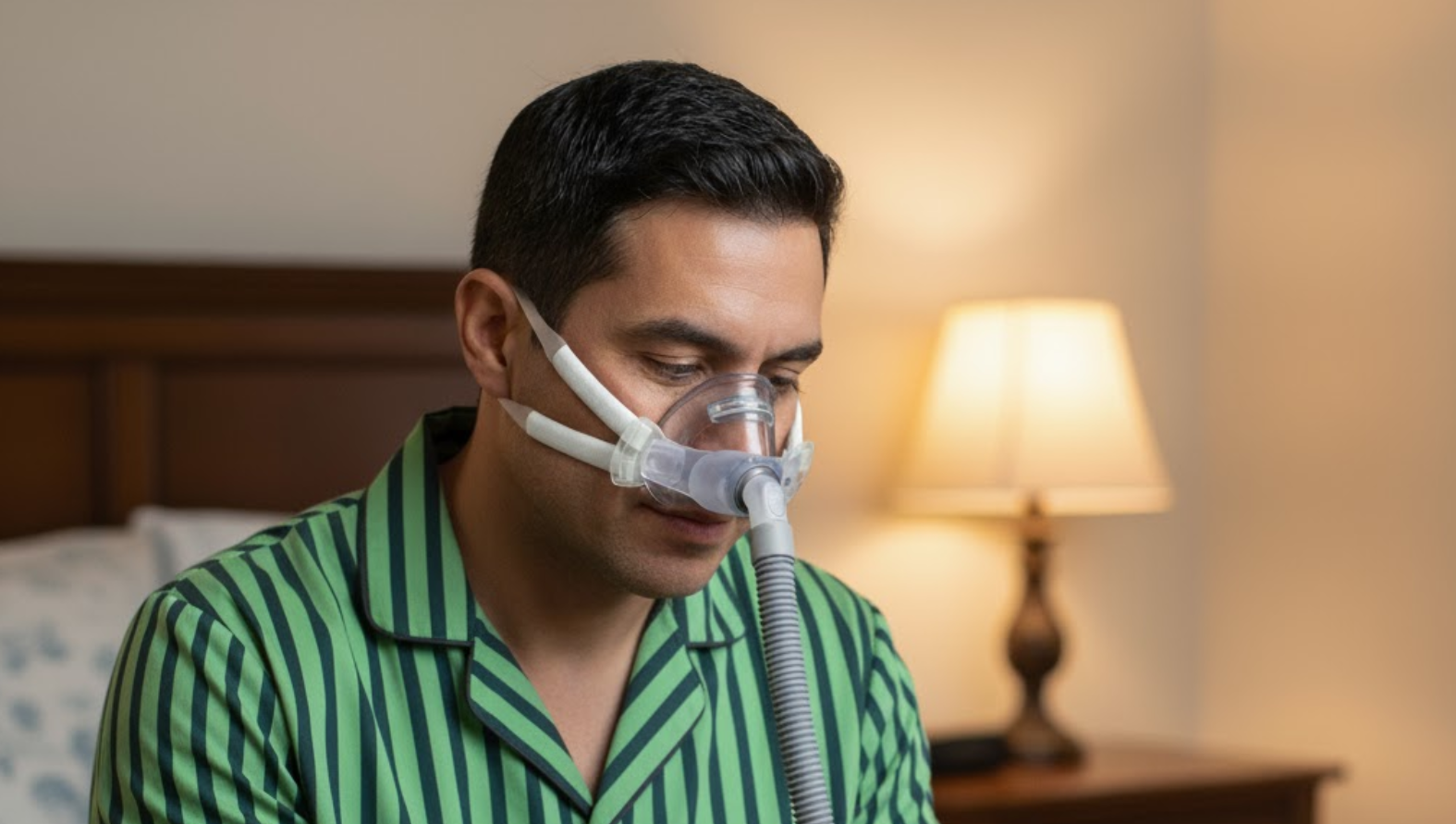
Nasal pillows are the most minimal design. Two soft cushions rest at the nostrils and deliver air directly. They’re great if you want less bulk, wear glasses to read, or have facial hair that can interfere with larger cushions. Active or stomach sleepers often love them.
Best for: Nose breathers, mild to moderate pressure needs, people who feel claustrophobic with larger masks.
Not ideal for: Consistent mouth breathers unless you pair with a chin strap.
Nasal Masks
Nasal masks cover the nose and balance comfort with stability. They come in multiple sizes and seal around the nose bridge and cheeks. The wider cushion can handle a bit more pressure than nasal pillows while staying relatively light.
Best for: Nose breathers, side sleepers, users who want a stable seal with moderate to higher pressures.
Not ideal for: Frequent nasal congestion or severe mouth breathing without additional support.
Full-Face Masks
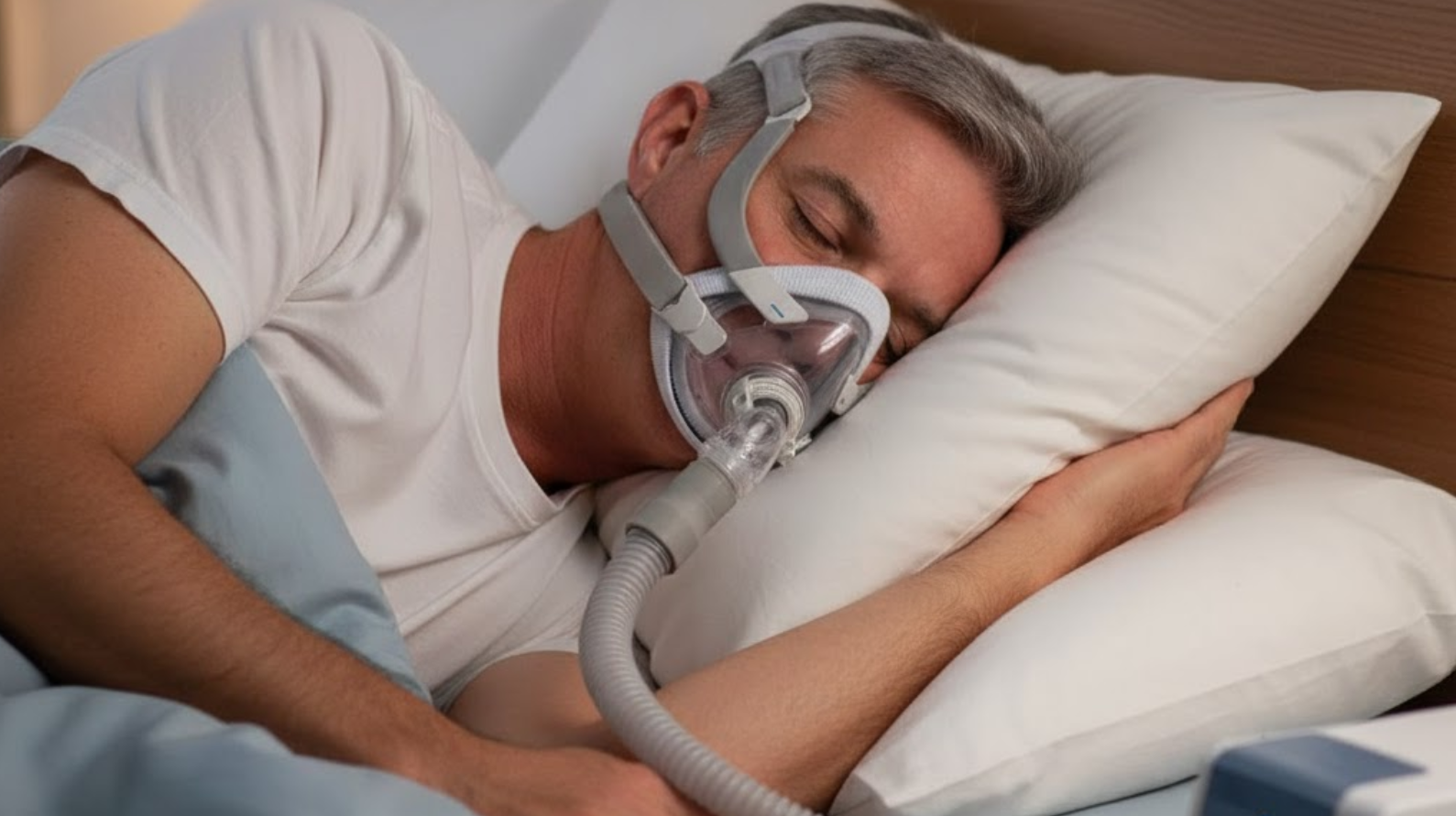
Full-face masks cover the nose and mouth. They’re the go-to for mouth breathers, those with allergies or chronic congestion, and anyone on higher therapy pressures. The trade-off is more surface area and a bit more weight.
Best for: Mouth breathers, high-pressure settings, seasonal allergy sufferers.
Not ideal for: Stomach sleepers, some facial hair patterns that can cause leaks.
Hybrid And Minimal-Contact Designs
Hybrid masks combine under-the-nose cushions with an oral interface, or they use a slim under-nose cradle. They reduce bulk while still supporting mouth breathing for some users. These can be a smart middle-ground if a full-face mask feels too large but nasal-only options don’t work.
How To Choose The Right CPAP Mask

Sleep Position, Breathing Habits, And Pressure Needs
Your sleep position is a big clue. Stomach sleepers and very active sleepers usually do best with nasal pillows or low-profile under-nose designs. Side sleepers often like nasal masks with flexible frames. Back sleepers can wear most styles.
Breathing habits matter too. If you breathe through your mouth at night, a full-face or hybrid mask is usually best. Nose breathers can choose nasal pillows or a nasal mask. Higher therapy pressures often seal better with a nasal or full-face cushion.
Facial Hair, Claustrophobia, and Nasal Congestion
Facial hair can break a seal, especially with full-face masks. Nasal pillows typically bypass that issue. If you feel closed-in, the minimal contact of nasal pillows or under-nose cradles helps a lot. For chronic congestion or allergy seasons here in the Rio Grande Valley, a full-face or hybrid option keeps therapy steady when your nose plugs up.
Sizing, Cushion Materials, And Frame Styles
Masks come in different sizes and cushion materials, silicone, gel, or memory foam. Silicone is lightweight and common: gel can feel plush: memory foam can reduce pressure marks for some users. Frames range from soft fabric to lightweight plastic with magnetic or quick-release clips. A proper size and cushion style will reduce leaks and pressure points. We recommend a hands-on fitting to get it right on day one. You can explore our full list under durable medical equipment and more on our Services page: our full range of services.
Getting The Fit Right And Solving Leaks
Initial Fitting And Seal Check
Fit your mask while lying down, with your CPAP machine running at or near prescribed pressure. Start with the straps loose. Center the cushion, then tighten evenly, just enough to stop leaks. Over-tightening can create new leaks and sore spots.
Do a quick seal test: turn your head side to side, yawn, and take deep breaths. If air rushes toward your eyes or the edges flutter, make small strap adjustments or try a different cushion size.
Managing Leaks And Pressure Points
Common fixes include reseating the cushion, swapping sizes, or adjusting the top straps slightly. If leaks persist into your eyes, a different cushion shape or a mask with a lower nose bridge profile may help. For marks on the cheeks, try memory-foam cushions, comfort sleeves, or a frame with softer fabric. When you’re fighting leaks every night, it’s often a sign to change mask types.
Glasses, Mouth Breathing, And Chin Straps
Need to read or watch TV? Nasal pillows and under-nose cradles keep your field of view open. If you mouth-breathe, a chin strap can reduce jaw drop with nasal masks, but it’s not a perfect fix. Consistent mouth breathing usually calls for a full-face or hybrid mask to protect your therapy results.
Cleaning, Maintenance, And Replacement Timelines
Daily And Weekly Cleaning Routines
Daily: Wipe the cushion with warm water and mild soap to remove oils. Let it air dry out of direct sunlight.
Weekly: Wash the full mask assembly, cushion, frame, and headgear. Check the vent holes and elbow for any buildup. Clean tubing and your humidifier chamber weekly as well. Consistent cleaning keeps the seal reliable and cuts down on skin irritation.
When To Replace Cushions, Headgear, And Frames
Cushions wear out first. If you notice more leaks, a tacky surface, or yellowing, it’s time. Many users replace silicone cushions every 1–2 months. Headgear typically lasts 6 months before it stretches and loses tension. Frames vary by brand, replace as needed or per manufacturer guidance. We can help set a simple replacement schedule so you’re never stuck without a good seal.
Travel And Backup Tips
Always pack a spare cushion or backup mask for trips, humidity and hotel water can be unpredictable. Use a compact travel CPAP if you fly often, and carry your device as medical equipment (it doesn’t count against carry-on limits with most airlines). Store your mask in a clean case, and bring a small bottle of mild soap. If you need last-minute supplies before you go, you can visit our local store to see what’s in stock at our medical supply store.
When To Involve Your Clinician
Persistent Discomfort, Leaks, Or Poor Sleep
If you’re still tired, waking with a dry mouth, or fighting leaks after a week of adjustments, it’s time to loop us in. Our Licensed Respiratory Therapist can evaluate mask fit, humidity settings, and pressure comfort and show you small tweaks that make a big difference.
Pressure, Mask Type Changes, And Data Reviews
Weight changes, allergies, or new medications can shift your therapy needs. If your CPAP data shows frequent leaks or residual events, a different mask style, or a pressure adjustment, may help. We’ll review your download, check your equipment, and coordinate with your provider.
We’re local, so follow-up is simple. Call today to speak with a respiratory therapist or stop by to try new cushions and sizes.
Conclusion
A comfortable CPAP mask is the difference between “I’ll try again tomorrow” and waking up rested. We help you find the right style, size, and cushion so your therapy stays effective every night. And because we’re a family-owned medical supply team serving the Rio Grande Valley for over 80 years, you get friendly guidance, quick answers, and dependable DME support close to home.
Beyond CPAP machines and oxygen services, we also support your daily comfort with beds, wheelchairs, canes, commodes, and basins, plus equipment repair and home and vehicle accessibility solutions. You can read more about our story at MacPherson’s Medical Supply and explore our full range of services.
Call today to find the right equipment for you. Visit our local store to see our full selection. Contact our team to speak with a respiratory therapist. We’re here for all your medical supply needs, serving the Rio Grande Valley with care.
If you’re ready to find the right durable medical equipment or respiratory supplies, visit our local store, check out our full range of services, or learn more about our story. We’re proud to serve the Rio Grande Valley with trusted care.
Visit MacPherson’s Medical Supply at 2325 S 77 Sunshine Strip, Ste. B, Harlingen, Texas 78550. We’re open Monday through Friday from 8:00 AM to 5:00 PM. For questions, email us at admin@macmedsupply.com or call 956-412-9100.