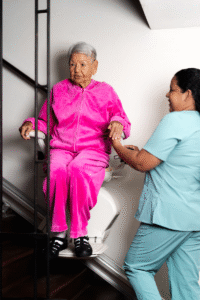
Finding the right medical equipment supplies can feel overwhelming, especially when you’re navigating a new diagnosis, recovering from surgery, or stepping into a caregiving role for the first time. There are dozens of product categories, insurance questions, and supplier options to sort through, and the stakes are personal. This isn’t a gadget purchase. It’s about safety, independence, and quality of life.
At MacPherson’s Medical Supply, we’ve spent over 80 years helping families across the Rio Grande Valley answer these exact questions. We’re a family-owned company rooted right here in Harlingen, Texas, and we’ve seen firsthand how the right piece of durable medical equipment can transform someone’s daily routine. In this guide, we’ll walk you through the types of home medical equipment available, how to choose a trustworthy supplier, what to know about insurance coverage, and practical tips for managing supplies at home.
What Are Medical Equipment Supplies?
Medical equipment supplies is a broad term that covers the devices, tools, and accessories people use to manage health conditions outside of a hospital or clinic. You’ll often hear the industry term durable medical equipment (DME), which refers to items that are reusable, medically necessary, and prescribed by a physician. Think hospital beds, wheelchairs, CPAP machines, oxygen concentrators, and walkers.
But medical equipment supplies go beyond DME. The category also includes consumable items like nebulization supplies, diabetic shoes and insoles, compression hosiery, bathroom safety products, and personal care aids. Essentially, if it helps you recover, manage a condition, or live more comfortably at home, it likely falls under this umbrella.
What surprises many people is the sheer range. We carry everything from canes and crutches to complex rehabilitation technology, custom-configured power wheelchairs with individualized seating systems for people with conditions like cerebral palsy, spinal cord injuries, or ALS. There’s no one-size-fits-all here, which is exactly why working with the right supplier matters.
Common Types of Home Medical Equipment
Home medical equipment falls into a few key categories depending on the need. Here’s a closer look at what most families find themselves shopping for.
Mobility and Daily Living Aids
Mobility equipment is probably the most recognized category of medical supplies. This includes:
- Walkers and rollators, ideal for people who need light support while walking
- Canes and crutches, for temporary or long-term stability
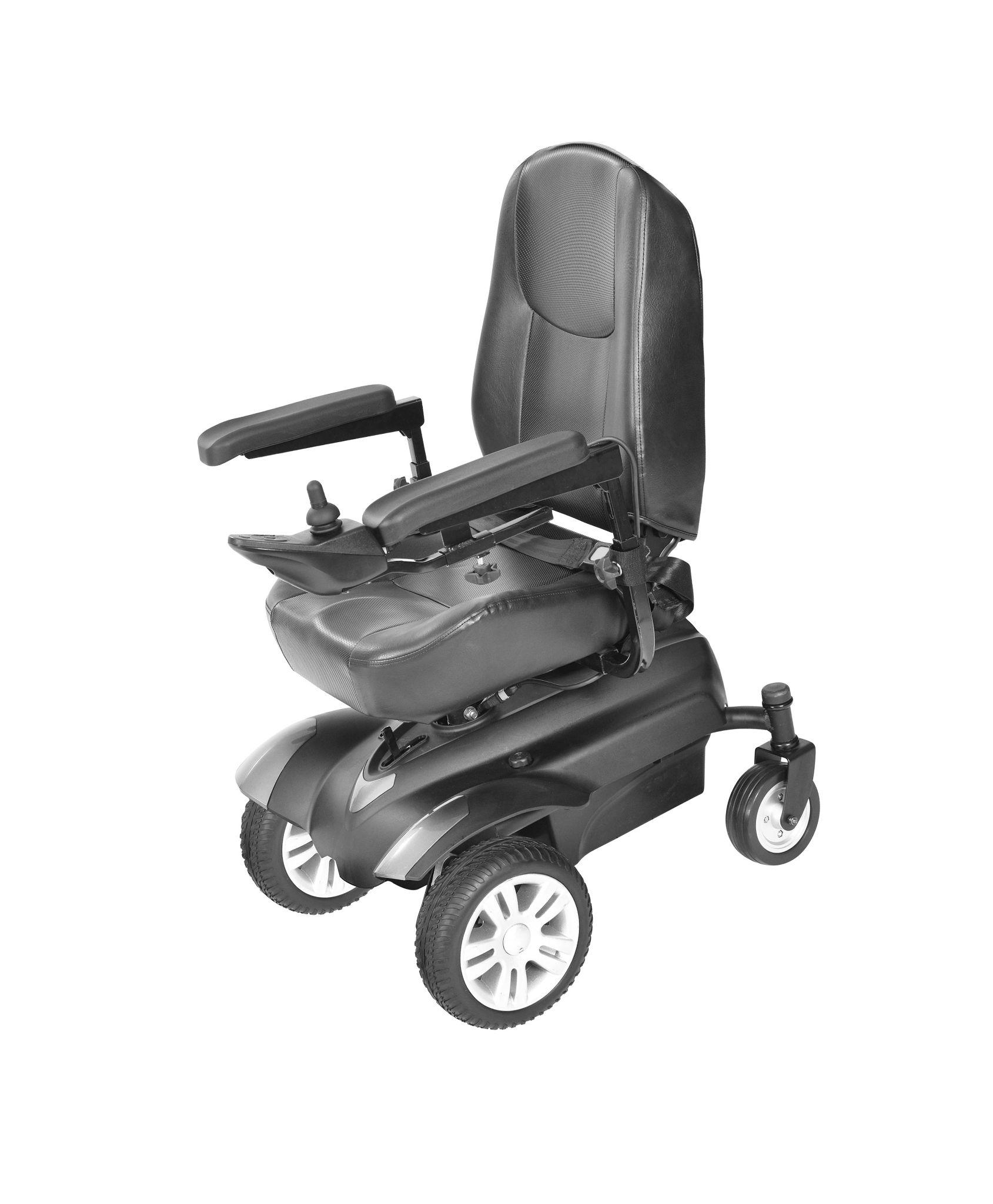
- Manual and power wheelchairs, from standard models to complex rehab configurations
- Power scooters, great for maintaining independence outdoors and in larger spaces
- Lift chairs, designed to help you stand up safely from a seated position
- Hospital beds, adjustable beds that make home recovery far more manageable
Beyond mobility, daily living aids round out this category. Bathroom safety products like grab bars, bath lifts, and roll-in showers reduce fall risk, a serious concern for seniors in South Texas and everywhere else. Commodes, basins, and personal care aids help people maintain dignity and comfort at home.
We also offer home and vehicle accessibility modifications, including ramps, stairlifts, doorway widening, and kitchen adjustments. These aren’t just convenience upgrades, they’re what make it possible for someone to stay in their own home rather than move to a facility.
Respiratory and Monitoring Devices
Respiratory care is a huge piece of the medical supply puzzle, and it’s one of our specialties. Our licensed Respiratory Therapist is on staff to assist with:
- Oxygen concentrators (stationary and portable)
- CPAP machines and supplies for sleep apnea
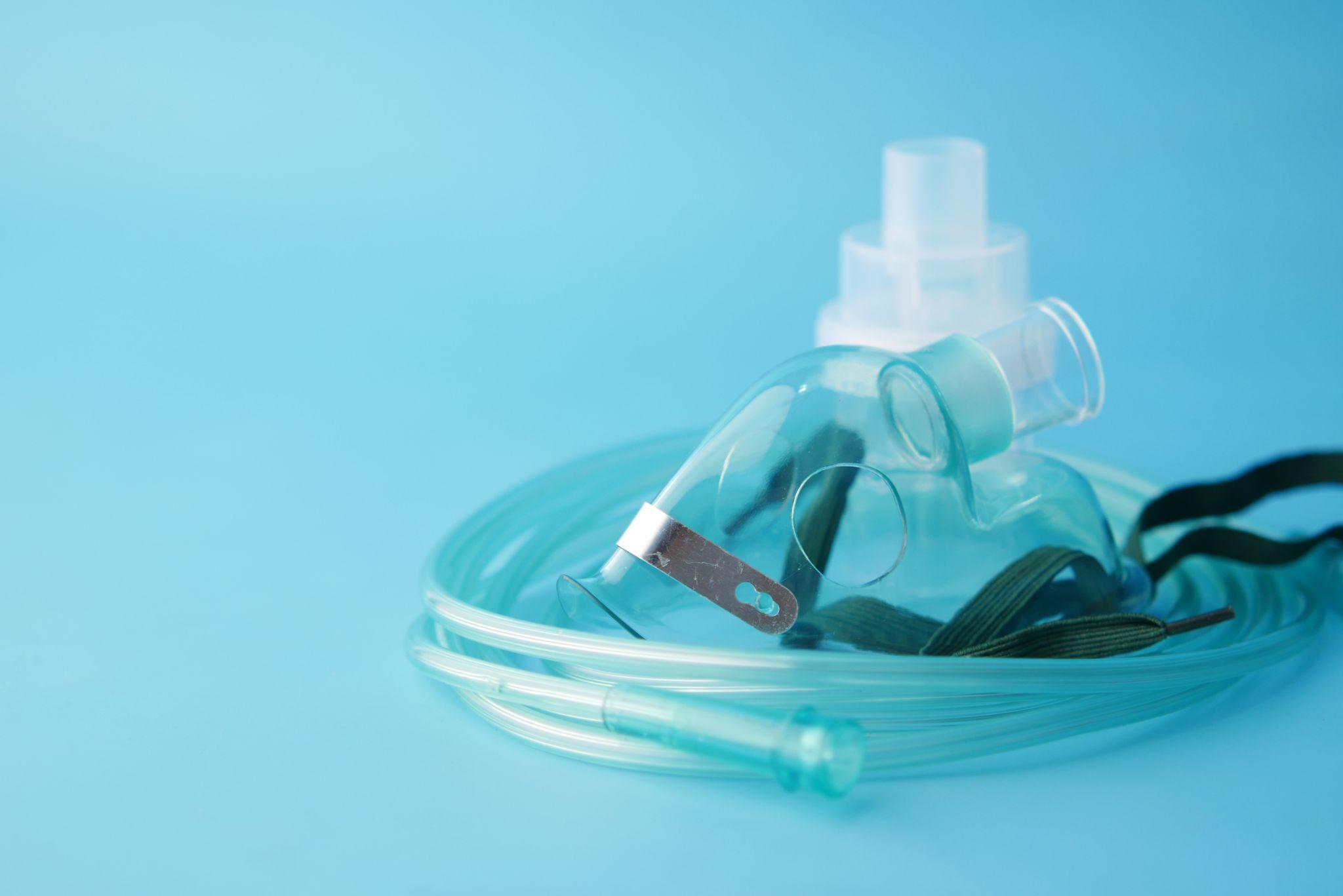
- Nebulization supplies for breathing treatments
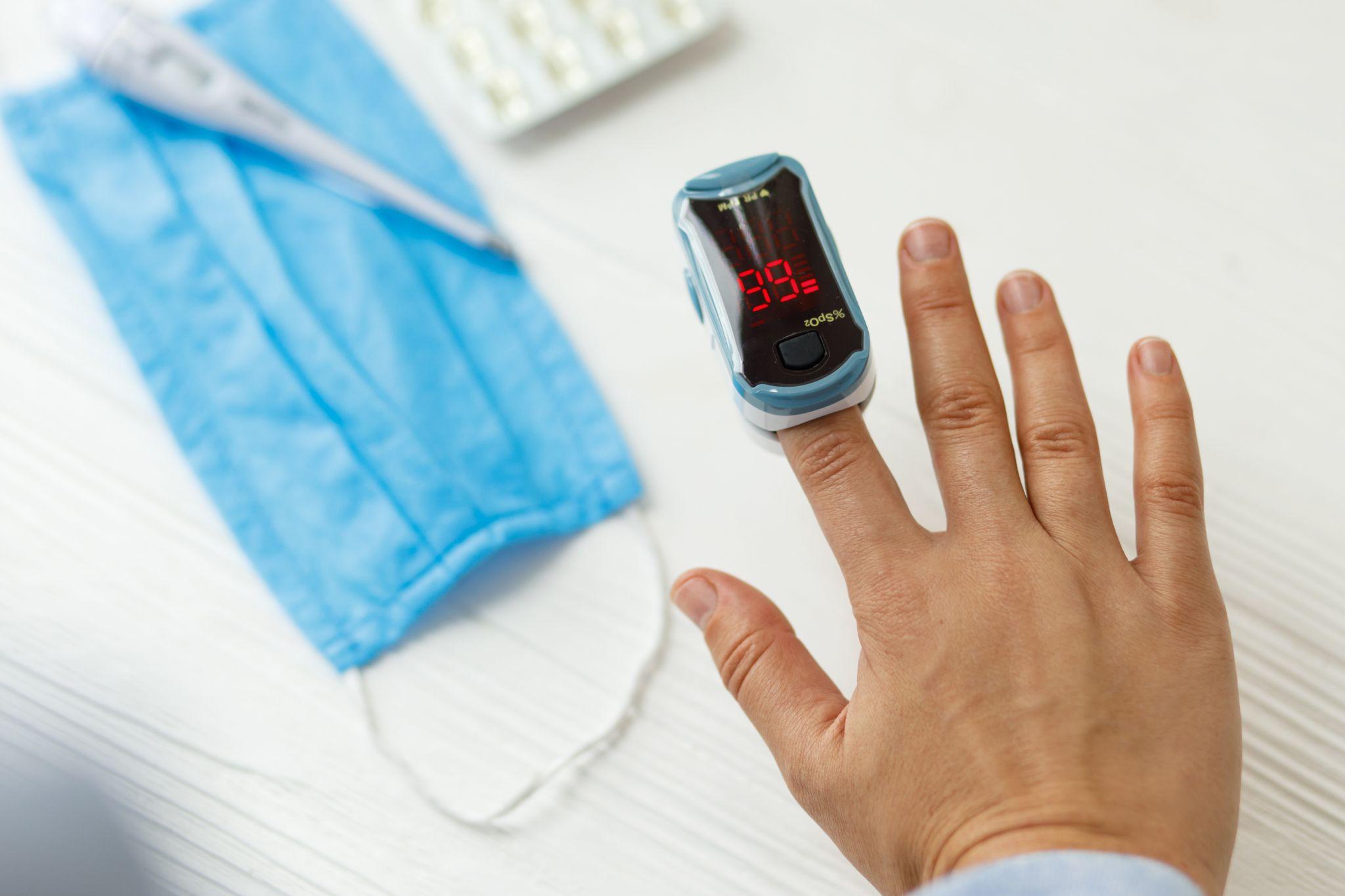
- Fingertip pulse oximeters for monitoring oxygen levels
- Breathing therapy equipment
Sleep apnea alone affects an estimated 30 million Americans, and many go undiagnosed or undertreated. Having a knowledgeable respiratory therapist walk you through CPAP setup, mask fitting, pressure adjustments, cleaning routines, makes a real difference in whether someone actually sticks with therapy.
We also carry lymphedema pumps, cranial helmets, mastectomy products, and orthopedic bracing. The point is, your medical supply needs can evolve, and it helps to have one supplier that covers the full spectrum.
How to Choose the Right Medical Equipment Supplier

Not all medical supply companies are created equal. Here’s what to look for when choosing a supplier, especially for durable medical equipment that you’ll rely on every day.
Experience and specialization. A company that’s been around for decades has seen it all. They understand which brands hold up, which products suit specific conditions, and how to navigate the paperwork. We’ve been serving the Rio Grande Valley for over 80 years, starting as a pharmacy before shifting our full focus to medical supplies in 2009.
Licensed professionals on staff. This is a big one. If you need respiratory equipment, you want a supplier that employs a licensed Respiratory Therapist, not just a salesperson. Same goes for complex rehab: our on-site Assistive Technology Professional (ATP) guides patients through the evaluation, fitting, and configuration process for custom wheelchair systems.
Local presence and service. Online retailers might offer low prices, but they can’t fit you for custom orthotics, repair your wheelchair, or answer questions face-to-face. A local medical supply store gives you somewhere to go when something breaks, when you need replacement parts, or when your needs change.
Repair capabilities. Equipment breaks down. It happens. Our technicians provide repairs for power wheelchairs, manual wheelchairs, scooters, patient lifts, walkers, and more. In some cases, we can even diagnose the problem over the phone. That kind of responsive service keeps your equipment safe and functional.
Product range. You don’t want to juggle five different suppliers. Look for a company that carries everything from basic canes to complex rehab technology, respiratory supplies, custom orthotics, and home accessibility modifications, all under one roof.
Understanding Insurance Coverage and Payment Options
One of the most common questions we hear: “Will my insurance cover this?” The answer depends on a few factors, your specific plan, the type of equipment, and whether it’s been prescribed by a physician.
Most insurance plans, including Medicare and Medicaid, cover durable medical equipment when it’s deemed medically necessary. That typically means a doctor has written a prescription or order for the item. Common covered items include hospital beds, wheelchairs, oxygen equipment, and CPAP machines.
Here are a few things to keep in mind:
- Get a prescription first. Most insurers won’t reimburse without one. Talk to your doctor about exactly what equipment you need.
- Verify your coverage. Before purchasing, ask your supplier to check your benefits. A good medical supply company handles this step for you.
- Understand rental vs. purchase. Some DME, like oxygen concentrators, may be rented through insurance rather than purchased outright. Know which arrangement applies.
- Ask about out-of-pocket options. Not everything requires insurance. For items like bathroom safety products, canes, or personal care aids, paying directly is often simpler and faster.
Our team at MacPherson’s Medical Supply works with patients to navigate insurance questions every day. We know the process can be confusing, and we’re here to help you understand your options so you’re not left guessing.
Tips for Caregivers Managing Medical Supplies at Home
If you’re a caregiver, whether for a parent, spouse, or child, managing medical equipment supplies at home is its own skill set. A few practical tips from our experience working with families in the Rio Grande Valley:
Create an inventory system. Track what you have, what’s running low, and when items need to be reordered. This is especially important for consumables like CPAP filters, nebulizer tubing, and oxygen supplies. A simple spreadsheet or notebook works fine.
Designate a storage area. Medical supplies can pile up quickly. Keep them organized in a clean, dry space. Separate daily-use items from backup stock so you’re not rummaging through boxes during an emergency.
Learn basic maintenance. Know how to clean a CPAP machine, check wheelchair tire pressure, or test a pulse oximeter. Your supplier should provide instruction, our Respiratory Therapist walks every patient through proper equipment use and maintenance.
Build a relationship with your supplier. When you work with a local, family-owned medical supply company, you get more than a transaction. You get someone who knows your situation, follows up, and can react quickly when something goes wrong. That matters at 7 AM when a power wheelchair won’t charge.
Don’t wait until you’re out. Reorder supplies before you hit zero. Shipping delays, insurance processing, and backorders can all slow things down. A two-week buffer is a good rule of thumb.
When to Upgrade or Replace Your Medical Equipment
Medical equipment doesn’t last forever, and using worn-out devices can actually create new safety risks. Here’s how to know when it’s time for a change.
Visible wear and tear. Frayed straps on a wheelchair, cracked cane tips, or a hospital bed with a malfunctioning motor, these aren’t cosmetic issues. They’re safety hazards.
Changing medical needs. A walker that worked six months ago might not be enough now. If a condition has progressed, or improved, your equipment should reflect that. Our ATP and respiratory professionals can reassess your needs and recommend adjustments or new solutions.
Insurance timelines. Many insurance plans allow equipment replacement on a set schedule. For example, Medicare typically covers a new wheelchair every five years. CPAP masks and tubing have their own replacement schedules. Ask your supplier about what’s eligible and when.
Technology improvements. Portable oxygen concentrators, for instance, have gotten dramatically lighter and quieter in recent years. If you’re still using a model from 2018, a newer unit might significantly improve your mobility and comfort.
Frequent repairs. If you’re calling for repairs every few months, it may be more cost-effective, and safer, to replace the equipment altogether.
We encourage patients to come into our store periodically for equipment check-ups. Sometimes a small adjustment is all that’s needed. Other times, it’s clear that an upgrade will make a meaningful difference. Either way, you’ll get an honest recommendation.
Conclusion

The right medical equipment supplies aren’t just products, they’re what stand between a difficult day and a manageable one. Whether you’re searching for your first wheelchair, setting up oxygen therapy, or outfitting a home for safer aging in place, the decisions you make about equipment and suppliers matter deeply.
What we’ve learned over eight decades of serving the Rio Grande Valley is that personal service makes the difference. It’s the respiratory therapist who takes the extra 20 minutes to ensure your CPAP mask fits perfectly. It’s the technician who shows up to repair your scooter so you don’t miss your week. It’s knowing you can walk into a local store and talk to someone who understands your situation.
If you’re ready to find the right durable medical equipment or respiratory supplies, visit our local store, check out our full range of services, or learn more about our story. We’re proud to serve the Rio Grande Valley with trusted care.
Visit MacPherson’s Medical Supply at 2325 S 77 Sunshine Strip, Ste. B, Harlingen, Texas 78550. We’re open Monday through Friday from 8:00 AM to 5:00 PM. For questions, email us at admin@macmedsupply.com or call 956-412-9100
What Is Considered Home Health Equipment?
Home health equipment includes medical devices designed for home use, such as wheelchairs, hospital beds, oxygen concentrators, CPAP machines, walkers, and select bathroom safety products. Also known as durable medical equipment (DME), these items must be durable enough for repeated use, have an expected lifespan of at least three years, serve a medical purpose, and be generally useless to a person without illness or injury. They help patients manage health conditions, recover from injuries, and maintain independence. A doctor’s prescription is typically required for insurance coverage.
Does Medicare Cover Home Health Equipment?
Yes, Medicare covers home health equipment when prescribed by a Medicare-enrolled healthcare provider and supplied by a Medicare-enrolled provider who accepts assignment. Commonly covered items include wheelchairs, hospital beds, walkers, oxygen equipment, and CPAP machines. Medicare typically pays 80% of the approved amount after you’ve met your Part B deductible ($283 in 2026), with the remaining 20% covered by supplemental insurance or out-of-pocket payment. Note that some items, such as raised toilet seats and shower chairs, are not covered by Medicare even if recommended by a doctor.
How Do I Know Which Home Health Equipment I Need?
Start by consulting your physician, physical therapist, or respiratory therapist for a professional assessment. They can recommend specific equipment based on your condition and daily needs. Consider your home layout, long-term health outlook, and comfort. Working with a local DME provider ensures proper fitting, personalized guidance, and equipment that truly matches your situation.
Can I Rent Home Health Equipment Instead of Buying It?
Yes, many home health equipment providers offer rental options, which is common for items like hospital beds and oxygen concentrators needed temporarily after surgery or during short-term recovery. Renting can be more cost-effective when equipment isn’t needed long-term. For oxygen equipment specifically, Medicare covers rentals for up to 36 months of continuous rental payments, after which the supplier must continue providing equipment and supplies for an additional 24 months, as long as medical need continues. Ask your provider and insurance company about rental coverage, as Medicare and many private plans support rental arrangements.
How Often Should Home Health Equipment Be Maintained?
We recommend inspecting and cleaning your home health equipment regularly — at least monthly for mechanical items like wheelchairs and hospital beds. CPAP supplies have specific replacement schedules that should be followed closely: disposable filters should be replaced twice per month, non-disposable filters every six months, mask cushions and nasal pillows every month, tubing and mask frames every three months, and headgear every six months. Oxygen cannulas typically require replacement every one to two weeks with regular use. Don’t ignore minor issues, as small problems can lead to safety concerns. Many local providers offer professional repair services.
Do I Need a Prescription for Home Health Equipment?
Most insurance providers, including Medicare and Medicaid, require a doctor’s prescription before covering home health equipment. Even if you’re paying out of pocket, a prescription ensures you’re getting equipment suited to your medical needs. Items like wheelchairs, CPAP machines, oxygen concentrators, and hospital beds almost always require a written order from your physician. For certain items such as power mobility equipment, Medicare may also require prior authorization before the supplier can deliver the equipment.
What Is Complex Rehabilitation Technology?
Complex rehabilitation technology (CRT) refers to individually configured wheelchairs and seating systems designed for people with significant medical conditions like cerebral palsy, spinal cord injuries, or ALS. Unlike standard wheelchairs, CRT devices are customized by an Assistive Technology Professional to match each patient’s unique postural, functional, and mobility needs for long-term daily use.
Why Should I Choose a Local Home Health Equipment Provider?
A local provider offers personalized fittings, hands-on equipment demonstrations, and in-person assessments that online retailers can’t match. You also get guidance from trained equipment specialists, faster repairs when equipment breaks down, and experienced help navigating insurance paperwork. Local providers understand your community’s needs and are available for ongoing support long after your purchase.