Bringing a loved one home from the hospital, or managing a chronic condition on your own, can feel overwhelming. One of the first hurdles? Figuring out which home health supplies you actually need versus what’s just nice to have.
Whether you’re recovering from surgery, caring for an aging parent, or navigating a new diagnosis, the right equipment makes all the difference. And finding a dependable source for those supplies matters just as much as the products themselves. That’s where trusted providers like MacPherson’s Medical Supply, a family-owned company serving the Rio Grande Valley for over 80 years, set the standard for personalized care and reliable solutions.
In this guide, we’ll walk you through what home health supplies include, the essential categories to know, and how to choose (and where to buy) what’s right for your situation.
What Are Home Health Supplies?

Home health supplies are the medical products and durable medical equipment (DME) that help people manage health conditions, recover from illness, or live more independently, all from the comfort of home.
These range from simple items like canes, wound dressings, and bath safety products to more complex equipment such as CPAP machines, hospital beds, and oxygen concentrators. The common thread? They’re designed to keep you safe, comfortable, and functioning at your best without needing to stay in a clinical setting.
You might also hear the term DME used interchangeably with home health supplies, though DME specifically refers to equipment that’s reusable and prescribed by a physician, things like wheelchairs, power mobility devices, and nebulizers. Consumable supplies (gauze, diabetic testing strips, catheter kits) round out the broader category.
The bottom line: if it supports your health at home, it falls under this umbrella.
Essential Categories of Home Health Supplies
Not all home health supplies serve the same purpose, and knowing the main categories helps you zero in on what you or your loved one actually needs. Here are the two biggest areas we see families navigating.
Mobility and Daily Living Aids
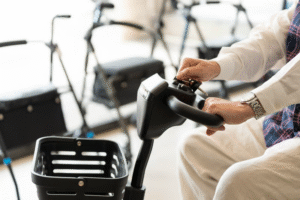
This is where most people start. Mobility aids help you move safely through your home, and beyond, while daily living aids make routine tasks manageable again.
Common mobility and daily living supplies include:
- Walkers and rollators
- Canes and crutches
- Wheelchairs (manual and power)
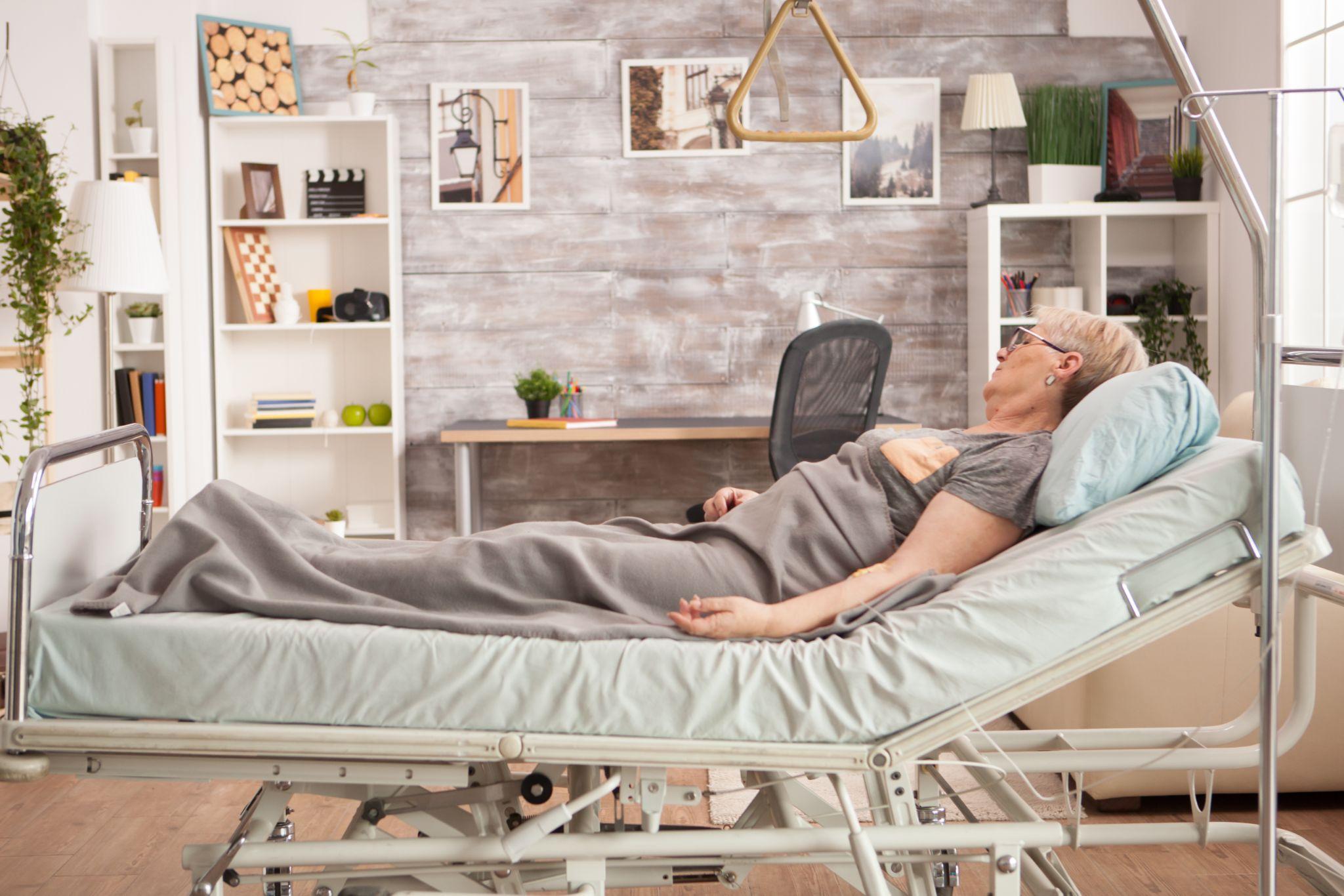
- Lift chairs and hospital beds
- Bathroom safety products (grab bars, shower chairs, raised toilet seats)
- Personal care aids (commodes, basins, bedside essentials)
For individuals with more complex needs, conditions like cerebral palsy, ALS, or spinal cord injuries, complex rehabilitation technology provides individually configured power wheelchair systems, custom seating, and adaptive equipment like standing devices and gait trainers.
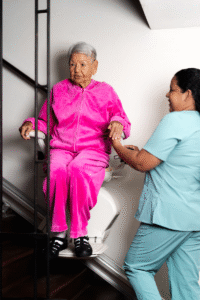
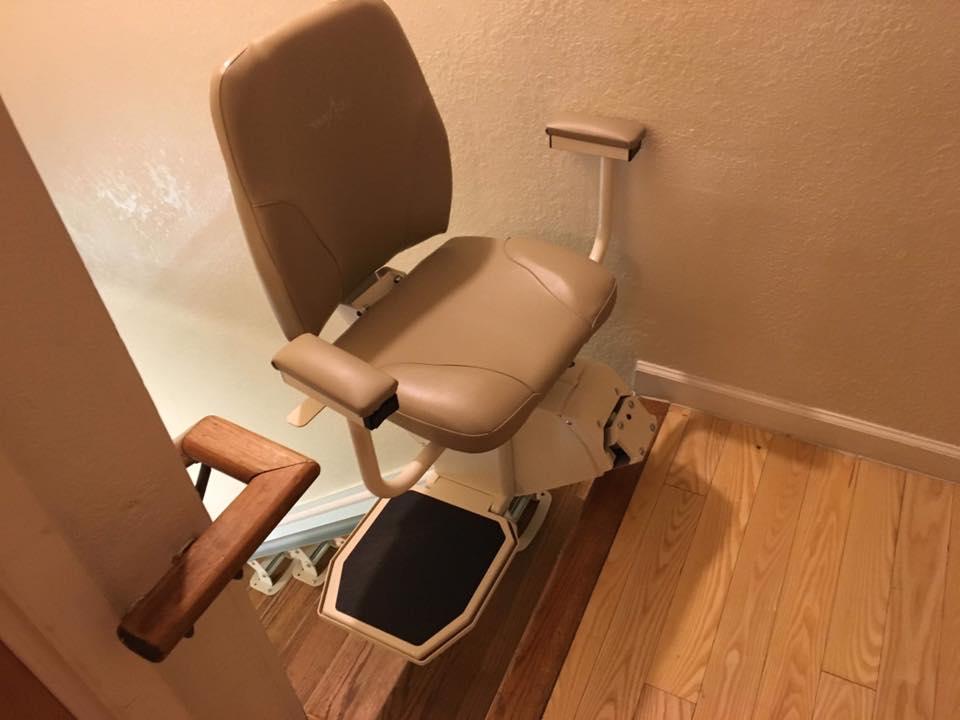
And don’t overlook home and vehicle accessibility modifications. Ramps, stairlifts, doorway widening, and roll-in showers can transform a home from a daily obstacle course into a safe, functional space. Providers like MacPherson’s Medical Supply in Harlingen even offer room-by-room home modification services, from bathroom grab bars to kitchen accessibility upgrades.
Wound Care and Medical Consumables

These are the supplies you’ll go through regularly, items that need restocking and aren’t meant to last forever.
Key consumables include:
- Wound care supplies (gauze, bandages, antiseptic solutions, wound closure strips)
- Diabetic supplies (testing strips, lancets, diabetic shoes and insoles)
- Respiratory supplies (nebulization kits, CPAP masks and tubing, fingertip pulse oximeters)
- Custom orthotics and bracing for foot health and fracture management
Respiratory care deserves a special mention here. If you or a family member uses oxygen therapy or a CPAP machine, having a licensed respiratory therapist available makes a real difference. They can help with setup, instruction, and troubleshooting, something you won’t get from a faceless online retailer.
How to Choose the Right Supplies for Your Needs
Start with your diagnosis or your doctor’s recommendation. A prescription is required for most DME, and your physician or discharge planner can point you toward the specific equipment categories you need.
From there, consider these factors:
- Your living environment. A narrow hallway changes which wheelchair works best. A two-story home might call for a stairlift. Think practically about your actual space.
- Insurance coverage. Medicare, Medicaid, and many private plans cover certain durable medical equipment. Ask your supplier about what’s covered before purchasing out of pocket.
- Fit and customization. This matters more than people realize. A walker at the wrong height creates new problems. Custom orthotics built from a scan of your feet outperform generic insoles every time. Even CPAP masks need proper fitting to work effectively.
- Ongoing support. Equipment breaks down. Supplies run out. Choose a provider that offers equipment repair, parts replacement, and restocking services so you’re not stranded.
One thing we’d strongly recommend: work with a local provider that lets you try products in person. Sitting in a wheelchair, testing a lift chair, or having a respiratory therapist walk you through your CPAP setup, these experiences can’t be replicated through a screen.
For residents in South Texas and the Rio Grande Valley, MacPherson’s Medical Supply has an on-site Assistive Technology Professional (ATP) and a custom orthotics lab, plus licensed respiratory therapists who provide hands-on instruction. That kind of in-store expertise is hard to beat.
Where to Buy Home Health Supplies
You’ve got options, but they’re not all equal.
Big-box retailers and online marketplaces carry basic supplies, bandages, bath seats, basic canes. They’re convenient for simple items. But when you need fitted equipment, insurance billing support, or professional guidance, they fall short.
Specialized medical supply stores are the better choice for DME and anything requiring customization or clinical expertise. Look for providers that:
- Carry a full range of durable medical equipment
- Have licensed professionals on staff (respiratory therapists, ATPs)
- Offer repair and maintenance services
- Help with insurance and Medicare paperwork
- Provide home accessibility consultations
If you’re in the Rio Grande Valley, MacPherson’s Medical Supply checks every one of those boxes. As a family-owned medical supply company with over 80 years of service right here in Harlingen, they offer everything from oxygen concentrators and CPAP supplies to complex rehab equipment and home modifications like stair lifts. You can browse medical supplies at their local store or call their team for guidance.
The key takeaway: for basic consumables, buy wherever is convenient. For anything involving fit, function, or ongoing care, go local and go specialized.
Conclusion: Home Health Supplies
Getting your home health supplies right isn’t just a shopping exercise, it’s about building a support system that keeps you or your loved one safe, comfortable, and as independent as possible. Start with your doctor’s guidance, understand the categories, and partner with a provider that offers genuine expertise and follow-through.
If you’re ready to find the right durable medical equipment or respiratory supplies, visit our local store, check out our full range of services, or learn more about our story. We’re proud to serve the Rio Grande Valley with trusted care.
Visit MacPherson’s Medical Supply at 2325 S 77 Sunshine Strip, Ste. B, Harlingen, Texas 78550. We’re open Monday through Friday from 8:00 AM to 5:00 PM. For questions, email us at admin@macmedsupply.com or call 956-412-9100.
What are home health supplies and who needs them?
Home health supplies include medical products and durable medical equipment (DME) that help people manage health conditions, recover from surgery, or live independently at home. They range from walkers, canes, and wound dressings to CPAP machines, oxygen concentrators, and hospital beds — serving anyone from post-surgical patients to aging adults and individuals with chronic conditions.
What categories of home health supplies are most essential?
The most essential categories are mobility and daily living aids — such as wheelchairs, rollators, lift chairs, and bathroom safety products — and medical consumables like wound care supplies, diabetic testing strips, respiratory equipment, and compression hosiery. For complex needs, custom rehabilitation technology and home accessibility modifications are also critical.
Does Medicare cover durable medical equipment and home health supplies?
Yes, Medicare covers many types of durable medical equipment (DME) when prescribed by a physician, including wheelchairs, hospital beds, oxygen concentrators, and CPAP machines. Coverage varies by plan and item, so it’s best to work with a specialized medical supply provider who can verify your benefits and assist with insurance paperwork before purchasing.
What home health supplies does Medicare cover?
Medicare Part B covers medically necessary durable medical equipment (DME) for home use when prescribed by a doctor and obtained from a Medicare-approved supplier. Covered items include walkers, wheelchairs, scooters, hospital beds, oxygen equipment, CPAP machines, nebulizers, blood sugar monitors, continuous glucose monitors, infusion pumps, commode chairs, and prosthetics/orthotics. Medicare pays 80% of the approved amount; you pay the remaining 20% after meeting your Part B deductible.medicare+3
How do custom orthotics differ from store-bought insoles?
Custom orthotics are prescription medical devices made from molds or scans of your feet, designed to correct alignment, redistribute pressure, and prevent injuries like pronation or supination. Unlike generic insoles, they address specific conditions such as plantar fasciitis, high or low arches, and neuromas — and may also relieve back, leg, and ankle pain.
Why should I buy home health supplies from a local medical supply store instead of online?
A local medical supply store offers hands-on fitting, licensed professionals like respiratory therapists and Assistive Technology Professionals, equipment repair services, and insurance billing support — none of which online retailers provide. Trying products in person, such as wheelchairs or CPAP masks, ensures proper fit and function for safer, more effective home care.
What home modifications can improve accessibility for someone with mobility challenges?
Key home modifications include installing ramps, stairlifts, grab bars, roll-in showers, and widened doorways. Kitchens can be upgraded with accessible cabinetry and lowered countertops. Providers like MacPherson’s Medical Supply offer room-by-room home modification services covering bathrooms, bedrooms, garages, and even vehicle accessibility to support safe daily living.