
If walking more than a few steps starts to feel exhausting or unsafe, wheelchair scooters can give you back the freedom to move. At MacPherson’s Medical Supply, we’ve spent over 80 years helping families in the Rio Grande Valley choose the right durable medical equipment for everyday life.
In this guide, we’ll walk you through what wheelchair scooters are, who they’re for, and how to choose one that fits your home, your health, and your lifestyle.
What Is A Wheelchair Scooter And Who Is It For?
A wheelchair scooter, often called a mobility scooter, is a battery-powered device that helps you get around when walking is hard or risky. It has a seat, a platform for your feet, and a tiller (handlebars) you steer, almost like a small electric cart.
Unlike a traditional wheelchair or power wheelchair that uses a joystick, wheelchair scooters are best for people who can sit upright and use both hands to steer.
We often recommend wheelchair scooters if:
- You can walk short distances at home but struggle with longer distances at the store, at church, or around the neighborhood.
- You want more independence for errands and social activities.
- You’re looking for durable medical equipment (DME) that’s easier to transport than a full power wheelchair.
For people with more complex positioning needs, our Complex Rehabilitation team may recommend custom power wheelchairs and seating instead.
Key Benefits Of Using A Wheelchair Scooter At Home
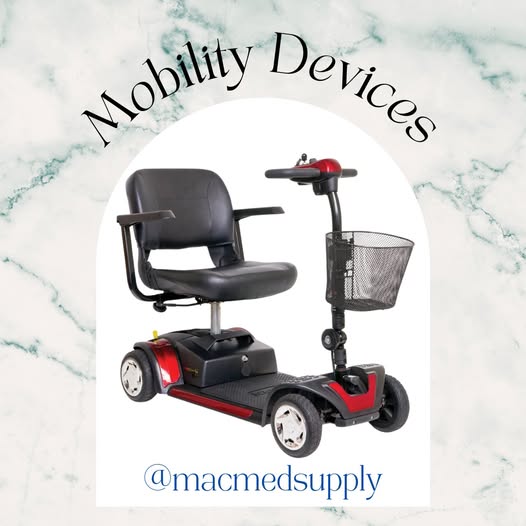
When you choose the right wheelchair scooter, you’re buying independence. Here’s how scooters change day-to-day life for our customers in the Rio Grande Valley:
- Less fatigue, more freedom. Save your energy for what matters without worrying how you’ll make it back to the car.
- Safer movement. A stable scooter can reduce your fall risk, especially if you use canes or walkers.
- Comfortable seating. Padded seats, armrests, and adjustable features make longer trips easier.
- Better community access. From medical appointments to church activities, wheelchair scooters help you stay active and connected.
Main Types Of Wheelchair Scooters
Three-Wheel Vs. Four-Wheel Scooters
Three-wheel scooters turn tighter and offer more legroom—ideal for smaller homes. Four-wheel scooters provide better stability on grass, gravel, and uneven surfaces.
Travel And Folding Scooters
These lightweight scooters break down to fit in a car trunk. The trade-off: shorter battery range, smaller seats, and lower weight limits. Best for short outings.
Heavy-Duty And Bariatric Scooters
Built for higher weight capacities with larger frames, wider seats, and sturdier suspension. Ideal for long-term, daily use.
Full-Size Scooters For Everyday Use
Full-size scooters balance portability and performance—offering comfortable seating, good battery range, and versatility for indoor and outdoor use.
Essential Features To Consider Before You Buy

Comfort, Seating, And Posture Support
Look for padding that supports your hips and back, adjustable armrests, and a seat height that lets your feet rest flat on the floorboard. If you use custom orthotics or special cushions, tell us so we can help you choose compatible accessories.
Weight Capacity And Body Size
Choose a model that supports more than your current weight, especially if you’ll carry bags or an oxygen tank. A proper weight match protects the motor and frame.
Ground Clearance And Terrain Handling
Higher ground clearance helps you avoid scraping on door frames and getting stuck on small curbs. For gravel, packed dirt, or lawns, we look for larger wheels and solid suspension.
Turning Radius And Maneuverability Indoors
A smaller turning radius is better for small homes and narrow hallways. Three-wheel scooters typically turn tighter than four-wheel models.
Controls And Driving Adjustments
We can adjust the tiller angle and sensitivity so it’s easier on your hands, wrists, and shoulders. If you have arthritis or limited hand strength, let us know.
Safety Features And Stability
Important safety features include anti-tip wheels, speed control, stable wheelbase design, and bright lights or reflectors. We’ll never rush you into a scooter that feels unsafe.
Accessories That Improve Everyday Life
- Baskets for groceries or oxygen equipment
- Cane or walker holders
- Cup holders and phone mounts
- Weather covers
We also offer wheelchair lift/carrier options and home & vehicle accessibility solutions like ramps and platform lifts.
Battery Range And Charging Routine
Some small scooters may go 8–10 miles; larger models can go much farther. We’ll help you estimate your daily travel needs so you’re not worrying about running out of power.
How To Choose The Right Wheelchair Scooter For Your Needs
Understanding Your Changing Mobility Needs
Are you recovering from an injury, or living with a long-term condition such as MS, ALS, or COPD? If your condition is progressive, we may recommend equipment that can adapt with you.
Short-Term Versus Long-Term Use
For a few weeks after surgery, a rental or lightweight travel model may be enough. For long-term use, we’ll guide you toward a more durable option with easier service.
Portability And Storage Considerations
Think about where the scooter will live. If lifting isn’t safe, we’ll talk about vehicle lifts or ramp systems.
Indoor, Outdoor, Or Mixed Use
If you’re a “mixed use” rider, we’ll help you balance turning radius with outdoor stability so you’re not limited to just one setting.
Working With Your Doctor Or Therapist
We encourage you to involve your doctor or therapist. Their input helps with proper equipment selection and insurance coverage.
Trying Different Models And Test Drives
We want you to sit on the scooter, adjust the seat, and take a short test drive. Visit our local store in Harlingen to compare different models.
Measuring Your Home For Fit And Access
Measure doorways, hallway widths, and tight corners at home. If we see potential trouble spots, we can talk about modifications like threshold ramps or grab bars.
Funding, Insurance, And Where To Get A Wheelchair Scooter
Understanding Medicare, Medicaid, And Private Insurance
Medicare, Medicaid, or private insurance may help cover a wheelchair scooter when it’s considered medically necessary DME. Our team can help you understand the basics.
Medical Necessity Documentation And Prescriptions
For most insurance plans, you’ll need a face-to-face visit with your doctor, a prescription, and notes explaining why a cane or walker is not enough.
Buying, Renting, Or Refurbished Options
Depending on your situation, we may suggest short-term rentals, refurbished scooters, or new models for long-term daily use.
Working With Durable Medical Equipment Providers
As a family-owned medical supply company, we stand behind what we provide. Learn more about durable medical equipment and more here: https://macmedsupply.com/services/.
Safe Setup, Daily Use, And Home Accessibility Tips
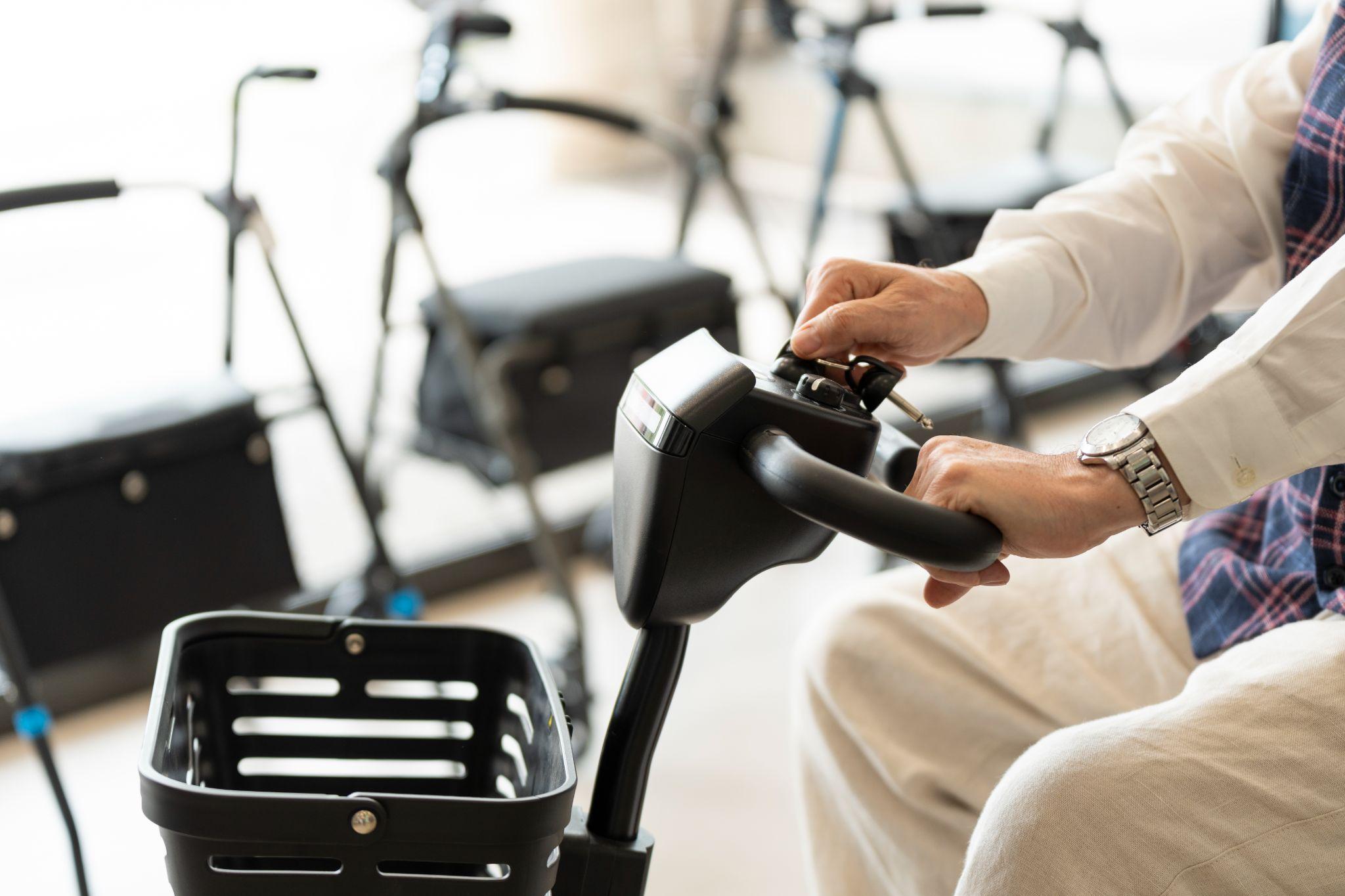
Initial Setup, Training, And Practice
We’ll walk you through controls, charging, and basic safety. Practice in a clear, open area first before heading to busy stores.
Making Doorways, Ramps, And Floors Scooter-Friendly
Consider portable home ramps, wider doorways, grab bars, and non-slip flooring. Our home accessibility services include ramps, stair lifts, and platform lifts.
Daily Inspection And Basic Maintenance
Check for loose parts, tire condition, and battery level before longer trips. If something doesn’t feel right, call us—our technicians handle repairs, parts & maintenance, programming, and modifications.
Safe Driving Habits Indoors And Outdoors
Keep speed low indoors. Outdoors, watch for uneven sidewalks and steep ramps. If you use oxygen, make sure tanks are secured properly.
Conclusion
Wheelchair scooters can open doors, literally and figuratively. The right scooter can help you stay active in your community and move around your home with less pain and fear of falling.
As a local, family-owned provider serving the Rio Grande Valley, we’re here to guide you through every step. We can also help you pair your scooter with wheelchairs, lift chairs, bathroom safety products, oxygen/respiratory supplies, CPAP machines, and more.
Visit our local store, check out our full range of services, or browse medical supplies online at https://macmedsupply.com/store/.
Visit MacPherson’s Medical Supply at 2325 S 77 Sunshine Strip, Ste. B, Harlingen, Texas 78550. We’re open Monday through Friday from 8:00 AM to 5:00 PM. Call 956-412-9100 or email admin@macmedsupply.com.
Wheelchair Scooter FAQs
What is a wheelchair scooter and who is it best suited for?
A wheelchair scooter is a battery-powered device with a seat, foot platform, and steering tiller that helps when walking is difficult. It’s best for people who can sit upright and use both hands to steer but struggle with longer distances.
What are the main benefits of using wheelchair scooters?
Wheelchair scooters reduce fatigue, lower fall risk, and make daily activities easier. They help you get to appointments, stores, and social events more comfortably so you can stay independent and connected.
How do I choose between a three-wheel and four-wheel wheelchair scooter?
Three-wheel scooters have tighter turning radius for smaller homes. Four-wheel scooters provide better stability on grass, gravel, and uneven sidewalks for safer outdoor mobility.
What key features should I look for before buying?
Important features include comfortable seating, weight capacity exceeding your needs, ground clearance for thresholds, turning radius for tight spaces, easy controls, safety features, battery range, and practical accessories.
Does Medicare cover wheelchair scooters?
Medicare may cover wheelchair scooters when medically necessary. You’ll typically need a doctor visit, prescription, and notes explaining why other mobility aids are insufficient.
How long does a wheelchair scooter battery last?
Compact models provide roughly 8–10 miles; full-size scooters go significantly farther. Charge regularly overnight and replace batteries when range noticeably decreases.