Looking for clear orthotics and bracing info? You’re probably dealing with a real-life problem: pain, instability, a recent injury, or a loved one who needs safer support at home. At MacPherson’s Medical Supply, we see this every day in South Texas—patients trying to stay active, caregivers trying to prevent falls, and families trying to make the right call.
The good news is that the “right” orthotic or brace usually isn’t mysterious. It’s about matching the device to the body part, condition, and routine, then getting a proper fit.
What Orthotics and Bracing Do for Your Body
Orthotics and braces both support your body, but they work differently: orthotics guide alignment and load, while bracing stabilizes, protects, or limits motion after injury, surgery, or with ongoing joint issues.
You may need orthotics or bracing for:
- Foot pain: plantar fasciitis, neuromas, heel pain, arthritis
- Arch issues: high arches, flat feet, overpronation or supination
- Ankle instability: repeated sprains, drop foot support (often with AFOs)
- Knee pain: osteoarthritis, ligament support, patellar tracking issues
- Back and neck support: flare-ups, posture support, post-op protection
- Wrist/hand conditions: carpal tunnel, tendon irritation, arthritis
A good device provides support (helping irritated tissues work less hard), alignment (encouraging joints to track normally), and load management (redistributing pressure away from sore spots). When alignment improves, many people notice their knees or lower back feel better once foot mechanics are addressed.
Which Device Fits Your Body Area
Foot and Ankle
- Custom foot orthotics: Prescription devices made from a mold or scan, designed to control motion and improve walking efficiency.
- Over-the-counter inserts: Helpful for mild issues but won’t control pronation/supination like prescription devices.
- Ankle braces/stabilizers: Used after sprains or for chronic instability.
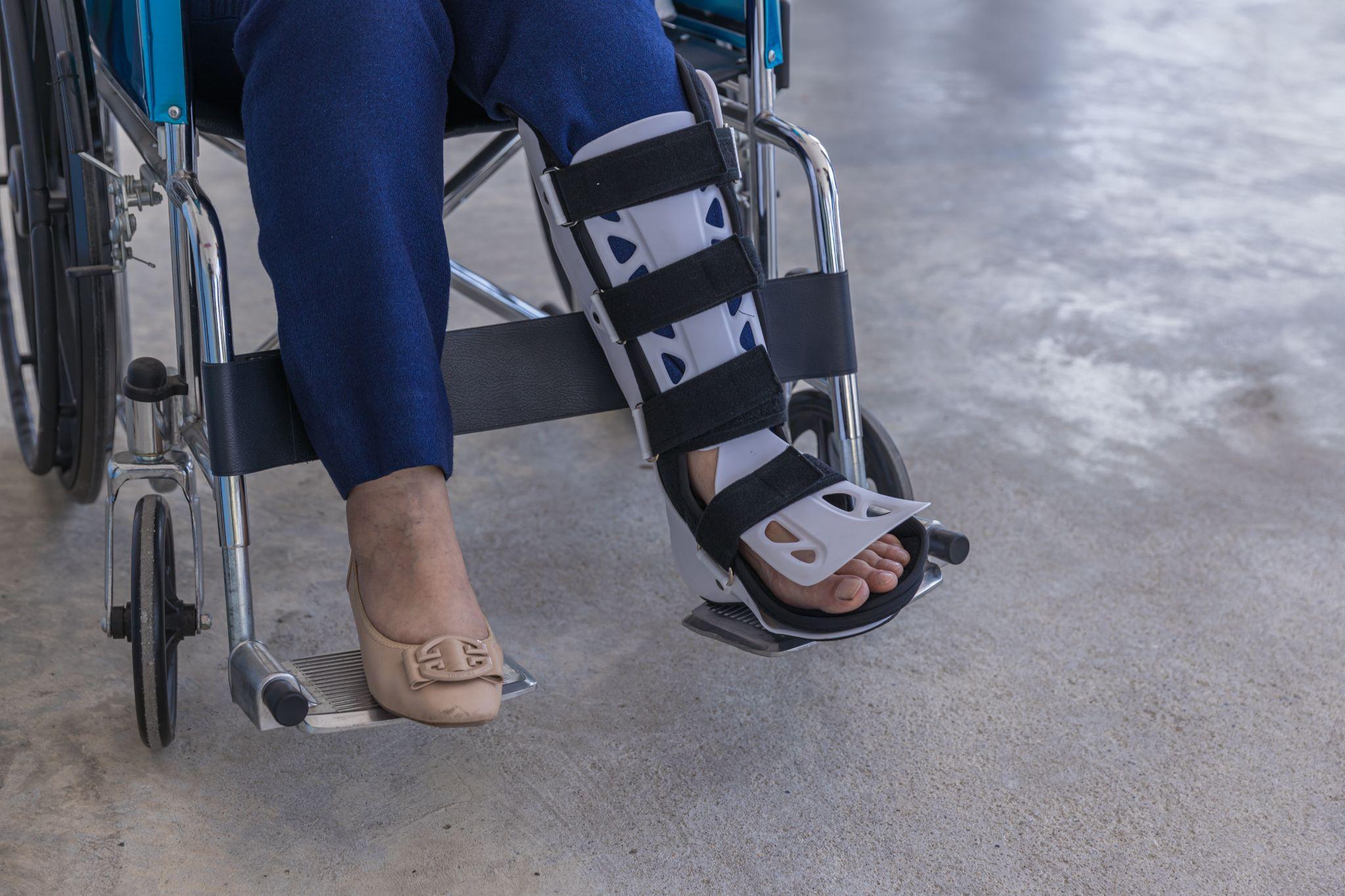
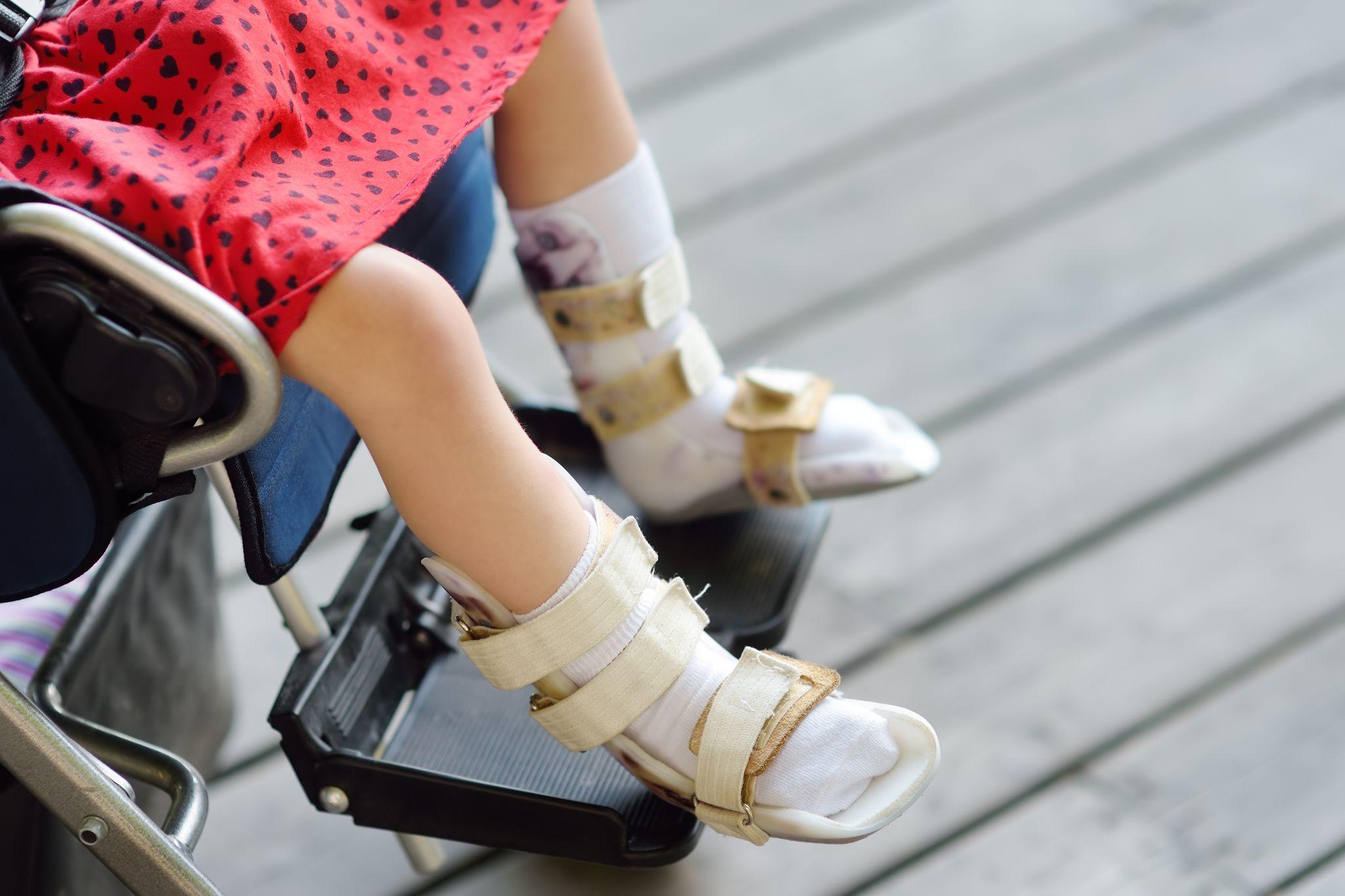
- AFOs (ankle-foot orthoses): Structured devices for limited ankle control that improve safety and reduce tripping.
In our custom orthotics and bracing lab, we assess foot posture, take measurements, and create custom insoles designed to control motion and redistribute pressure.
Knee
- Compression sleeves: Provide warmth and swelling control for mild arthritis.
- Hinged knee braces: Offer side-to-side stability for ligament support.
- Unloader braces: Shift load away from painful knee compartments in certain arthritis patterns.
If your knee feels unstable on turns or uneven ground, you likely need more than a sleeve.
Back, Neck, and Upper Extremity
- Lumbar supports: For low back strain flare-ups or post-procedure support.
- TLSOs: Larger braces for fracture management or post-op protocols.
- Cervical collars: Short-term neck support per provider instructions.
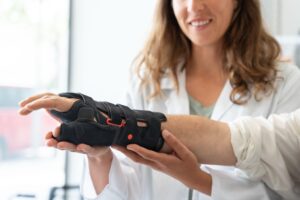
- Wrist splints and thumb spica braces: For repetitive strain, arthritis, and post-injury needs.
The “best” splint is usually the one you’ll actually wear—comfortable and matched to symptom-triggering activities.
How to Get the Right Fit
The device matters, but fit and follow-up make it work. A brace that slides, pinches, or changes your walking pattern can create new problems.
Depending on your needs, you may work with a prescriber (physician, podiatrist), an orthotist/brace specialist, or a physical therapist. At MacPherson’s, we work alongside your care team to ensure the device feels right.
Most people need a break-in period:
- Start with short wear periods (a couple of hours)
- Increase gradually over 1–2 weeks
- Monitor skin and comfort daily
Call for an adjustment if you notice rubbing that doesn’t improve or a new pain pattern. To learn more about how we help, explore our full range of services.
Custom vs. Off-the-Shelf: Which Makes Sense
Custom orthotics or bracing often makes sense when:
- Pain persists despite trying basic supports
- You have significant arch issues (very high or very low)
- You need pressure redistribution for calluses or sensitive areas
- Instability affects safety (frequent ankle rolling, unsafe gait)
- Off-the-shelf options don’t fit your body shape
Here’s the honest tradeoff:
- Cost: Off-the-shelf is less expensive upfront; custom costs more due to materials and fabrication.
- Durability: Custom devices often hold up better with quality materials.
- Comfort: Custom matches your exact contours for better stability.
- Turnaround: Off-the-shelf is faster; custom takes fabrication time.
If you’re in the Rio Grande Valley and want to compare options, visit our local store to see what’s realistically worth it for your condition and budget.
What Materials and Design Features Matter
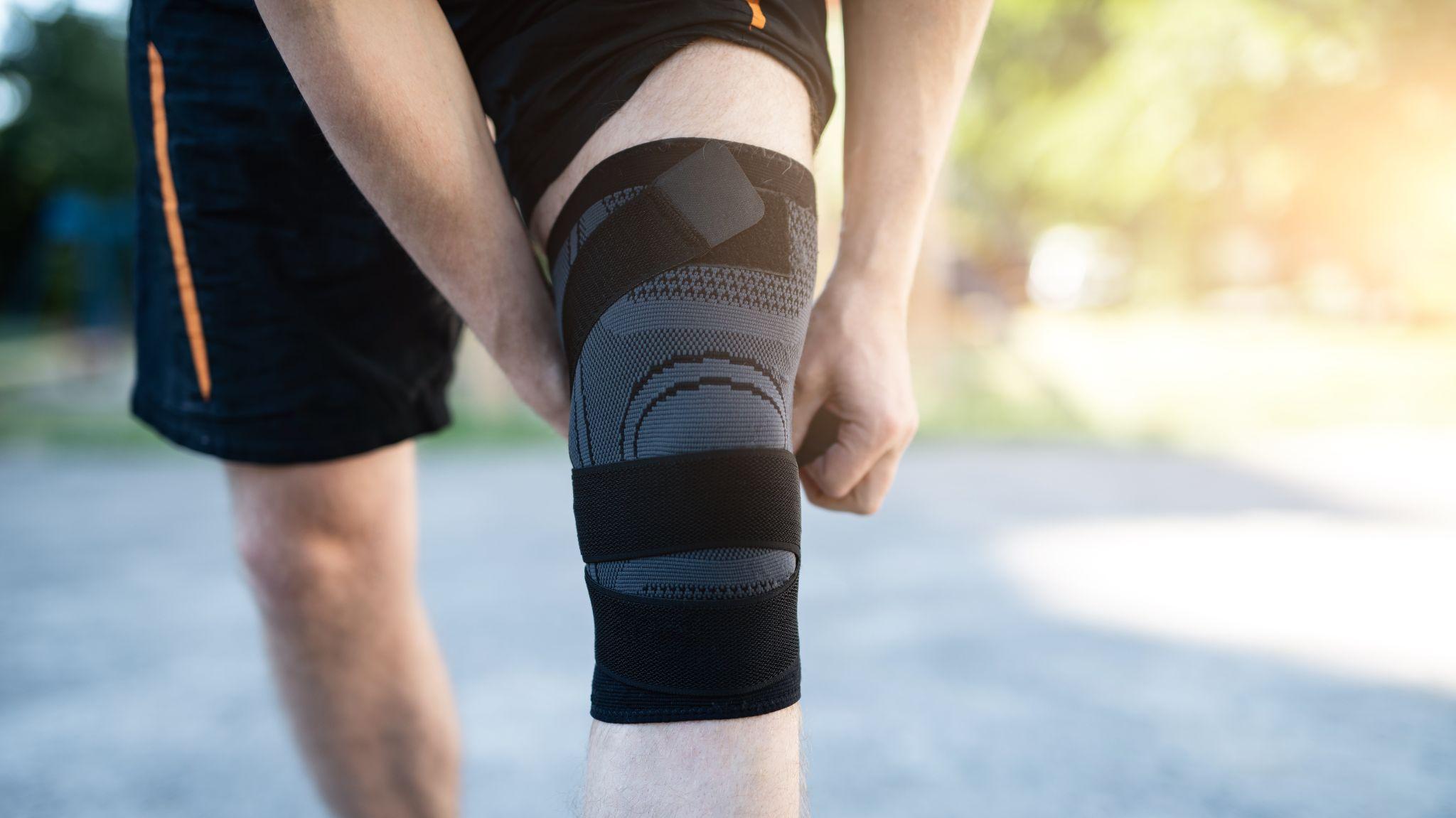
Materials affect control, durability, and whether you’ll wear the device daily:
- Rigid: More control, can feel less forgiving
- Semi-rigid: Supportive but comfortable for daily life
- Soft: More cushioning, better for sensitive feet or swelling
Design details matter too—hinges allow safer motion, straps maintain alignment, padding protects skin, and range-of-motion limits block certain movements during healing.
Red Flags That Signal Fit Problems
If a device causes numbness, sharp pain, or skin breakdown, it’s not “just breaking in.” Watch for:
- Persistent rubbing, blisters, or open areas
- Redness that doesn’t fade after removal
- Fit changes as swelling increases or decreases
- Numbness, tingling, coldness, or color changes
- New sharp pain or worsening balance
Swelling matters in South Texas heat—your leg volume can change across the day, turning a “fine” brace into a pressure problem by evening. Contact us if symptoms worsen.
Care Tips to Extend Device Life
Daily habits keep your orthotic or brace effective:
- Follow wear schedules your prescriber recommends
- Wear appropriate socks (smooth, not bunched)
- Match the device to the shoe: Many orthotics work best in supportive shoes with removable insoles
- Wipe hard surfaces with mild soap and water; dry fully
- Keep Velcro free of lint
- Don’t leave devices in hot cars—heat warps plastics
Safety for Older Adults and Fall Prevention
Bracing can improve stability, but it changes how you lift your foot, turn, and handle stairs. For older adults, we focus on fewer falls.
If you’re new to a brace or AFO:
- Practice on flat ground before tackling curbs
- Take smaller turns; don’t pivot fast on a braced leg
- Use handrails on stairs every time
- Set up transfer areas to avoid twisting
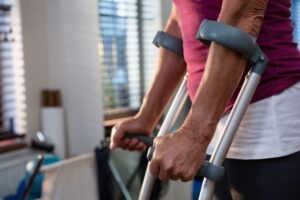
Sometimes the brace is only part of the solution. You may also benefit from canes, walkers, grab bars, or lift chairs. To learn more about who we are and why families trust us, read our story—family-owned and serving the Rio Grande Valley with care.
Conclusion
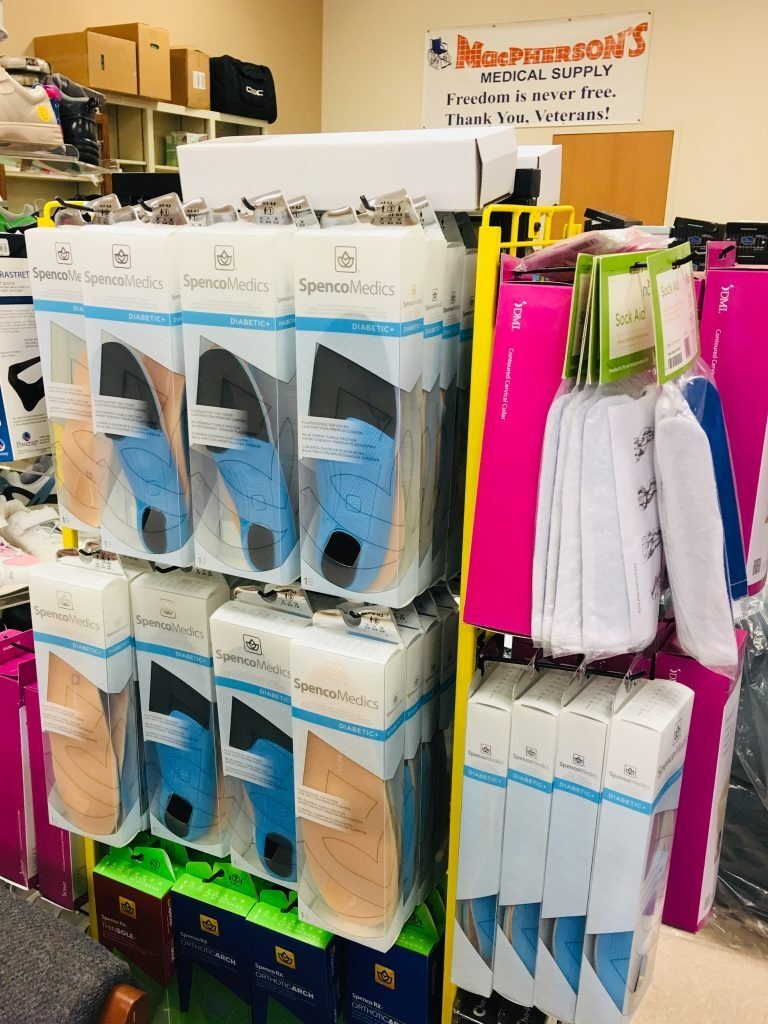
Good orthotics and bracing should make life steadier—less pain, fewer close calls, more confidence on your feet. If you’re dealing with foot pain, ankle instability, knee arthritis, or injury recovery, we can help you find something that fits your body and routine.
Visit MacPherson’s Medical Supply at 2325 S 77 Sunshine Strip, Ste. B, Harlingen, Texas 78550. Open Monday–Friday, 8:00 AM–5:00 PM. Email admin@macmedsupply.com or call 956-412-9100.
What’s the Difference Between Orthotics and Bracing?
Orthotics typically guide alignment and manage load (often in the foot), while braces stabilize, protect, or limit motion after injury or with chronic joint issues. The best choice depends on body area, condition, and daily activity.
How Do Custom Foot Orthotics Help With Plantar Fasciitis or Arch Problems?
Custom foot orthotics are prescription devices made from a mold or scan to control motion and redistribute pressure. For plantar fasciitis, neuromas, and arch issues, they reduce strain, absorb shock, and improve alignment—often helping ankles, knees, hips, or back too.
Should I Choose Custom or Off-the-Shelf Orthotics and Bracing?
Off-the-shelf works for mild issues or short-term support. Custom makes more sense when pain persists, arches are extreme, pressure points need relief, or instability affects safety. Custom devices fit better, last longer, and control alignment more precisely.
What Are Red Flags That My Orthotic or Brace Doesn’t Fit?
Watch for persistent rubbing, blisters, redness that doesn’t fade, numbness, tingling, coldness, color changes in toes/fingers, sharp new pain, or a new limp. Swelling changes can alter fit quickly—adjustments may be needed.
How Long Does It Take to Break In Custom Orthotics?
Most people need 1–2 weeks, starting with short wear times and increasing gradually while checking skin and comfort daily. If discomfort persists or symptoms worsen, request a fitting adjustment.
Can Orthotics and Bracing Reduce Fall Risk for Older Adults?
Orthotics and bracing can improve stability, but they change how you move. Many older adults benefit from pairing braces with canes, walkers, or grab bars—especially during adjustment. Practice on flat ground and use handrails to reduce falls..