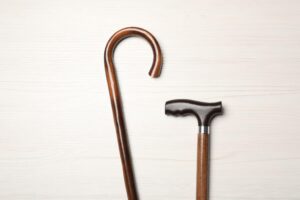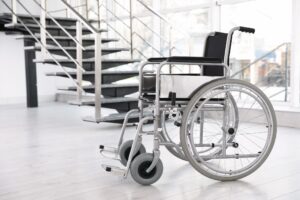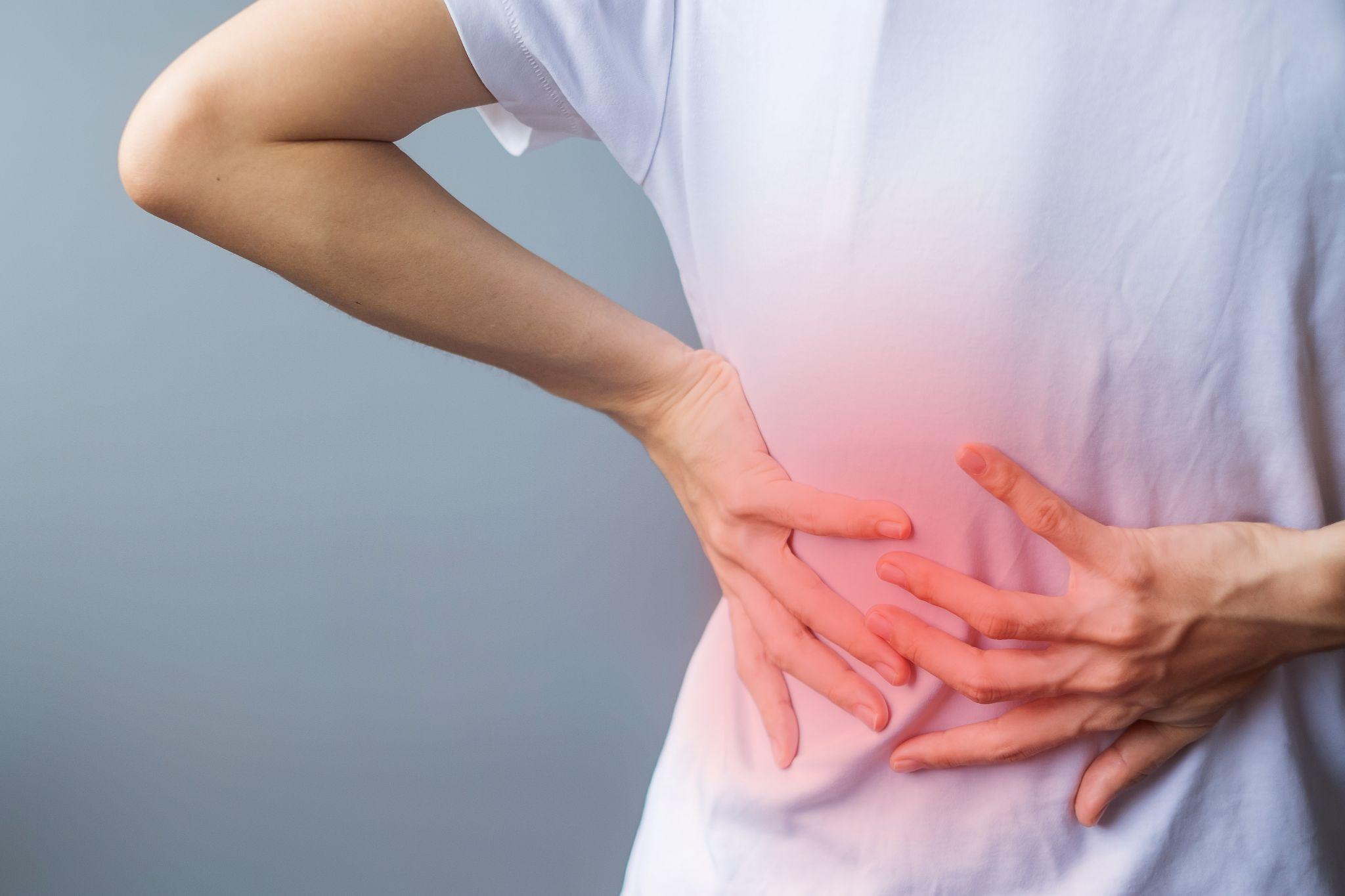
Joint, back, or muscle pain can quietly change the way you move through every day. The right orthopedic support can make a big difference, whether you’re recovering from an injury, living with arthritis, or simply on your feet all day here in the Rio Grande Valley. MacPherson’s Medical Supply is a family-owned medical supply company that’s been helping neighbors find safe, comfortable support solutions for over 80 years.
In this guide, we’ll walk you through what orthopedic support really means, the types of devices available, and how to choose options that fit your life. Our goal is to help you stay as active, independent, and pain-free as possible, right here in South Texas.
Discover How Orthopedic Support Can Transform Your Daily Life
Orthopedic support is anything that helps protect your bones, joints, muscles, ligaments, and tendons as you move. It can be as simple as a cushioned insole or as specialized as a custom brace or complex rehabilitation seating system.
Done well, orthopedic support guides your body into safer positions, reduces stress on painful areas, and lets your muscles work more efficiently. That’s how it can ease pain now and help prevent further injury later.
The Musculoskeletal System In Plain Language

Your musculoskeletal system is the framework that lets you stand, walk, lift, and turn your head to check traffic. It includes:
- Bones – the structure, like the beams of a house.
- Joints – the hinges where bones meet, like your knees and shoulders.
- Muscles – the motors that move your bones.
- Ligaments and tendons – the tough bands that connect bones to bones and muscles to bones.
When any of these are irritated, weakened, or injured, other areas start working overtime to compensate. Orthopedic support aims to share the workload so nothing is asked to do more than it safely can.
Common Conditions That Benefit From Orthopedic Support
You don’t have to be an athlete to benefit from orthopedic support. We see it help people every day with:
- Arthritis in the knees, hips, hands, or spine.
- Plantar fasciitis, flat feet, or high arches that cause foot, leg, or back pain.
- Sports injuries like sprains, tendonitis, or stress fractures.
- Work-related strain from lifting, standing, or repetitive motions.
- Spinal issues, including scoliosis and degenerative disc problems.
- Progressive or congenital conditions, such as cerebral palsy, muscular dystrophy, or multiple sclerosis.
In more complex cases, orthopedic support is part of Complex Rehabilitation Technology (CRT), including custom wheelchairs, seating systems, and bracing matched to your medical and functional needs.
Signs You May Need Better Orthopedic Support
You may benefit from improved orthopedic support if:
- You have persistent pain in your feet, knees, hips, back, neck, or shoulders.
- You feel unsteady, especially on stairs or when getting out of bed or a chair.
- You notice uneven wear on your shoes, or you’re always leaning to one side.
- You often wake up sore and stiff, especially in your lower back or neck.
- You’ve had recent surgery or an injury and are nervous about moving normally.
Explore Orthopedic Support Devices That Empower Your Movement
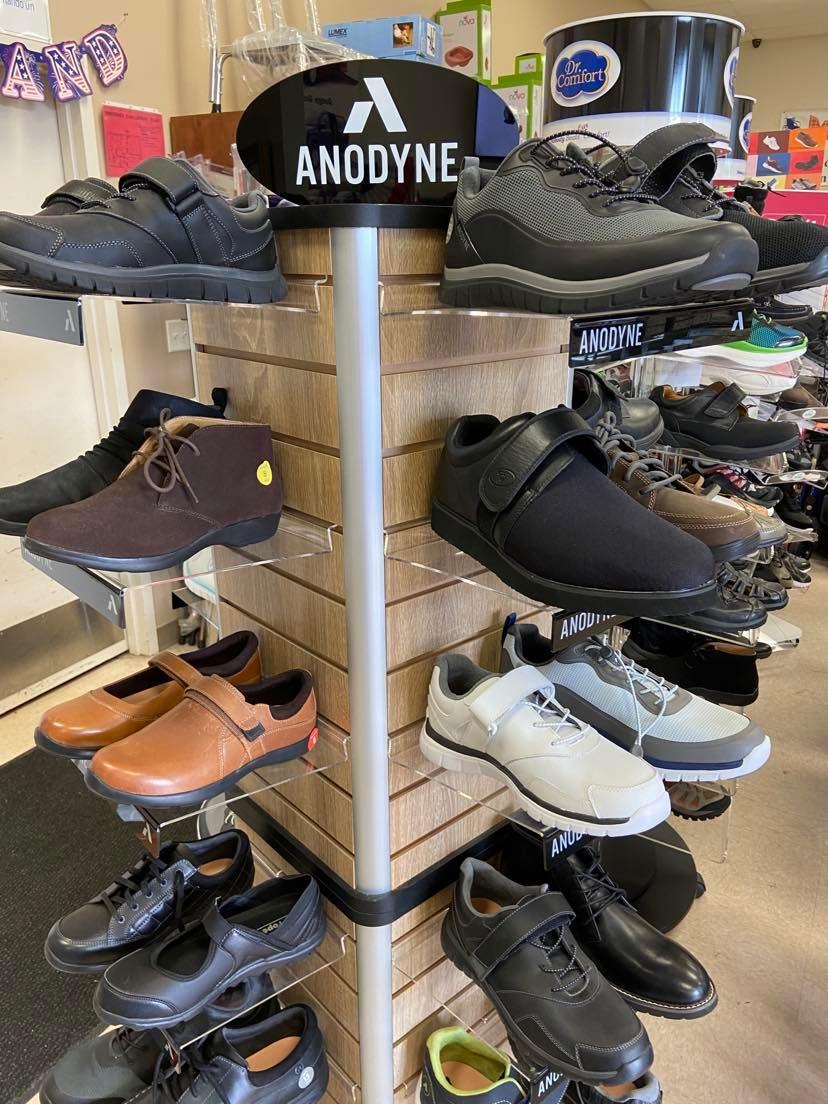
Orthopedic support can be very simple or very specialized. Our job as a local, family-owned medical supply provider is to help you find what actually fits your body and lifestyle.
Braces, Splints, And Supports For Joints
Joint braces are one of the most common forms of orthopedic support. They can:
- Limit painful movements after an injury or surgery.
- Support weak or arthritic joints during daily activities.
- Protect against re-injury during sports or work.
You’ll find options for the knee, ankle, wrist, elbow, shoulder, and spine. We also provide orthopedic bracing as part of complex rehab plans when neuromuscular conditions affect posture and joint stability.
Orthopedic Footwear, Insoles, And Heel Cups
Your feet are your foundation. Custom foot orthotics are prescription devices made from molds or a scan of your feet, designed to control alignment and function. Custom insoles can:
- Improve balance and alignment of the feet and legs.
- Redistribute pressure to relieve calluses or hot spots.
- Reduce heel, arch, knee, hip, or back pain.
At MacPherson’s, we offer custom insoles/orthotics, supportive footwear, and heel cups in our custom orthotics lab.
Posture Correctors, Back Supports, And Belts
If you sit, stand, or lift for long periods, your spine works hard. Back supports and posture devices can remind you to sit and stand taller, support the lower back during lifting, and reduce strain on healing tissues after injury or surgery.
Supportive Pillows, Mattresses, And Seating Aids
Orthopedic support is just as important when you’re resting. This includes pillows that keep your neck aligned, mattresses and overlays that cushion pressure points, and seat cushions and positioning systems for wheelchairs, lift chairs, and office chairs.
In our complex rehab department, we provide custom seating systems, standing devices, and gait trainers carefully configured to support posture, protect skin, and maximize independence.
Find Your Perfect Orthopedic Support Match
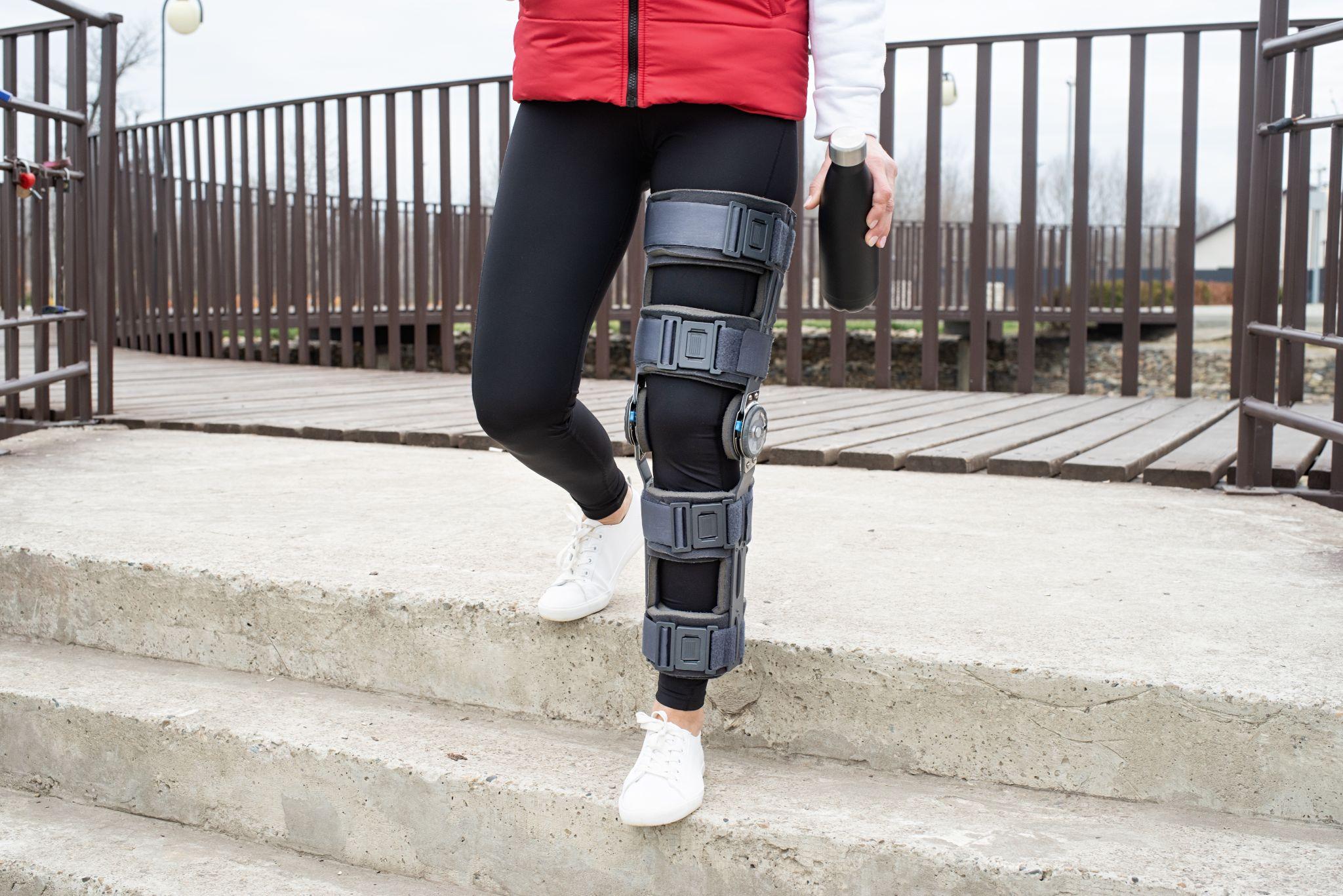
With so many products on the market, it’s easy to feel overwhelmed. You deserve clear guidance, not guesswork.
Match The Support To The Body Area And Condition
Start by being specific about what you’re trying to help:
- Where exactly is the pain or weakness?
- When does it bother you most?
- What diagnosis have you been given, if any?
When you visit our local store in Harlingen, we ask these questions so we can connect you with the right durable medical equipment (DME) and orthopedic support.
Soft, Semi-Rigid, Or Rigid: Picking The Right Level Of Support
- Soft supports add mild compression and warmth for mild sprains and everyday comfort.
- Semi-rigid supports use stays or plastic pieces to limit certain motions while allowing others.
- Rigid supports are used when movement must be tightly controlled, such as after surgery.
More rigid is not always better. We help you choose the level that protects you without over-limiting movement.
When To Seek Professional Guidance
You should get professional input when:
- You’ve had recent surgery, fracture, or major injury.
- You have numbness, significant weakness, or loss of balance.
- You live with a progressive neuromuscular disease.
- You rely on wheelchairs, power mobility devices, or custom seating.
We’ll coordinate with your care team and help you see all medical supply services that may support your safety and independence.
Unlock Greater Results With Simple Daily Habits
Devices work best when paired with healthy routines.
Ergonomics At Work And Home
Adjust chair height so your feet rest flat. Keep your computer screen at eye level. Use canes, walkers, or wheelchairs adjusted to your height. At home, grab bars, bathroom safety products, and properly positioned beds and lift chairs can protect your joints and reduce fall risk.
Movement, Strength, And Flexibility Routines
Orthopedic support should help you move safely, not stop you from moving. We often see great results when customers combine braces or orthotics with physical therapy, simple home exercises, and walking programs.
Weight Management And Foot Care
Extra body weight puts more load on your knees, hips, and spine. Good foot care is also crucial, especially for people with diabetes. Custom orthotics, proper shoes, and daily skin checks can prevent sores, calluses, bunions, and corns.
Master Safe Use For Lasting Independence
Used incorrectly, supports can slow healing or cause new problems.
How Overuse Of Supports Can Weaken Muscles
If a brace does all the work, nearby muscles can gradually weaken. We often recommend using supportive devices during higher-risk activities and following a plan from your therapist for exercises that keep you strong.
Red Flags To Watch For
Pay attention to new or worsening pain, numbness, tingling, color changes in your skin, or red marks that don’t fade. If you notice any of these, stop using the support and reach out to your clinician or our team.
Take The Next Step Toward Pain-Free Living
Some pain and stiffness will calm down with rest, ice, and simple supports. But sometimes you need a deeper look.
Working With Specialists And Therapists
Physical and occupational therapists can teach you how to use braces, walkers, wheelchairs, or canes safely, design strengthening programs, and recommend accessibility changes.
At MacPherson’s, we collaborate with local therapists, discharge planners, and physicians across the Rio Grande Valley to match the right medical supply to your goals.
If your needs include breathing support, our Licensed respiratory therapist can help with oxygen services, CPAP machines, and other respiratory supplies. Learn more about our story at MacPherson’s Medical Supply and our full range of services.
Conclusion
Orthopedic support is about giving your body the right help, at the right time, so you can keep doing the things you love with less pain and more confidence.
As a family-owned medical supply company serving the Rio Grande Valley with care, we’re here to listen to your story and guide you toward safe, comfortable options. Whether you need custom orthotics, orthopedic bracing, a properly fitted wheelchair, or help choosing the right bed, canes, bathroom safety products, or other home care equipment, we’ll walk through the options together. When you’re ready, visit our local store to browse medical supplies and talk with our team in person.
Visit MacPherson’s Medical Supply at 2325 S 77 Sunshine Strip, Ste. B, Harlingen, Texas 78550. We’re open Monday through Friday from 8:00 AM to 5:00 PM. For questions, email us at admin@macmedsupply.com or call 956-412-9100.
Orthopedic Support FAQs
What is orthopedic support and how does it work?
Orthopedic support refers to devices that help protect and guide your bones, joints, muscles, ligaments, and tendons. From insoles to braces and custom seating, these supports reduce stress on painful areas, improve alignment, and help your muscles work more efficiently.
What signs indicate I might need better orthopedic support?
You may need improved orthopedic support if you have persistent joint, back, or foot pain, feel unsteady on stairs, notice uneven shoe wear, wake up stiff and sore, or feel nervous moving after surgery or injury.
What types of orthopedic support devices are available?
Common options include joint braces and splints, orthopedic footwear and custom insoles, back supports and posture correctors, and supportive pillows, mattresses, and seating systems. More complex needs may require custom wheelchairs, standing frames, or specialized bracing.
How do I choose the right orthopedic support for my condition?
Start by identifying exactly where and when you feel pain or weakness. Then match the device to the body area and severity, choosing soft, semi-rigid, or rigid support as appropriate. Professional guidance helps ensure proper fit and long-term results.
Can orthopedic support replace exercise or physical therapy?
Orthopedic support should complement, not replace, movement and rehabilitation. Regular activity, strength and flexibility exercises, and physical therapy are key for long-term joint health, balance, and function..