Searching for mobility rehab solutions RGV families can count on? You’re probably not just looking for “therapy.” You’re looking for safer transfers, fewer falls, easier days at home, and the confidence to move through South Texas without feeling stuck.
MacPherson’s Medical Supply has helped neighbors across the Rio Grande Valley for decades find practical, dependable ways to improve mobility—through durable medical equipment (DME), home and vehicle accessibility support, oxygen services, and guidance that actually feels personal. We’re family-owned and trusted for over 80 years. Learn more about our story and commitment to the Valley.
Who Benefits From Mobility Rehabilitation?
Mobility rehab isn’t only for people recovering from surgery. In the Rio Grande Valley, we see mobility changes come from everyday life, work injuries, chronic conditions, or simply getting older and wanting to stay independent.
Most people start with one practical question: “How do we make daily life safer and easier?” From there, goals become specific—standing up from bed without help, walking to the mailbox, getting in and out of the car, or using the bathroom with confidence.
Signs You May Benefit From A Mobility Rehab Plan
If any of these sound familiar, it’s worth talking to a rehab provider:
- You’ve had a recent fall (or “near-falls”) and you’re moving more cautiously now
- You’re avoiding stairs, curbs, or longer walks because they feel risky
- You need to hold onto furniture to get around the house
- Pain, weakness, or shortness of breath limits how far you can walk
- Transfers are getting harder (bed to chair, chair to toilet, car to standing)
- Caregivers are doing more lifting than they should
Common Conditions Seen In The RGV
Rehab teams commonly work with people living with stroke recovery, arthritis, post-surgical recovery (hip/knee replacement, spine procedures), traumatic brain injury, spinal cord injury, progressive neurologic conditions (like MS or ALS), congenital disorders (such as cerebral palsy or spina bifida), and deconditioning after hospitalization.
Sometimes the barrier isn’t strength—it’s breathing. When oxygen needs or sleep apnea enter the picture, mobility can drop quickly. That’s where the right therapy plan plus respiratory support can make a huge difference.
Core Mobility Rehab Services In The RGV
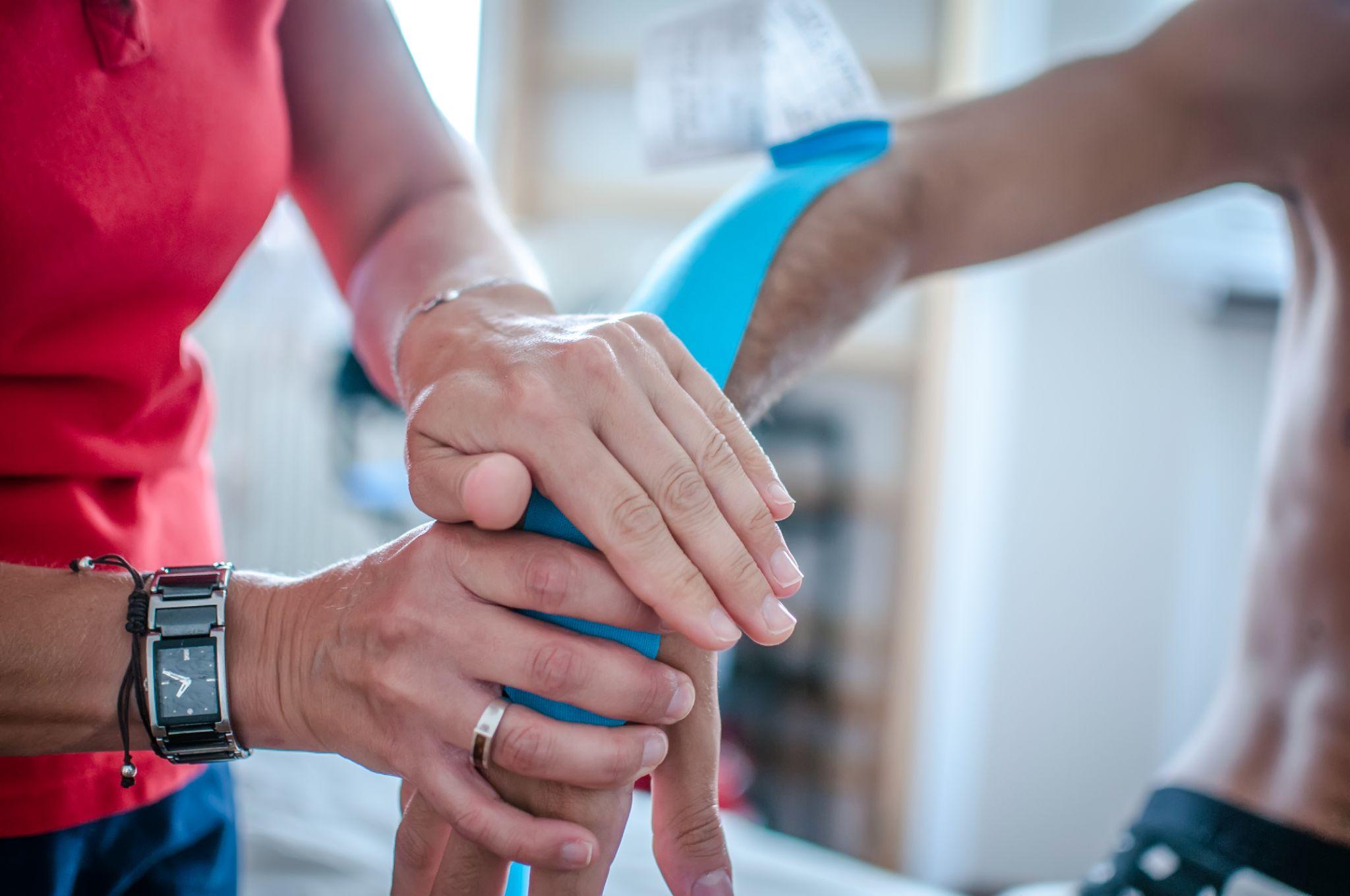
The best rehab plans aren’t one-size-fits-all—they’re built around your home setup, health history, and daily needs. Explore our full range of medical services to see how we support your rehab journey.
Physical Therapy For Strength, Balance, And Gait Training
Physical therapy (PT) is often the backbone of mobility rehab, focusing on strength (especially hips, legs, and core), balance and fall prevention, gait training, transfer training, and endurance. PT is also where many people learn to use assistive devices correctly—a cane or walker can be a game-changer or a hazard, depending on fit and training.
Occupational Therapy For Daily Function And Home Skills
Occupational therapy (OT) helps you function safely at home and in the community. OT commonly addresses bathroom routines, dressing and kitchen tasks, hand/upper body strength for walkers and wheelchairs, and home setup for safer movement. If your goal is “I want to stay in my home,” OT is usually the service that makes that realistic.
Speech Therapy When Neurologic Conditions Affect Safety
Speech therapy surprises people—until they see how often it matters. With certain neurologic conditions, speech-language pathologists help with swallowing safety, cognitive-communication skills, and voice and breathing coordination. Falls aren’t always about legs; sometimes they’re about attention, judgment, or coordinating breathing while moving.
Where Should Rehab Happen?
The answer depends on safety, how much assistance you need, and whether you can travel.
Outpatient clinics work well when you can safely get to appointments and tolerate structured sessions—ideal for post-surgical rehab, balance programs, and ongoing strength training.
Home health therapy is ideal if leaving home is difficult, you’re newly discharged, or you need therapy that matches your actual home environment. Home-based care catches issues early: tight hallway turns, uneven thresholds, and the “this walker doesn’t fit through our doorway” reality.
Inpatient rehab or skilled nursing may be recommended when someone needs daily therapy and medical oversight after major stroke, significant trauma, or complex surgeries. Discharge planning is when families often come to us for durable medical equipment—beds, wheelchairs, canes, commodes—and help figuring out what will actually work at home.
What Tools Support Better Mobility?

Therapy builds capability. The right tools reduce risk and help you use those gains in the real world.
Assistive Devices And Orthotics
A few basics we help families choose and fit every day:
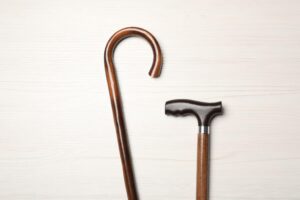
- Canes for mild balance support (fit and hand placement matter)
- Walkers/rollators for steadier support and safer pacing
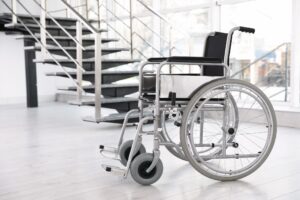
- Manual wheelchairs for energy conservation or longer distances
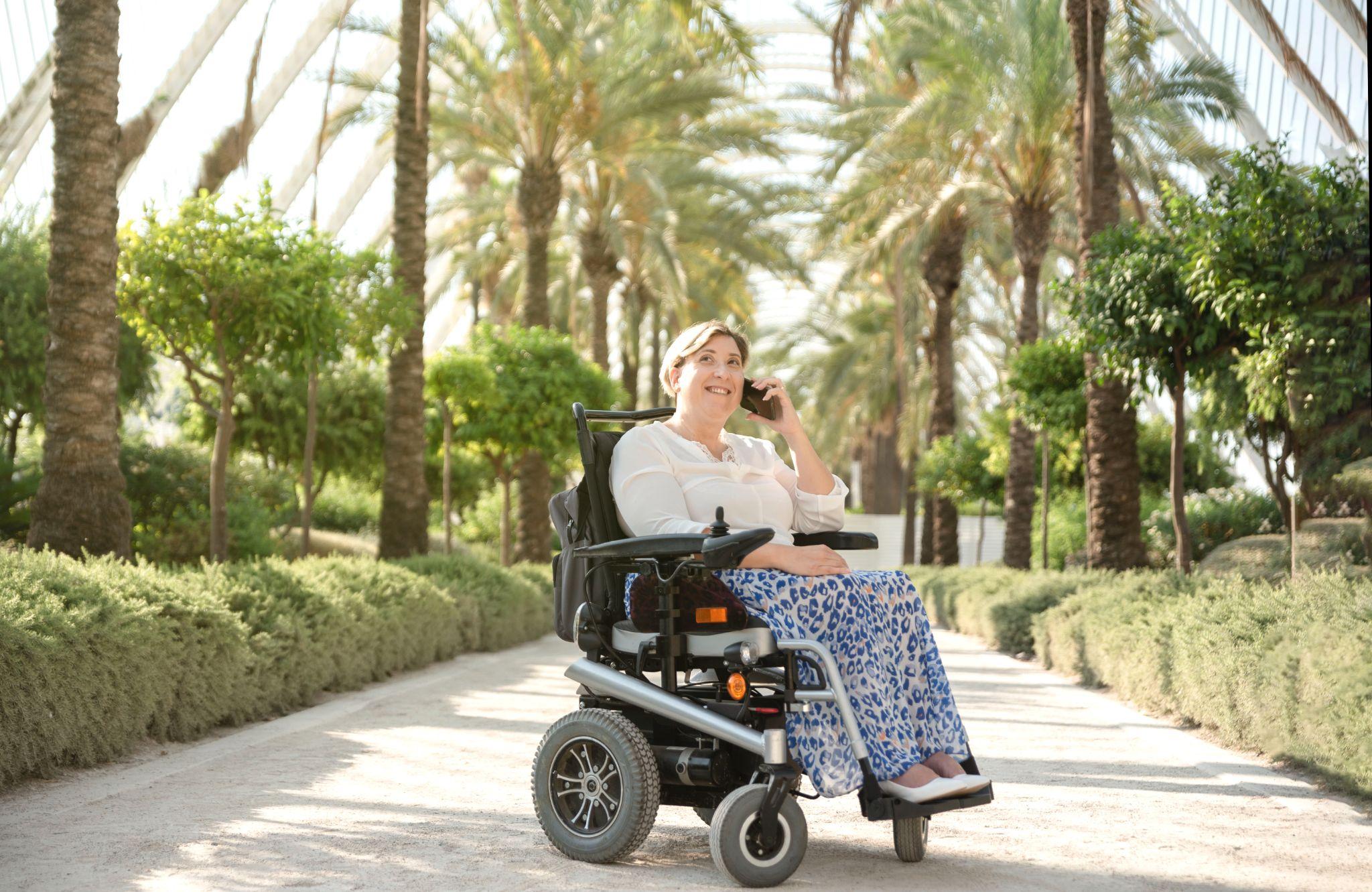
- Power wheelchairs/scooters when strength, endurance, or neurologic conditions limit mobility
For many people, foot and ankle alignment is the hidden issue. Custom orthotics can improve balance, reduce pain, and help you walk more efficiently.
For complex mobility needs, our team coordinates with Assistive Technology Professionals (ATP) through our complex rehabilitation technology program—including equipment trials, feature matching, programming, fitting, and follow-up.
Home And Community Accessibility Modifications
If the home environment is fighting you, therapy alone can’t fix it. In the Rio Grande Valley, we commonly address:
- Home ramps and stair ramps for safer entry
- Bathroom modifications: grab bars, roll-in showers, bath lifts, ceiling lifts
- Bedroom changes: doorway modifications and ceiling lifts
- Stairlifts (including curved) for residential and commercial spaces
- Garage access: platform lifts, automated door openers
- Kitchen changes: accessible cabinetry, lower countertops, wider doorways
We also help with home and vehicle accessibility so daily routines, appointments, and errands don’t become a major project.
How Do You Choose The Right Mobility Rehab Provider?
Choosing a provider can feel overwhelming, especially when someone needs help now.
Credentials And Specialty Fit
Look for licensed PT/OT/SLP credentials, experience with your condition, a provider who measures progress (not just “does exercises”), and comfort working alongside DME needs.
Insurance And Practical Considerations
Ask yourself: Do you need a physician referral? Are appointments available within a reasonable timeframe? Can the clinic accommodate caregiver schedules? If transportation is tough, is home health an option?
Also ask how they handle equipment recommendations—delays between “we need a walker” and “the walker is fitted and in use” are where falls happen.
Questions To Ask At Your First Visit
- “What’s the biggest safety risk you see for us right now?”
- “What should we do at home between visits?”
- “How will you measure progress in 2–4 weeks?”
- “Which device is safest for our home layout?”
- “Do you recommend any home modifications to reduce fall risk?”
What Does A Typical Rehab Plan Look Like?
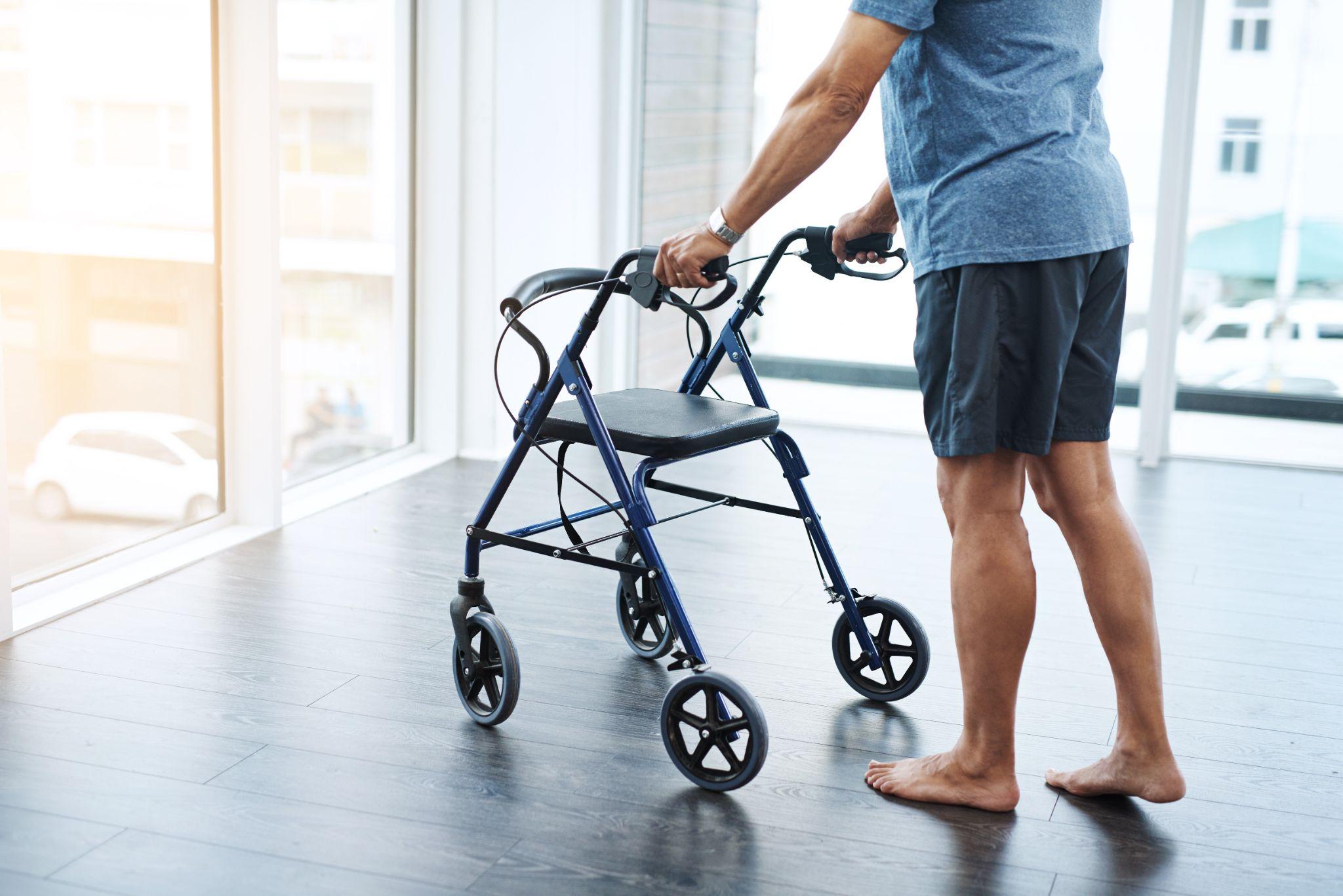
Most mobility rehab plans follow a similar rhythm, but the best ones feel tailored to your daily life.
A solid evaluation includes strength, balance, and gait assessment; transfer safety; endurance and breathing tolerance; home environment factors; and an equipment check to ensure your current DME is the right fit and in safe condition.
Goals should be specific. “Walk better” is vague. “Walk from bedroom to kitchen with a walker, safely, without stopping” is a real target you can measure.
Many plans start with 2–3 visits per week, then taper as you improve. We encourage families to treat equipment as part of the plan—the right wheelchair, bed, cane, commode, or brace can reduce strain and make your home program doable.
When Should You Seek Urgent Care?
Mobility rehab should make you safer. If something feels “off,” trust that instinct.
Seek emergency care if you notice:
- Sudden weakness, facial droop, confusion, or trouble speaking (possible stroke)
- Chest pain, severe shortness of breath, or bluish lips
- A fall with head impact, severe pain, or inability to bear weight
- New numbness in the groin area or loss of bladder/bowel control
- Rapid swelling, warmth, and pain in a leg (possible clot)
For non-emergency issues—like frequent near-falls, an unstable walker, or a power chair that won’t hold charge—address it early. Small problems turn into big injuries.
If breathing issues are part of the picture, don’t wait. Having oxygen services, pulse oximeters, nebulization supplies, and CPAP equipment set up correctly protects your energy and safety while you work on mobility.
Conclusion
The best mobility rehab solutions in the RGV aren’t just “more therapy” or “a new wheelchair.” They’re the right mix of skilled rehab, practical home changes, and durable medical equipment that fits your body and your home.
Ready to find the right equipment? Visit our Harlingen store or contact our team to speak with someone who can help you sort out next steps.
MacPherson’s Medical Supply | 2325 S 77 Sunshine Strip, Ste. B, Harlingen, Texas 78550 | Monday–Friday, 8:00 AM–5:00 PM | 956-412-9100 | admin@macmedsupply.com
What Are Mobility Rehab Solutions?
Mobility rehab solutions are specialized therapies and services designed to help individuals regain or improve their ability to move safely and independently after injury, illness, or surgery.
How Long Does Mobility Rehabilitation Take?
The duration varies based on individual conditions and goals. Some patients see improvement in weeks, while others with chronic conditions may require ongoing therapy for several months.
Is Mobility Rehab Covered by Insurance in the RGV?
Most health insurance plans, including Medicare and Medicaid, cover mobility rehabilitation services. It’s best to verify coverage and pre-authorization requirements with your provider.
What Is the Difference Between Physical Therapy and Occupational Therapy?
Physical therapy focuses on strength, balance, and movement, while occupational therapy helps patients perform daily activities like dressing, cooking, and bathing independently.
Can I Do Mobility Rehab at Home?
Yes, many mobility rehab providers in the RGV offer home-based therapy for patients who have difficulty traveling or need treatment in their own environment.
What Conditions Require Mobility Rehabilitation?
Common conditions include stroke, spinal cord injuries, joint replacements, Parkinson’s disease, arthritis, and recovery from falls or fractures.
How Do I Know If I Need Mobility Rehab?
Signs include difficulty walking, frequent falls, trouble with balance, pain during movement, or challenges performing daily tasks you could do before.
Are Mobility Rehab Solutions Safe for Seniors?
Absolutely. Programs are tailored to each patient’s age, health status, and physical abilities, making them safe and effective for seniors in the RGV.
What Should I Bring to My First Mobility Rehab Appointment?
Bring your medical records, insurance information, a list of current medications, and any assistive devices you currently use (cane, walker, etc.).
How Do I Find the Best Mobility Rehab Provider in the RGV?
Look for licensed therapists with experience in your condition, check patient reviews, verify insurance acceptance, and ask about their approach to personalized care.