Finding the right medical supplies and equipment for home use can feel overwhelming, especially when you’re caring for a loved one and want to make sure every detail is covered. From mobility aids to respiratory devices, the options are extensive, and the stakes are personal.
That’s exactly why MacPherson’s put together this guide. Whether you’re a first-time caregiver or you’ve been managing home medical needs for years, understanding what’s available, how to choose wisely, and where to find reliable support makes all the difference. And if you’re in the Rio Grande Valley, you’ve got a trusted neighbor in MacPherson’s Medical Supply, a family-owned company that’s been serving South Texas for over 80 years with durable medical equipment, respiratory care, and personalized service.
Essential Types of Medical Supplies for Home Use

Home medical supplies fall into a few key categories. Knowing what’s out there helps you plan ahead, and avoid scrambling when a need comes up unexpectedly.
Mobility Equipment
This is often the first area caregivers explore. Common items include:
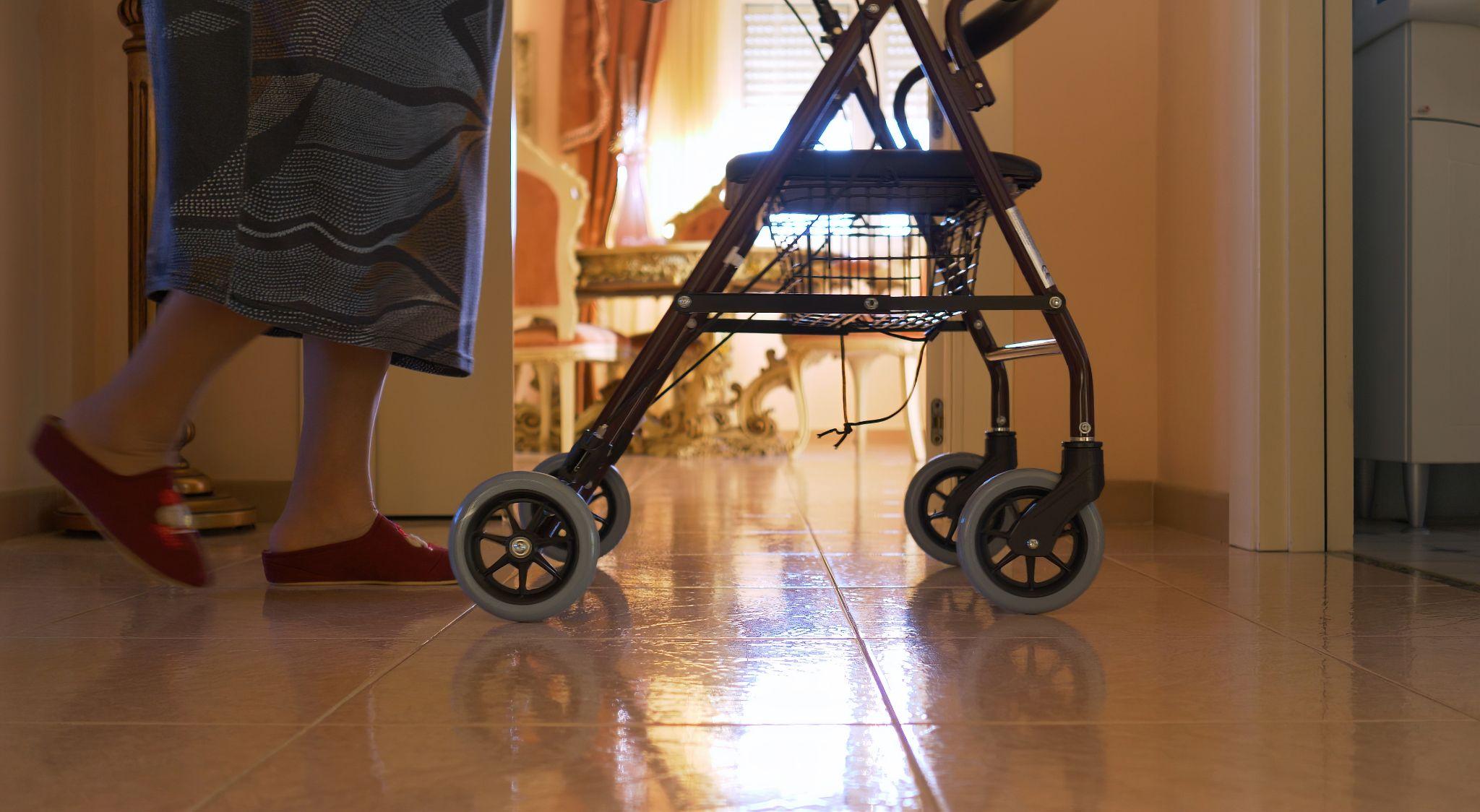
- Walkers and rollators
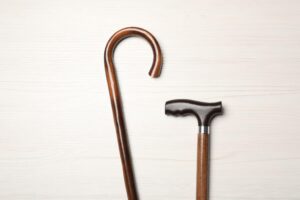
- Canes and crutches
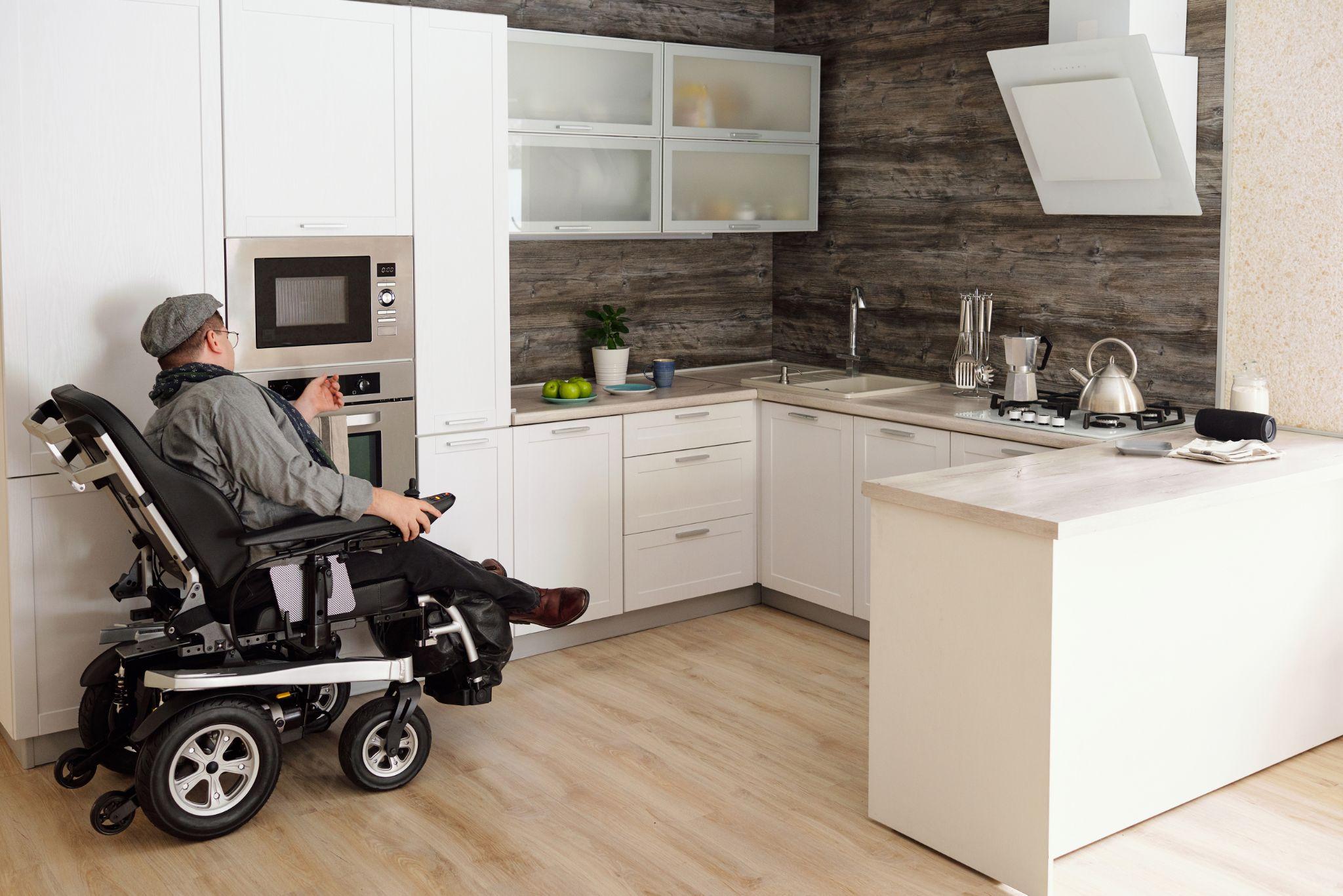
- Manual and power wheelchairs
- Power mobility scooters
- Wheelchair lifts and carriers
These devices help people stay active and independent at home and in the community. For individuals with complex conditions like cerebral palsy, spinal cord injuries, or ALS, complex rehabilitation technology (CRT) offers individually configured seating systems and adaptive equipment.
Respiratory and Oxygen Supplies
Respiratory care is a major category of home medical equipment. Products in this area include oxygen concentrators, portable oxygen units, CPAP machines and supplies, nebulization equipment, and fingertip pulse oximeters. Having a licensed respiratory therapist available, like the one on staff at MacPherson’s, can make setup and ongoing use much smoother.
Daily Living and Personal Care Aids
These are the items that make everyday routines safer and more manageable:
- Hospital beds and lift chairs
- Bathroom safety products (grab bars, shower seats, bath lifts)
- Commodes and basins
- Diabetic shoes and custom insoles
Each of these fills a specific gap in home caregiving. The right combination depends entirely on the individual’s condition and daily routine.
How To Choose the Right Home Medical Equipment
Choosing durable medical equipment isn’t just about picking what looks right online. It’s about matching the product to the person, their body, their home, their lifestyle.
Start With a Professional Assessment
Before purchasing anything, talk with your physician, physical therapist, or an Assistive Technology Professional (ATP). They can evaluate mobility, respiratory needs, and the home environment to recommend equipment that actually fits. MacPherson’s Medical Supply has an on-site ATP who guides patients through finding the right wheelchair systems, seating configurations, and adaptive devices.
Consider the Home Environment
A power wheelchair that works beautifully in a clinic hallway might not fit through your bathroom door. Think about:
- Doorway widths and turning space
- Flooring types (carpet vs. tile)
- Stair access and entry points
- Bathroom layout for safety modifications
Home accessibility modifications, like ramps, stairlifts, grab bars, and roll-in showers, can make a huge difference. These are services worth exploring if your current setup feels limiting.
Think Long-Term
Conditions change. A walker might work today, but a rollator or wheelchair could become necessary later. When possible, choose equipment from a provider that offers repairs, parts, battery replacements, and programming, so you’re not starting from scratch every time something shifts. That long-term relationship with your DME provider matters more than most people realize.
Where To Get Medical Supplies and Equipment in the Rio Grande Valley
You can order medical supplies online, sure. But when it comes to durable medical equipment that needs to be fitted, configured, or explained, working with a local provider is hard to beat.
MacPherson’s Medical Supply has been a go-to resource right here in Harlingen and across the Rio Grande Valley since the early days as a pharmacy. They shifted their full focus to medical supplies in 2009 and haven’t looked back. Today, they offer everything from CPAP machines and oxygen services to custom orthotics crafted in their own lab.
What sets a local, family-owned medical supply company apart?
- Face-to-face service. You can walk into the store, try equipment, and get help on the spot.
- Licensed specialists on staff. Their respiratory therapist provides hands-on instruction for sleep therapy and complex respiratory needs.
- Custom solutions. Their orthotics lab creates prescription insoles and bracing from molds or scans of your feet, designed to correct alignment and relieve pain.
- Equipment repair. Their technicians handle repairs for power wheelchairs, scooters, patient lifts, walkers, and more. In some cases, they can even diagnose issues over the phone.
If you want to browse medical supplies or see all medical supply services they offer, their website is a good starting point. But honestly, a visit to their Harlingen location gives you the full picture.
Tips for Managing and Maintaining Your Equipment

Getting the right equipment is step one. Keeping it in good working condition? That’s the ongoing commitment.
Build a Maintenance Routine
Clean equipment regularly according to the manufacturer’s guidelines. Wheelchair wheels collect debris. CPAP masks need daily cleaning. Hospital bed rails should be wiped down and checked for secure locking. Small habits prevent big problems.
Schedule Professional Check-Ups
Power wheelchairs, scooters, and oxygen concentrators benefit from periodic professional servicing. Battery performance fades over time, programming may need adjustments, and parts wear out. A provider like MacPherson’s offers repairs, modifications, and battery replacement to keep your mobility equipment safe and functional.
Keep Records Organized
Track warranty information, purchase dates, and service history for every piece of equipment. This helps when filing insurance claims, requesting replacements, or coordinating with your healthcare team.
Know When To Upgrade
Equipment that no longer fits, physically or functionally, isn’t just inconvenient. It can be unsafe. If a wheelchair doesn’t provide proper positioning, or a CPAP mask leaks consistently, it’s time to reassess. Don’t wait for something to break completely before reaching out to your DME provider.
Conclusion

Navigating medical supplies and equipment for home caregiving doesn’t have to be a solo effort. The key is knowing what’s available, choosing thoughtfully based on real needs, and partnering with a provider who’ll be there long after the initial purchase.
For families across the Rio Grande Valley, MacPherson’s Medical Supply has been that partner for over 80 years, offering a full range of services from respiratory care to complex rehabilitation, all backed by a team that genuinely understands your needs. Call today to find the right equipment for you, or visit the local store to see the full selection in person.
Visit MacPherson’s Medical Supply at 2325 S 77 Sunshine Strip, Ste. B, Harlingen, Texas 78550. MacPherson’s is open Monday through Friday from 8:00 AM to 5:00 PM. For questions, email admin@macmedsupply.com, call 956-412-9100, or use our Contact page.
What types of medical supplies and equipment are essential for home use?
Essential home medical supplies include mobility equipment like walkers, wheelchairs, and scooters; respiratory devices such as oxygen concentrators and CPAP machines; and daily living aids like hospital beds, bathroom safety products, diabetic shoes, and compression hosiery. The right combination depends on the individual’s condition and daily routine.
How do I choose the right durable medical equipment for a family member?
Start with a professional assessment from a physician, physical therapist, or Assistive Technology Professional (ATP). They evaluate mobility, respiratory needs, and the home environment to recommend properly fitted equipment. Also consider doorway widths, flooring types, and long-term needs, since conditions may change over time.
What is Complex Rehabilitation Technology (CRT) and who needs it?
Complex Rehabilitation Technology provides individually configured mobility and seating systems for people with significant disabilities. Conditions like cerebral palsy, spinal cord injuries, ALS, and muscular dystrophy may benefit from CRT. It includes custom power wheelchairs, seating and positioning systems, standing devices, and gait trainers guided by an Assistive Technology Professional.
Does insurance cover home medical equipment and supplies?
Many insurance plans, including Medicare and Medicaid, cover certain durable medical equipment (DME) when prescribed by a physician and deemed medically necessary. Coverage varies by plan and item, so it’s important to verify benefits with your insurer and work with a knowledgeable DME provider who can help coordinate documentation and claims.
How often should home medical equipment be serviced or maintained?
Clean equipment daily or as directed by the manufacturer—CPAP masks need daily cleaning, and wheelchair wheels should be checked for debris regularly. Schedule professional servicing periodically for power wheelchairs, scooters, and oxygen concentrators to address battery performance, programming adjustments, and worn parts before they become safety issues.
Where can I find reliable medical supplies and equipment in the Rio Grande Valley?
MacPherson’s Medical Supply in Harlingen, Texas, has served the Rio Grande Valley for over 80 years. This family-owned company offers durable medical equipment, respiratory care with a licensed respiratory therapist on staff, custom orthotics crafted in their own lab, equipment repairs, and home accessibility modifications—all with personalized, face-to-face service.