The right medical equipment tips can be the difference between “this kind of works” and “we feel safer and more independent every day.”
If you’re caring for someone—or managing your own health—you shouldn’t have to guess what will work at home. It’s a lot to juggle, and the wrong equipment can add stress, discomfort, or even risk.
At MacPherson’s Medical Supply, we help families across Harlingen and the Rio Grande Valley choose durable medical equipment (DME) that truly fits their home, body, and daily routines.
In this guide, you’ll learn how to choose with confidence. You’ll avoid common mistakes that can lead to returns or injuries. And you’ll get the best value from your equipment—whether you’re buying or renting, making your home safer, or supporting everyday mobility and breathing needs.
Start With The Right Fit For Your Needs
Choosing durable medical equipment isn’t just about a “good brand.” It’s about matching the equipment to the person using it, the space it will live in, and the way you move through a normal day.
If you’re shopping for a wheelchair, hospital bed, cane, commode, walker, or other home medical supply essentials, start with fit. A great device adjusted wrong can be frustrating—and risky.
Match Equipment To Daily Activities And Mobility Goals
Before you decide on a walker vs. a wheelchair (or manual vs. power mobility), focus on real-life moments:
- Getting from bedroom to bathroom safely (especially at night)
- Kitchen tasks: standing, turning, carrying
- Getting in and out of a vehicle
- Doctor visits, church, family events, and errands
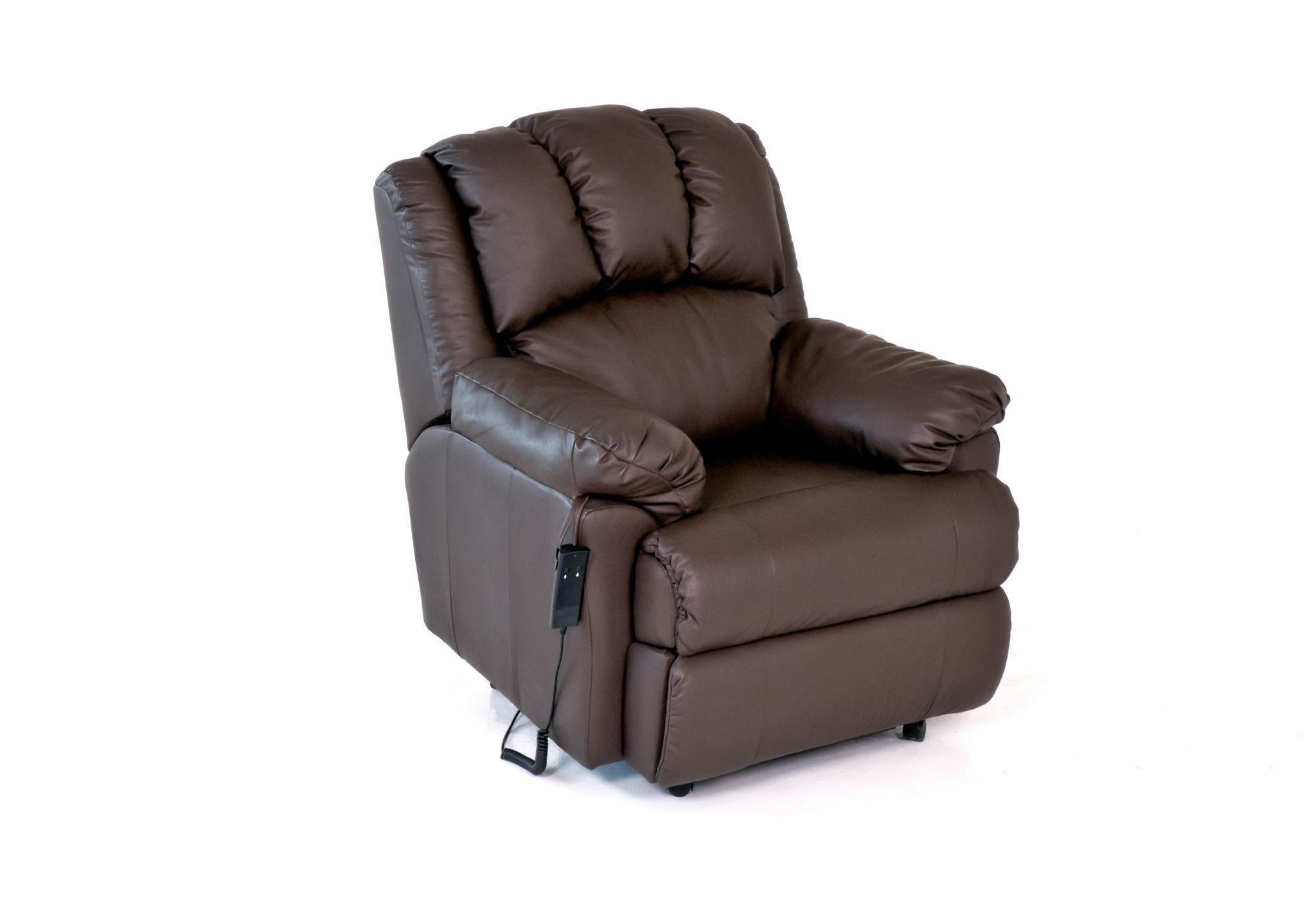
Example: if you’re steady indoors but tire easily outside, a rollator may work at home while a transport chair helps with outings. If transfers are getting harder, a hospital bed or lift chair can reduce strain for both you and your caregiver.
If breathing issues are part of the picture, your plan may also need to account for oxygen services, portable concentrators, and how you’ll carry supplies without losing balance.
Know When A Standard Option Vs. A Custom Fit Matters
Some equipment adjusts to many body types (many walkers, basic wheelchairs, and bathroom safety products). But other needs call for customization—especially for comfort, alignment, or long-term use.
Foot support is often overlooked. Custom insoles can improve balance, support alignment, absorb shock, and distribute pressure more evenly—often meaning fewer hot spots and fewer issues like calluses, bunions, and corns. Many people also notice their knees, hips, and back feel better when foot alignment improves.
For more complex mobility needs (custom seating, power chairs, gait trainers, pediatric mobility), Complex Rehabilitation Technology (CRT) is often the right path. It’s not one-size-fits-all, and it shouldn’t be treated like it is.
Get Accurate Measurements Before You Buy Or Rent
Measurements matter—especially once you’ve tried squeezing a wheelchair through a doorway or realized a commode sits slightly too high.
Before you buy or rent, measure:
- Doorway widths and tight turns (hallways, bathroom entry)
- Bed height (for safer transfers)
- Chair seat height (to match a favorite recliner)
- User height and weight (for proper support and stability)
For wheelchairs and scooters, fit also includes posture and pressure support over time. If you’re unsure, call us—we can often talk through the basics and help narrow down what will actually work in your South Texas home.
If you’d like help choosing equipment, you can browse options when you visit our local store.
Prioritize Safety At Home And On The Go

Most falls don’t happen because someone “did something reckless.” They happen because everyday setups—rugs, tight corners, poor lighting, worn tips—quietly become hazards.
Set Up A Safe Space For Walkers, Wheelchairs, And Power Devices
Start with clear pathways. Think in “routes,” not rooms: bed-to-bathroom, living room-to-kitchen, front door-to-car.
Common fixes:
- Remove or secure throw rugs (double-sided tape helps)
- Improve lighting in hallways and near the bathroom
- Rearrange furniture to widen turns for walkers and wheelchairs
- Keep commonly used items at waist height
For scooters and power mobility, plan where you’ll charge and park the device without blocking exits. Batteries and chargers need a safe, dry spot—especially with Rio Grande Valley humidity swings.
Prevent Falls With Simple Adjustments And Checklists
One of the best habits is a quick weekly equipment check:
- Are walker/wheelchair brakes gripping evenly?
- Are cane tips or crutch tips worn or slick?
- Are wheelchair footrests and armrests secure?
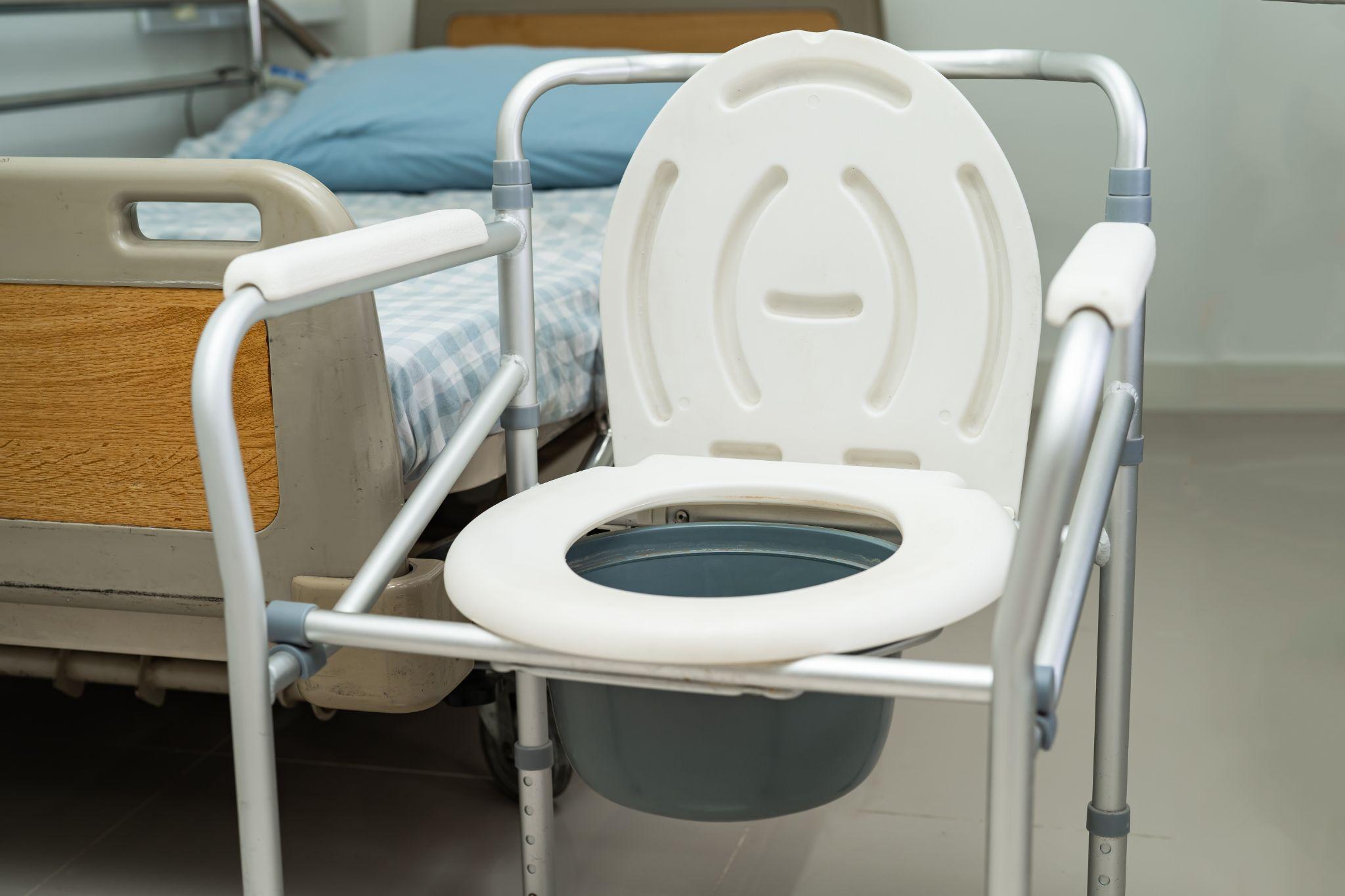
- Does the commode feel stable on the floor?
- Are bed rails (if used) tight and correctly positioned?
Small adjustments matter. If something feels off, don’t just “push through.” Call today to find the right equipment for you, or to see whether it’s a simple repair.
Travel And Transport Tips For Durable Medical Equipment
Taking DME on the road is doable—just do it carefully:
- Secure equipment in the vehicle so it doesn’t slide during sudden stops.
- Protect fragile parts by removing cushions/accessories that could be damaged.
- Plan for power if you use a power chair or portable oxygen concentrator (battery life plus extra time).
If you travel with respiratory equipment, keep supplies (cannulas, filters, backup pulse oximeter) in a small “go bag.”
Use Equipment Correctly To Avoid Discomfort And Injury
Many aches and skin issues come from equipment that’s technically “right” but used in a way that strains joints or creates pressure.
Proper Posture, Hand Placement, And Braking Basics
For walkers and rollators:
- Stand tall—don’t lean forward over the handles.
- Keep the walker close; if it’s too far ahead, you’ll reach and lose stability.
- Use brakes as designed; test rollator brakes and confirm parking brakes lock firmly.
For wheelchairs, aim for neutral posture. Sliding forward creates pressure points, back strain, and harder transfers.
For CPAP machines, correct fit matters too. Mask leaks can lead to dry mouth, poor sleep, and frustration. Our team can help troubleshoot comfort issues so therapy is easier to stick with.
Common Mistakes With Canes, Crutches, And Walkers

Common problems we see:
- Cane on the wrong side (often held on the same side as the sore leg)
- Crutch height too tall, which can irritate nerves
- Worn tips, especially risky on tile
Another issue: continuing to use the same setup even after surgery, weight loss, or a new diagnosis. Your equipment may need adjustments as your body changes.
When Pain, Numbness, Or Skin Irritation Signals A Problem
If you notice:
- Hand or wrist pain from a walker
- Shoulder/neck tension from crutches
- Redness, blisters, or skin breakdown from braces or seating
- Numbness or tingling in hands/arms
…stop and reassess. Sometimes it’s an easy fix (padding, height adjustment, replacing a worn part). Other times it means you need a different device. Custom orthotics/bracing can also help by improving alignment and reducing pressure.
Keep Your Equipment Clean, Maintained, And Reliable
DME is part of daily home life—clean it regularly and check for wear. Maintenance also protects your investment.
Cleaning And Disinfecting Without Damaging Materials
Use manufacturer guidance when available. In general:
- Unplug power devices before cleaning
- Use gentle soap and water for many surfaces
- Avoid harsh chemicals that can crack plastics or degrade rubber grips
Respiratory gear needs extra attention. With CPAP machines and supplies, follow cleaning and replacement instructions closely (especially masks and tubing). For nebulization supplies or oxygen equipment, keep components dry and stored away from heat.
Questions about safe cleaning products? Contact our team—we’d rather answer a quick question than see equipment damaged.
Routine Checks For Wear, Loose Parts, And Battery Health
Set a weekly or biweekly reminder to check:
- Loose screws or wobble in handles/armrests
- Fraying straps on bracing or seating supports
- Cracks in commode seats or shower chair feet
- Tire wear on wheelchairs and scooters
- Battery range dropping on power chairs or portable concentrators
We also offer equipment repair, and sometimes can diagnose issues over the phone.
Replacement Schedules For Tips, Tires, Pads, And Filters
Common replacements:
- Cane and crutch tips
- Walker glide caps or rubber feet
- Wheelchair tires and inner tubes
- Rollator brake cables
- CPAP filters, cushions, and mask components
If you’re unsure what needs replacing, bring the item in. You can also explore our full range of services for setup help, repairs, or specialty fittings.
Choose The Right Support In Harlingen And Surrounding Areas
When you rely on DME daily, the provider matters almost as much as the product. Local support is hard to replace when something loosens, batteries drop fast, or a CPAP mask starts leaking.
What To Look For In A Local DME Provider Or Fitter
You should expect:
- Staff who listen first and don’t rush you
- Knowledgeable fitting help for mobility and bracing
- Access to repairs, parts, and adjustments
- A dependable track record in the community
MacPherson’s Medical Supply is family-owned and trusted for over 80 years, and we’re proud to be your local source for durable medical equipment in the Rio Grande Valley.
Learn more here: our story at MacPherson’s Medical Supply.
Delivery, Setup, Training, And Ongoing Service Questions To Ask
Before you commit, ask:
- Do you deliver and set up equipment in the home?
- Will you show us how to use it safely (and adjust it)?
- Who do we call if something breaks?
- Do you carry replacement parts in stock?
For respiratory care, support is especially important. We offer respiratory supplies and equipment with a licensed respiratory therapist on staff, so you can speak with a respiratory therapist about oxygen therapy questions, CPAP comfort issues, and more complex needs.
Our respiratory therapy and supplies often include:
- Oxygen concentrators and portable oxygen concentrators
- Nebulization supplies
- Breathing therapy support
- CPAP supplies
- Fingertip pulse oximeters
Coordinating With Your Clinician Or Therapist For Best Results
Best outcomes happen when equipment matches your care plan. Involve your clinician, PT/OT, or discharge planner—especially for power wheelchairs, complex seating, orthotic bracing, or home accessibility modifications.
We also help with home and vehicle accessibility, including ramps, doorway modifications, bathroom safety, and other changes that make daily life easier.
Call today to find the right equipment for you, or visit our local store to talk through options with a team that knows South Texas homes.
Conclusion

Good medical equipment tips don’t just help you buy something—they help you live with it well. The best durable medical equipment (DME) fits your body, supports your routine, stays safe at home, and comes with real support when something changes.
If you’re ready to find the right durable medical equipment or respiratory supplies, visit our local store, check out our full range of services, or learn more about our story at MacPherson’s Medical Supply. We’re proud to serve the Rio Grande Valley with trusted care.
Visit MacPherson’s Medical Supply at 2325 S 77 Sunshine Strip, Ste. B, Harlingen, Texas 78550. We’re open Monday through Friday from 8:00 AM to 5:00 PM. For questions, email us at admin@macmedsupply.com or call 956-412-9100.
Frequently Asked Questions About Medical Equipment Tips
What are the most important medical equipment tips before buying or renting DME?
Match the equipment to daily needs and mobility goals, then confirm home fit (doorways, turns, bed height) and correct sizing for height/weight. Prioritize safety features, ask about repairs/warranty, and plan for ongoing supplies (tips, filters, batteries).
How do I choose between a walker, rollator, wheelchair, or transport chair?
Choose based on real-life tasks (bathroom trips, cooking, car transfers, outings). Rollators suit steadier users who need support plus a seat; transport chairs help for longer outings with a caregiver. If transfers are difficult, consider a hospital bed or lift chair.
What measurements should I take to make sure medical equipment fits my home?
Measure doorways, hallways, and tight turns (especially bathrooms). Check bed and chair seat height for safer transfers, and confirm user height/weight for stability. For wheelchairs/scooters, ensure proper posture and pressure relief.
What weekly safety checks help prevent falls with medical equipment?
Check brakes, worn tips, and that footrests/armrests are secure. Confirm commodes are stable and bed rails (if used) are tight and correctly positioned.
How should I clean and disinfect durable medical equipment without damaging it?
Follow the manufacturer’s instructions. Unplug powered devices, use mild soap and water, and avoid harsh chemicals that can damage plastics/rubber. For CPAP parts, follow cleaning and replacement schedules closely.
Does insurance cover durable medical equipment, and what paperwork do I need?
Coverage varies, but often requires proof of medical necessity. Have a prescription (if needed), diagnosis/clinical notes, insurance info, and any prior authorizations, and confirm required forms and timelines with your provider.