How Do You Prepare the Home Before Discharge Day?
The work starts before the wheels of the wheelchair hit the front porch. Ideally, we use the 24–48 hours before discharge to walk the home with fresh eyes and ask one question: can our senior get from the front door to the bathroom to the bed without struggling?
A quick pre-discharge checklist:
- Clear pathways. Move furniture so there’s at least 36 inches of walking space, especially for walkers or wheelchairs.
- Set up a recovery zone. Pick one main floor where the bedroom, bathroom, and kitchen are all accessible. Stairs are the enemy in week one.
- Stock essentials. Groceries, prescriptions, incontinence supplies, and easy-to-prep meals should already be in the house.
- Confirm the discharge plan. Get written instructions, follow-up appointments, and a direct number for the discharge nurse.
A little prep on the front end saves us from frantic 9 p.m. pharmacy runs later.

What Simple Modifications Fall-Proof Every Room?
Falls are the leading cause of injury for adults 65 and older, and the risk spikes sharply in the weeks after a hospital stay. The good news: most fall hazards can be fixed in an afternoon with items from the hardware store.
Walk through each room and look for:
- Loose rugs and cords. Either remove them or secure with non-slip backing and cord covers.
- Poor lighting. Add motion-sensor nightlights in hallways, bathrooms, and the path from bed to toilet.
- Slippery floors. Skip the freshly waxed look until recovery is complete.
- Low seating. Recliners and couches that swallow you whole are tough to get out of. Add a firm cushion or riser.
Also consider grab bars in transitional spots, like next to the front door or near a step-down into the living room.
Bathroom and Bedroom Safety Essentials
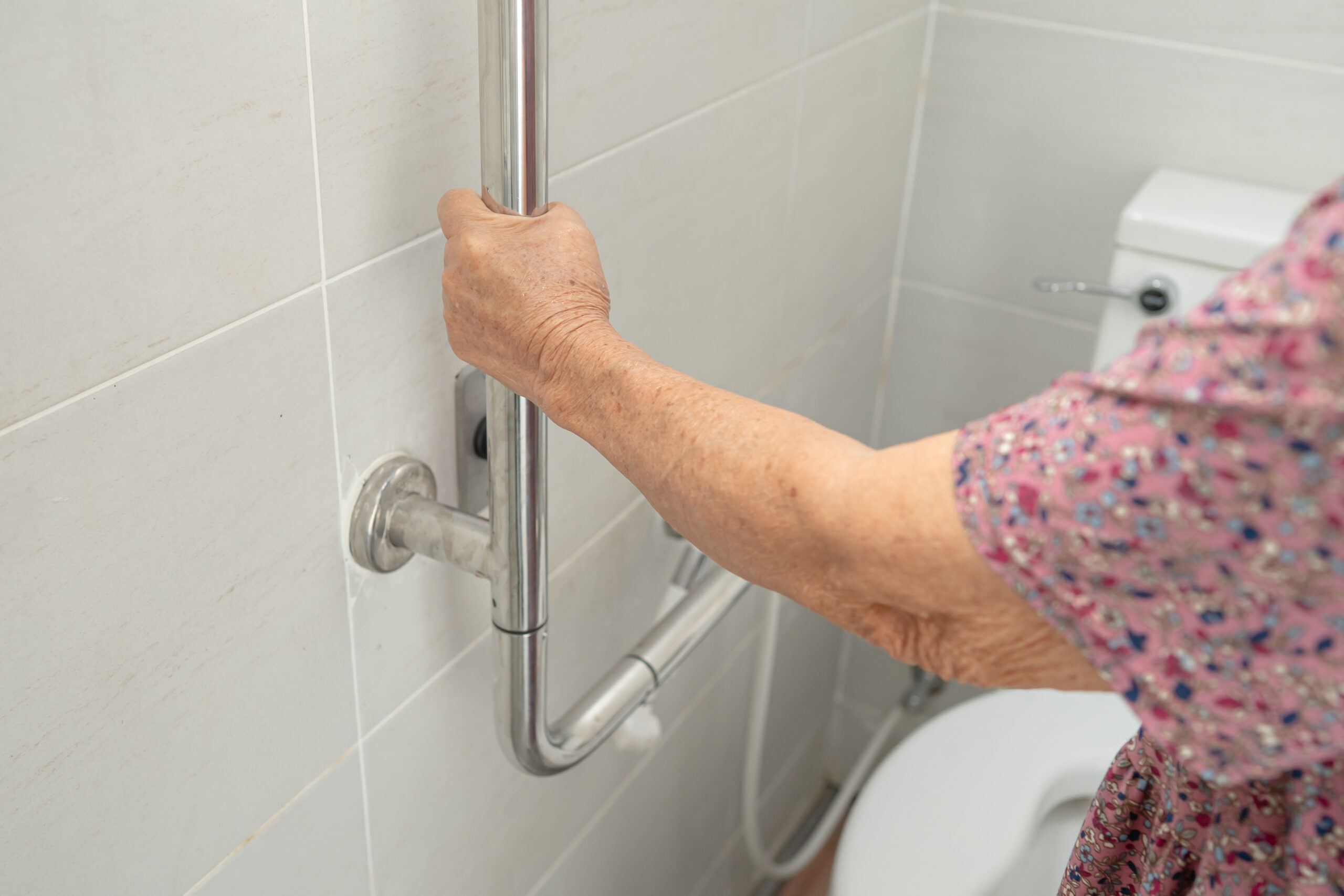
Research shows that falls happen throughout the home — living rooms and bedrooms together account for a significant share of incidents, with bathrooms also posing a meaningful risk, particularly due to wet surfaces and limited maneuvering space. All three deserve serious attention.
Bathroom must-haves:
- A shower chair or transfer bench
- Grab bars near the toilet and inside the shower (suction cups don’t count, anchor them into studs)
- Non-slip mats inside and outside the tub
- A raised toilet seat if hip or knee mobility is limited
- A handheld showerhead
Bedroom must-haves:
- A bed at the right height, knees should be at roughly a 90-degree angle when sitting on the edge
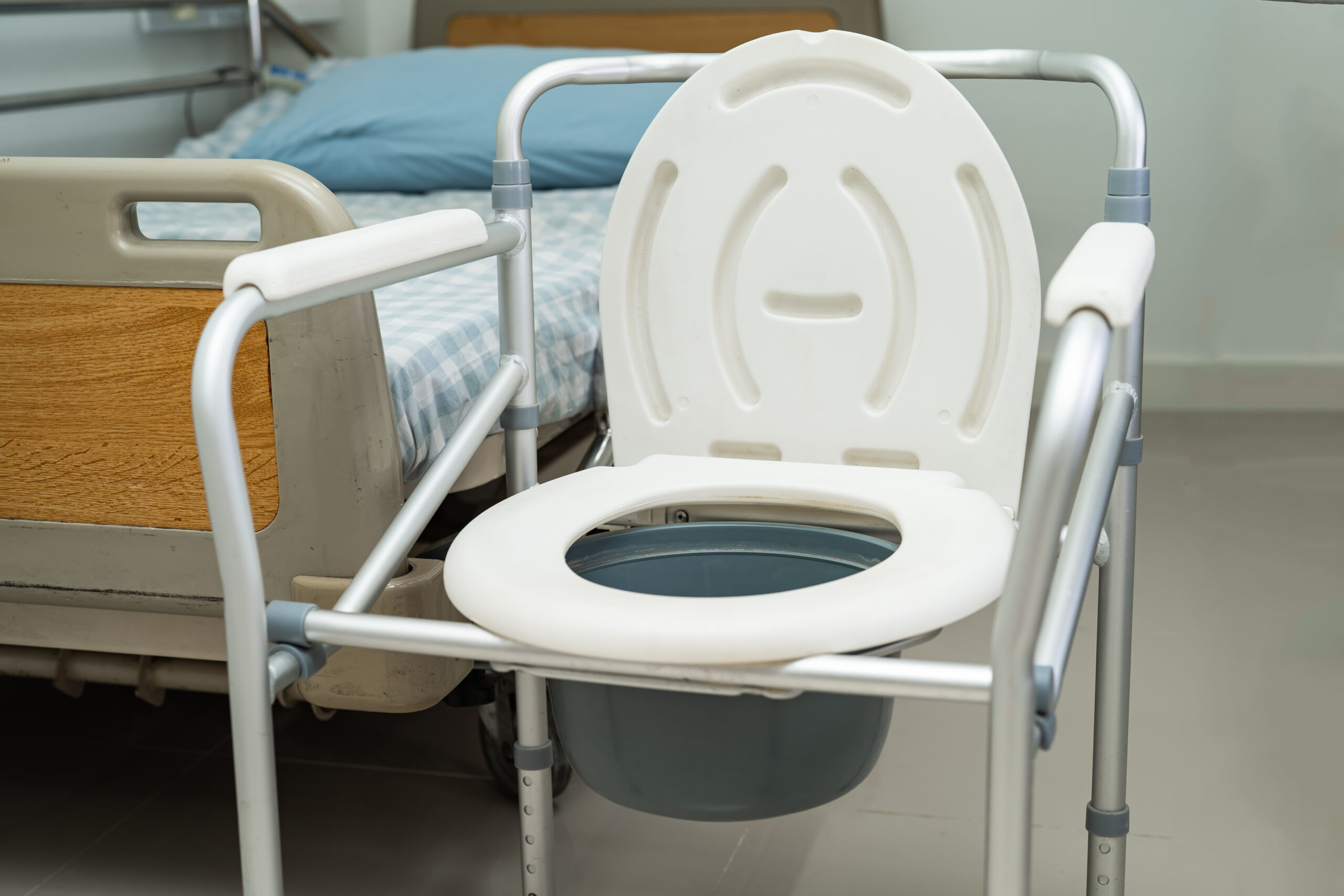
- A bedside commode if nighttime bathroom trips are risky
- A clear path to the bathroom with a nightlight
- A phone or call button within arm’s reach
How Do You Organize Medications, Medical Equipment, and Recovery Supplies?
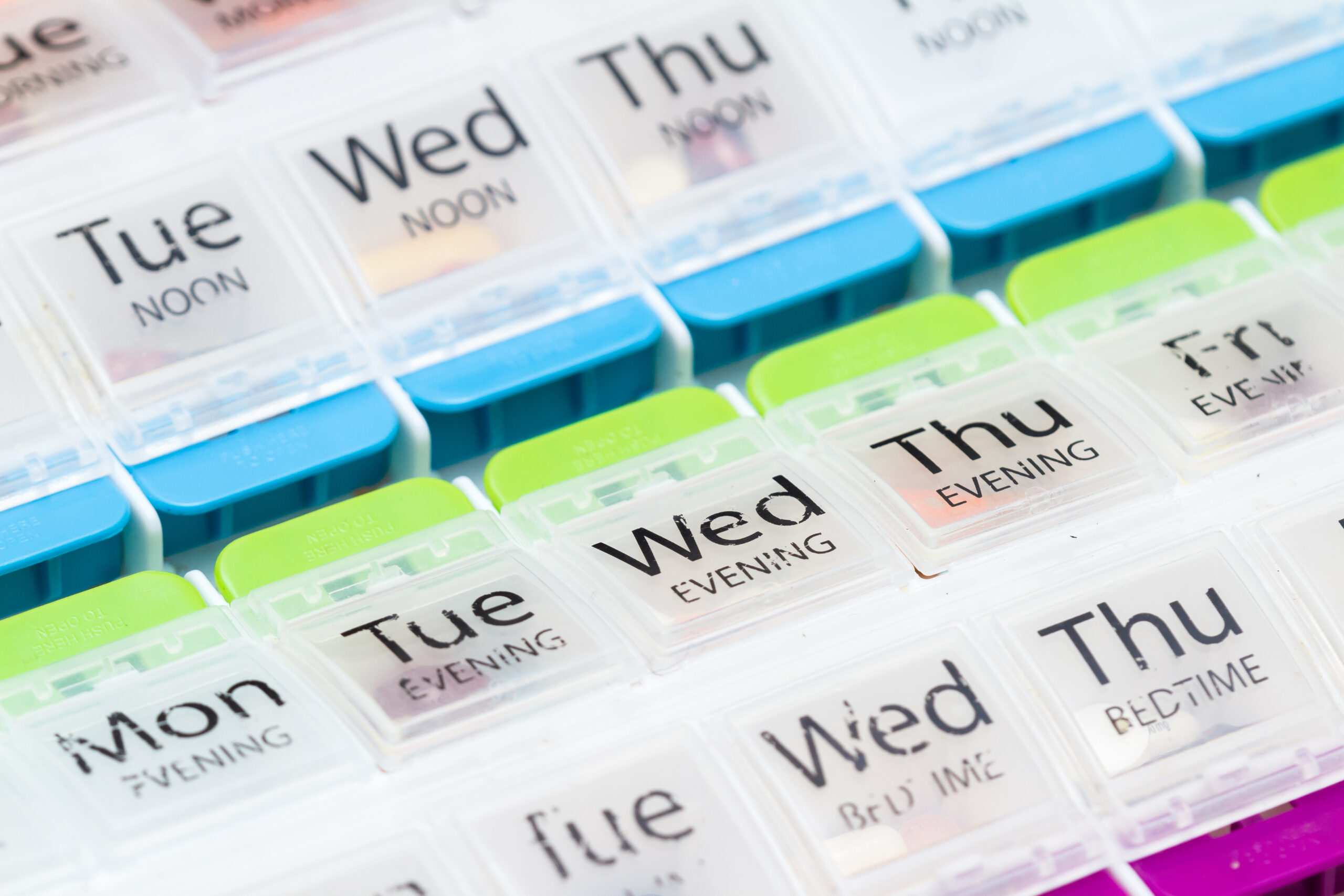
Post-discharge medication errors are shockingly common. Studies suggest nearly half of seniors experience a medication discrepancy within days of leaving the hospital. A simple system prevents most of them.
Here’s what we recommend setting up on day one:
- A weekly pill organizer (AM/PM compartments) filled by the same person each week.
- A medication log listing each drug, dose, time, purpose, and prescriber. Tape it inside a kitchen cabinet.
- A reconciliation check. Compare the discharge list to what’s actually in the house. Toss anything that was discontinued.
- A central supply station. Wound-care items, blood pressure cuff, glucose monitor, oxygen tubing, whatever applies, all in one labeled bin.
If durable medical equipment like a walker, oxygen concentrator, or hospital bed is being delivered, confirm arrival before discharge day. At MacPherson’s Medical Supply, we carry a full range of home medical equipment and can coordinate delivery to align with discharge timelines — equipment showing up two days late is a real problem we see all the time. Browse our medical supply store to find the right equipment for your loved one’s recovery needs.
How Do You Plan Daily Care, Mobility Support, and Emergency Response?
Recovery rarely happens on a tidy schedule. We need a plan that covers the predictable days and the moment something goes sideways at 2 a.m.
Build a daily care routine that includes meals, medications, hygiene, light movement, and rest. Write it down. A printed schedule on the fridge keeps everyone, including rotating family members, on the same page.
Plan mobility support based on the discharge instructions. If physical therapy is ordered, schedule it the same week. Practice transfers (bed to chair, chair to toilet) with the senior before they’re tired or alone.
Set up emergency response with these basics:
- A medical alert device or smartwatch with fall detection
- Emergency contacts posted near every phone
- A list of current medications and conditions in a wallet or near the front door for paramedics
- A clear plan for who responds first if an alarm goes off
If we live far away, our medical supply services — including equipment consultations and delivery — can help fill the gap. Don’t wait for a crisis to research them.
How Do You Support Emotional Well-Being During Long-Term Recovery?
Physical safety gets all the attention, but emotional recovery quietly determines how well someone heals. Hospital stays are disorienting. Coming home can bring a wave of anxiety, depression, or even mild delirium, especially in the first two weeks.
A few things that genuinely help:
- Routine and natural light. Open the blinds, eat meals at normal times, keep a regular bedtime.
- Connection. Short, frequent visits beat long, exhausting ones. A daily phone call counts.
- Purpose. Small tasks (folding towels, watering plants) restore a sense of independence.
- Honest conversations. Ask how they’re feeling, not just how they’re sleeping. Loop in the primary care doctor if mood shifts last more than a week or two.
Long-term recovery also means revisiting the home setup every few weeks. What worked in week one might be unnecessary by week six, or it might need to be expanded if mobility changes. Stay flexible.
What Matters Most in the First 30 Days at Home: How to Set Up a Safe Home for a Senior After Hospital Discharge
Knowing how to set up a safe home for a senior after hospital discharge isn’t about getting everything perfect, it’s about removing the obvious risks and building a routine that supports healing. Start with the path from bed to bathroom, get medications under control, and lean on the people and tools around you. With our 80-year history serving families through exactly these situations, we understand what caregivers need most in those first critical weeks. The first few weeks are the hardest. With a thoughtful setup — and the right support — they’re also the ones where real recovery begins. Get in touch or request a quote and we’ll help you get everything in place before your loved one comes home.
What should I do the day before a senior comes home from the hospital?
The day before discharge, clear all pathways to at least 36 inches wide, stock essentials like groceries and prescriptions, confirm medical equipment deliveries, and set up the recovery zone on the main floor. Review the written discharge instructions and make sure you have direct contact information for the discharge nurse. A little preparation the day before prevents a lot of chaos on day one.
How do I reduce fall risks in a senior’s home after discharge?
Remove loose rugs and secure cords, add motion-sensor nightlights along key paths, and replace low seating with firmer options. Install anchored grab bars in the bathroom near the toilet and shower. Avoid freshly waxed floors during recovery. While bathrooms carry a well-known fall risk due to wet surfaces and tight spaces, research indicates that living rooms and bedrooms are also frequent sites of falls — so it’s worth assessing every room, not just the bathroom.
What bathroom modifications are most important for senior safety?
The highest-priority bathroom modifications are anchored grab bars near the toilet and inside the shower, a shower chair or transfer bench, non-slip mats inside and outside the tub, and a handheld showerhead. If mobility in the hips or knees is limited, add a raised toilet seat. Suction-cup grab bars are not adequate — always anchor them into wall studs for reliable support.
How can I prevent medication errors after a hospital discharge?
Use an AM/PM weekly pill organizer filled by one designated person each week. Create a medication log listing each drug, dose, timing, purpose, and prescriber, and post it inside a kitchen cabinet. On discharge day, compare the new medication list to what’s in the house and discard anything discontinued. A simple, consistent system eliminates most post-discharge medication discrepancies before they become dangerous.
What is the best way to set up emergency response for a senior at home?
Set up a medical alert device or smartwatch with fall detection, and post emergency contacts near every phone in the home. Keep a printed list of current medications and medical conditions in the senior’s wallet and near the front door for first responders. Assign a clear primary contact who responds first if an alarm triggers. For families living far away, remote monitoring and home health aides offer reliable backup.
How do I support a senior’s emotional health after returning home from the hospital?
Maintain a consistent daily routine, open the blinds for natural light, and keep regular meal and sleep times. Encourage short, frequent visits or daily phone calls rather than long, draining gatherings. Give the senior small purposeful tasks like watering plants or folding laundry to restore their sense of independence. If low mood or anxiety persists beyond two weeks, loop in their primary care doctor promptly.
When should I update the home safety setup during recovery?
Revisit the home setup every two to three weeks throughout the recovery period. What was essential in week one, like a bedside commode or maximum furniture clearance, may no longer be needed as mobility improves. Conversely, new challenges may arise that require additional support or equipment. Staying flexible and reassessing regularly ensures the home environment continues to match the senior’s changing needs.
Do I need professional help to set up a safe home after hospital discharge?
Not always, but professional support can make a significant difference. A home health occupational therapist can conduct a formal home safety assessment and recommend specific modifications. For complex medical needs, a home health aide or visiting nurse may be necessary. Many hospitals offer discharge planning services or social workers who can connect families with local resources, so ask before leaving the facility.
How to make a home safe for an elderly person?
To make a home safe for an elderly person, start by removing trip hazards like loose rugs and clutter. Install grab bars in the bathroom, improve lighting throughout the home, and secure handrails on all staircases. Rearrange frequently used items to within easy reach, add non-slip mats, and consider a medical alert system. These simple changes significantly reduce the risk of falls and injuries.
Can a hospital discharge a patient to unsafe home conditions?
Discharging a patient who cannot walk, bathe, eat, or take medication on their own without arranging proper support is a dangerous oversight. Hospitals must consider a patient’s functional status before sending them home.
Legally, hospitals are required to ensure a safe discharge plan is in place. If home conditions are deemed unsafe, they must coordinate with social workers, arrange home health services, or explore alternative placements. Discharging to an unsafe environment can expose the hospital to liability and, more importantly, puts the patient at serious risk.