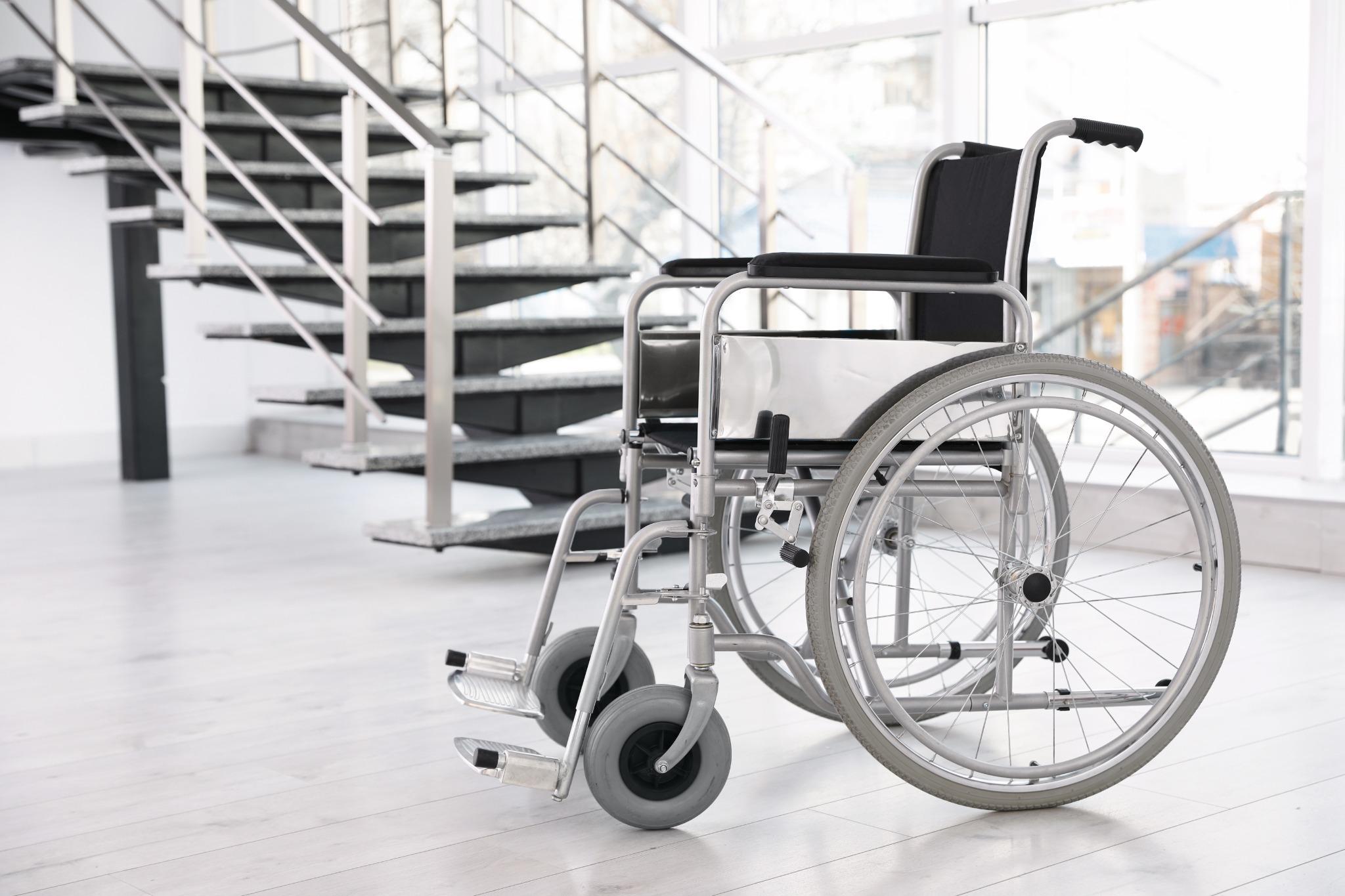
Your durable medical equipment is more than a purchase, it’s something you rely on every single day. Whether it’s a wheelchair, hospital bed, CPAP machine, or walker, keeping that equipment in top shape directly affects your comfort, safety, and independence.
At MacPherson’s Medical Supply, we’ve spent over 80 years helping families across the Rio Grande Valley find the right medical supplies and keep them working like they should. We know that learning how to maintain durable medical equipment doesn’t have to be complicated. A few consistent habits can save you money, prevent breakdowns, and extend the life of the devices you depend on.
In this guide, we’ll walk you through practical, easy-to-follow care tips, from daily cleaning routines to knowing when it’s time for professional repair.
Why Proper DME Maintenance Matters for Safety and Longevity
Durable medical equipment is built to last, but “durable” doesn’t mean “indestructible.” Over time, parts wear down, surfaces collect bacteria, and small issues turn into bigger, and more expensive, problems. Regular maintenance keeps your equipment safe to use and functioning the way it was designed to.
For mobility devices like wheelchairs and scooters, neglected maintenance can lead to brake failures, flat tires, or electrical malfunctions. For respiratory equipment like oxygen concentrators and CPAP machines, dirty filters or worn tubing can reduce therapy effectiveness and even pose health risks.
There’s also a financial side to this. Well-maintained DME lasts significantly longer, which means fewer out-of-pocket replacements. And if your equipment is covered through Medicare or insurance, keeping it in good condition is often part of the agreement. Bottom line: a little routine care goes a long way toward protecting both your health and your investment.
Daily and Weekly Cleaning Best Practices

Cleaning is the simplest and most effective thing you can do to extend the life of your medical equipment. Here’s how to approach it based on the type of DME you use.
Daily Cleaning
- Wheelchairs, walkers, and canes: Wipe down armrests, handles, and seats with a mild disinfectant or soap-and-water solution. These are high-touch surfaces that collect germs quickly.
- CPAP masks: Rinse your mask cushion with warm water each morning after use. This removes facial oils and keeps the seal effective.
- Hospital beds: Wipe side rails and controls daily, especially if multiple caregivers are assisting.
Weekly Cleaning
- CPAP humidifier chambers: Soak in a mixture of warm water and white vinegar for about 30 minutes, then rinse thoroughly and air dry.
- CPAP tubing: Submerge the tubing in warm, soapy water, swish gently, rinse thoroughly, and hang to air dry completely before next use. This prevents moisture buildup and microbial growth inside the tube.
- Wheelchair frames and wheels: Use a damp cloth to remove dust and debris. Check caster wheels for hair or thread buildup, this is a surprisingly common issue that affects rolling performance.
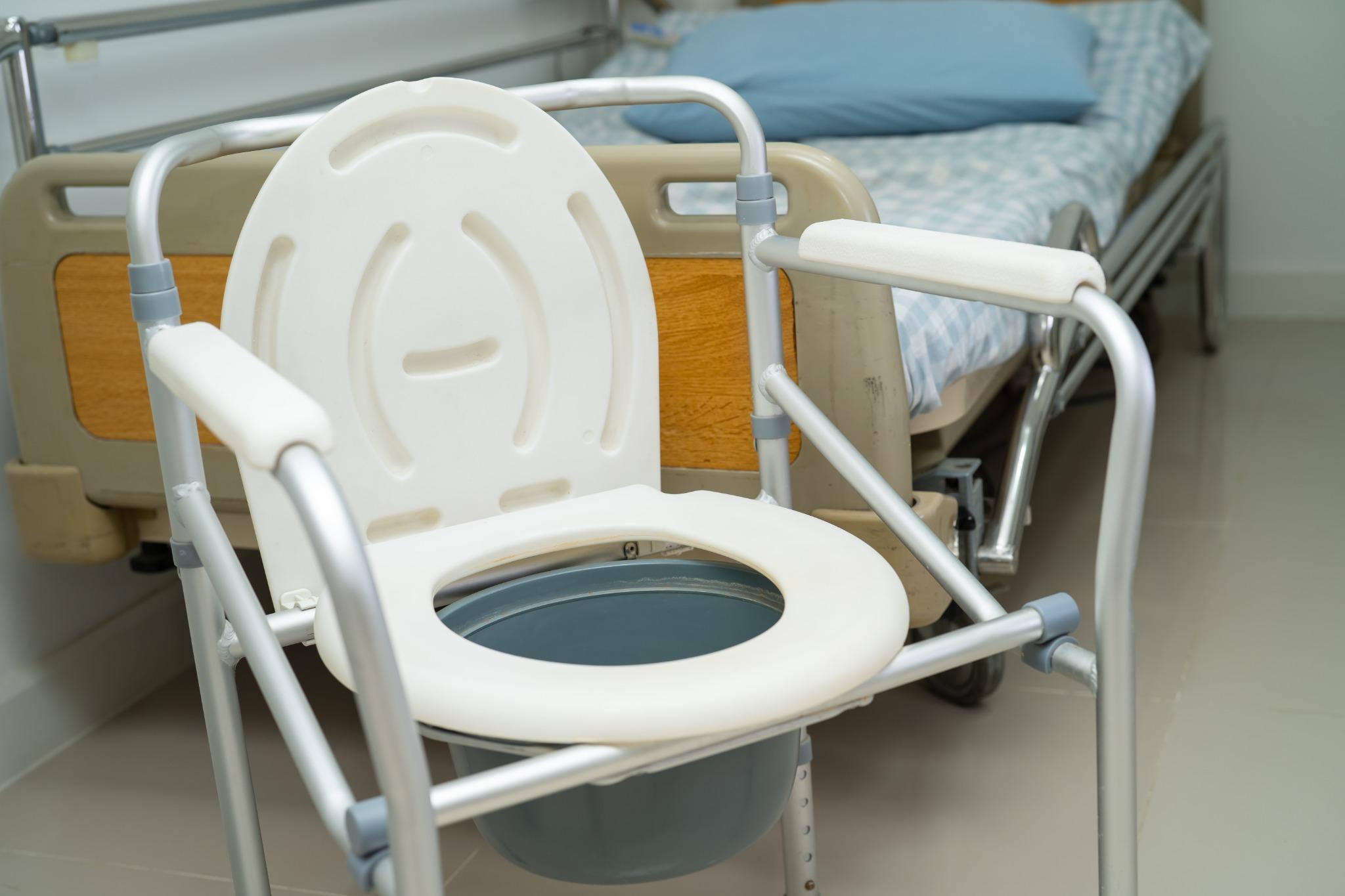
- Commodes and bath safety products: Disinfect all contact surfaces with a non-abrasive antibacterial cleaner.
One thing we always tell our customers: avoid harsh chemicals like bleach on most DME surfaces. They can degrade rubber seals, crack plastic components, and damage upholstery over time. When in doubt, check your equipment’s user manual or give us a call.
Routine Inspection and Preventive Maintenance Schedule
Beyond cleaning, you should build a habit of visually inspecting your equipment on a regular basis. Think of it like checking the oil in your car, catching a small problem early prevents a major headache later.
Monthly Checks
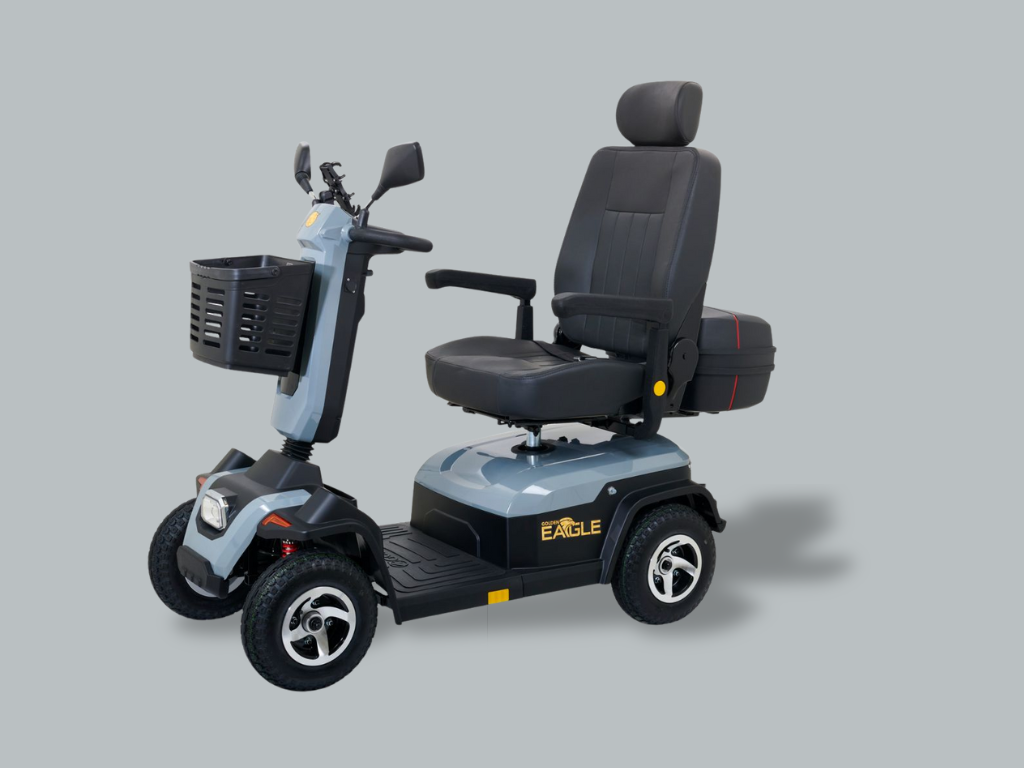
- Tires and wheels: Look for cracks, low air pressure, or uneven wear on wheelchair and scooter tires.
- Brakes and locks: Test that wheel locks engage fully and hold the device in place.
- Batteries: For power wheelchairs and scooters, check that batteries hold a full charge. A noticeable drop in runtime often signals it’s time for a battery replacement.
- CPAP filters: Disposable filters should be swapped monthly. Reusable ones need a thorough rinse and inspection.
Every 3–6 Months
- Upholstery and cushions: Check for tears, sagging, or compressed foam. Seat cushions on wheelchairs are critical for pressure relief.
- Electrical connections: On power mobility devices, inspect wiring and connectors for fraying or corrosion.
- Oxygen equipment: If you use an oxygen concentrator, check the flow rate with a flow meter and ensure the unit isn’t overheating during use.
Keeping a simple log, even just notes on your phone, helps you track what’s been checked and when. It’s especially useful if you’re a caregiver managing equipment for a family member.
Storage and Environmental Care Tips
Here in South Texas, our climate can be tough on medical equipment. Heat, humidity, and dust are constant factors, especially during the long summer months in the Rio Grande Valley.
Store your DME in a clean, dry, temperature-controlled area whenever possible. Avoid leaving wheelchairs, scooters, or walkers in a hot garage or vehicle trunk for extended periods, extreme heat can warp plastics, degrade battery life, and weaken adhesives.
For CPAP machines and respiratory supplies, humidity is the bigger concern. Moist environments encourage mold growth inside tubing and humidifier chambers. Store these items in a well-ventilated room and make sure everything is completely dry before putting it away.
A few more quick tips:
- Keep equipment off the floor when storing long-term to prevent moisture damage.
- Cover unused devices with a breathable cloth or fitted cover to keep dust out.
- Never store batteries fully discharged. Charge power wheelchair and scooter batteries to at least 50% before any storage period longer than a couple of weeks.
These small steps make a real difference in how long your equipment stays functional and safe.
When to Seek Professional Repair or Replacement
There comes a point where DIY maintenance isn’t enough. Knowing when to call in a professional can prevent injuries and save you from using equipment that’s no longer safe.
Seek professional help if you notice:
- Unusual noises from power wheelchairs or scooters (grinding, clicking, or whining)
- Inconsistent braking or steering that pulls to one side
- Visible structural damage like bent frames, cracked welds, or broken footrests
- Electrical issues such as intermittent power, unresponsive controls, or error codes
- Reduced therapy effectiveness from respiratory equipment even though new filters and clean components
Our technicians at MacPherson’s Medical Supply provide equipment repair services for power wheelchairs, manual wheelchairs, scooters, patient lifts, walkers, and more. In some cases, we can even diagnose the problem over the phone. We handle everything from battery replacements and programming to full modifications and parts sourcing.
If your equipment is beyond repair or no longer meets your needs, we can help you find the right replacement. Our team, including a licensed respiratory therapist on staff, will make sure you’re matched with the best solution. Stop by to browse medical supplies or explore our full range of services to see how we can help.

Conclusion
Maintaining your durable medical equipment isn’t just about keeping things clean, it’s about protecting your independence, comfort, and safety at home. With consistent cleaning, regular inspections, smart storage habits, and timely professional repairs, your DME can serve you well for years.
As a family-owned medical supply company that’s been serving the Rio Grande Valley for over 80 years, we’re proud to be your local source for durable medical equipment, respiratory care, and expert repair services right here in Harlingen. Whether you need a new CPAP filter, a wheelchair tune-up, or guidance on caring for your equipment, we’re here to help.
Contact us today to find the right equipment for you, or visit our local store to see our full selection.
Visit MacPherson’s Medical Supply at 2325 S 77 Sunshine Strip, Ste. B, Harlingen, Texas 78550. We’re open Monday through Friday from 8:00 AM to 5:00 PM. For questions, email us at admin@macmedsupply.com or call 956-412-9100.
How often should I clean my durable medical equipment?
Daily cleaning is essential for high-touch surfaces like wheelchair handles, walker armrests, and CPAP masks. Weekly deeper cleaning of components like humidifier chambers and wheels helps prevent bacterial growth and mechanical issues. Regular cleaning extends equipment life and maintains safety.
What cleaning products should I avoid when maintaining DME?
Avoid harsh chemicals like bleach on medical equipment surfaces, as they degrade rubber seals, crack plastic components, and damage upholstery. Instead, use mild soap-and-water solutions or non-abrasive antibacterial cleaners. Always check your equipment’s user manual for manufacturer-approved cleaning methods.
How often should I inspect my wheelchair, scooter, or power mobility device for maintenance?
Perform monthly checks on tires, wheels, brakes, and batteries for power devices. Every 3–6 months, inspect upholstery, electrical connections, and cushion integrity. Regular inspections catch small problems early, preventing costly repairs and ensuring your mobility equipment remains safe and functional.
What are the signs that my durable medical equipment needs professional repair?
Seek professional help if you notice unusual noises, inconsistent braking or steering, visible structural damage, electrical malfunctions, or reduced therapy effectiveness. MacPherson’s Medical Supply technicians can often diagnose issues over the phone and provide repairs for wheelchairs, scooters, walkers, and respiratory equipment.
How should I store durable medical equipment in hot and humid climates?
Store DME in a clean, dry, temperature-controlled area away from extreme heat, which can warp plastics and degrade batteries. For respiratory equipment, humid environments encourage mold growth, so ensure items are completely dry before storage. Keep equipment off the floor, cover unused devices with breathable cloth, and maintain battery charge at 50% during storage.
Why is proper maintenance of durable medical equipment important for safety?
Neglected DME maintenance can lead to brake failures, flat tires, electrical malfunctions, and reduced therapy effectiveness, all of which pose health and safety risks. Regular maintenance ensures equipment functions as designed, protects your independence and comfort, and extends the lifespan of devices you depend on daily.