Choosing durable medical equipment isn’t something most people plan for, until they need it. Maybe a parent just came home from the hospital, or your doctor recommended a wheelchair or CPAP machine to improve your quality of life. Suddenly, you’re sorting through options, insurance rules, and supplier lists with very little guidance.
We get it. At MacPherson’s Medical Supply, we’ve spent over 80 years helping families in the Rio Grande Valley navigate exactly these decisions. And we’ve learned that knowing how to choose durable medical equipment the right way can save you time, money, and a lot of frustration. This guide walks you through the essentials, what DME actually is, what to look for, how insurance works, and how to find a supplier you can trust.
What Qualifies as Durable Medical Equipment (DME)?
Before you start shopping, it helps to understand what actually counts as durable medical equipment. The term “DME” has a specific definition, especially when it comes to insurance and Medicare coverage.
Durable medical equipment is any medical device prescribed by a physician that is designed for repeated use, serves a medical purpose, and is appropriate for home use.
Common examples include:
- Hospital beds
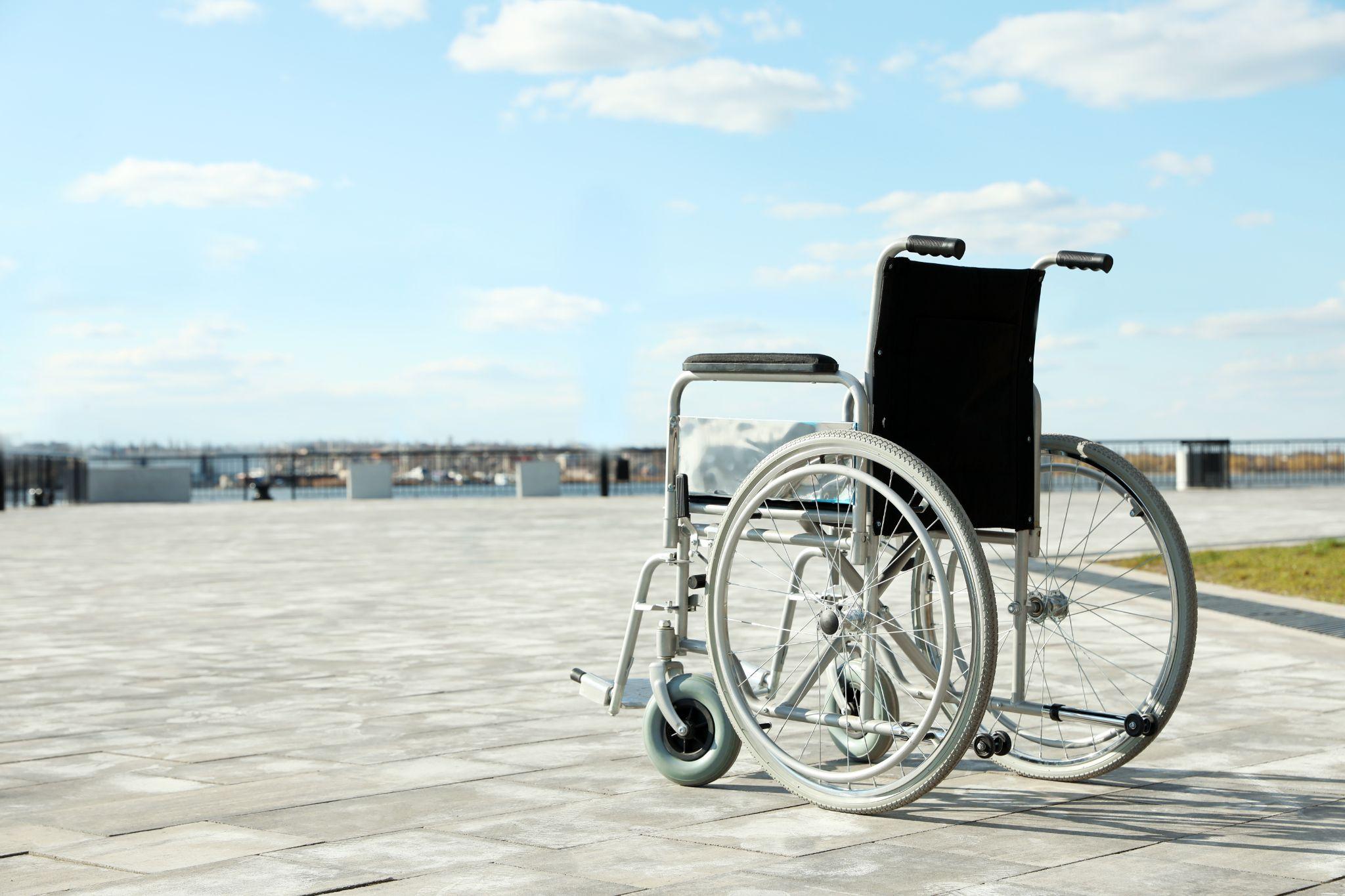
- Wheelchairs
- Walkers
- CPAP machines
- Oxygen concentrators
- Commodes
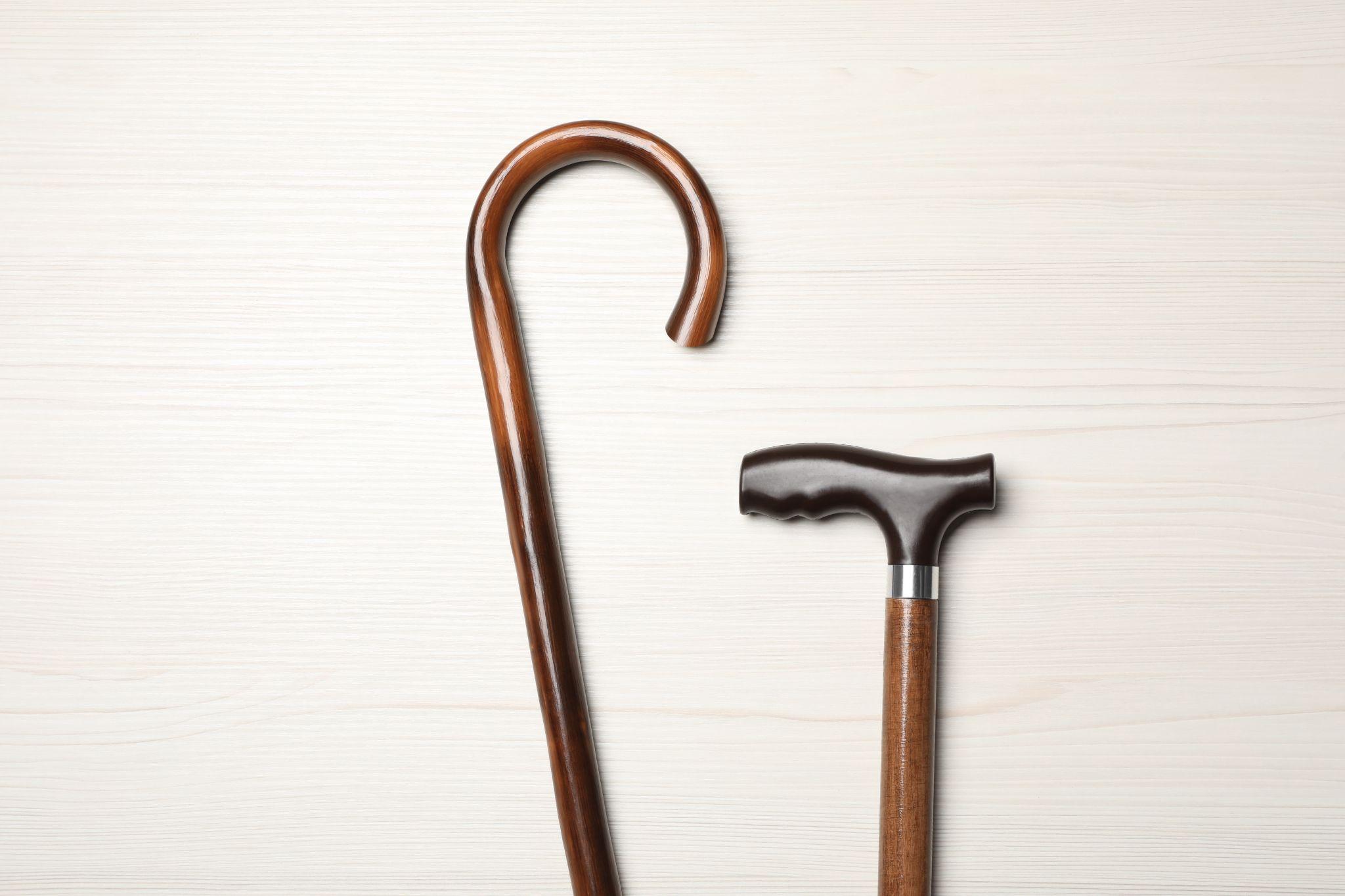
- Canes
- Rollators
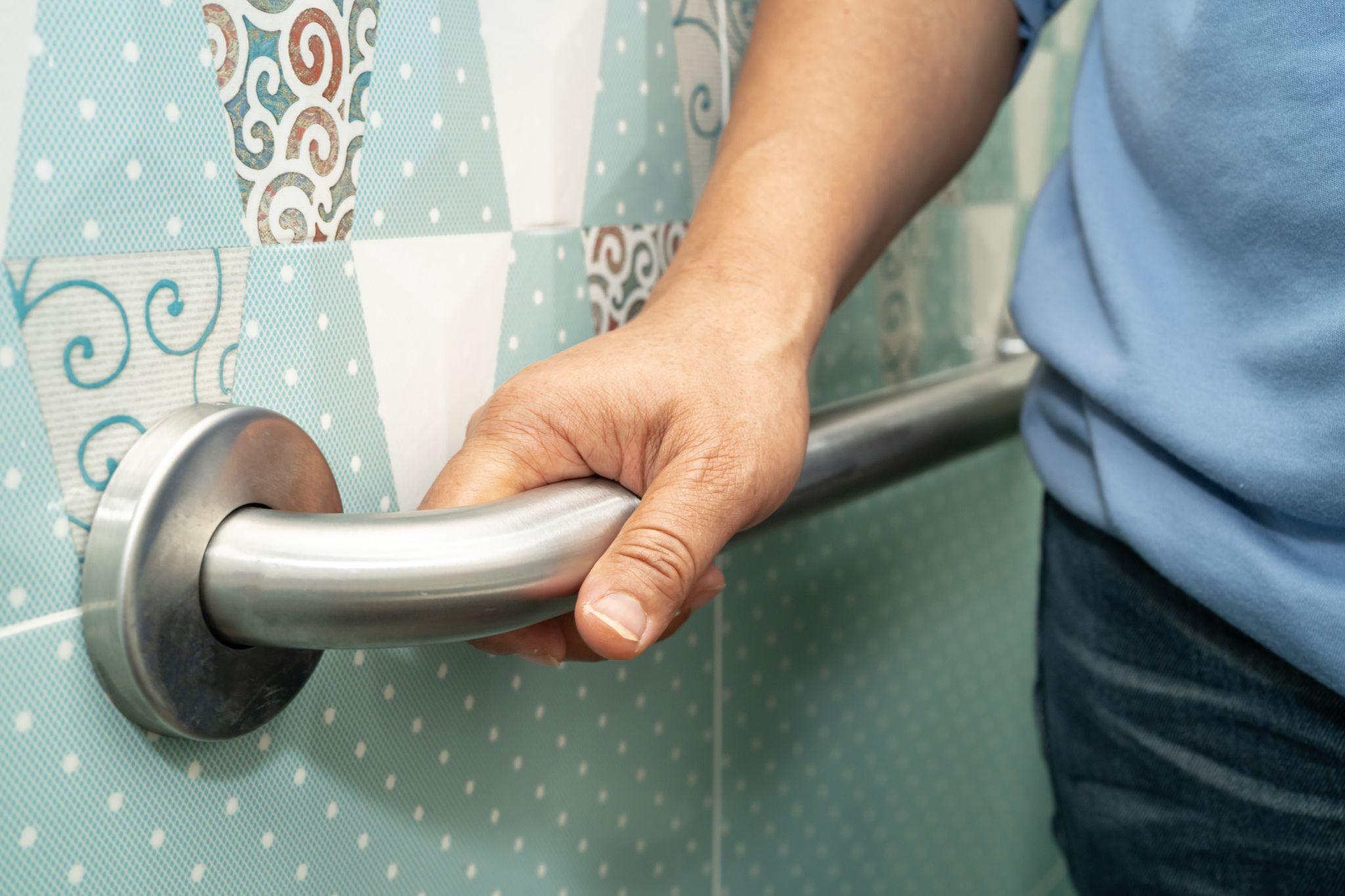
- Bathroom safety products
Core Requirements for DME
In most cases, an item must meet several criteria to be considered DME. It should:
- Be durable enough to withstand repeated use
- Serve a medical purpose
- Be appropriate for use at home
- Be needed because of an illness, injury, or recovery process
- Be prescribed or recommended by a healthcare provider
These requirements help determine whether the equipment qualifies for insurance or Medicare coverage.
Common Examples of DME
Many of the most frequently prescribed home medical products fall into this category.
Mobility equipment may include:
- Manual wheelchairs
- Transport chairs
- Walkers
- Rollators
Respiratory equipment may include:
- CPAP machines
- Nebulizers
- Oxygen equipment
- Related supplies in certain cases
Bedroom and bathroom support products may include:
- Hospital beds
- Bedside commodes
- Patient lifts
- Shower safety equipment
Whether these items qualify often depends on the patient’s diagnosis and documented medical need.
What Usually Does Not Qualify
Not every health-related product counts as DME. Items that usually do not qualify include:
- Disposable supplies such as bandages, gloves, and incontinence products
- Products intended mainly for comfort or convenience
- Lifestyle-focused items without a clear medical purpose
For example, a standard air purifier, luxury recliner, or non-medical adjustable bed may be helpful, but that does not automatically make it eligible for insurance coverage.
Why the Definition Matters for Coverage
This distinction matters because it directly affects what your insurance may cover. Even if a product seems medically helpful, coverage usually depends on:
- Whether the item meets formal DME criteria
- Whether it is considered medically necessary
- Whether your provider and supplier meet your plan’s requirements
Medicare, Medicaid, and private insurance plans may each apply these rules a little differently, which is why documentation is so important.
When to Ask for Help
If you are unsure whether a specific item qualifies, your doctor’s office or a knowledgeable DME supplier can help clarify. Asking early may help you avoid delays, denied claims, or unnecessary out-of-pocket costs.
Here in South Texas, we help patients sort through these questions every single day.
Key Factors to Consider Before You Buy
Not all medical equipment is created equal. Before you commit to a purchase or rental, there are a few critical factors worth weighing.
Medical Need and Prescription Requirements
The first step is always a conversation with your physician. Most durable medical equipment requires a prescription, especially if you plan to use insurance or Medicare to cover the cost. Your doctor will assess your condition and determine exactly what equipment suits your needs, whether that’s a power mobility device, an orthopedic brace, or respiratory supplies like a CPAP machine.
Don’t skip this step. A proper prescription ensures you get the right fit, the right features, and the documentation you’ll need for coverage approval. For example, a Licensed Respiratory Therapist can evaluate whether you need a portable oxygen concentrator versus a stationary unit, small decisions that make a big difference in daily life.
Quality, Durability, and Safety Standards
This is where the word “durable” really earns its place. You want equipment built to last, especially for items you’ll rely on daily. Look for products that meet FDA safety standards and carry manufacturer warranties.
Ask questions like:
- Is this equipment rated for my weight and mobility level?
- What’s the warranty, and does the supplier handle repairs?
- Are replacement parts readily available?
Cheaper isn’t always better. A bargain wheelchair that breaks down in six months costs more, in money and frustration, than a quality one that lasts years. We always recommend seeing equipment in person when possible, testing it, and working with a supplier who offers ongoing support like equipment repair and parts replacement.
Understanding Insurance Coverage and Medicare Eligibility

Insurance paperwork is rarely anyone’s idea of a good time, but understanding the basics can save you hundreds or even thousands of dollars.
Medicare Part B covers many types of durable medical equipment when certain conditions are met. The equipment must be medically necessary, prescribed by your doctor, and supplied by a Medicare-approved DME supplier. If all boxes are checked, Medicare typically covers 80% of the approved amount after you’ve met your annual deductible.
Here’s what trips people up: not every supplier is Medicare-approved, and not every piece of equipment qualifies under every plan. Before you buy, confirm these details:
- Is your supplier an approved Medicare DME provider?
- Has your doctor provided the required documentation and prescription?
- Does your specific plan cover the item you need?
Private insurance plans vary widely, so call your carrier and ask about DME benefits before making any commitments. Some plans cover rentals but not purchases, or vice versa.
At MacPherson’s Medical Supply, we work directly with patients and their insurance providers to streamline this process. Our team understands Medicare DME supplier requirements inside and out, which means fewer surprises and faster approvals for families across the Rio Grande Valley.
Tips for Finding a Reliable DME Supplier in the Rio Grande Valley
Finding the right supplier is just as important as finding the right equipment. A great DME supplier doesn’t just hand you a box, they guide you through selection, fitting, training, and ongoing maintenance.
Here’s what to look for:
- Local presence and reputation. A supplier with deep roots in your community understands your needs better than a faceless online retailer. They’re also there when something breaks or needs adjustment.
- Licensed professionals on staff. Does the supplier have respiratory therapists, Assistive Technology Professionals (ATPs), or certified fitters? These specialists make a real difference in getting the right equipment configured for your body and lifestyle.
- Full-service support. Look for a supplier that offers equipment repair, replacement parts, and follow-up care. You want someone who stands behind what they sell.
- Broad product range. Whether you need a simple cane or a complex rehabilitation power wheelchair with custom seating, your supplier should carry durable medical equipment and more to meet a wide range of needs.
As a family-owned medical supply company right here in Harlingen, we’ve built our reputation on exactly these principles. Our staff walks you through every step, from prescription to fitting to follow-up, because that’s what neighbors do for each other.
Conclusion

Choosing durable medical equipment doesn’t have to feel overwhelming. Start with your doctor, understand what qualifies as DME, pay attention to quality and safety, get clear on your insurance coverage, and partner with a supplier who genuinely cares about your well-being.
The right equipment, fitted properly and backed by reliable support, can transform daily life for patients and caregivers alike. And when you work with a team that knows you by name, the entire experience feels different.
If you’re ready to find the right durable medical equipment or respiratory supplies, visit our local store, check out our full range of services, or learn more about our story. We’re proud to serve the Rio Grande Valley with trusted care.
Visit MacPherson’s Medical Supply at 2325 S 77 Sunshine Strip, Ste. B, Harlingen, Texas 78550. We’re open Monday through Friday from 8:00 AM to 5:00 PM. For questions, email us at admin@macmedsupply.com or call 956-412-9100.
Frequently Asked Questions About Durable Medical Equipment
What qualifies as durable medical equipment (DME)?
Durable medical equipment includes medically prescribed devices designed for repeated home use, such as wheelchairs, hospital beds, walkers, CPAP machines, and oxygen concentrators. Items must serve a medical purpose and be appropriate for home use. Disposable supplies and convenience items typically don’t qualify as DME.
Do I need a prescription to get durable medical equipment?
Yes, most durable medical equipment requires a physician’s prescription, especially for insurance or Medicare coverage. Your doctor assesses your condition and determines the appropriate equipment. Licensed Respiratory Therapists can also evaluate specific needs, such as portable versus stationary oxygen concentrators.
How much does Medicare cover for durable medical equipment?
Medicare Part B typically covers 80% of approved DME costs after you meet your annual deductible. Coverage requires the equipment to be medically necessary, prescribed by your doctor, and supplied by a Medicare-approved provider. Coverage eligibility varies by specific plan and equipment type.
What should I look for in a reliable DME supplier?
Choose a supplier with local presence, licensed professionals (respiratory therapists, Assistive Technology Professionals), full-service support including repairs, and a broad product range. MacPherson’s Medical Supply, serving the Rio Grande Valley for 80 years, exemplifies these qualities with family-owned expertise and comprehensive care.
Can I repair or maintain durable medical equipment after purchase?
Yes, reputable DME suppliers offer equipment repair, replacement parts, and ongoing maintenance. MacPherson’s Medical Supply provides maintenance services for power wheelchairs, manual wheelchairs, scooters, walkers, and more to keep your equipment safe and functional.
What is the difference between renting and purchasing durable medical equipment?
Renting suits short-term needs or recovery periods, while purchasing is better for long-term use. Insurance coverage varies—some plans cover rentals but not purchases, or vice versa. Consult your insurance provider and DME supplier to determine the most cost-effective and practical option for your situation.