When someone you love needs more help at home, questions pile up fast: What equipment do we need? Who do we call? How do we make the house safer without turning it into a “hospital”? This guide to home healthcare advice in RGV is here to make the next steps clearer.
MacPherson’s Medical Supply has supported Rio Grande Valley families for decades with durable medical equipment (DME) and home medical supplies—walkers, wheelchairs, hospital beds, lift chairs, nebulizers, braces, and more—plus oxygen and CPAP, so you can feel confident at home in South Texas.
Know What “Home Healthcare” Means in the RGV
In the Rio Grande Valley, “home healthcare” can mean non-medical support (bathing, dressing, meals, mobility), skilled care (nursing, therapy, respiratory support), and medical equipment/supply support. The right DME can reduce falls, ease caregiving, and help someone stay independent longer.
Who Usually Benefits Most
Home healthcare often helps most for:
- Seniors aging at home who need mobility or fatigue support
- Post-hospital recovery patientsk who need short-term equipment (walker, commode, hospital bed)
- People with chronic conditions like COPD, sleep apnea, diabetes, or heart disease—especially with oxygen or monitoring
- Children/adults with complex needs who benefit from seating/positioning or rehab equipment
- Family caregivers who need tools and structure to make care safer
Learn more about us here: our story at MacPherson’s Medical Supply—a family-owned medical supply company with 80 years serving the Rio Grande Valley.
Start With a Simple At-Home Needs Assessment
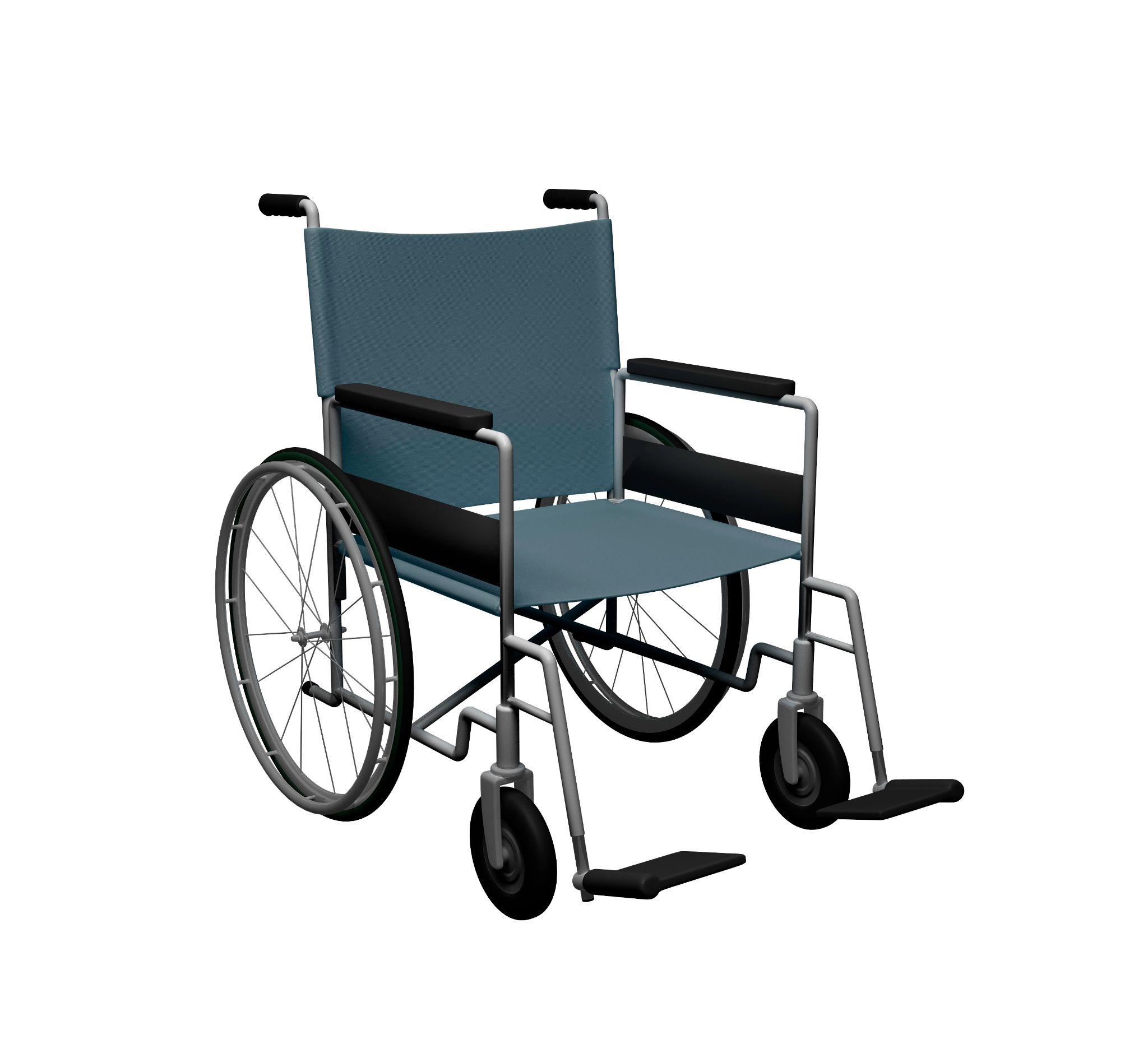
Before you buy anything, do a quick needs check: What tasks are hard? Where are the risks? What will actually fit your home? This helps prevent wasted purchases and keeps energy focused on what works.
Daily Activities To Review (Mobility, Bathing, Toileting, Sleep)
Look at four areas:
- Mobility: Standing safely? Dizziness? Holding furniture?
- Bathing: Stepping over a tub edge? Unsteady turning?
- Toileting: Urgency? Bathroom too far? Pain sitting/standing?
- Sleep: Short of breath lying flat? Sliding down in bed? Risky night trips?
If someone is up multiple times at night with a dark hallway, that’s a real fall risk.
Home Setup Check (Entrances, Hallways, Bathroom, Bedroom)
Do a simple walk-through:
- Entrances: Steps/thresholds—would a ramp or rail help?
- Hallways: Clear and wide enough for a walker/wheelchair?
- Bathroom: Slippery floors, low toilets, tub lips are common hazards
- Bedroom: Bed height, clear path, safe space for caregiver help
In many RGV homes, space is tight—measure doorways, bed height, and turning areas before choosing DME.
Medication and Follow-Up Planning
A few basics reduce stress fast:
- Keep an updated med list
- Confirm follow-ups (primary care, specialists, therapy)
- Write down warning symptoms and when to call the doctor
- If using oxygen/CPAP, understand how and when to use supplies
If you’re unsure, trust your instincts and call your clinician.
Prevent Falls With Simple Home Changes
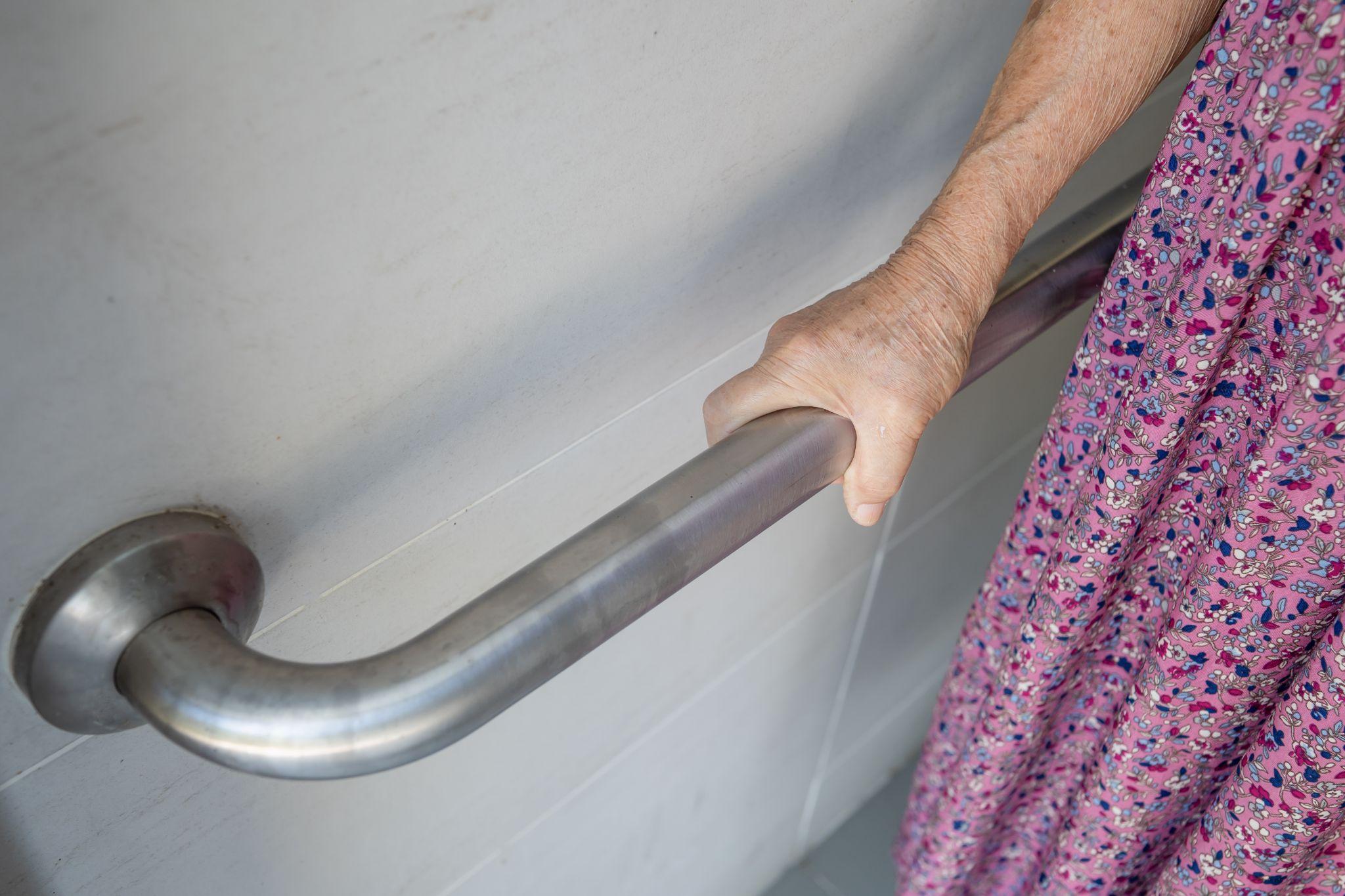
Falls can cause major setbacks, but many risks are fixable. Focus on bathrooms, nighttime trips, and entryways. Start with no-remodel upgrades:
- Add bright night lighting (bedroom-to-bathroom path)
- Remove or secure throw rugs
- Keep a stable chair for dressing
- Store daily items at waist level
- Clear walkways of cords and clutter
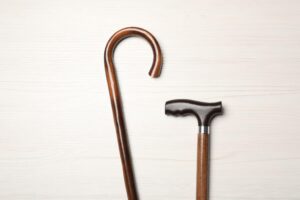
A cane or walker can improve safety—especially if someone shuffles, trips, struggles to stand, or “furniture walks.” Proper fit matters.
Call today to find the right equipment for you and reduce fall risk with realistic solutions.
Choose Durable Medical Equipment That Fits Your Space and Condition
DME should make life easier. If it’s bulky or uncomfortable, it often goes unused. Think “daily-life equipment” that supports movement, breathing, sleep, and safety.
Mobility Equipment: Walkers, Canes, Wheelchairs, and Scooters
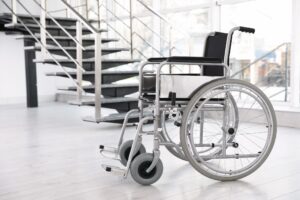
A cane may be enough for mild balance issues; walkers/rollators add stability (often with a seat). Wheelchairs help with longer distances, and scooters/power mobility can restore independence when endurance is limited.
Tip: measure your narrowest doorway and tightest turn (often the bathroom). If it can’t move through daily routes, it won’t help. You can visit our local store or browse medical supplies.
Bathroom Safety Equipment: Grab Bars, Shower Chairs, and Raised Toilet Seats
Bathrooms are where small changes matter most. Grab bars should match how you move. Shower chairs/transfer benches reduce slips. Raised toilet seats help sore knees/hips, and bedside commodes can be safer at night or when the bathroom is far.
For commodes, basins, canes, and more, visit our local store and we’ll help you choose options that fit your layout.
Bedroom and Positioning Support: Hospital Beds, Mattresses, and Rails
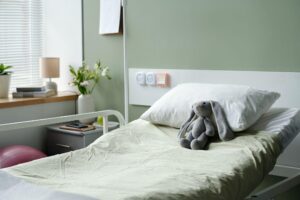
Hospital beds and rails can make transfers safer and reduce caregiver strain. Pressure-relief mattresses help protect skin. If breathing is worse lying flat—or repositioning is frequent—a hospital bed can help prevent complications. If you’re unsure what fits, call today to find the right equipment for you.
Respiratory and Monitoring Equipment: Oxygen, Nebulizers, and Vital Signs
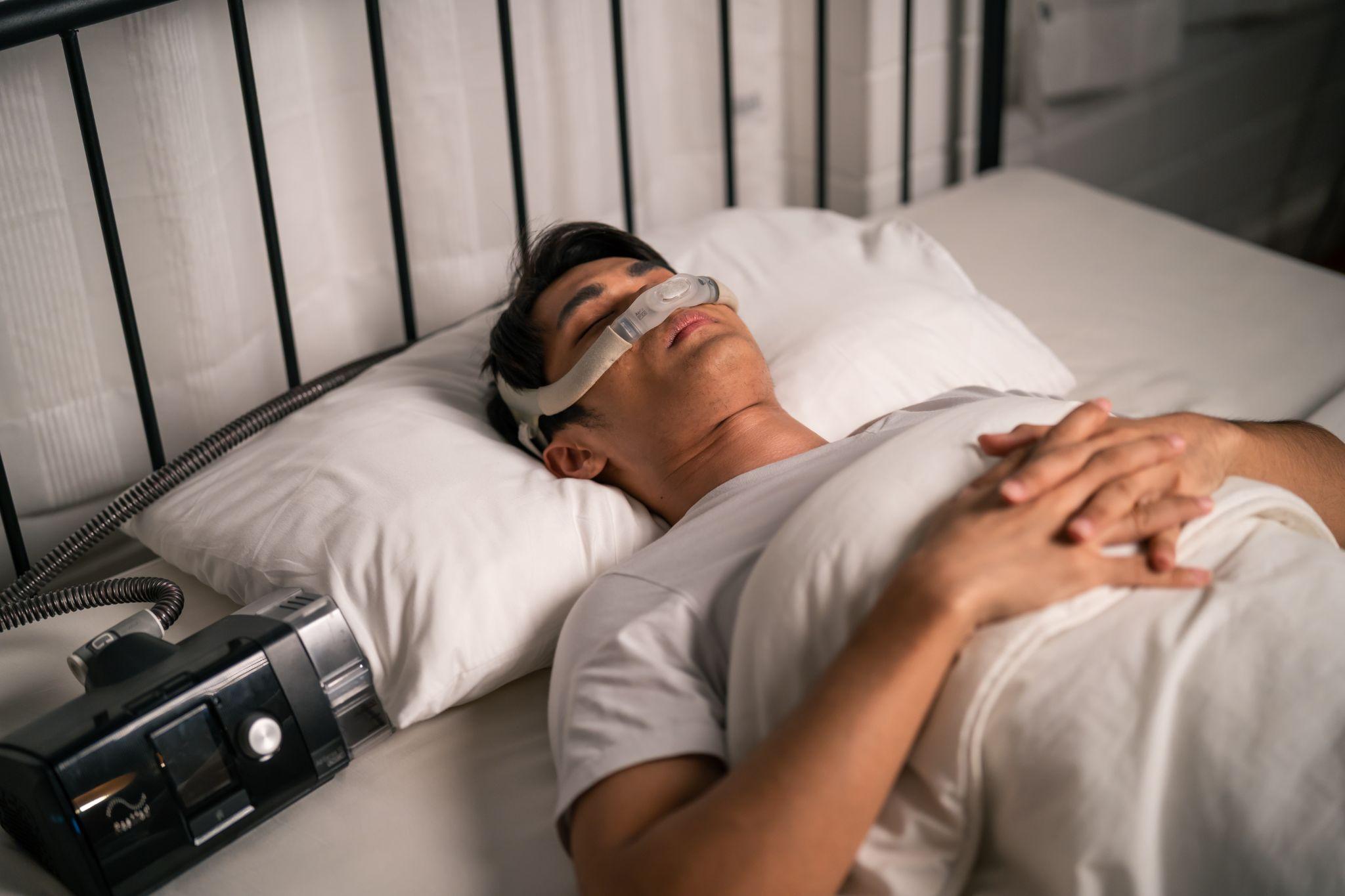
Respiratory needs are common in the RGV. We help with oxygen (concentrators/portable setups), nebulizer supplies, CPAP machines/accessories, and tools like pulse oximeters.
Using devices correctly matters most. Contact our team to speak with a respiratory therapist about setup, cleaning, mask fit, comfort, or troubleshooting. See our full range of services.
Build a Daily Care Plan You Can Actually Maintain
The best plan is the one you can repeat on a normal Tuesday.
Prevent Burnout With Clear Roles
- Decide who handles medical calls, meals/shopping, and hands-on care
- Keep a shared note for symptoms, questions, and supplies
- If lifting feels unsafe, stop—injuries happen fast
Sometimes adding visits, therapy, or strain-reducing equipment is the safest choice.
Cover the Daily Basics (Food, Fluids, Skin)
- Hydration: helps prevent confusion, dizziness, constipation
- Nutrition: prioritize protein for healing
- Skin: check heels, tailbone, hips for redness
Positioning aids and pressure-relief surfaces can prevent skin breakdown.
Know When To Call a Clinician
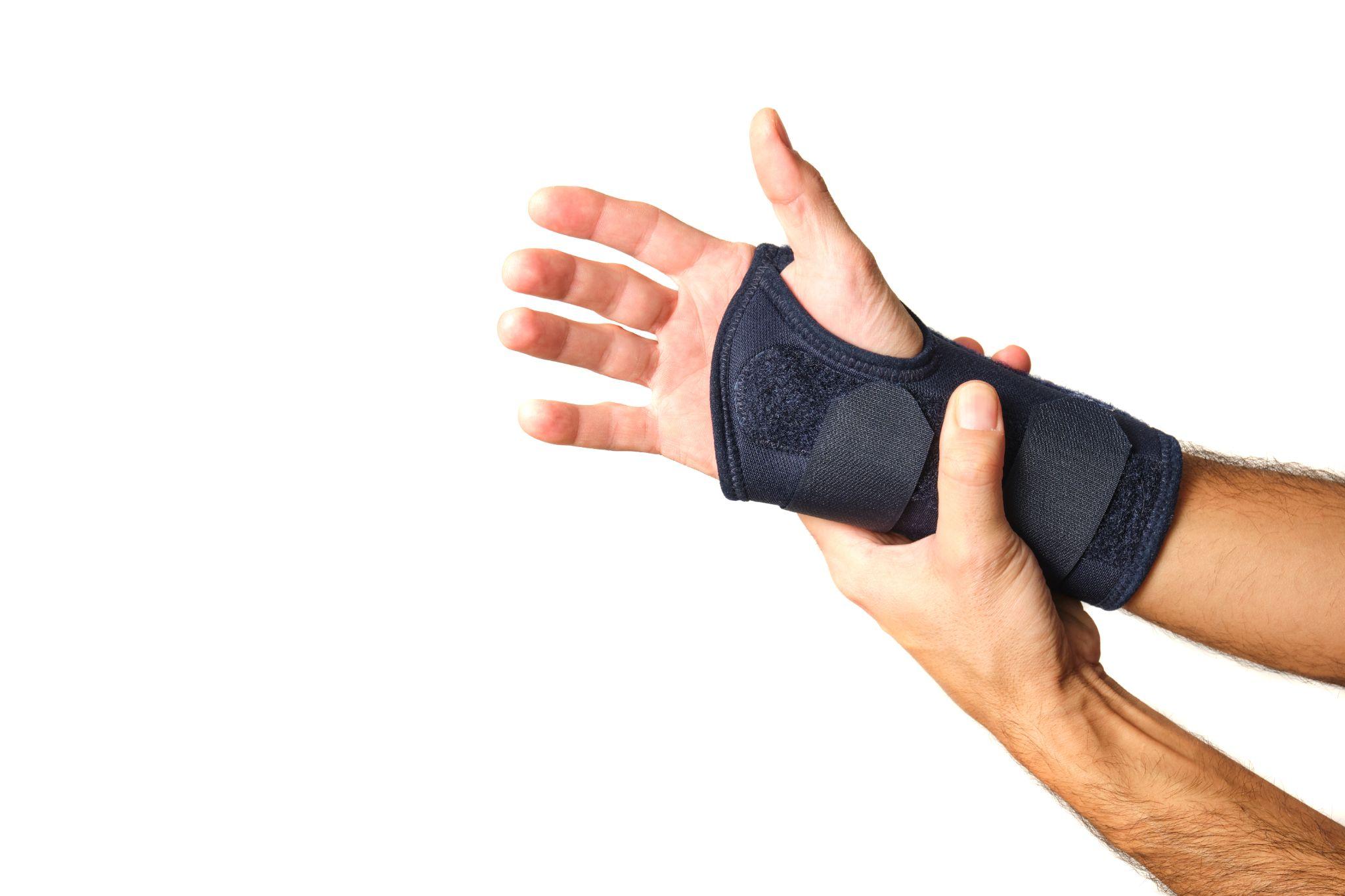
Call if you notice:
- New/worsening shortness of breath
- Chest pain, fainting, confusion
- Fever that won’t settle or infection signs
- A fall with pain, swelling, or head impact
- Oxygen levels outside your clinician’s range
If you have oxygen or CPAP questions, contact our team to speak with a respiratory therapist.
Conclusion
Good home healthcare in the RGV isn’t doing everything at once. It’s making a few smart improvements that reduce risk, protect independence, and make daily life manageable.
We’re here for your medical supply needs—beds, wheelchairs, canes, commodes, basins, CPAP machines and supplies, oxygen services, and local support.
- Call today to find the right equipment for you.
- Visit our local store to see our full selection.
Visit MacPherson’s Medical Supply at 2325 S 77 Sunshine Strip, Ste. B, Harlingen, Texas 78550. Open Monday–Friday, 8:00 AM–5:00 PM. Email admin@macmedsupply.com or call 956-412-9100.
What does “home healthcare” mean in the Rio Grande Valley (RGV)?
In the RGV, home healthcare can include non-medical help (bathing, dressing, meals, mobility), skilled care (nursing, PT/OT, respiratory support), and medical supplies/DME to improve safety and independence.
Who benefits most from home healthcare advice in RGV?
Seniors aging in place, people recovering after a hospital stay, and patients managing chronic conditions (COPD, sleep apnea, diabetes, heart disease). It also helps caregivers set up safer routines.
How do I do a simple at-home needs assessment before buying DME?
Identify what’s hard or unsafe, review mobility/bathing/toileting/sleep, walk through the home for hazards, and measure tight spaces (doorways/turns) before buying.
What are the best quick fixes to prevent falls at home—especially at night?
Improve lighting on bedroom-to-bathroom routes, remove/secure rugs, clear pathways, and store daily items within easy reach.
When should we consider a cane, walker, or wheelchair—and how do we choose the right one?
Consider aids if someone is unsteady, “furniture walking,” tripping, or struggling to stand. Choose based on stability needs, endurance, and home layout, with proper fit and basic training.
Does Medicare or insurance cover durable medical equipment (DME) and oxygen services in the RGV?
Often yes, but it depends on medical necessity and documentation. Many items require a prescription and qualifying diagnosis, and rules vary by equipment (oxygen, hospital beds, CPAP). Confirm coverage early.