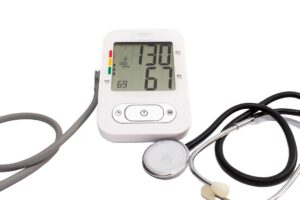
When someone you love needs extra help at home, home care equipment can make the difference between struggling through each day and feeling safe, confident, and independent. At MacPherson’s Medical Supply, we’ve spent over 80 years serving the Rio Grande Valley, helping you choose the right durable medical equipment, respiratory care, and home medical supplies to fit your life.
In this guide, we’ll walk you through the most common types of home care equipment, how to match them to real‑world needs, and how our local, family-owned medical supply company can support you every step of the way.
Understanding Home Care Equipment And Why It Matters
What Is Home Care Equipment?
When we talk about home care equipment, we’re usually talking about durable medical equipment (DME) and supplies that are designed for everyday use at home.
These are the items that help with moving, breathing, bathing, and sleeping safely.
Common examples include:
- Mobility aids like a wheelchair, walkers, rollators, canes, and scooters
- Hospital beds and lift chairs
- Bathroom safety products such as commodes, grab bars, and basins
- Respiratory equipment like oxygen concentrators and CPAP machines
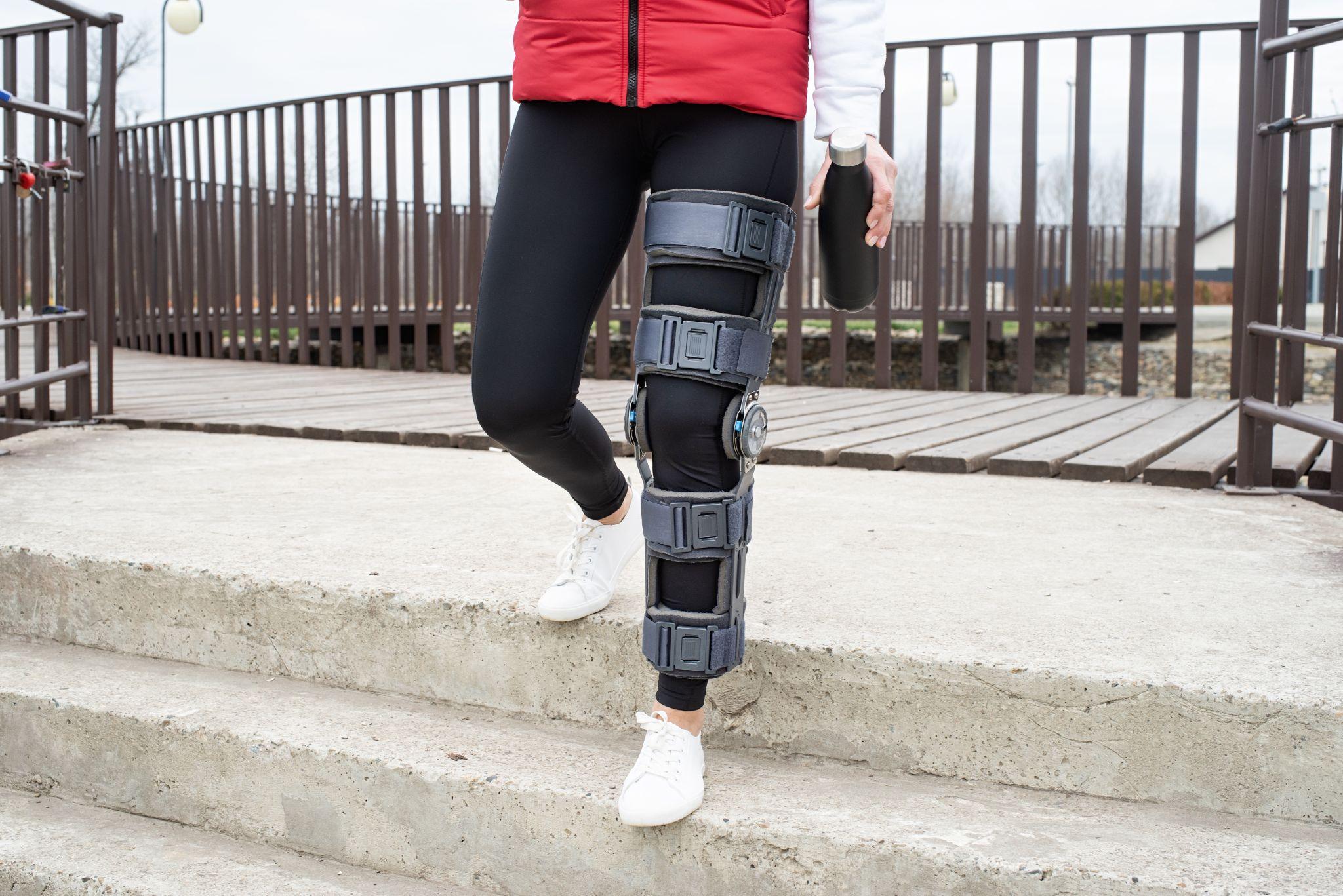
- Daily living aids such as custom insoles, personal care aids, and orthopedic bracing
All of these fall under the broader medical supply and DME category.
They’re built to be sturdy, safe, and used over and over again in your home.
Benefits For Patients, Families, And Caregivers
The right home care equipment does more than fill a room.
It changes how your day feels.
For patients, it can mean:
- Fewer falls and accidents
- Less pain and fatigue during basic tasks
- More independence with bathing, dressing, and moving around the house
For families and caregivers, equipment can:
- Make transfers and lifting safer on your back and joints
- Reduce late-night emergencies and hospital visits
- Provide peace of mind when you can’t be in the room every second
We see this every day in South Texas.
A properly fitted wheelchair, a safe bed, or the right oxygen services can turn a fearful situation into something calm and manageable.
When To Consider Home Care Equipment
You don’t have to wait for a major fall or emergency.
There are early signs that it’s time to bring in extra support.
Consider adding home care equipment when you notice:
- Holding on to furniture or walls to walk through the house
- Trouble getting in and out of bed, a chair, or the bathtub
- Shortness of breath with simple activities, even walking to the bathroom
- New wounds, pressure spots, or skin breakdown from sitting or lying too long
- Caregivers straining to lift, turn, or move a loved one
If any of these sound familiar, we can help you review your options and decide where to start.
Assessing Needs: Matching Equipment To Everyday Challenges
How To Evaluate Mobility, Strength, And Balance
A good equipment plan starts with a simple question: What’s hard right now?
Then we match equipment to those daily challenges.
We usually look at:
- Mobility: Is walking steady? Are there shuffling steps or frequent stumbles?
- Strength: Is it hard to stand up from a chair or climb a small step?
- Balance: Does turning too quickly cause dizziness or loss of balance?
- Endurance: Is the person exhausted after moving from one room to another?
Many families do an informal “walk‑through” with us.
We’ll talk through each room and how your loved one moves through it, then recommend the right DME, from canes to stairlifts.
Including Caregivers And Clinicians In The Decision
You don’t have to figure this out alone.
The best plans bring together you, your caregiver, and your medical team.
We encourage you to:
- Ask your doctor or therapist what type of equipment they recommend
- Have caregivers share what feels unsafe or too heavy to manage
- Let us review your home layout, so we can suggest realistic solutions
At MacPherson’s Medical Supply, we often work directly with physicians, discharge planners, and therapists in the Rio Grande Valley.
Together, we make sure your equipment supports your medical plan, not just your floor plan.
Essential Mobility And Safety Equipment For The Home
Mobility Aids: Canes, Walkers, Rollators, And Wheelchairs
Staying mobile is key to staying independent.
We offer a full range of mobility durable medical equipment to match different strength and balance levels.
- Canes and crutches: A good choice for mild balance issues or recovering from injury
- Walkers and rollators: Extra stability with options for seats and hand brakes
- Manual wheelchairs: For longer distances or when walking is too tiring
- Power mobility devices and scooters: For complex needs or very limited strength
Our team can help you choose the right size and style.
We’ll also explain when a wheelchair lift/carrier or ramp might be needed to safely get in and out of the home.
Transfers And Positioning: Lift Chairs, Transfer Aids, And Bed Rails
Getting from bed to chair, or from sitting to standing, is where many falls happen.
The right equipment can protect both the patient and the caregiver.
We commonly recommend:
- Lift chairs that gently raise you to a standing position
- Transfer aids and slide boards to move between surfaces more safely
- Hospital beds with adjustable heights and side rails for safer positioning
- Bed rails to prevent rolling out of bed and to provide a stable handhold when rising
For those with more complex needs, our Complex Rehabilitation team can design custom seating systems and positioning supports.
That’s part of how we provide reliable solutions for everyday life.
Bathroom Safety: Grab Bars, Shower Chairs, And Raised Toilet Seats
Bathrooms are one of the most dangerous rooms in the house.
Wet floors, tight spaces, and low toilets all increase fall risk.
Our home accessibility solutions for bathrooms include:
- Doorway modifications for wheelchair or walker access
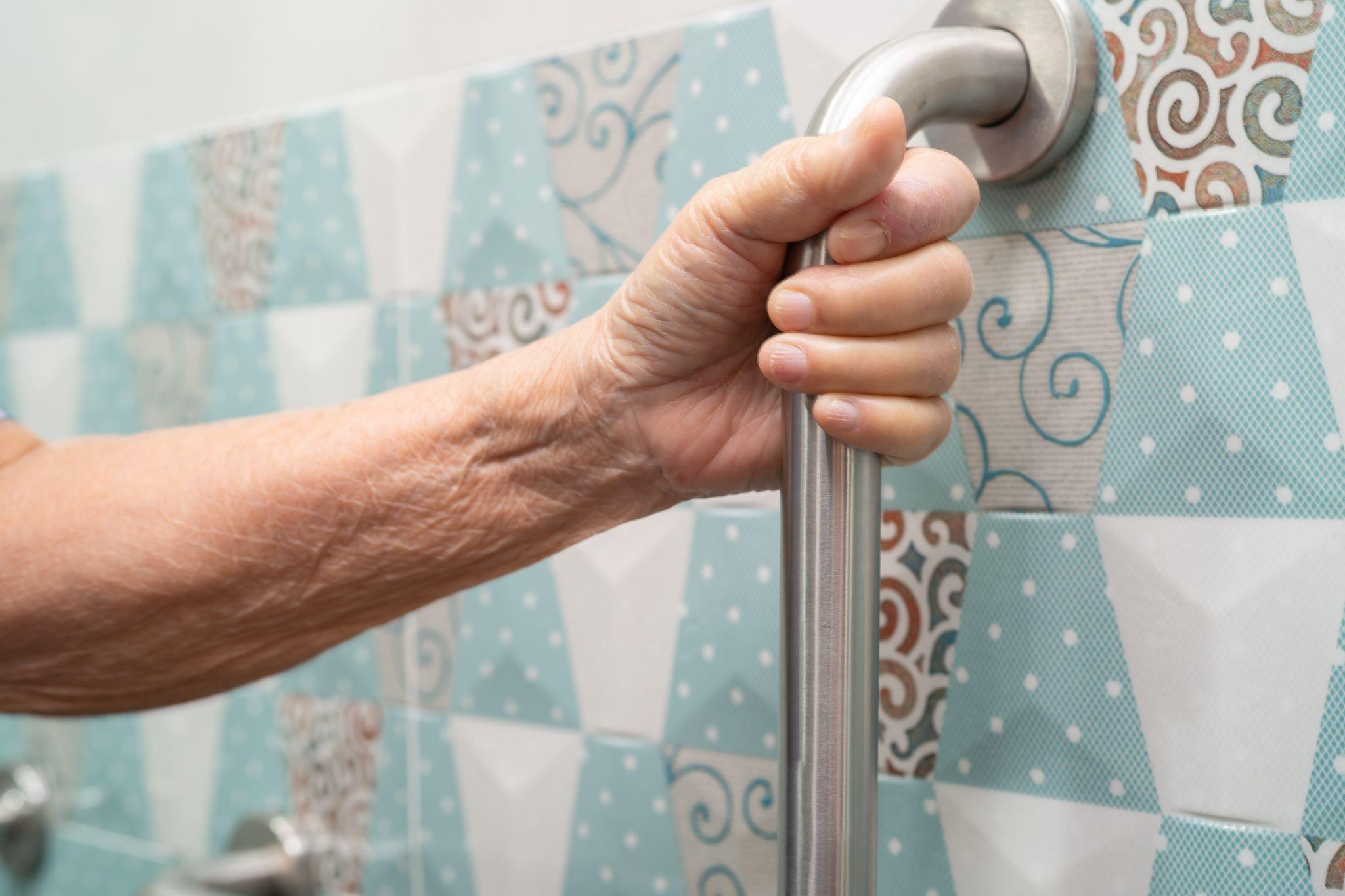
- Grab bars near the toilet, tub, and shower
- Roll‑in showers and shower chairs or bath seats
- Raised toilet seats and commodes for easier, safer transfers
- Bath lifts and ceiling lifts when more support is needed
- Converting an existing tub into a walk‑in tub
We’ve helped many families in Harlingen and across the Rio Grande Valley update older bathrooms so loved ones can bathe with confidence.
These changes are often simpler and more affordable than people expect. Visit our local store to see bathroom safety products in person.
Respiratory Care Equipment For Home Use
Oxygen Therapy: Concentrators, Cylinders, And Accessories
If breathing is a daily struggle, the right home care equipment can be life‑changing.
At MacPherson’s Medical Supply, a Licensed Respiratory Therapist is on staff to guide you.
We provide:
- Oxygen concentrators for continuous home use
- Portable oxygen concentrators for trips outside the house
- Oxygen cylinders and related accessories
- Fingertip pulse oximeters to monitor oxygen levels at home
Our therapist will review your prescription, help size your equipment properly, and teach you and your family how to use it safely.
If you ever have questions, contact our team to speak with a respiratory therapist.
CPAP, BiPAP, And Other Sleep Therapy Devices
Sleep apnea and other breathing issues at night can affect your heart, energy level, and mood.
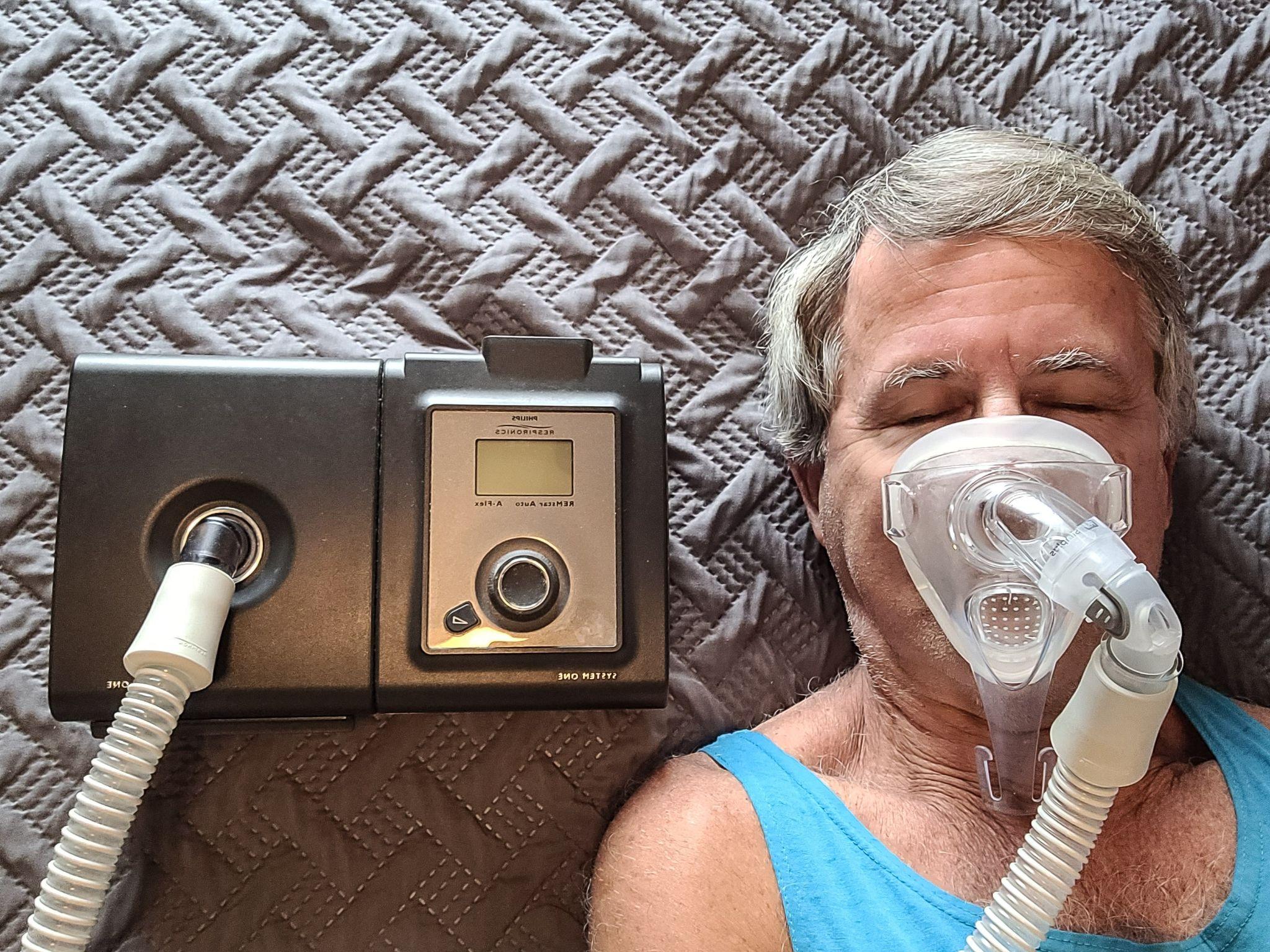
That’s why we carry a full line of CPAP machines, BiPAP devices, and CPAP supplies.
We can help with:
- Choosing the right mask style and size
- Explaining how to clean and replace filters and tubing
- Adjusting straps and settings based on your provider’s orders
Our goal is to make sleep therapy as comfortable and easy to stick with as possible.
When your sleep improves, your whole day improves.
Nebulizers, Suction, And Monitoring Devices
Some lung conditions require additional respiratory care at home.
We support that with:
- Nebulization supplies and compressors
- Breathing therapy tools
- Suction devices when recommended by your clinician
We’ll show you how to set up and maintain each device.
With our respiratory therapist and local team here in South Texas, you’re never left alone to guess.
Working With Local Providers And Getting The Right Support
Why Local Service And In‑Home Setup Matter
Choosing home care equipment from an online catalog can feel overwhelming.
Working with a local, family‑owned medical supply team can make the process faster and safer.
Here in the Rio Grande Valley, we:
- Help you see and try equipment in person at our medical supply store
- Offer in‑home assessments for accessibility and safety
- Provide setup and education, so you feel confident using your new equipment
If you’d like to learn more about our story at MacPherson’s Medical Supply and why local families have trusted us for 80 years serving the Rio Grande Valley, we’d love to share it with you.
We’re proud to be your local source for durable medical equipment.
Prescriptions, Insurance Coverage, And Documentation
Some DME requires a prescription.
Others can be purchased directly over the counter.
Our staff will:
- Explain which items need a doctor’s order
- Help you understand Medicare or insurance coverage requirements
- Work with your physician’s office on documentation when needed
You can also review our full range of services to see how DME, respiratory care, and home accessibility fit together.
We’ll help you sort out what’s covered and what options are available if you’re paying out of pocket.
Maintenance, Repairs, And When To Replace Equipment
Even the best equipment needs care.
Regular maintenance keeps your devices safe and dependable.
Our technicians provide equipment repair and service for:
- Manual wheelchairs and power wheelchairs
- Scooters and power mobility devices
- Patient lifts and walkers
- Batteries, parts, and programming
In some cases, we can diagnose problems over the phone.
If it’s time to replace older DME for safety reasons, we’ll guide you through updated options that better match your current needs.
We strive to keep your mobility equipment safe and in good use.
Conclusion

Home care equipment should never feel like a collection of random gadgets.
It should feel like a thoughtful plan that makes each day a little safer and a little easier, for you and the people you love.
At MacPherson’s Medical Supply, we combine high‑quality DME, respiratory care, and home accessibility solutions with the personal service you expect from a family-owned medical supply company.
From beds, wheelchairs, canes, commodes, and basins to oxygen services, CPAP machines, and complex rehab equipment, we’re here for all your medical supply needs right here in Harlingen and across the Rio Grande Valley.
Call today to find the right equipment for you. If you’re ready to find the right durable medical equipment or respiratory supplies, visit our local store, check out our full range of services, or learn more about our story. We’re proud to serve the Rio Grande Valley with trusted care.
Visit MacPherson’s Medical Supply at 2325 S 77 Sunshine Strip, Ste. B, Harlingen, Texas 78550. We’re open Monday through Friday from 8:00 AM to 5:00 PM. For questions, email us at admin@macmedsupply.com or call 956-412-9100.
Home Care Equipment: Frequently Asked Questions
What is home care equipment and how is it different from other medical supplies?
Home care equipment typically refers to durable medical equipment (DME) used every day at home to improve safety, mobility, and comfort. This includes items like wheelchairs, walkers, hospital beds, lift chairs, oxygen concentrators, and bathroom safety products, all designed to be sturdy enough for repeated, long-term use.
When should I consider getting home care equipment for a loved one?
You should consider home care equipment when you notice changes like holding onto furniture to walk, difficulty getting in or out of bed or the bathtub, shortness of breath with simple activities, new pressure spots on the skin, or caregivers straining to lift or transfer your loved one safely.
What types of home care equipment improve safety and independence at home?
Common home care equipment includes mobility aids (canes, walkers, rollators, wheelchairs, scooters), hospital beds and lift chairs, bathroom safety items (grab bars, raised toilet seats, shower chairs), respiratory care devices (oxygen concentrators, CPAP, BiPAP), and daily living aids such as incontinence products, wound care supplies, and custom insoles.
How does local support help when choosing durable medical equipment?
Working with a local medical supply team lets you see and try equipment in person, get in-home assessments, and receive professional setup and training. At a store like MacPherson’s Medical Supply in Harlingen, staff also coordinate prescriptions, insurance documentation, and ongoing repairs or adjustments as your needs change.
Does insurance or Medicare usually cover home care equipment?
Many types of durable medical equipment can be partially or fully covered by Medicare or private insurance when they’re medically necessary and prescribed by a clinician. Coverage varies by plan and item, so it’s important to check benefits, required documentation, and whether the supplier is in-network before purchasing or renting equipment.
How do I choose between renting and buying home care equipment?
Decide based on how long the equipment will be needed, your insurance coverage, and budget. Renting may be better for short-term recovery or trying a product before committing, while buying often makes sense for long-term or permanent needs. A reputable medical supply provider can explain costs and options for each item