Hearing the term HME (Home Medical Equipment) for the first time can feel a little overwhelming, especially if you’re already dealing with health worries, a recent hospital stay, or changes in your daily routine.
If you or someone you love is coming home from the hospital, managing a chronic condition, or simply needing a little extra support to stay safe and independent, it’s completely normal to feel unsure about what comes next.
The right equipment can’t fix everything, but it can ease some of the strain and help everyday life feel a bit more manageable.
At MacPherson’s Medical Supply, we understand that you’re not just looking for equipment—you’re looking for comfort, safety, and peace of mind for yourself or your family.
For more than 80 years, we’ve stood beside families in Harlingen and across the Rio Grande Valley, helping them find dependable, easy-to-use home medical equipment that truly fits their needs and their homes.
In this guide, we’ll walk with you step-by-step through what HME is, who it can help, and how we can support you in choosing the safest, most comfortable options for your home in South Texas, so you don’t have to navigate this alone.
What Is Home Medical Equipment And Who Is It For?
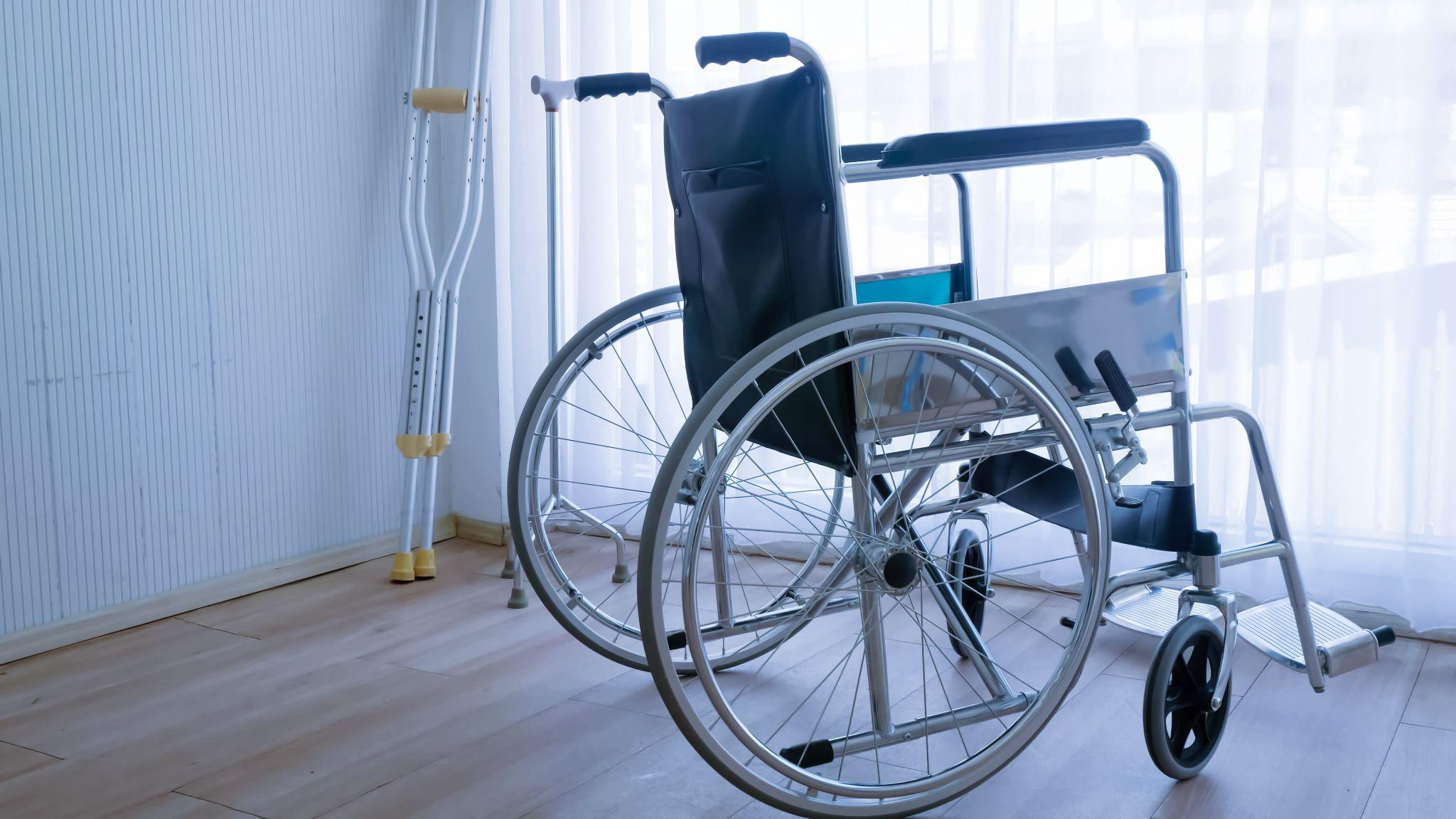
Home medical equipment (often shortened to HME) is any device or durable medical equipment (DME) that helps you manage a health condition at home. Instead of staying longer in a hospital or rehab facility, you can use these items where you’re most comfortable, in your own home.
HME includes things like hospital beds, wheelchairs, walkers, oxygen services, CPAP machines, bathroom safety products, and many other tools that make daily tasks safer and easier.
We see HME make a difference for:
- People coming home after surgery or a hospital stay
- Older adults who want to stay independent in their own homes
- Individuals with disabilities or mobility challenges
- Patients living with chronic conditions like COPD, sleep apnea, or heart failure
- Family caregivers who need reliable medical supply support
If you live in Harlingen or anywhere in the Rio Grande Valley, our goal is simple: we help you get the right equipment, set it up correctly, and feel confident using it day to day.
Common Types Of Home Medical Equipment
When you walk into our medical supply store in Harlingen, you’ll see that HME comes in many forms. Here are some of the most common types we help patients and families choose.
Mobility And Safety Equipment
Mobility equipment helps you move around your home more safely and with less effort. This can include:
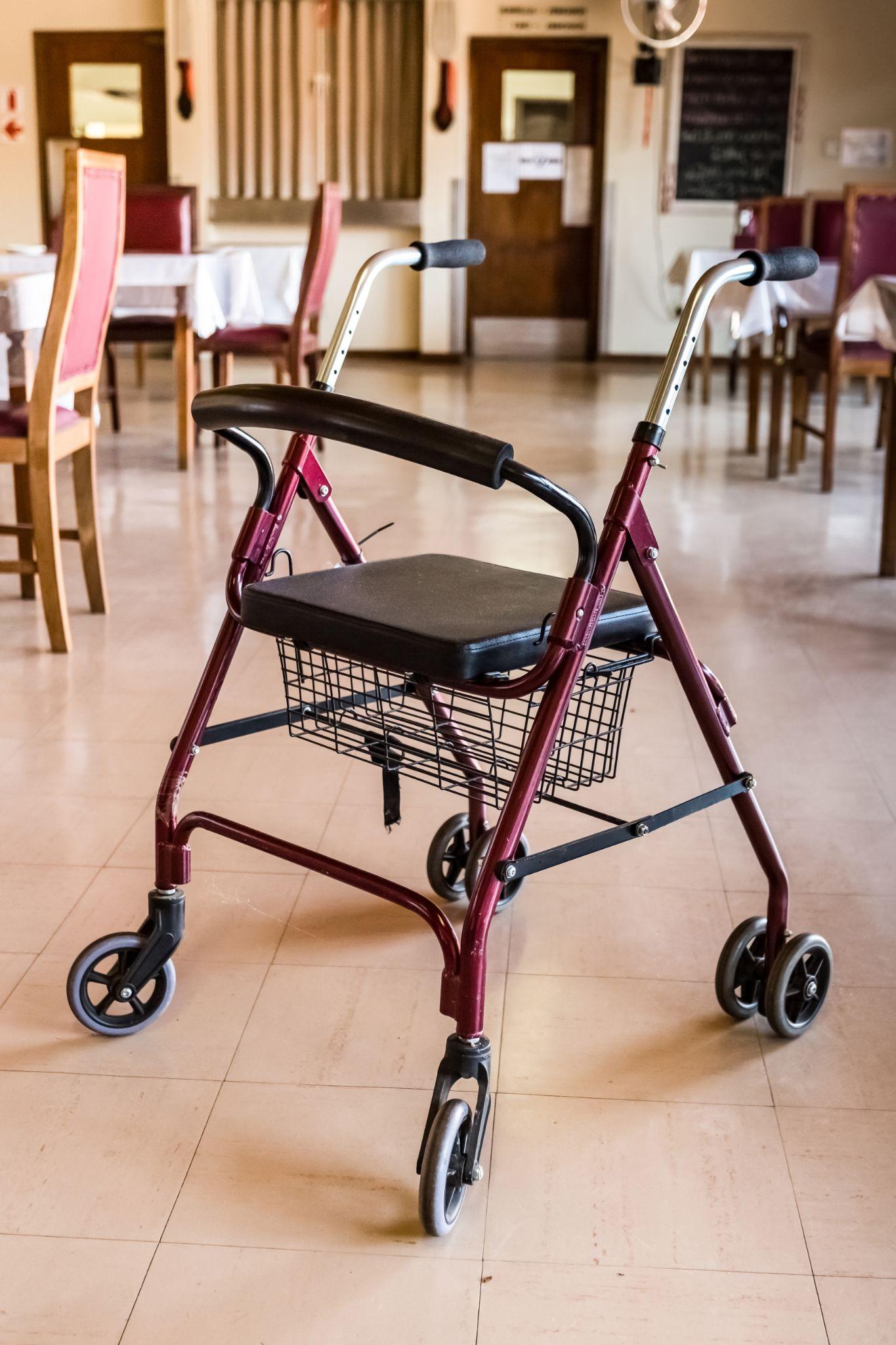
- Walkers and rollators for stability and balance
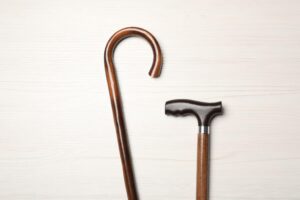
- Canes and crutches for light support when walking
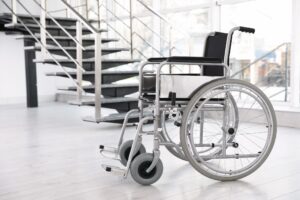
- Manual and power wheelchairs for full-time or part-time mobility
- Scooters and power mobility devices for people who need longer-distance support
- Wheelchair lifts/carriers and lift chairs to make sitting, standing, and transport easier
Safety equipment helps prevent falls and injuries:
- Bathroom safety products like grab bars, shower chairs, and non-slip mats
- Bed rails and hospital beds to reduce fall risk and improve positioning
- Commodes and basins to make toileting and hygiene safer and more comfortable
For many families in South Texas, these items are the difference between needing full-time help and being able to manage more tasks independently.
Respiratory And Oxygen Equipment
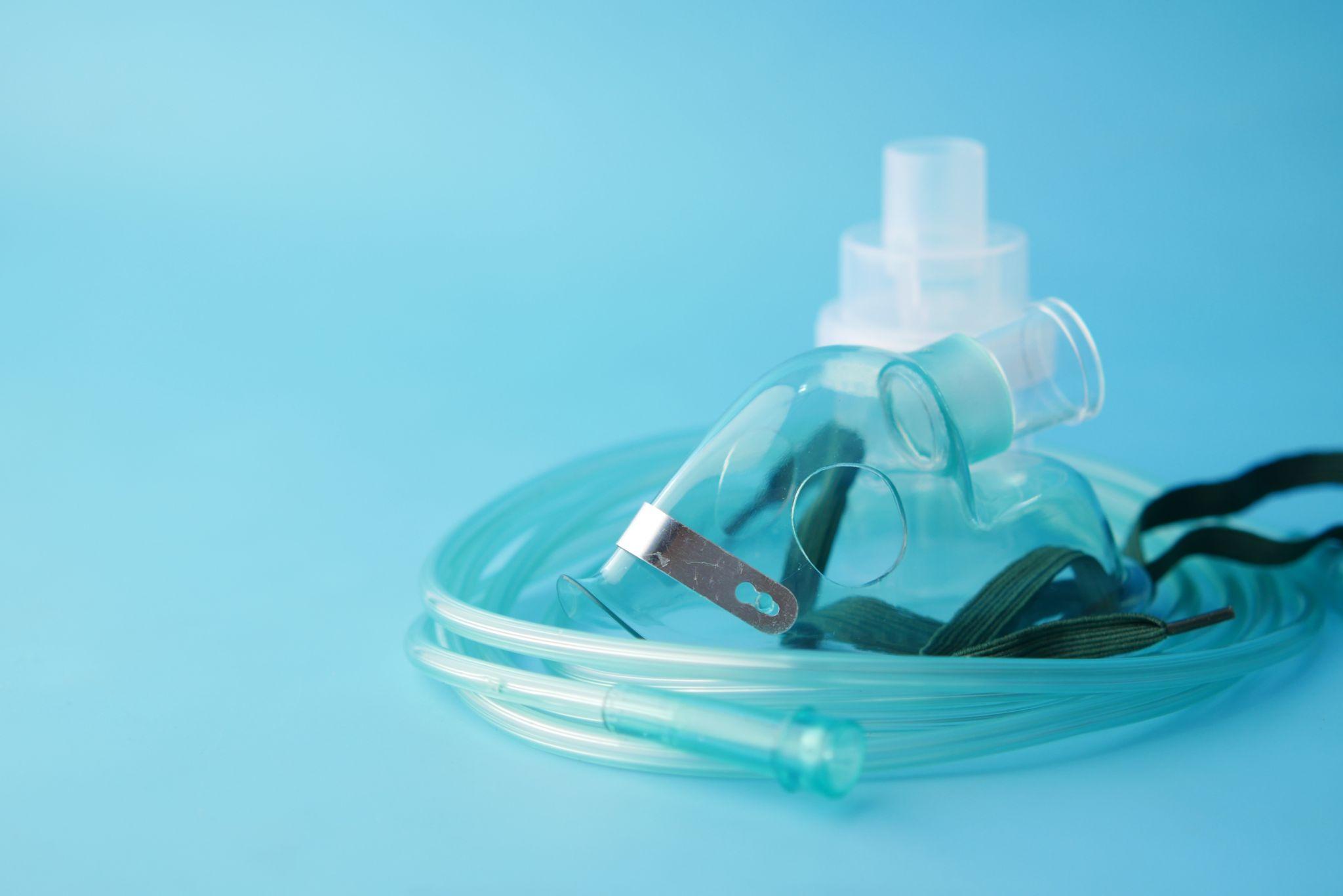
If you or a loved one struggles with breathing, the right respiratory therapies and equipment can be life-changing. At MacPherson’s Medical Supply, we offer:
- Oxygen concentrators and portable oxygen concentrators
- Oxygen services to support your ongoing needs
- Nebulization supplies and breathing therapy equipment
- CPAP machines and CPAP supplies for sleep apnea
- Fingertip pulse oximeters to check oxygen levels
We have a licensed respiratory therapist on staff who can help fit your mask, explain how to use your machine, and answer questions about sleep therapy or complex respiratory needs.
Hospital-Grade Equipment For Home Use
Sometimes you need hospital-style support at home. We provide a full range of durable medical equipment such as:
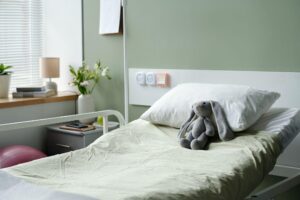
- Hospital beds with adjustable height and head/foot positions
- Pressure-relief mattresses to protect skin and prevent sores
- Patient lifts and ceiling lifts to move safely from bed to chair
- Standing devices and gait trainers for rehab and mobility training
These items are especially helpful for people with limited mobility, paralysis, or serious injuries who still want to receive care at home.
Daily Living Aids And Comfort Items
Small tools can make a big difference in your comfort and independence. We offer:
- Personal care aids like reachers, dressing tools, and bath safety aids
- Diabetic shoes and insoles, including custom orthotics and custom insoles for better support and balance
- Compression hosiery to improve circulation and reduce swelling
- Orthopedic bracing for joints and spine
- Mastectomy products and lymphedema pumps
These products help reduce pain, improve posture, and make everyday activities like walking, bathing, and getting dressed less stressful on your body.
How To Know What Equipment You Need
Choosing HME doesn’t have to be confusing. We walk families through this process every day right here in Harlingen.
Working With Your Doctor And Care Team
Your starting point should always be your doctor or medical team. They understand your diagnosis, your limitations, and your long-term goals.
We encourage you to ask your doctor:
- What specific DME do I need at home?
- How long will I likely need this equipment?
- Are there safety risks at home that certain products can help with (like falls or breathing issues)?
Once your doctor gives recommendations, we can help translate those into real products, for example, turning “needs help with transfers” into a specific lift chair or patient lift that fits your home.
Prescriptions, Documentation, And Medical Necessity
Many types of home medical equipment require a prescription or proof of medical necessity, especially when Medicare or insurance is involved.
We help you with:
- Gathering prescriptions and clinical notes from your doctor
- Making sure documentation meets Medicare or insurance rules
- Explaining what’s considered “medically necessary” versus “convenience” items
Our team is experienced in coordinating with local physicians, therapists, and case managers across the Rio Grande Valley. That means you don’t have to chase every piece of paper on your own, we can often help streamline the process.
Conclusion
HME (Home Medical Equipment) is more than a list of products, it’s the foundation that helps many of our neighbors in Harlingen and across the Rio Grande Valley stay safe, independent, and comfortable at home. From beds, wheelchairs, canes, commodes, and basins to advanced respiratory care, complex rehabilitation, and home accessibility, we’re here to match you with equipment that truly fits your life.
If you’re unsure where to start, we’ll take it one step at a time with you. We’ll help you work with your doctor, understand your insurance, choose the right durable medical equipment, and feel confident using it day after day.
If you’re ready to find the right durable medical equipment or respiratory supplies, visit our local store, check out our full range of services, or learn more about our story. We’re proud to serve the Rio Grande Valley with trusted care.
Visit MacPherson’s Medical Supply at 2325 S 77 Sunshine Strip, Ste. B, Harlingen, Texas 78550. We’re open Monday through Friday from 8:00 AM to 5:00 PM. For questions, email us at admin@macmedsupply.com or call 956-412-9100.
HME (Home Medical Equipment) FAQs
What is HME (Home Medical Equipment) and who typically needs it?
HME (Home Medical Equipment) includes devices like hospital beds, wheelchairs, walkers, oxygen equipment, and bathroom safety products that help you manage health conditions at home. It’s commonly used by people after surgery, older adults, individuals with disabilities, patients with chronic conditions, and family caregivers supporting loved ones.
How do I know which home medical equipment I need after a hospital stay?
Start by talking with your doctor or care team about your diagnosis, mobility limits, and safety risks like falls or breathing issues. They’ll recommend specific durable medical equipment, and a provider such as MacPherson’s can then match those clinical needs to real products that fit your home and lifestyle.
Does insurance or Medicare cover home medical equipment in Harlingen?
Many health plans, including Medicare, cover certain durable medical equipment when it’s medically necessary. Coverage often depends on your diagnosis, the type of item, and whether you’re renting or buying. A local HME provider can review your benefits, coordinate documentation with your doctor, and estimate out-of-pocket costs to avoid billing surprises.
What services can I expect from a local HME provider like MacPherson’s Medical Supply?
A local HME provider typically helps with equipment selection, insurance paperwork, delivery, and in-home setup. At MacPherson’s, trained staff adjust equipment to your size, perform safety checks, provide hands-on training, coordinate with local clinicians, and offer repair and maintenance services for wheelchairs, lifts, respiratory devices, and other medical equipment.
What is the best way to decide between renting and buying home medical equipment?
Consider how long you’ll need the item, your insurance coverage, and whether your condition may change. Short-term or post-surgery needs often make renting more affordable, while long-term or permanent conditions may justify purchasing. Ask your HME provider to compare rental versus purchase costs and coverage before you commit.
How should I maintain and clean HME like wheelchairs or CPAP equipment?
Follow the manufacturer’s instructions and any guidance from your HME provider. Generally, wipe down hard surfaces regularly, keep moving parts free of debris, and inspect brakes and cords. For CPAP and oxygen equipment, clean masks and tubing on the recommended schedule and replace filters and supplies as directed to keep therapy effective and safe.