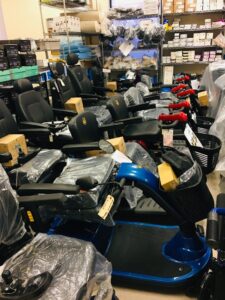
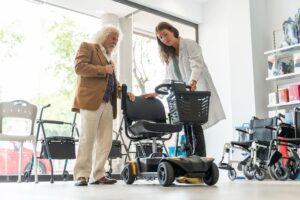
Regular equipment maintenance for medical supplies is not just about performance. It also plays an important role in safety, reliability, and day-to-day usability. A worn brake on a power wheelchair, a frayed sling on a patient lift, or a weakening battery on a scooter can increase the risk of falls, interruptions, or unexpected breakdowns. For many individuals in the Rio Grande Valley, these devices support independence, mobility, and quality of life. Without consistent upkeep, equipment intended to provide freedom may gradually become less dependable and potentially hazardous.
At MacPherson’s Medical Supply, our technicians have extensive experience working with power wheelchairs, scooters, patient lifts, and other mobility devices. Our goal is to help ensure equipment continues to function as intended through regular service, timely repairs, and thoughtful modifications. This guide explains why maintenance matters, which devices require close attention, what tasks you can perform regularly, and how to recognize when it may be time to repair, adapt, or replace equipment.

Why Routine Maintenance for Medical Equipment Is Important
Medical equipment is often used daily, sometimes for many hours at a time. Like any mechanical or electronic system, repeated use leads to gradual wear. Components such as tires, batteries, wiring, and structural elements can degrade slowly, sometimes without obvious warning signs.
Routine maintenance helps bring these issues to light earlier. A simple inspection may reveal a loose bolt, a worn tire tread, or a battery that is no longer holding a full charge. Addressing these smaller concerns promptly may reduce the likelihood of more complex problems developing over time.
Maintenance also supports more consistent performance. Equipment that is cleaned, adjusted, and inspected regularly is less likely to experience sudden changes in responsiveness or comfort. For example, properly inflated tires and well-adjusted brakes contribute to smoother operation and improved control.
Another important factor is longevity. Durable medical equipment represents a meaningful investment, whether covered by insurance, Medicare, or paid out of pocket. Taking steps to care for that equipment may help extend its usable life and delay the need for replacement.
For caregivers, routine maintenance can also help reduce uncertainty. Equipment that is checked regularly may be less likely to fail unexpectedly during transfers or daily activities, which can help create a more stable care environment.
Across South Texas, we have observed that equipment receiving consistent attention tends to remain more reliable and easier to service over time compared to devices that are only addressed after a problem arises.

Common Mobility Devices That Require Regular Upkeep
Different types of mobility equipment experience different types of wear. Some rely heavily on electronics and battery systems, while others are primarily mechanical. Regardless of complexity, all benefit from periodic inspection and care.
At MacPherson’s Medical Supply, we service a wide range of equipment, including:
-
Manual wheelchairs
-
Mobility scooters
-
Patient lifts
-
Walkers and rollators
Each of these devices has unique maintenance needs. In some cases, issues can be discussed and preliminarily assessed over the phone, which may help determine whether an in-person visit is necessary.
Wheelchairs, Scooters, and Patient Lifts
Manual wheelchairs are relatively simple in design but still require regular attention. Key areas include wheels, casters, brakes, and seating materials. Over time, tires may wear down, reducing traction. Casters can accumulate debris, affecting maneuverability. Brakes may loosen or become less effective, especially with frequent use. Upholstery can also stretch or tear, impacting comfort and posture.
Power wheelchairs and scooters introduce additional complexity. These devices depend on motors, controllers, wiring systems, and batteries. Many also include programmable settings that influence speed, responsiveness, and handling. If a device begins to feel less responsive or behaves inconsistently, the cause may be related to software settings, electrical components, or mechanical wear.
Patient lifts are particularly important to monitor closely due to the weight they support and the role they play in transfers. Slings, straps, and lifting mechanisms should be inspected frequently. Even minor fraying or weakening can become a concern over time. Hydraulic or electric lift systems should also be checked to ensure smooth and stable operation.
Essential Maintenance Tasks for Long-Lasting Performance: Equipment Maintenance for Medical Supplies
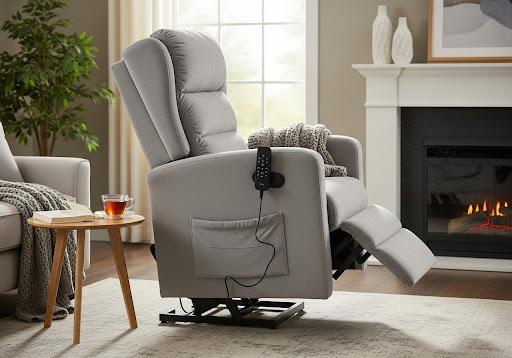
Consistent maintenance does not have to be complicated. A few regular habits can make a meaningful difference in how equipment performs over time.
Basic maintenance practices include:
-
Cleaning frames, seats, and control panels to reduce buildup of dust, dirt, and moisture that may affect moving parts or electronics
-
Checking tires for wear, cracks, or low pressure, as these can impact stability and ease of movement
-
Testing brakes to confirm they engage properly and do not slip during use
-
Inspecting bolts, screws, and connections to ensure they remain secure
-
Watching for signs of rust, corrosion, or fraying materials
-
Listening for unusual sounds such as grinding, clicking, or whining, which may indicate developing mechanical issues
Performing these checks regularly can help you become familiar with how your equipment typically feels and sounds, making it easier to notice when something changes.
When an issue goes beyond basic upkeep, professional service may be appropriate. Our technicians handle parts replacement, system diagnostics, adjustments, modifications, and programming. You can see all medical supply services we offer for more details.
Battery Care and Replacement
For power wheelchairs and scooters, the battery is a critical component. Its condition directly affects range, reliability, and overall performance.
Good battery habits may help preserve function over time. Charging the device fully after use, rather than allowing the battery to drain completely, can support more consistent performance. Storing equipment in a cool, dry location is also important, particularly in regions like the Rio Grande Valley where heat and humidity are common. Excessive heat can contribute to faster battery degradation.
Over time, all batteries lose capacity. Signs that a battery may need attention include shorter operating range, longer charging times, or unexpected drops in power during use. If these issues occur, testing can help determine whether a replacement is appropriate.
Our team can evaluate battery performance and install replacements when needed, helping restore more consistent operation.
Knowing When to Repair, Modify, or Replace Your Equipment
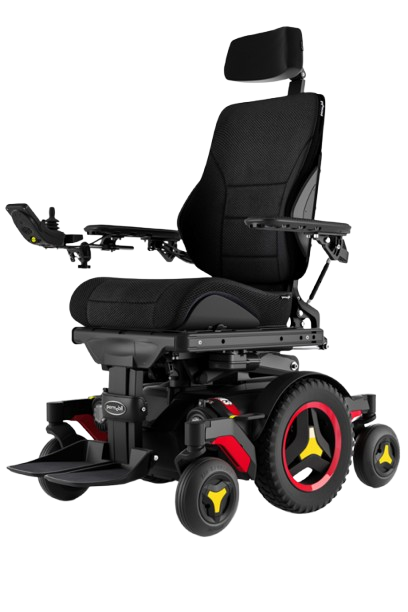
One of the most common questions we hear is whether it makes more sense to perform equipment maintenance for medical supplies , modify it, or consider replacement. The answer depends on several factors, including the condition of the device, availability of parts, and changes in the user’s needs.
Repair is often a practical option when the issue is isolated and the rest of the equipment remains in good condition. Examples include replacing worn tires, adjusting brakes, or addressing a faulty control component. These types of repairs are typically straightforward and can extend the life of the device.
Modification may be appropriate when your needs evolve but the equipment is still structurally sound. Changes in posture, comfort requirements, or mobility levels may call for seating adjustments, additional supports, or reprogramming of power settings. Modifications can help tailor the equipment more closely to current needs without requiring full replacement.
Replacement may be worth considering when repairs become more frequent, costs begin to add up, or the equipment no longer aligns with your needs. In some cases, parts may no longer be available, making future repairs more difficult. In others, newer technology may offer features that improve usability or comfort.
Signs that replacement may be appropriate include:
-
Repair costs approaching a significant portion of the cost of a new device within a short timeframe
-
Difficulty sourcing replacement parts due to discontinued models
-
Structural issues such as cracks, bent frames, or corrosion that may affect integrity
-
Noticeable changes in medical or mobility needs that cannot be addressed through adjustments
-
Increasing frequency of breakdowns or inconsistent performance
-
Persistent electrical or battery-related issues even after service
-
Availability of newer options that may better support daily activities
If you are unsure which path to take, an evaluation can help clarify your options. Our on-site Assistive Technology Professional (ATP) works with individuals to assess equipment needs and identify potential solutions based on comfort, function, and long-term use.
As a family-owned medical supply company, we focus on providing clear, practical information so you can make decisions that fit your situation.
Visit MacPherson’s Medical Supply for Equipment Maintenance for Medical Supplies
If your mobility equipment needs service, inspection, or adjustment, you can visit our store or contact our team directly.
2325 S 77 Sunshine Strip, Ste. B
Harlingen, Texas 78550
Monday through Friday
8:00 AM to 5:00 PM
Email: admin@macmedsupply.com
Phone: 956-412-9100
Why is regular equipment maintenance for medical supplies important?
Regular maintenance helps identify small issues early, which may reduce safety risks and support more consistent equipment performance over time.
What are the essential maintenance tasks for wheelchairs and scooters?
Routine tasks include cleaning, checking tire condition and pressure, testing brakes, inspecting hardware, and monitoring for unusual sounds or changes in performance.
How should I care for the battery on my power wheelchair or scooter?
Charge the battery fully, avoid complete discharge when possible, and store the device in a cool, dry environment. Changes in performance may indicate the need for testing or replacement.
When should I repair, modify, or replace my mobility equipment?
Repair when issues are isolated, modify when needs change but equipment remains functional, and consider replacement when repairs become frequent or the device no longer meets your requirements.
What types of medical devices does MacPherson’s Medical Supply service?
We service manual and power wheelchairs, scooters, patient lifts, walkers, and related mobility equipment, including parts, maintenance, programming, and adjustments.
What is an Assistive Technology Professional, and how can they help me?
An Assistive Technology Professional (ATP) evaluates mobility needs and provides guidance on equipment selection, configuration, and adaptation to support safe and effective use.