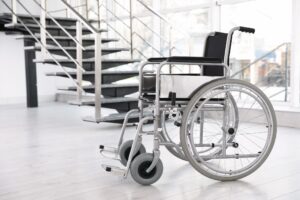
Your durable medical equipment works hard for you every single day. Wheelchairs, hospital beds, oxygen concentrators, CPAP machines, these aren’t just products sitting in a corner. They’re the tools that keep you moving, breathing, and living independently. And like anything you rely on, they need regular care to stay safe and effective.
Equipment maintenance for medical devices is one of those topics that doesn’t get enough attention until something goes wrong. A wheelchair wheel locks up. An oxygen concentrator starts making an unfamiliar noise. A hospital bed won’t adjust properly. At that point, you’re scrambling, and that’s never a good position to be in when your health or comfort is on the line.
MacPherson’s Medical Supply has seen firsthand how proper maintenance extends the life of medical equipment and keeps our customers safer. Our service and repair staff are available to ensure your equipment is maintained and works properly.
Our family-owned medical supply company has been serving the Rio Grande Valley for over 80 years, so we know a thing or two about keeping DME in top shape. In this guide, we’ll walk you through why maintenance matters, the types of programs available, best practices, and how to handle the most common challenges.
Elevating Patient Care Through Proactive Medical Device Maintenance

Let’s start with the obvious: medical devices that aren’t maintained properly can become unsafe. A power wheelchair with worn brakes, a hospital bed with a faulty motor, or a nebulizer that isn’t cleaned regularly, each of these situations puts you or your loved one at risk.
But safety is only part of the picture. Regular equipment maintenance for medical devices also protects your investment. Durable medical equipment isn’t cheap, and replacing a device years ahead of schedule because it wasn’t cared for is a frustrating (and expensive) outcome.
Here’s what consistent maintenance actually delivers:
- Longer equipment lifespan. Well-maintained devices simply last longer, whether we’re talking about manual wheelchairs, scooters, or CPAP machines.
- Better performance. Equipment that’s regularly inspected and serviced runs the way it’s supposed to. Oxygen concentrators deliver accurate flow rates. Lift chairs operate smoothly.
- Fewer emergency repairs. Catching small issues early, a fraying cable, a worn tire, a loose connection, prevents bigger, costlier breakdowns later.
- Compliance with warranty and insurance requirements. Many manufacturers and insurance providers require documented maintenance to keep warranties valid.
We see it all the time at our repair shop here in Harlingen. Customers bring in power wheelchairs or scooters that haven’t been serviced in years, and what could have been a simple battery replacement has turned into a major repair. A little preventive care goes a long way.
Types of Maintenance Programs for Medical Equipment
Not all maintenance is created equal. Understanding the different approaches helps you build a routine that actually works for your specific equipment.
Preventive Maintenance
This is the gold standard, scheduled inspections and servicing designed to catch problems before they start. Think of it like an oil change for your car. You don’t wait for the engine to seize: you follow a schedule.
For medical devices, preventive maintenance might include checking battery health on power wheelchairs, inspecting seals and tubing on respiratory equipment, lubricating moving parts on hospital beds, and verifying calibration on oxygen concentrators. Our technicians handle preventive maintenance for a wide range of DME, from manual wheelchairs to complex rehabilitation equipment.
Corrective Maintenance
This is what happens after something breaks or malfunctions. A scooter motor stops working. A CPAP machine displays an error code. A stairlift won’t move.
Corrective maintenance is reactive by nature, and it’s usually more expensive and disruptive than preventive care. That said, it’s unavoidable sometimes. The key is having a reliable repair partner who can diagnose the issue quickly. In some cases, we can even diagnose the problem over the phone and get you the right parts faster.
Predictive Maintenance
This is a newer approach that uses data and patterns to anticipate when a device might fail. It’s more common in clinical settings, but it’s worth knowing about. For home users, a simpler version of this is just paying attention, noticing that your portable oxygen concentrator’s battery doesn’t last as long as it used to, or that your wheelchair makes a new sound when turning.
The best maintenance plan usually combines all three approaches. Stick to a preventive schedule, address repairs promptly when they come up, and stay alert to changes in how your equipment performs.
Best Practices for Effective Medical Device Maintenance
So what does good maintenance actually look like on a day-to-day basis? Here are the practices we recommend to our customers throughout the Rio Grande Valley.
Follow the Manufacturer’s Guidelines
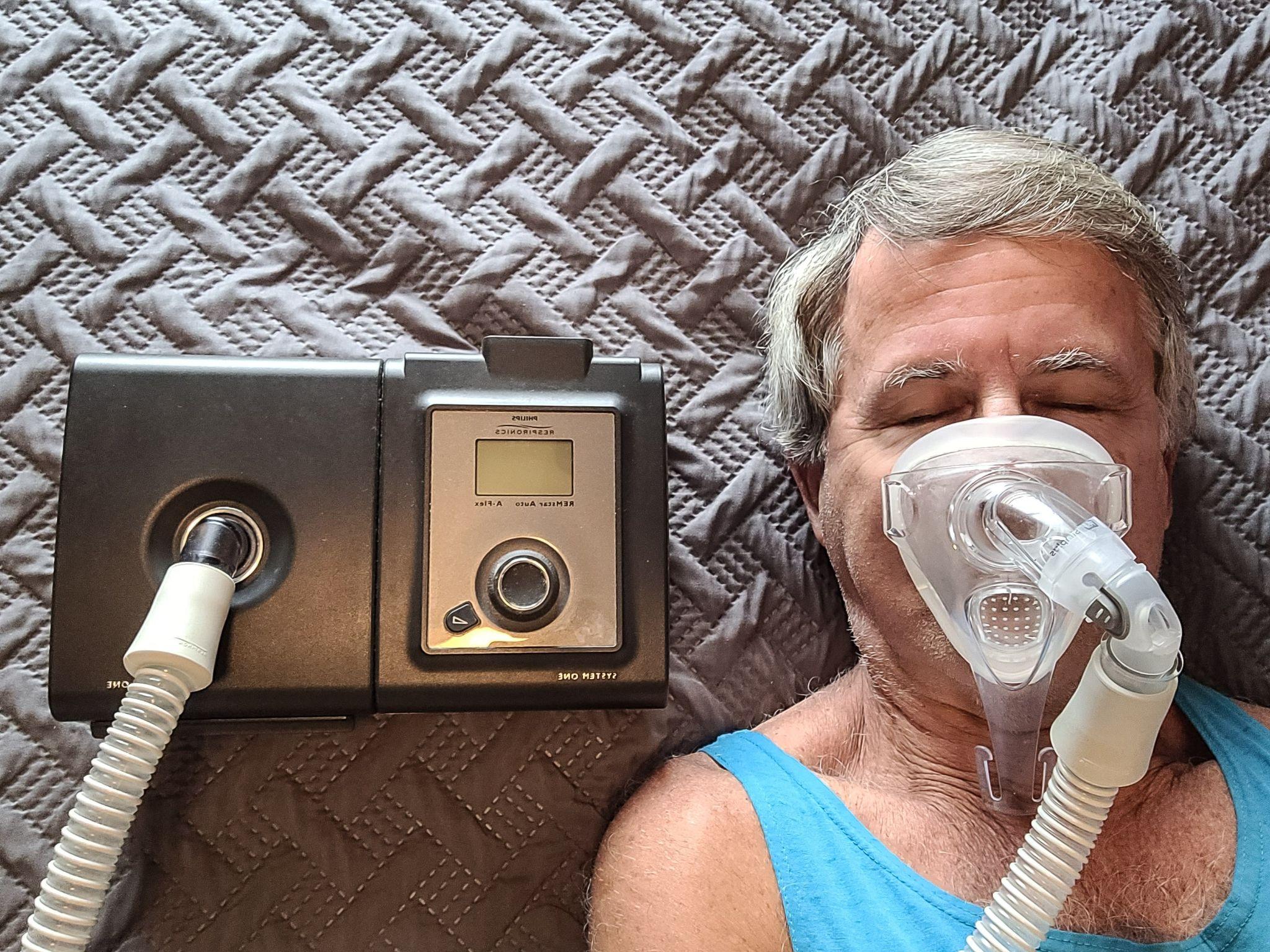
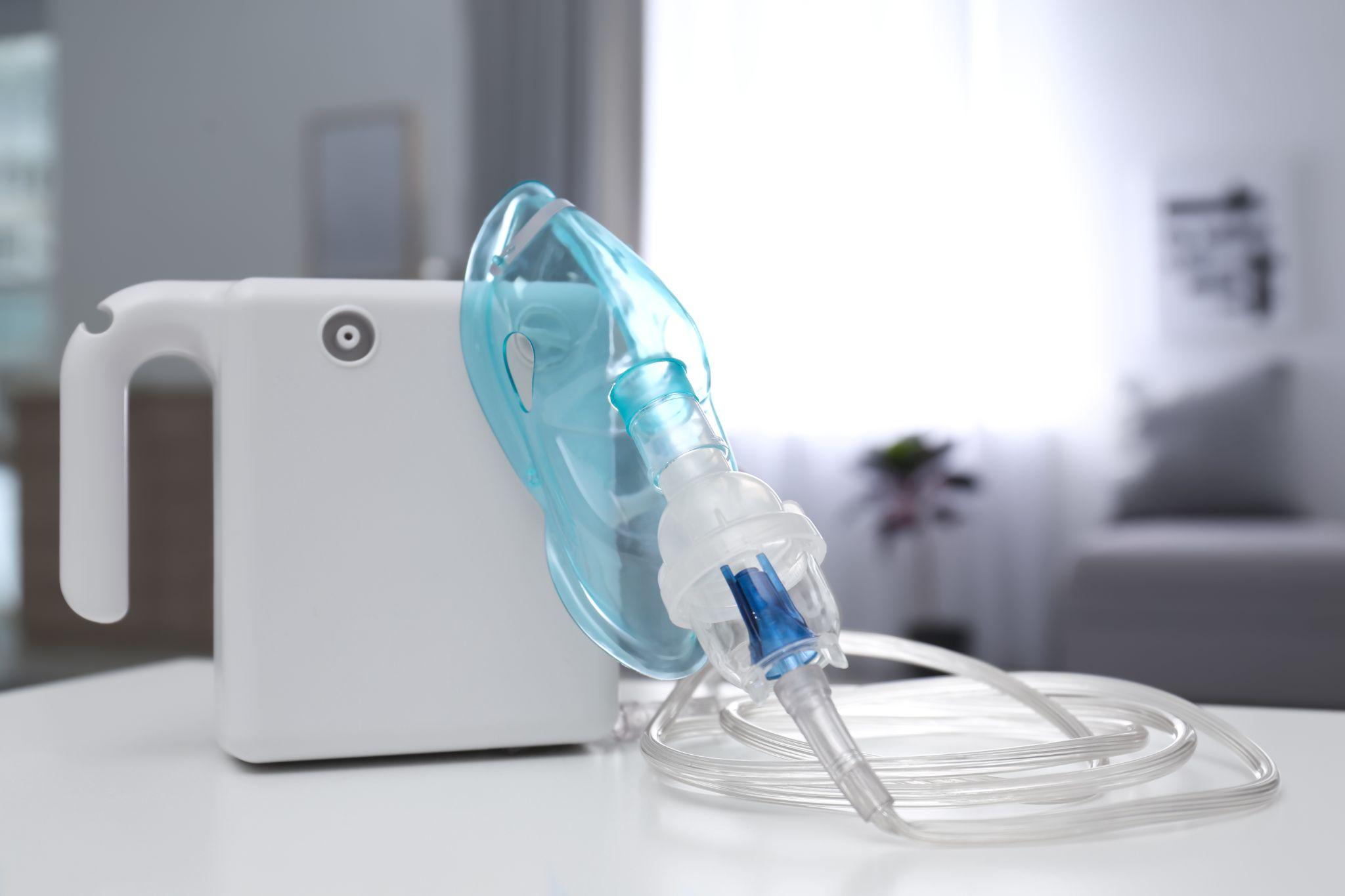
Every medical device comes with a manual that outlines recommended maintenance intervals and procedures. We know, nobody loves reading manuals. But these guidelines exist for a reason. They tell you how often to replace filters on your CPAP machine, when to check tire pressure on your wheelchair, and how to properly clean respiratory supplies like nebulizer masks and tubing.
Keep a Maintenance Log
Write it down. Whether it’s a notebook or a note on your phone, tracking when you last serviced your equipment helps you stay on schedule. Record the date, what was done, and any parts that were replaced. This documentation is also helpful if you ever need warranty service.
Clean Equipment Regularly
This sounds basic, but it’s one of the most overlooked steps. Dust, moisture, and debris can cause real damage over time. Wipe down surfaces, clean cushions, and keep respiratory equipment sanitized. South Texas heat and humidity can accelerate wear if you’re not staying on top of cleaning.
Don’t Ignore Small Issues
That slight wobble in your walker? The occasional beep from your oxygen concentrator? Don’t brush it off. Small problems tend to grow into bigger ones. Contact a qualified technician sooner rather than later.
Work With Qualified Technicians
Not all repairs should be DIY projects. Complex rehabilitation equipment, power wheelchairs, and respiratory devices require trained professionals who understand the technology. Our technicians provide medical equipment repairs for a variety of devices, including power wheelchairs, manual wheelchairs, scooters, patient lifts, walkers, and more. Services include programming, parts and maintenance, battery replacement, modifications, and full repairs. Our team also includes an on-site Assistive Technology Professional (ATP) and licensed respiratory therapists who can handle everything from diagnostics to complex modifications.
If you want to see all medical supply services we offer, including equipment repair and maintenance, we’re always happy to walk you through your options.
Common Challenges and How to Overcome Them
Even with the best intentions, maintaining medical equipment at home comes with its share of hurdles. Here are the ones we hear about most, and how to handle them.
Finding Replacement Parts
Older or discontinued models can make sourcing parts tricky. This is where working with an established medical supply company makes a real difference. We maintain relationships with multiple manufacturers and distributors, so we can often locate parts that might be hard to find on your own. Our repair team stocks parts for a wide range of mobility equipment to minimize wait times.
Knowing When to Repair vs. Replace
This is a judgment call, and it’s not always straightforward. If your power wheelchair needs a battery replacement, that’s a clear repair. But if the frame is cracked and the electronics are failing? It might be time for a new device. We help our customers weigh the cost of repair against the value of upgrading, no pressure, just honest guidance.
Keeping Up With Multiple Devices
Many of our customers use several pieces of equipment, a hospital bed, a wheelchair, respiratory supplies, bathroom safety products. Keeping track of maintenance schedules for all of them can feel overwhelming. Our advice: stagger your maintenance checks. Don’t try to do everything in one week. Spread it out so it becomes routine rather than a chore.
Insurance and Coverage Questions
Some maintenance and repairs are covered by insurance: others aren’t. The rules vary depending on your plan and the type of equipment. We can help you navigate those questions and figure out what’s covered before any work begins.
The bottom line is this: you don’t have to figure it all out alone. We strive to keep your mobility equipment safe and in good use, and having a local, knowledgeable team in your corner makes maintaining your durable medical equipment a lot less stressful.
Conclusion
Equipment maintenance for medical devices isn’t glamorous, but it’s essential. The devices you depend on, whether it’s a CPAP machine, a power wheelchair, oxygen equipment, or a hospital bed, deserve the same attention you’d give any important tool in your life. Stay on top of preventive care, address issues early, and partner with professionals who understand your equipment inside and out.
If you’re ready to find the right durable medical equipment or respiratory supplies, visit our local store, check out our full range of services, or learn more about our story. We’re proud to serve the Rio Grande Valley with trusted care.
Visit MacPherson’s Medical Supply at 2325 S 77 Sunshine Strip, Ste. B, Harlingen, Texas 78550. We’re open Monday through Friday from 8:00 AM to 5:00 PM. For questions, email us at admin@macmedsupply.com or call 956-412-9100.
How often should I schedule equipment maintenance for medical devices?
Follow your manufacturer’s guidelines for specific intervals. Generally, power wheelchairs and scooters benefit from annual professional inspections, while CPAP machines need filter replacements every 1-3 months. We recommend keeping a maintenance log to track service dates and staying consistent with preventive care schedules.
What are the signs my durable medical equipment needs repair?
Watch for unusual noises, decreased performance, or visible wear. Warning signs include wheelchair wheels that lock up, oxygen concentrators making unfamiliar sounds, batteries draining faster than usual, hospital beds not adjusting properly, or CPAP machines displaying error codes. We encourage you not to ignore small issues—they often become costly repairs.
Can I perform medical device maintenance myself?
Basic cleaning and simple tasks like filter replacements are typically safe for home users. However, complex repairs on power wheelchairs, respiratory equipment, and rehabilitation devices require trained technicians. Working with qualified professionals like our team ensures your equipment remains safe, effective, and warranty-compliant.
Does insurance cover medical equipment maintenance and repairs?
Coverage varies depending on your insurance plan and equipment type. Some maintenance and repairs are covered while others aren’t. We can help you navigate these questions—contact us or your insurance provider to determine what’s covered before scheduling service to avoid unexpected costs.
What’s the difference between preventive and corrective maintenance?
Preventive maintenance involves scheduled inspections and servicing to catch problems before they occur—like checking battery health or lubricating moving parts. Corrective maintenance happens after something breaks or malfunctions. We always recommend preventive care because it’s typically less expensive and disruptive than reactive repairs.
How do I find replacement parts for older medical equipment?
Work with an established medical supply company like ours that maintains relationships with multiple manufacturers and distributors. We can often locate hard-to-find parts for older or discontinued models. Our repair team stocks common parts to minimize wait times for essential repairs.
When should I replace medical equipment instead of repairing it?
Consider replacement when repair costs approach the equipment’s value, or when multiple major components fail simultaneously. Simple fixes like battery replacements warrant repair, but cracked frames combined with failing electronics may signal it’s time for a new device. We provide honest guidance to help you make the right decision.
Why is regular cleaning important for medical device maintenance?
Dust, moisture, and debris cause significant damage over time, especially in humid climates like South Texas. Regular cleaning extends equipment lifespan and ensures proper function. We recommend sanitizing respiratory equipment frequently, wiping down surfaces, cleaning cushions, and keeping devices free from buildup to prevent performance issues.