If you’re looking for the best electric scooter for an elderly loved one, we start with real-life needs, not just specs. At MacPherson’s Medical Supply, we’ve helped seniors in the Rio Grande Valley stay active and independent for over 80 years. We pair the right mobility scooter with supportive service so you feel confident from day one.
From compact, easy-to-transport models to heavy-duty options with extended range, our team guides you through test drives, financing, and in-home delivery. We also offer maintenance plans and friendly follow-ups, ensuring safety, comfort, and peace of mind. Discover personalized recommendations tailored to terrain, portability, and budget, all backed by local experts.
What An Electric Scooter Means For Older Adults
In everyday conversation, “electric scooter” can mean two different things. For older adults, we almost always mean a seated mobility scooter with three or four wheels, a comfortable seat, and simple controls. Stand-up e-scooters aren’t ideal for balance, comfort, or safety.
Mobility scooters are DME, durable medical equipment, designed to make daily life easier. They reduce fall risk, extend walking distance, and help you keep social plans around South Texas.
As your local source for durable medical equipment, we guide you through models that fit your home, car, and routine.
If you’re curious about who we are and how we’ve served neighbors right here in Harlingen, see our story. Learn about our roots as a family-owned medical supply company and 80 years serving the Rio Grande Valley.
Who Should (And Shouldn’t) Use An Electric Scooter
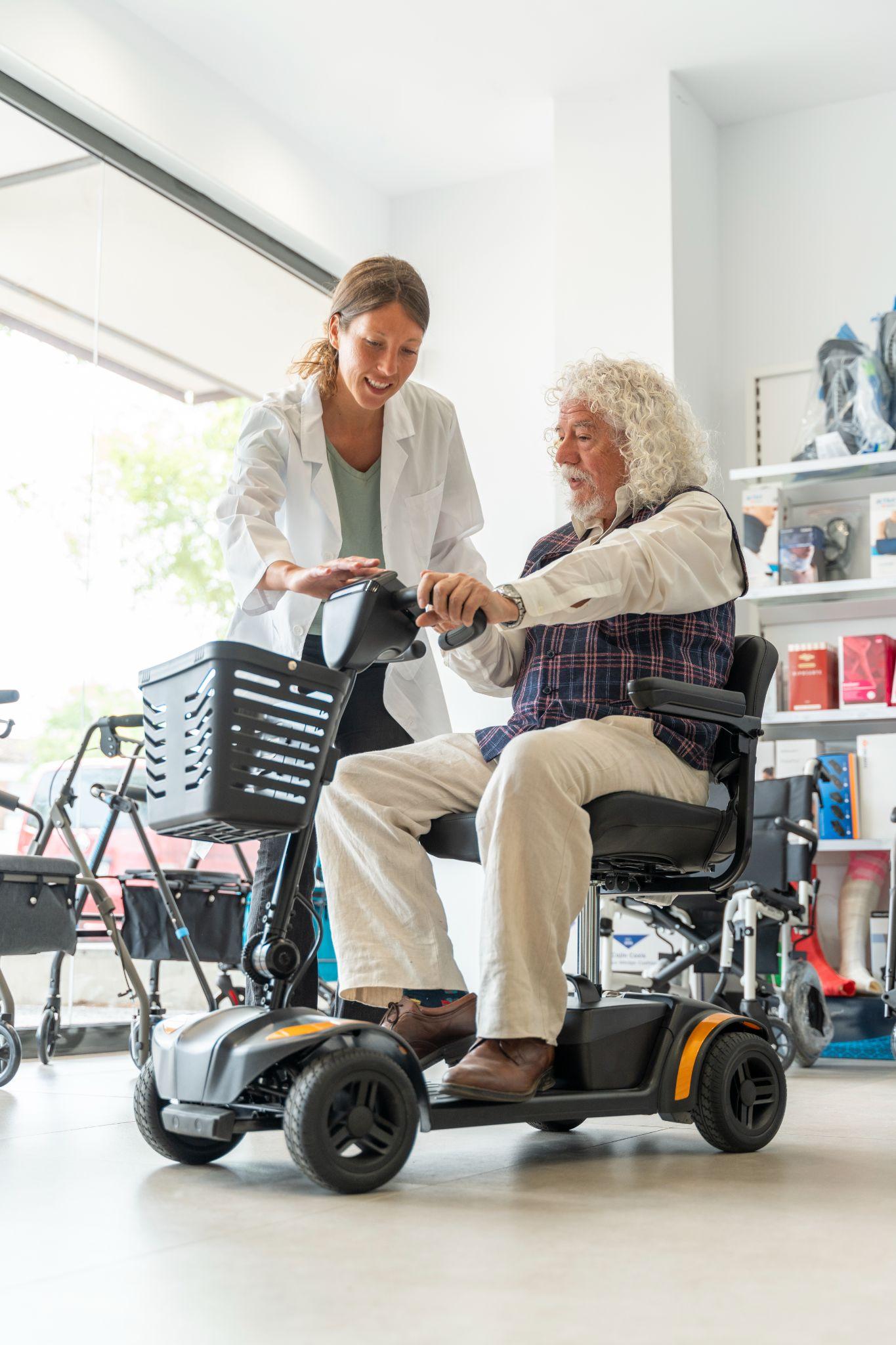
Most seniors who benefit from a scooter have steady cognition, adequate vision, and enough hand strength to use the throttle and brake. If walking a block or two leaves you winded, or joint pain limits outings, a scooter may give you back that freedom.
We don’t recommend scooters for individuals with significant balance disorders, uncontrolled seizures, or severe cognitive impairment. When in doubt, talk with your physician or therapist.
Safety And Comfort Features To Prioritize
Stability, Wheels, And Braking Systems
Stability comes first. Four-wheel scooters with a wide wheelbase and anti-tip casters feel planted on uneven sidewalks and neighborhood ramps. Larger tires and good tread help on gravel paths and park lots around the Valley.
Look for reliable electronic braking that slows smoothly when you release the throttle. A manual backup brake adds peace of mind. If you plan to cross curb cuts or rougher driveways, prioritize suspension and larger wheels.
Speed Control, Throttle Types, And Ride Modes
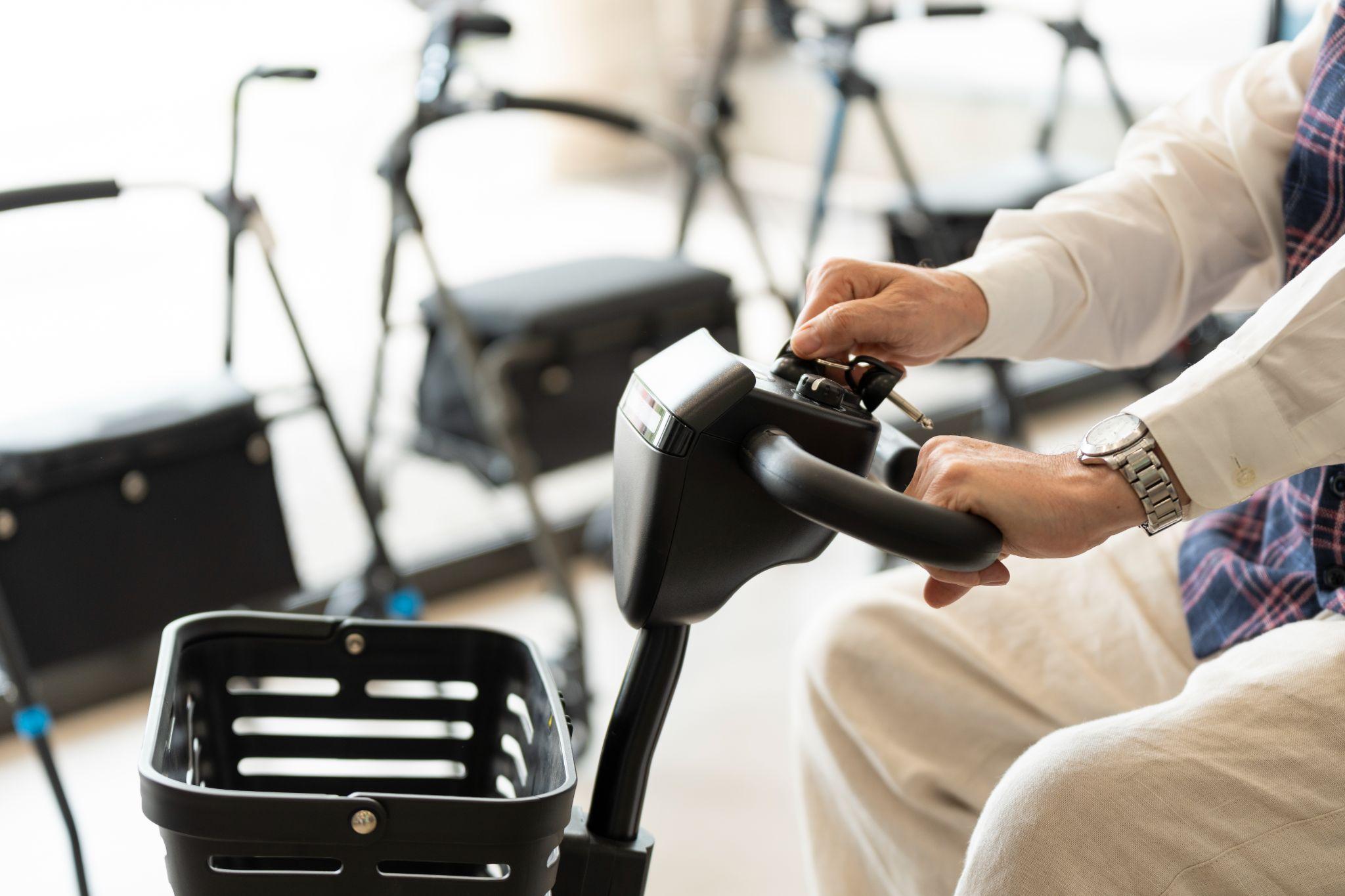
Safe scooters let you dial the speed down. Variable speed limiters and beginner modes help new riders learn in a quiet parking lot before busier areas. Try both thumb and twist throttles to see what feels best for your hand strength and dexterity.
Gentle acceleration is a big deal. You want steady starts and predictable stops, especially when navigating store aisles or clinic hallways.
Seating, Standing Support, And Suspension Comfort
Comfort keeps you riding. Choose a padded, adjustable seat with flip-up, padded armrests. A rotating seat makes transfers easier at the dining table or a bedside.
Front and rear suspension smooth out sidewalk seams. If your back or hips are sensitive, test the seat height, back angle, and tiller angle until it feels right. Small adjustments go a long way.
Lights, Signals, And Visibility Aids
Good visibility is safety. Bright LED headlights, tail and brake lights, and turn signals help drivers and pedestrians see you. Reflective accents or a safety flag add visibility during early evenings on coastal drives or shaded trails.
We also like large, easy-to-read displays. Bigger fonts and clear battery indicators reduce guesswork.
Portability, Folding, And Transport Considerations
Travel often? Consider a portable scooter that breaks into lighter pieces for the trunk. Just remember that ultralight frames can trade some stability.
If you use a vehicle lift or carrier, match the scooter weight and dimensions to your lift. Our team can help you measure and plan transport before you buy.
Fit, Terrain, And Daily Use Scenarios
Rider Fit, Weight Capacity, And Ergonomics
Fit affects safety. Match the scooter’s weight rating to the rider and typical items you carry, a purse, groceries, or an oxygen bag. Choose handlebars and controls that are comfortable without overreaching.
If your hands tire easily, we can suggest lighter controls or a different throttle style. Little ergonomic tweaks reduce fatigue and improve control.
Indoor Vs. Outdoor Use And Turning Radius
Indoor riders need a tighter turning radius and compact footprint. Look for non-marking tires and a narrow width for doorways and kitchen paths.
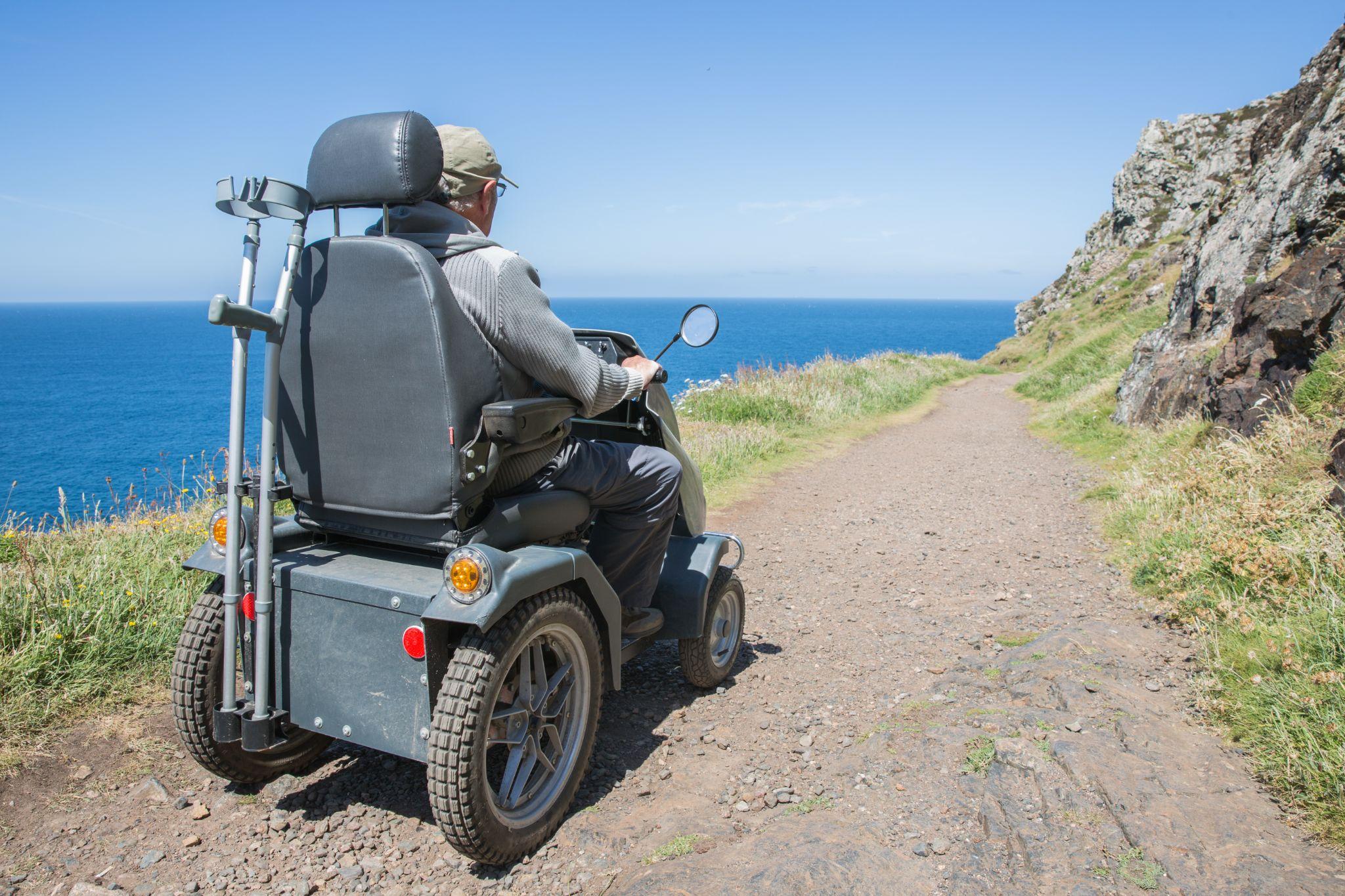
Outdoor riders in the Rio Grande Valley may prefer bigger wheels, taller ground clearance, and weather-resistant components. If you enjoy the park, church events, or weekend markets, plan for uneven surfaces and curbs.
Hills, Surfaces, And Weather Readiness
Check motor power and stated slope ratings if you cross bridges, parking ramps, or hilly driveways. Deeper tread and suspension help on broken pavement.
For rain, choose slip-resistant flooring and better sealing around electronics. We always suggest reflective gear for cloudy days and dusk.
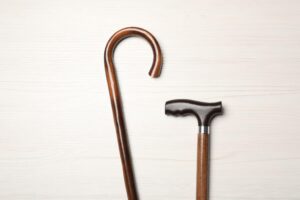
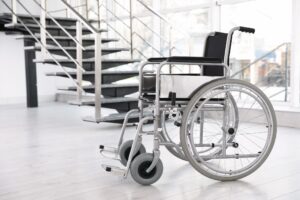
To explore options beyond scooters, like wheelchairs, walkers, lift chairs, hospital beds, or bathroom safety, browse medical supplies and our full range of services.
Costs, Insurance, And Where To Buy
New Vs. Used: Value And Risks
New scooters offer warranties, current safety features, and easier access to parts. They also come with a professional fitting and walkthrough.
Used can save money, but check battery health, tire wear, motor noise, and whether parts are still available. We can inspect and advise before you commit.
Insurance, Medicare/VA, And Funding Alternatives
Some insurance plans, Medicare, or the VA may help when a mobility scooter is medically necessary. Coverage depends on documentation and local rules.
We’ll coordinate with your provider and physician to gather what’s needed. If coverage isn’t available, we can discuss value models and payment options.
Warranty, Parts Availability, And Service Access
Only choose brands with dependable parts and local service. Our technicians handle programming, parts and maintenance, battery replacement, and repairs. In some cases, we can diagnose issues over the phone to keep you moving.
Ready to see models in person and test fit? Visit our local store to browse medical supplies. You can also see what’s in stock at our medical supply store and ask about accessories like canes, commodes, basins, and ramps.
Setup, Training, And Maintenance
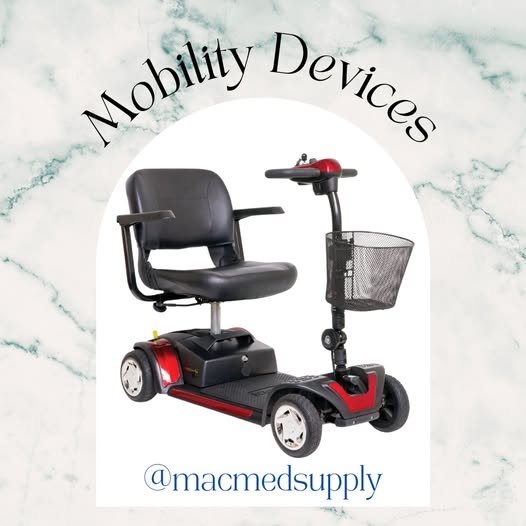
Initial Setup, Adjustments, And Practice Plan
We fit your scooter to you, so it feels natural from the first ride. With a few guided moves, you’ll find your rhythm in starts, stops, and tight turns. Begin on smooth ground, then expand your world: gentle slopes, curb cuts, and everyday errands that feel effortless.
Safe Riding Habits And Route Planning
Move with confidence and courtesy. Keep a calm pace in crowds, signal clearly, and choose routes that feel smooth and welcoming. Riding with oxygen? Our licensed team will set you up securely and simply—just reach out.
Battery Care, Charging, And Storage
Charge regularly, park in cool, dry shade, and your battery will go the distance. Notice a new sound or shorter range? We’ll make it right fast. From tires and batteries to thoughtful upgrades, our repair team keeps you rolling.
Ready to make home safer and simpler? We also support ramps, stair lifts, doorway solutions, and bathroom safety. See durable medical equipment and more.
Conclusion
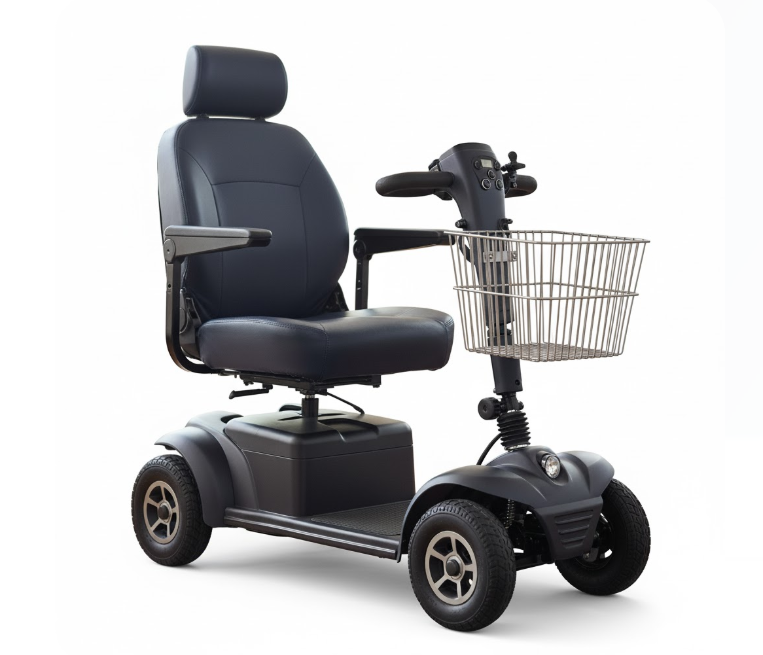
Choosing the right electric scooter for elderly riders is about comfort, safety, and confidence day after day. We’ll match features to your routine, measure transport and storage, and make sure the fit feels right. That’s the family-owned difference, care that continues long after delivery.
If you also need respiratory support, we can pair your scooter setup with CPAP machines, oxygen concentrators, and supplies. We keep a Licensed Respiratory Therapist on staff to answer questions and help you ride safely with equipment on board.
If you’re ready to find the right durable medical equipment or respiratory supplies, visit our local store, check out our full range of services, or learn more about our story. We’re proud to serve the Rio Grande Valley with trusted care.
Visit MacPherson’s Medical Supply at 2325 S 77 Sunshine Strip, Ste. B, Harlingen, Texas 78550. We’re open Monday through Friday from 8:00 AM to 5:00 PM. For questions, email us at admin@macmedsupply.com or call 956-412-9100.
FAQ
Are electric scooters safe for seniors?
Yes—when chosen and used correctly. Look for stable designs (wide deck or seated option), dual brakes, bright front/rear lights, and tires with good grip. Start with conservative speed settings, wear a helmet, practice in a low-traffic area, and avoid rain or uneven surfaces.
What features should an electric scooter for the elderly include?
Prioritize a comfortable seat or wide deck, adjustable handlebars, low step-on height, suspension, pneumatic or honeycomb tires, strong lighting, a bell/horn, dual braking (disc + electronic), speed limiter, stable kickstand, and an easy-to-read display.
What speed and range are best for seniors?
A top speed of 8–15 mph with adjustable modes is ideal for control. Aim for a real-world range of 10–25 miles to cover errands and leisure rides without frequent charging. For hilly areas, a 300–500W motor (or higher with good torque) improves confidence on inclines.
Do seniors need a license, registration, or insurance to ride an electric scooter in the US?
Rules vary by state and city. Many areas don’t require a license or registration for low-speed e-scooters, but helmet and bike-lane rules may apply. Insurance isn’t typically required but adding personal liability coverage is wise. Always check local regulations before riding.
What’s the difference between an electric scooter and a mobility scooter for seniors?
Electric scooters (kick or seated) are lighter, faster, and designed for recreation/short commutes. Mobility scooters are medical devices focused on stability and indoor/outdoor accessibility, usually with 3–4 wheels, larger seats, and lower speeds. Choose based on balance, mobility needs, and where you’ll ride.