Choosing the right durable medical equipment for a loved one can feel overwhelming. Between doctor’s orders, insurance paperwork, and daily caregiving, there’s a lot to manage. The right equipment can improve comfort, safety, and independence at home.
Common needs often include hospital beds, wheelchairs, respiratory supplies, and other essential medical devices for safe and effective home use.
MacPherson’s Medical Supply has supported families across the Rio Grande Valley for generations. As a family-owned company with licensed respiratory therapists and a full range of home medical supplies, we understand caregivers’ everyday challenges.
This guide will help you:
- Understand what qualifies as durable medical equipment
- Identify important medical devices for home use
- Learn how coverage and payment options work
- Make informed choices for your loved one
What Qualifies as Durable Medical Equipment?
Durable medical equipment, often called DME, refers to medical devices prescribed by a doctor for use in the home. To officially qualify, equipment must meet a few specific criteria:
- Durable enough for repeated use (not disposable or single-use)
- Primarily medical in nature (not useful to someone without a medical condition)
- Appropriate for home use
- Prescribed by a physician to treat or support a medical need
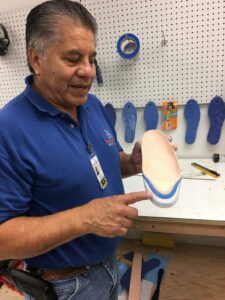
Common examples include wheelchairs, walkers, hospital beds, patient lifts, CPAP machines, oxygen concentrators, and commodes. Items like canes, nebulizers, and diabetic shoes also fall under the DME umbrella when prescribed.
Why does the classification matter? Because Medicare and most private insurance plans cover DME differently than standard medical supplies. If a device meets these criteria and your provider is an approved Medicare DME supplier, you may be eligible for partial or full coverage. Understanding this distinction early saves you time, frustration, and out-of-pocket costs down the road.
Essential Medical Devices for Home Use

Not every piece of equipment serves the same purpose, and what works for one patient may not suit another. Here are the most commonly needed categories of home care equipment, and what to look for in each.
Wheelchairs and Walkers for Daily Mobility
Mobility is often the first concern for caregivers. When someone struggles to move safely through their home, the right wheelchair or walker can be life-changing.
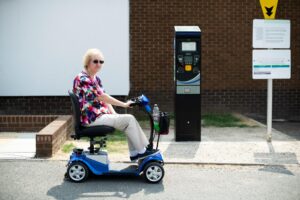
Manual wheelchairs work well for individuals who have some upper-body strength or a caregiver who can assist with pushing. Power wheelchairs and scooters offer greater independence for those with limited strength or endurance. And for people who just need a little extra stability, walkers and rollators provide support without fully replacing the ability to walk.
At MacPherson’s, we also offer complex rehabilitation technology for individuals with conditions like cerebral palsy, spinal cord injuries, or muscular dystrophy. Our on-site Assistive Technology Professional (ATP) helps match each person with individually configured seating and positioning systems, because a wheelchair isn’t one-size-fits-all.
We handle repairs too. Power wheelchair programming, battery replacements, modifications, and parts, we strive to keep your mobility equipment safe and in good working condition right here in Harlingen.
Hospital Beds and Patient Lifts for In-Home Care
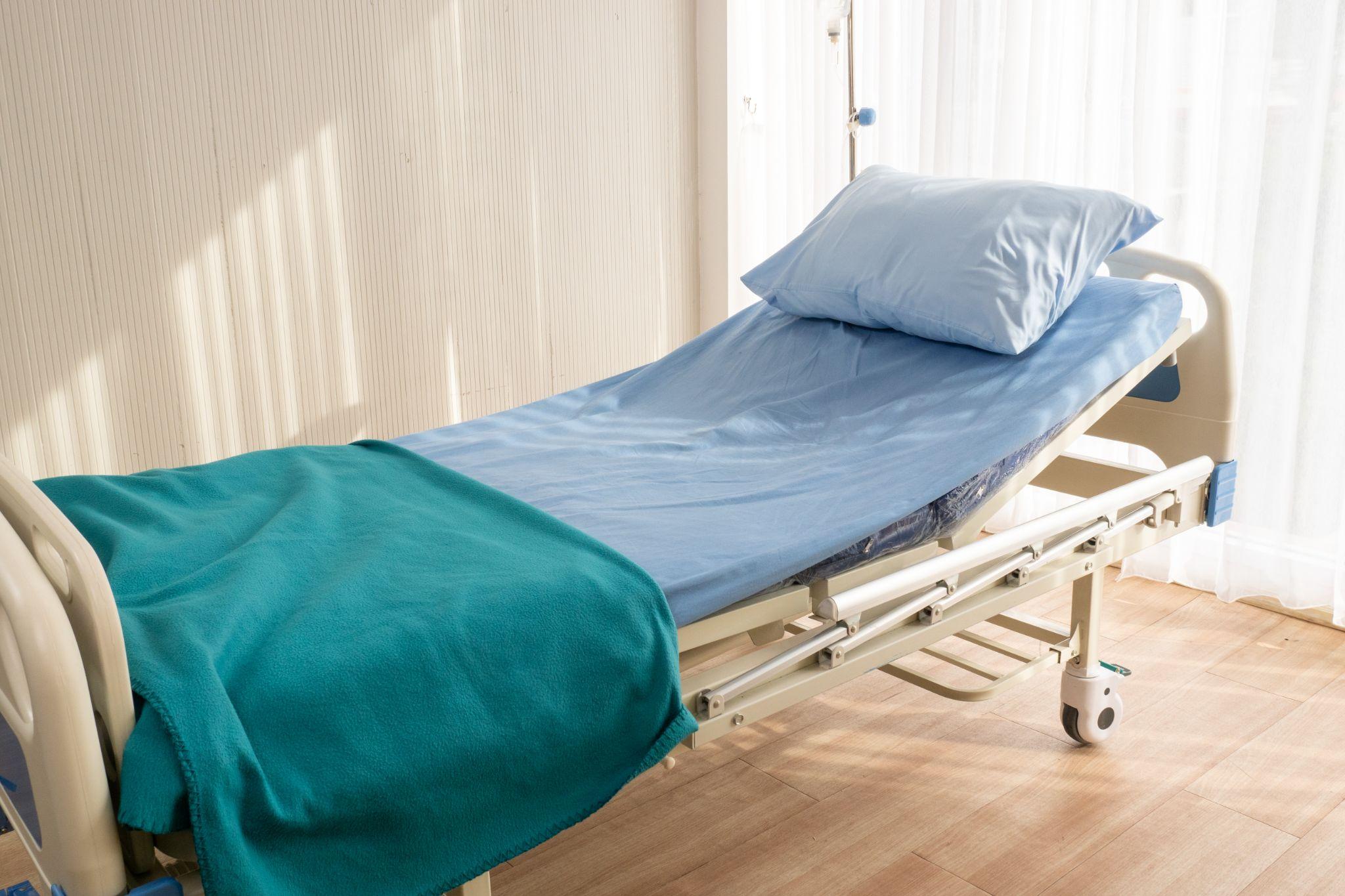
When a loved one is recovering from surgery or managing a chronic condition at home, a hospital bed makes a real difference. Adjustable head and foot positions help with breathing, circulation, and comfort. Side rails add safety during sleep. And for caregivers, the adjustable height reduces strain during transfers and daily care.
Patient lifts are just as critical. Transferring someone from bed to wheelchair, or wheelchair to bathroom, puts enormous physical stress on caregivers. A patient lift reduces the risk of injury for both parties. We carry several options and can help you figure out which setup works best for your home layout and your loved one’s needs.
Beyond beds and lifts, don’t overlook bathroom safety products like grab bars, bath lifts, and roll-in showers. Falls in the bathroom are one of the most common injuries among seniors, and a few smart modifications can prevent them.
How to Choose the Right Equipment for Your Needs
With so many options available, narrowing things down can feel daunting. Here’s a practical approach:
- Start with the prescription. Your doctor’s recommendation is the foundation. It determines what’s medically necessary and what insurance will cover.
- Assess the home environment. Doorway widths, hallway space, bathroom layout, and flooring all affect which equipment fits. A power wheelchair that works perfectly in a wide suburban home may not navigate a narrow hallway in an older house.
- Think about the user’s daily routine. Does your loved one need mobility support all day, or just for longer distances? Are they managing respiratory needs overnight? The answers shape whether you need a full power chair or a simple rollator, or whether a portable oxygen concentrator makes more sense than a stationary unit.
- Ask about trials and demonstrations. Before committing, see if you can try equipment in-store or at home. At our local store in Harlingen, we encourage hands-on demonstrations so you can feel confident in your choice.
- Plan for maintenance. DME is built to last, but it still requires upkeep. Check whether your supplier offers equipment repair, replacement parts, and ongoing support.
We always tell families in the Rio Grande Valley: don’t rush this decision. The right durable medical equipment should make daily life safer and easier, not create new headaches.
Paying for Durable Medical Equipment: Insurance and Coverage Tips
Cost is a major concern for caregivers, but many home-use medical devices are at least partially covered by Medicare, Medicaid, or private insurance.
How Medicare Part B Covers DME
- Medicare Part B covers DME when it is medically necessary and prescribed by a doctor. In most cases, you pay 20% of the Medicare-approved amount after meeting your deductible.
Why Your Supplier Matters
- Use an approved supplier. Medicare generally requires an authorized DME supplier for coverage. MacPherson’s Medical Supply is a Medicare DME supplier and can help verify eligibility and handle billing.
When Prior Authorization Is Required
- Prior authorization may apply. Some items, including power wheelchairs and complex rehab technology, need pre-approval. We help customers manage the paperwork.
Renting vs. Buying Equipment
- Rental or purchase options. Equipment such as hospital beds and patient lifts may be available as rentals, which can reduce upfront costs.
Tips for Navigating Insurance Coverage
Call your insurance provider before ordering and work with a supplier that understands coverage requirements. With more than 80 years serving South Texas, our team can help simplify the process.
If you’re not sure where to begin, explore our full range of services or call us with questions about covered medical supplies and your plan.
Conclusion

Selecting the right durable medical equipment isn’t just a purchase, it’s a decision that shapes your loved one’s quality of life. From wheelchairs and walkers to hospital beds and respiratory supplies, every piece of home care equipment should serve a clear purpose: keeping someone safe, comfortable, and as independent as possible.
Take the time to understand what qualifies as DME, explore your insurance options, and work with a supplier who genuinely knows the products. If you’re in the Rio Grande Valley, we’d love to help.
If you’re ready to find the right durable medical equipment or respiratory supplies, visit our local store, check out our full range of services, or learn more about our story. We’re proud to serve the Rio Grande Valley with trusted care.
Visit MacPherson’s Medical Supply at 2325 S 77 Sunshine Strip, Ste. B, Harlingen, Texas 78550. We’re open Monday through Friday from 8:00 AM to 5:00 PM. For questions, email us at admin@macmedsupply.com or call 956-412-9100.
What qualifies as durable medical equipment (DME)?
Durable medical equipment refers to medical devices prescribed by a doctor for home use that are durable enough for repeated use, primarily medical in nature, and appropriate for home environments. Common examples include wheelchairs, walkers, hospital beds, CPAP machines, oxygen concentrators, and patient lifts. To qualify for insurance coverage, items must meet these criteria and be prescribed by a physician.
How does Medicare cover durable medical equipment?
Medicare Part B covers DME when deemed medically necessary and prescribed by your doctor. You typically pay 20% of the Medicare-approved amount after meeting your annual deductible. Your supplier must be a Medicare-approved DME provider, and some equipment may require prior authorization before purchase or rental.
What types of wheelchairs and mobility devices does MacPherson’s offer?
MacPherson’s provides manual wheelchairs, power wheelchairs, scooters, walkers, and rollators. Our on-site Assistive Technology Professional helps match individuals with custom-configured seating and positioning systems. We also offer repair services including programming, battery replacement, modifications, and parts maintenance right here in Harlingen.
Can I get a respiratory therapist to help with CPAP and oxygen equipment?
Yes, MacPherson’s Medical Supply has licensed respiratory therapists on staff. They provide instruction and support with CPAP machines, oxygen concentrators, portable oxygen units, nebulization supplies, and other complex respiratory needs. Our team helps ensure you’re using equipment correctly and safely.
Does durable medical equipment require maintenance and repairs?
Yes, DME requires regular upkeep to stay safe and functional. MacPherson’s offers equipment repair services for power wheelchairs, manual wheelchairs, scooters, patient lifts, walkers, and more. We can often diagnose issues over the phone and provide battery replacements, modifications, and parts to keep your equipment in good working condition.
What home modifications can help with accessibility and safety?
MacPherson’s offers comprehensive home modifications including doorway widening, grab bars, roll-in showers, bath lifts, stairlifts, ramps, platform lifts, and kitchen accessibility upgrades. We assess your home environment and recommend solutions tailored to your specific needs to prevent falls and improve independence.