Choosing a CRT provider Rio Grande Valley families can trust is one of the most meaningful decisions you’ll ever make. It’s not just about equipment—it’s about finding a team that truly understands your journey and stands beside you every step of the way, from evaluation and fitting to follow-up care and the small, everyday adjustments that can transform daily life.
At MacPherson’s Medical Supply, we know how much courage it takes to navigate this path. As a family-owned company serving the Rio Grande Valley for over 80 years, we treat every person who walks through our doors like family. Our dedicated team specializes in Complex Rehabilitation Technology, and nothing matters more to us than helping individuals with disabilities live with greater independence, comfort, and dignity.
What CRT Is And Who It Helps
CRT stands for Complex Rehabilitation Technology. It includes individually configured manual and power wheelchair systems, seating and positioning systems, standing devices, gait trainers, and other adaptive equipment designed for people with significant physical challenges.
Unlike standard mobility equipment, CRT is customized to meet each person’s unique medical, physical, and functional needs. Our on-site Assistive Technology Professional (ATP) guides you through finding the right equipment—ensuring proper fit, function, and long-term support.
As your local medical supply and DME team, we also help with related home needs: beds for easier repositioning, bathroom safety equipment, and respiratory supplies that support your overall quality of life.
How CRT Differs From Standard Mobility Equipment
Standard wheelchairs and walkers are designed for general use. They work well for temporary needs or minor mobility limitations.
CRT is different because it’s individually configured for complex medical conditions. Each system addresses specific positioning, pressure management, and functional requirements that off-the-shelf equipment cannot meet.
Common Conditions That May Benefit From CRT
People who benefit from Complex Rehabilitation Technology often have:
- Congenital disorders such as cerebral palsy, spina bifida, or muscular dystrophy
- Progressive or degenerative neuromuscular diseases like multiple sclerosis or ALS
- Injuries or trauma such as traumatic brain or spinal cord injuries
These conditions change what you need at home—safe transfers, proper positioning, stable mobility, and adaptive equipment that grows with your needs.
When CRT Is Most Effective
CRT tends to be most effective when:
- Physical limitations significantly impact daily function and independence
- Standard equipment doesn’t meet your positioning or mobility needs
- A qualified ATP evaluates and configures equipment specifically for you
- Follow-up adjustments and programming are taken seriously
That last point matters more than people expect. CRT is rarely “one-and-done.” It’s an ongoing process of fitting, adjustment, and optimization.
If you’re exploring options for yourself or a family member, you can always browse medical supplies and mobility basics through see what’s in stock at our medical supply store. We’re here for all your medical supply needs, without the runaround.
Types Of CRT Services You May Need In The Rio Grande Valley
When people search for a CRT provider in the Rio Grande Valley, they’re usually thinking about wheelchairs or seating systems. But comprehensive CRT care covers much more: evaluation, equipment selection, fitting, training, and long-term support.
It helps to know what services are typically involved so you can choose a provider with fewer gaps.
Manual Vs Power Wheelchair Systems: Understanding The Difference
There are two main wheelchair categories in CRT:
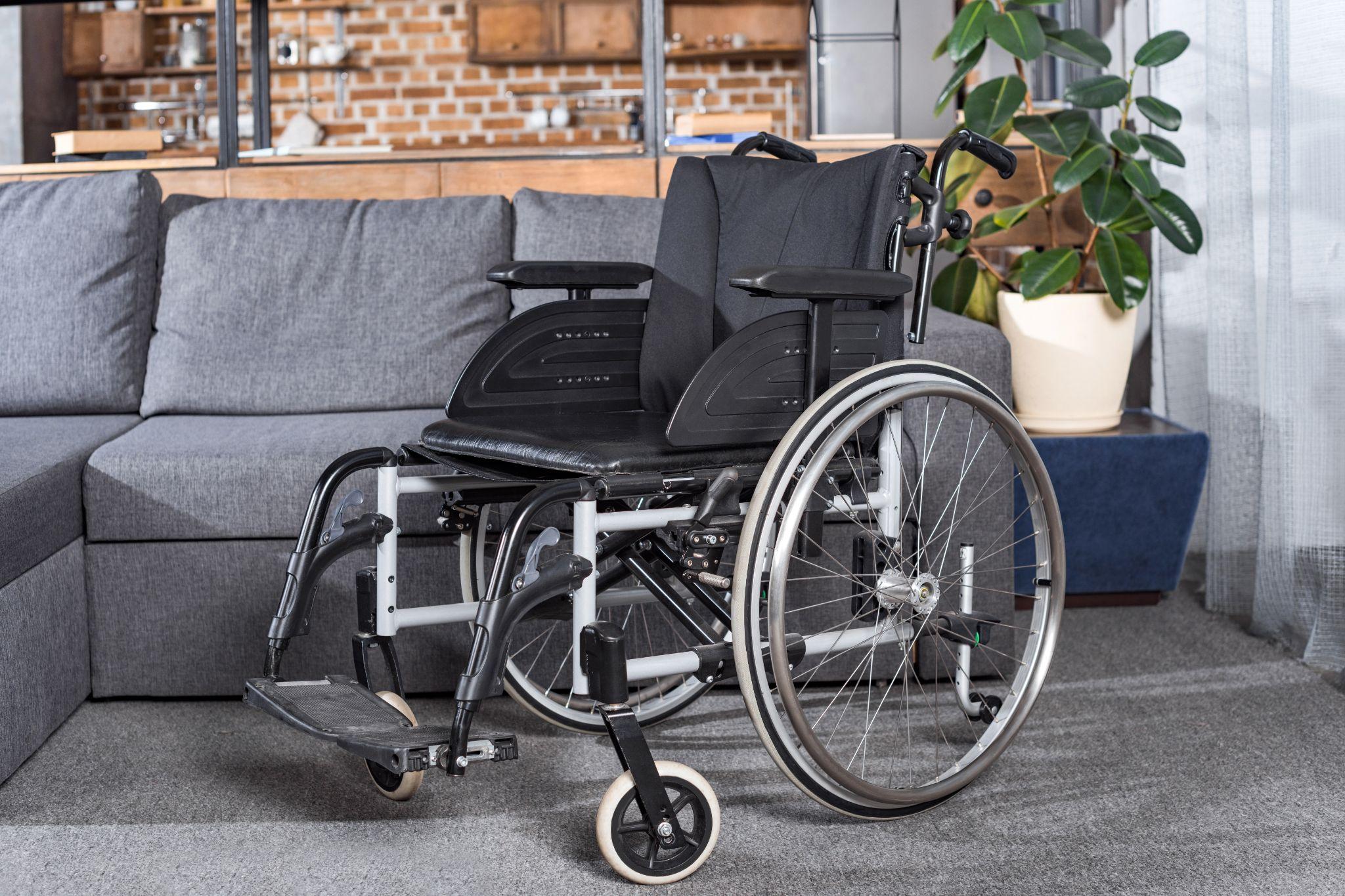
- Manual wheelchair systems: Individually configured for users who can self-propel or have a caregiver assist, with custom seating and positioning
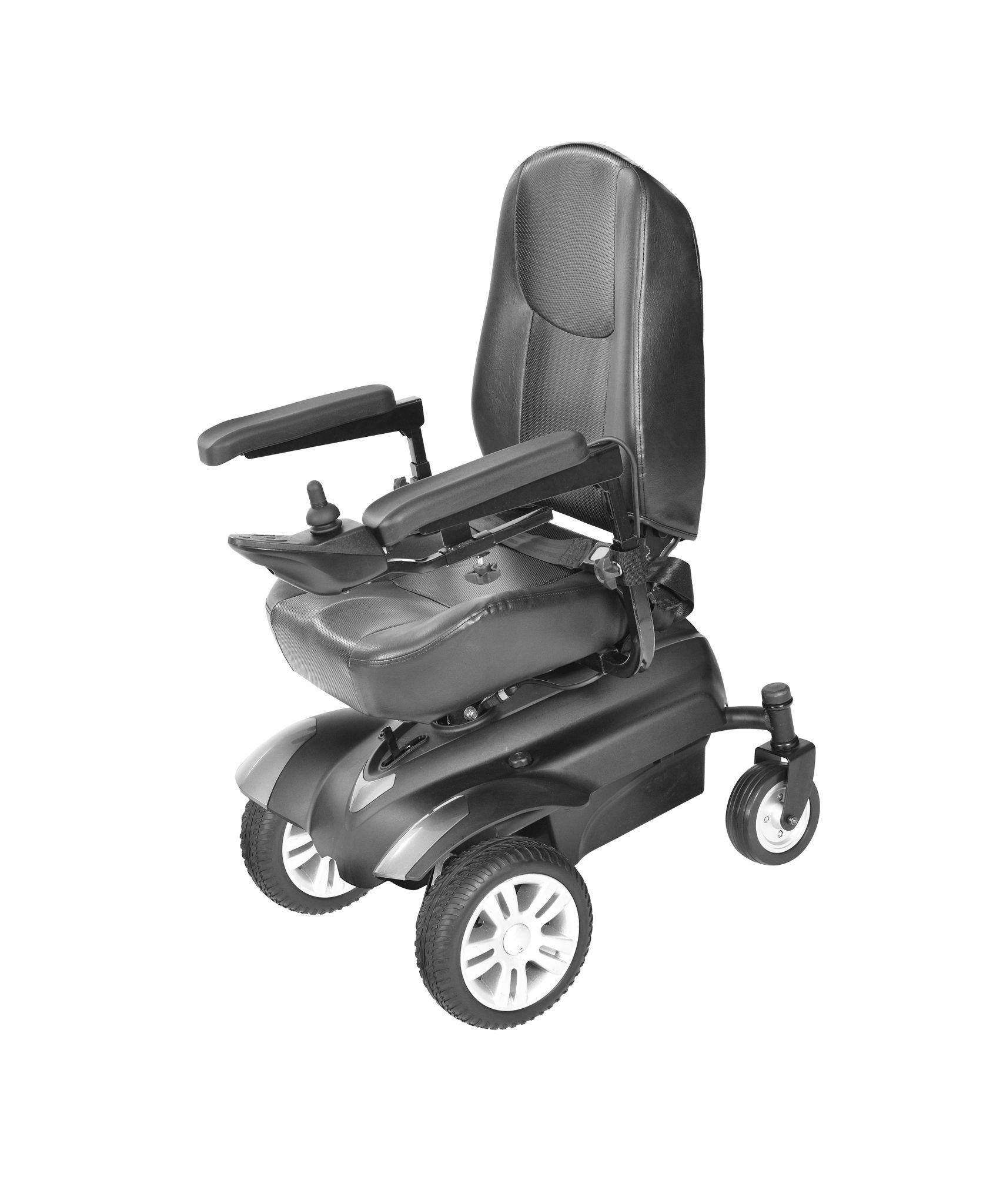
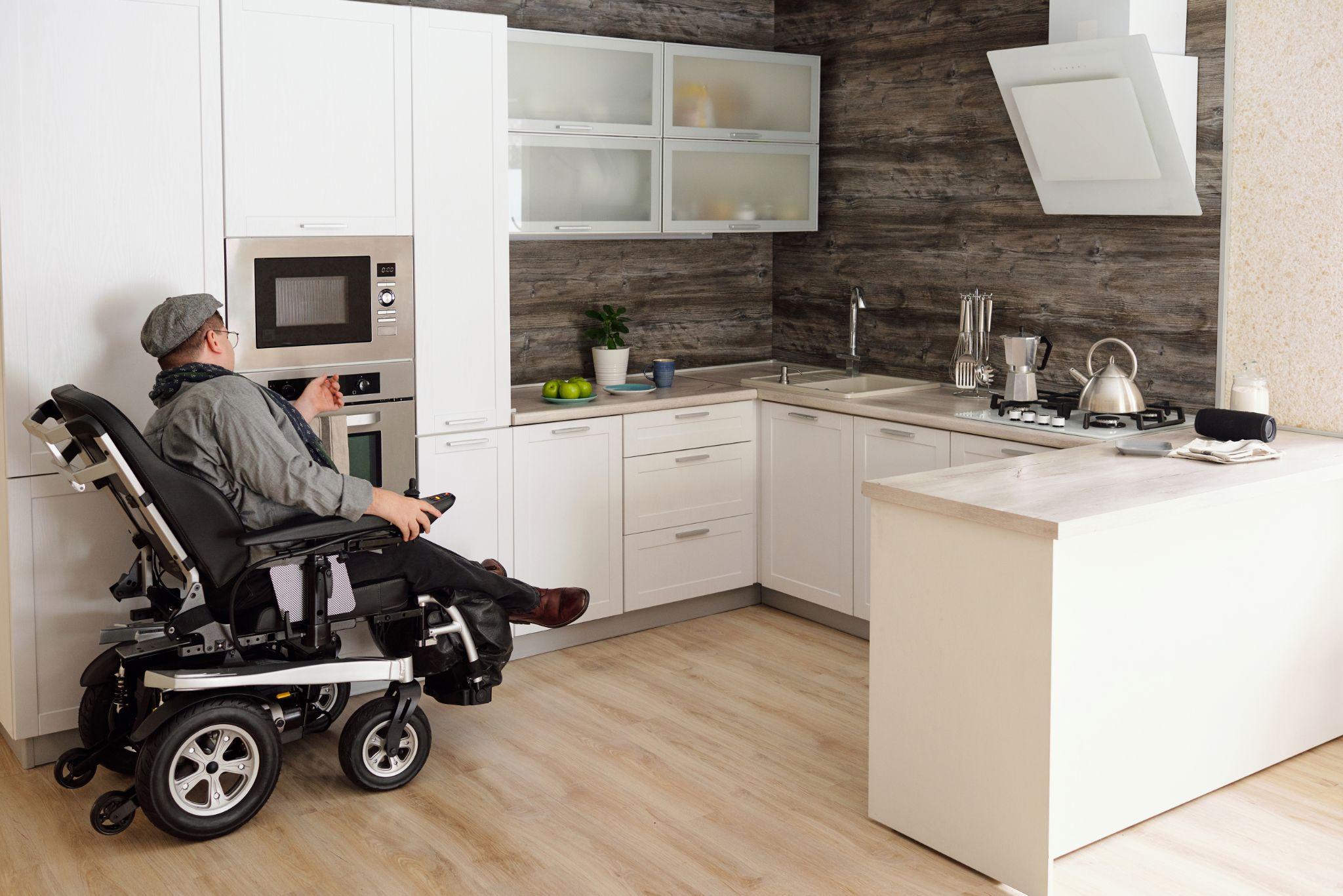
- Power wheelchair systems: Motorized mobility with advanced seating, controls, and positioning options for users with limited upper body strength or endurance
Our ATP will recommend what fits your medical needs, lifestyle, and home environment.
Evaluation And Assessment Process
Before recommending CRT equipment, our team conducts thorough assessments including:
- Physical and functional evaluation
- Home environment assessment
- Transportation needs review
- Technology and feature matching to your specific needs
This is also a smart time to think about other practical needs at home. If transfers are difficult, equipment like hospital beds or patient lifts may help. For bathroom safety, items like commodes, grab bars, and shower chairs reduce fall risks.
We keep these conversations simple and focused: what would make your day safer and easier right now?
Fitting, Training, And Long-Term Follow-Up
CRT services extend well beyond delivery. You can expect:
- System assembly and configuration
- Custom fitting and adjustments
- Programming for power equipment
- Product-related training for you and caregivers
- Ongoing follow-up and modifications as needs change
If respiratory issues are part of your picture, local support matters. We provide oxygen services, CPAP machines and supplies, and we have a licensed respiratory therapist on staff to help you understand your equipment and use it correctly.
To see the range of support we provide beyond products—repairs, accessibility, respiratory, and more—take a look at our full range of services. It’s all part of building reliable solutions for everyday life in South Texas.
What To Look For In A Rio Grande Valley CRT Provider

A strong CRT provider is more than “someone who sells wheelchairs.” You’re choosing a team that understands complex medical needs and will support you over time.
Here’s what we encourage families to look for, especially if you’re comparing options across Harlingen, McAllen, Brownsville, and surrounding communities.
ATP Certification And Rehabilitation Experience
CRT equipment should be evaluated and configured by qualified professionals.
Look for:
- An on-site Assistive Technology Professional (ATP)
- Experience with complex medical conditions and diagnoses
- Clear education for you and your caregiver (not rushed)
Manufacturer Relationships And Equipment Options
Access to quality equipment matters when your needs are complex.
Ask what brands and manufacturers they work with, what customization options are available, and how repairs and parts are handled.
Fitting Process And Ongoing Adjustments
Two providers can deliver the same wheelchair and get different results based on fitting expertise and follow-up commitment.
You want a provider that:
- Takes time during initial fitting to get positioning right
- Schedules follow-up visits when something isn’t working
- Adjusts thoughtfully rather than defaulting to “it takes time to get used to it”
Care Coordination With Your Medical Team
Care coordination is where people feel either supported… or dropped.
A good CRT provider communicates with:
- Your physician and rehabilitation team
- Physical and occupational therapists
- Insurance representatives when documentation is needed
And on the home side, we often help bridge practical gaps—getting the right durable medical equipment in place, arranging repairs for mobility devices, or setting up respiratory supplies.
If you’re also dealing with pain, balance issues, or gait changes, custom orthotics can sometimes help reduce strain and improve efficiency with walking and standing. We offer prescription solutions made from molds or scans, designed to control alignment and function of the foot. Learn more through custom orthotics and bracing solutions.
If you’d like to understand who we are and why so many families stick with us, you can read our story at MacPherson’s Medical Supply. Family-owned and trusted for over 80 years isn’t just a line—it’s how we do business.
Questions To Ask At Your Consultation
Walking into a CRT consultation can feel overwhelming. There’s a lot to consider, and it’s happening because you or someone you love needs specialized support.
We recommend bringing a short list of questions. Write them down. Bring a family member. And don’t be shy about asking for plain language.
What Equipment Best Fits My Condition And Goals?
Ask your provider:
- Why do you recommend this type of wheelchair or seating system for me?
- What features address my specific positioning or mobility needs?
- How will this equipment help me function better day-to-day?
It’s also fair to ask what success looks like and how they handle situations when the first solution isn’t quite right.
What Does The Fitting And Training Process Look Like?
You’ll want specifics like:
- How long does the evaluation and fitting process take?
- What training will I and my caregivers receive?
- How are adjustments handled after delivery?
This is where home setup matters too. You may need other equipment to support safe transfers, bathing, and daily activities. Simple additions—grab bars, shower aids, hospital beds—can reduce strain and prevent falls.
How Will Follow-Up And Repairs Work?
Ask:
- How do I schedule follow-up adjustments?
- What’s your process for repairs and parts?
- Who do I contact if something isn’t working?
On the home support side, we want you to have a clear path too. If you need equipment, repairs, oxygen, or CPAP support, reach out and we’ll help you sort it out.
If you’re ready to talk with a local team about DME, respiratory care, or getting your home safer, you can contact our team. Call today to find the right equipment for you.
Insurance, Referrals, And Practical Logistics In The RGV
Even when the medical decision is clear, logistics can slow everything down. In the Rio Grande Valley, travel time, referral requirements, and insurance approvals are often the real stressors.
Coverage Basics: Medicare, Medicaid, And Commercial Plans
Coverage for CRT equipment varies based on your insurance plan and documented medical necessity.
Medicare and Medicaid often cover complex rehabilitation equipment when specific criteria are met. Commercial plans vary widely.
If you’re unsure what’s covered, we can talk through options and alternatives—without pushing you into something you don’t need.
Documentation And Medical Necessity Requirements
Ask about:
- What documentation does insurance require?
- Do I need a prescription or letter of medical necessity?
- Which medical records support my case?
Getting it right upfront can save weeks.
Location Considerations: Evaluations, Fittings, And Service
In South Texas, distance isn’t just mileage—it’s time off work, caregiver coordination, and fatigue.
Consider:
- Where evaluations and fittings take place
- Accessibility of the location (parking, entrance, space)
- Whether the provider offers in-home visits when needed
And don’t forget the local support layer. Having a nearby medical supply partner for equipment, fittings, and repairs can keep small issues from turning into big setbacks.
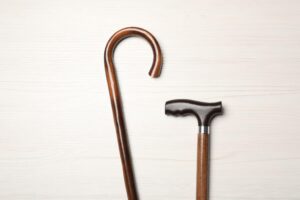
If you want to handle multiple needs in one stop, we welcome you to visit our local store in Harlingen. We’ll help you find dependable, comfortable solutions—wheelchairs, beds, canes, commodes, respiratory supplies, and more.
Conclusion
Choosing a CRT provider Rio Grande Valley patients can rely on comes down to confidence in the team: qualified ATP expertise, thorough evaluation and fitting, and follow-up support that doesn’t leave you guessing.
At MacPherson’s Medical Supply, we provide Complex Rehabilitation Technology resources to meet the unique needs of individuals with disabilities—along with the daily life support that matters: safe mobility, easier breathing, and a home setup that reduces strain for you and your caregiver.
If you’re ready to find the right durable medical equipment or respiratory supplies, visit our local store, check out see all medical supply services, or learn more about 80 years serving the Rio Grande Valley. We’re proud to serve the Rio Grande Valley with trusted care.
Visit MacPherson’s Medical Supply at 2325 S 77 Sunshine Strip, Ste. B, Harlingen, Texas 78550. We’re open Monday through Friday from 8:00 AM to 5:00 PM. For questions, email us at admin@macmedsupply.com or call 956-412-9100.
What Does CRT Stand For In Medical Equipment?
CRT stands for Complex Rehabilitative Technology. It encompasses a wide range of specialized medical devices—including wheelchairs, seating systems, and mobility aids—designed to support individuals with disabilities or medical conditions affecting their daily function.
What Is An ATP Certification And Why Does It Matter?
ATP (Assistive Technology Professional) certification demonstrates that a provider has completed specialized training in assistive technology. This credential ensures they can properly evaluate needs, recommend appropriate solutions, and fit equipment for optimal performance and comfort.
How Long Does The CRT Process Take?
Timelines vary depending on equipment complexity and individual needs. Generally, expect several weeks to a few months from initial consultation through final delivery, including evaluation, ordering, manufacturing, fitting, and training.
How Often Will My Equipment Need Adjustments Or Replacement?
This depends on your specific equipment and how your needs evolve over time. Most devices require periodic adjustments, and your provider will schedule regular follow-ups to ensure everything continues to function properly and meet your requirements.