Introduction
If you are looking for a CPAP machine for sale, you deserve reliable guidance from people who care. At MacPherson’s Medical Supply, a family-owned medical supply company serving the Rio Grande Valley for more than 80 years, you will find high-quality durable medical equipment and licensed respiratory support.
Our team helps you choose the right machine, compare features, and make a confident purchase. From therapy setup to local follow-up care, we are here to make your sleep therapy simple, safe, and successful.
Who Needs a CPAP Machine and What You Need Before Buying
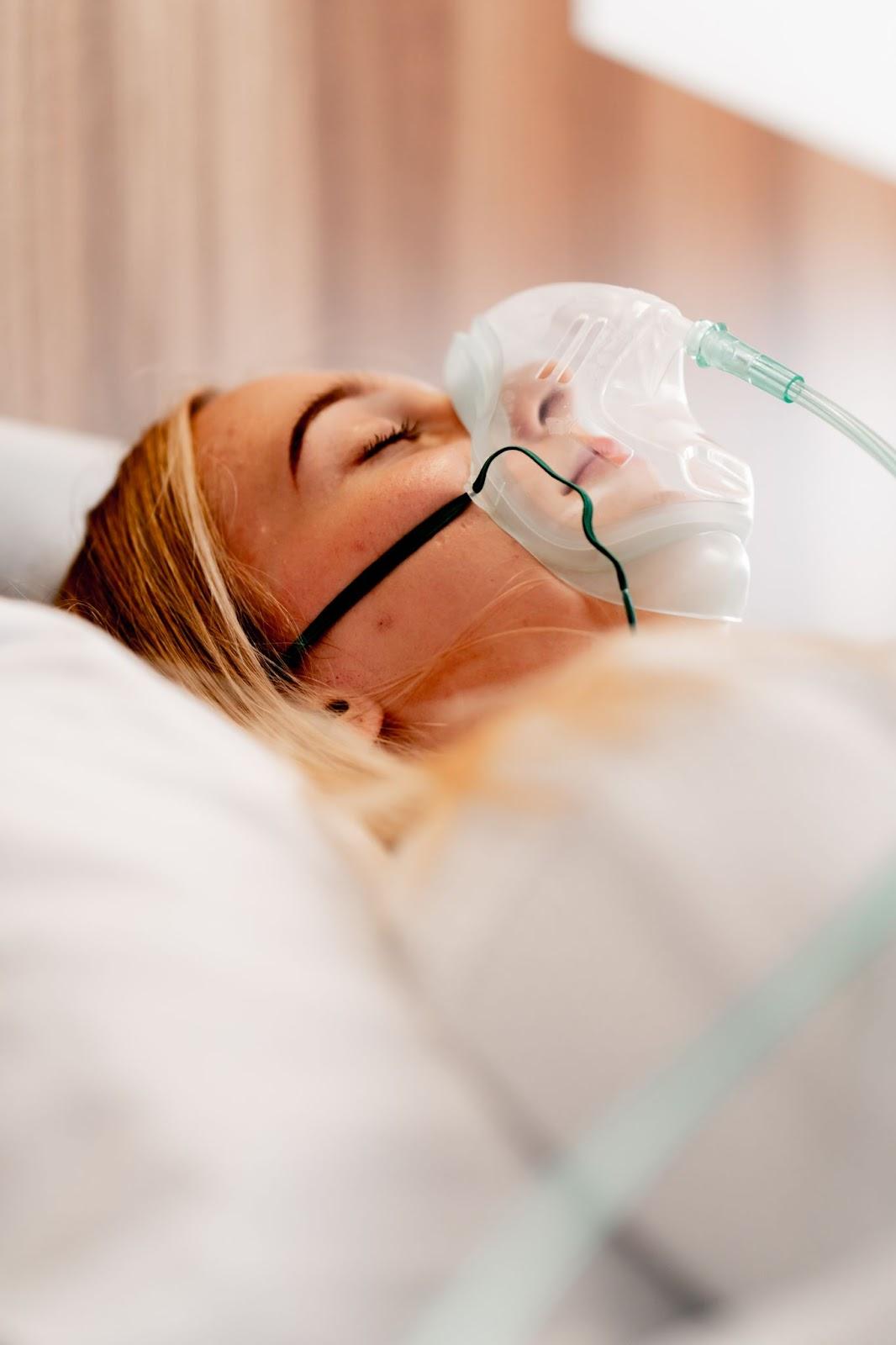
A CPAP machine treats obstructive sleep apnea by keeping the airway open while you sleep. If you often wake up tired, snore loudly, or experience morning headaches, a sleep study can confirm whether you have sleep apnea and what pressure level you need.
Before purchasing, you must have a valid prescription. It should include your pressure setting, mask style, and any comfort features such as humidification. At MacPherson’s Medical Supply, our team can help you review your prescription and find the best match for your needs.
Having a licensed respiratory therapist by your side makes therapy easier. Our in-house Respiratory Therapist provides setup assistance, education, and long-term support. For reliable background information on sleep therapy and sleep apnea, visit the American Academy of Sleep Medicine and the National Heart, Lung, and Blood Institute.
Types of CPAP Devices and Key Features to Compare
Choosing a CPAP machine for sale starts with understanding the device types and features. The right fit can make therapy more comfortable and easier to stick with.
Fixed-Pressure CPAP vs APAP vs BiLevel
A fixed-pressure CPAP machine delivers one consistent pressure throughout the night and is widely recommended for standard obstructive sleep apnea.
An auto-adjusting CPAP, or APAP, automatically changes pressure within a set range to match your breathing patterns, which is helpful if your pressure needs vary while you sleep.
A BiLevel, or BiPAP, machine provides a higher pressure when you inhale and a lower pressure when you exhale, making it ideal for complex sleep apnea or when higher pressures are required.
Humidification, Heated Tubing, and Comfort Settings
Dry mouth or nasal irritation can interrupt good sleep, which is why comfort features make such a difference. Integrated humidifiers and heated tubing add moisture and prevent dryness or condensation, helping you breathe comfortably through the night. Ramp features gently increase pressure as you fall asleep, while exhalation relief makes breathing feel more natural. Modern CPAP machines combine these features with quiet operation and compact designs, making them ideal for both home use and travel.
Data Tracking, Apps, and Compliance Reporting
Many devices now include Bluetooth connectivity and mobile apps for tracking sleep data, detecting mask leaks, and sharing compliance reports with your clinician. For more details on features and comfort options, review the American Thoracic Society’s sleep apnea guide.
Price Range and Total Cost of Ownership
When budgeting for a CPAP machine for sale, it is important to look at the total cost of ownership, not just the initial price tag. Basic CPAP models are more affordable, while APAP and BiLevel machines cost more because of advanced pressure control and added features.
You should also consider accessories such as humidifiers, tubing, and masks. Over time, replacement supplies add to your ongoing costs. At MacPherson’s Medical Supply, we stock CPAP supplies locally so you can replace filters, cushions, and masks without delay. You can also see what is in stock at our medical supply store to plan ahead for your needs.
If you prefer a lower upfront cost, refurbished units can be a safe option when purchased from a verified dealer. Rentals are available for short-term use or trial periods. Always confirm warranty terms before buying. For general product safety, refer to the FDA’s ventilator and accessories page.
Insurance Coverage, HSA/FSA, and Compliance Requirements
Most insurance plans, including Medicare, help cover the cost of CPAP equipment when prescribed for sleep apnea. Coverage typically includes the machine, mask, tubing, and filters. Many patients also use flexible spending (FSA) or health savings (HSA) accounts to pay for their devices and replacement parts.
To keep insurance coverage active, you must meet usage standards known as compliance. For example, Medicare often defines compliance as using your CPAP machine for at least four hours per night on 70 percent of nights within a 30-day period during the first 90 days of therapy. Private insurers often follow similar guidelines.
Modern CPAP machines automatically track this data, recording nightly usage, pressure levels, and mask leaks. These reports can be shared electronically with your doctor or insurance provider to confirm your compliance. If you miss nights due to travel, illness, or mask discomfort, our respiratory team can help adjust your setup and improve comfort before it affects your insurance status.
Understanding compliance is essential for both effective therapy and continued coverage. For more information about what compliance means and how to stay on track, visit the Sleep Foundation’s Guide to CPAP Compliance.
How to Choose the Right CPAP for Your Needs
The best CPAP is the one that fits your prescription, lifestyle, and comfort level. Fixed-pressure machines work well for most users, while APAP may benefit those whose pressure needs vary. If you find it difficult to fall asleep under pressure, look for machines with ramp or exhalation relief features.
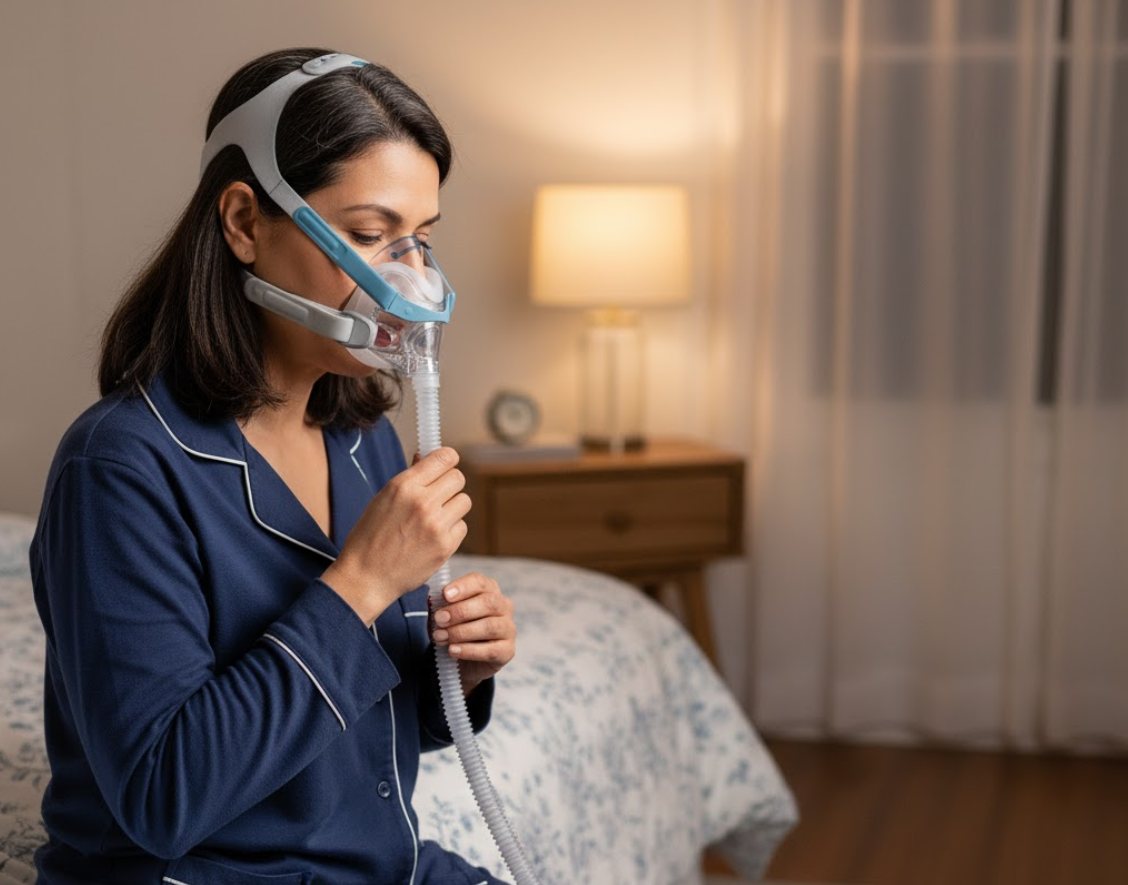
Mask choice also matters. Nasal pillows are light and minimal, nasal masks balance comfort and coverage, and full-face masks work best for mouth breathers. Our team provides in-person fittings to ensure proper sizing and comfort.
If you deal with allergies or dryness, integrated humidification helps. For frequent travelers, portable CPAP units with battery options offer flexibility.
Setup, Maintenance, and Safety Essentials
Successful therapy depends on proper setup and consistent maintenance. Our Respiratory Therapist will confirm your pressure settings, show you how to position your mask, and help you adjust comfort settings for smooth therapy.
Clean your mask cushion daily and wash tubing and the humidifier chamber weekly with mild soap and warm water. Replace filters regularly and swap worn cushions before leaks start. For step-by-step cleaning advice, see the Sleep Health Foundation’s guide to caring for your CPAP equipment.
If you experience leaks, dryness, or noise, we can help troubleshoot. Adjust mask straps, check tubing connections, or bring your machine in for inspection. We also provide equipment repair for DME such as wheelchairs and lifts to keep your home care consistent.
Conclusion

When you see a CPAP machine for sale, remember that buying locally means you get trusted support every step of the way. At MacPherson’s Medical Supply, we provide personal fittings, follow-up care, and dependable respiratory therapy services that help you sleep better and stay healthy.
You can explore our full range of services or learn more about our story to see why families across South Texas have trusted us for generations. To browse available equipment, visit our medical supply store.
Visit MacPherson’s Medical Supply at 2325 S 77 Sunshine Strip, Ste. B, Harlingen, Texas 78550. We are open Monday through Friday from 8:00 AM to 5:00 PM. For questions, email admin@macmedsupply.com or call 956-412-9100.
Frequently Asked Questions
What prescription is required to buy a CPAP machine for sale?
You need a valid prescription that lists your pressure setting, preferred mask type, and comfort features. Bring your prescription to us and we will help you select a compatible machine and mask to ensure the best results from your first night of therapy.
What is the difference between CPAP, APAP, and BiLevel machines?
CPAP delivers one steady pressure throughout the night and is ideal for most sleep apnea cases. APAP adjusts pressure automatically to match your breathing. BiLevel provides separate pressures for inhaling and exhaling, often used for higher pressure needs or complex conditions. Our licensed Respiratory Therapist can help you find the right match for your prescription and comfort level.
Should I buy a CPAP machine online or from a local supplier?
Online sellers offer selection and quick comparisons, but a local medical supply partner provides hands-on fittings, education, warranty support, and help with prescriptions and insurance. Buying from authorized dealers protects your warranty and avoids counterfeits. In-person trials and mask exchanges can dramatically improve comfort and long-term adherence.
How long do CPAP machines last and what is the warranty?
Most CPAP machines last between five and seven years when maintained properly. Warranties usually range from two to five years. Regular cleaning, filter changes, and proper storage will help extend the life of your equipment.
Does insurance or Medicare cover a CPAP machine?
Yes. Medicare Part B and most private insurers cover CPAP as durable medical equipment for diagnosed sleep apnea. Many plans start with a rental period before ownership. Compliance typically means using your machine for at least four hours per night on most nights within a 90-day period.