Introduction
Thinking about the benefits of using an oxygen concentrator at home? We’re here to help. For over 80 years, MacPherson’s Medical Supply has supported families across the Rio Grande Valley with friendly, local guidance and dependable DME. If your doctor has recommended home oxygen, a concentrator can make breathing easier, daily life safer, and your routine more comfortable—without juggling heavy tanks or constant refills.
Beyond convenience, the benefits include a steady, prescription-accurate flow, lower long-term costs, quiet, energy-efficient operation, and fewer service interruptions. Our team handles setup, training, and maintenance so you can breathe easier, travel confidently with portable options, and count on reliable support from a neighbor you trust.
What a Home Oxygen Concentrator Does
A home oxygen concentrator is a medical device that pulls in room air, removes nitrogen, and delivers concentrated oxygen, typically 90–95% pure, through a nasal cannula or mask. Unlike oxygen tanks, it doesn’t need refills. As long as it has power, it keeps supplying oxygen.
How It Works
Here’s the simple version: the device draws in air, compresses it, and pushes it through filters that separate oxygen from nitrogen. The purified oxygen collects in a small reservoir and flows to you at a steady rate (continuous flow) or in bursts that align with your inhalation (pulse dose). Both modes are safe and effective when set to your prescription.
Types: Stationary vs. Portable: Continuous vs. Pulse Flow
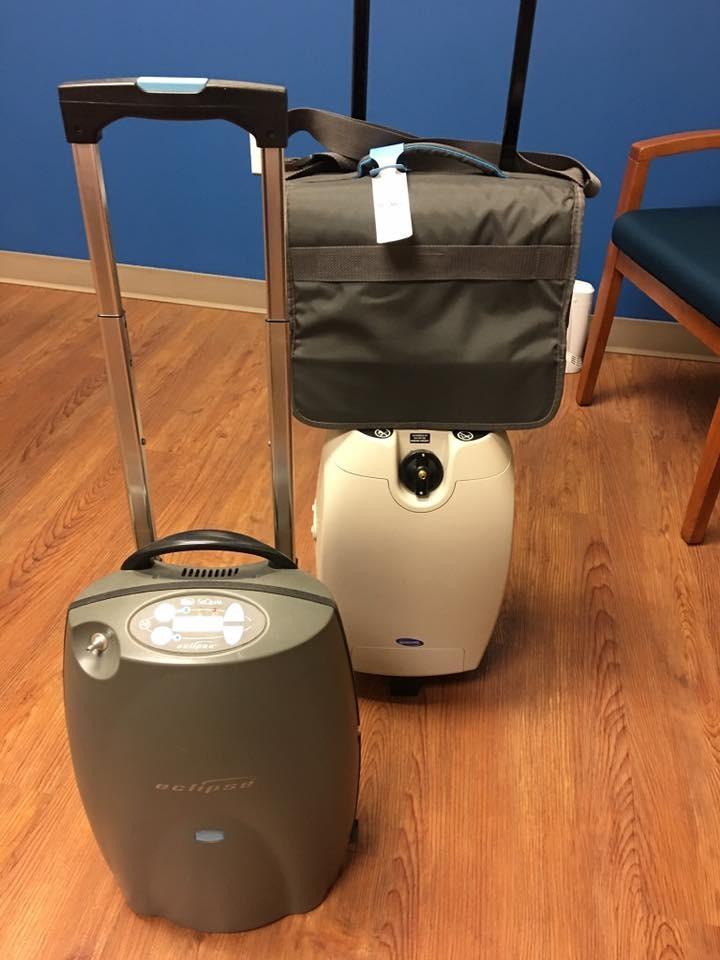
• Stationary home concentrators: Higher output, made for 24/7 use, typically 0.5 to 10–15 LPM. They plug into a wall outlet and are great by the bed or favorite chair at home.
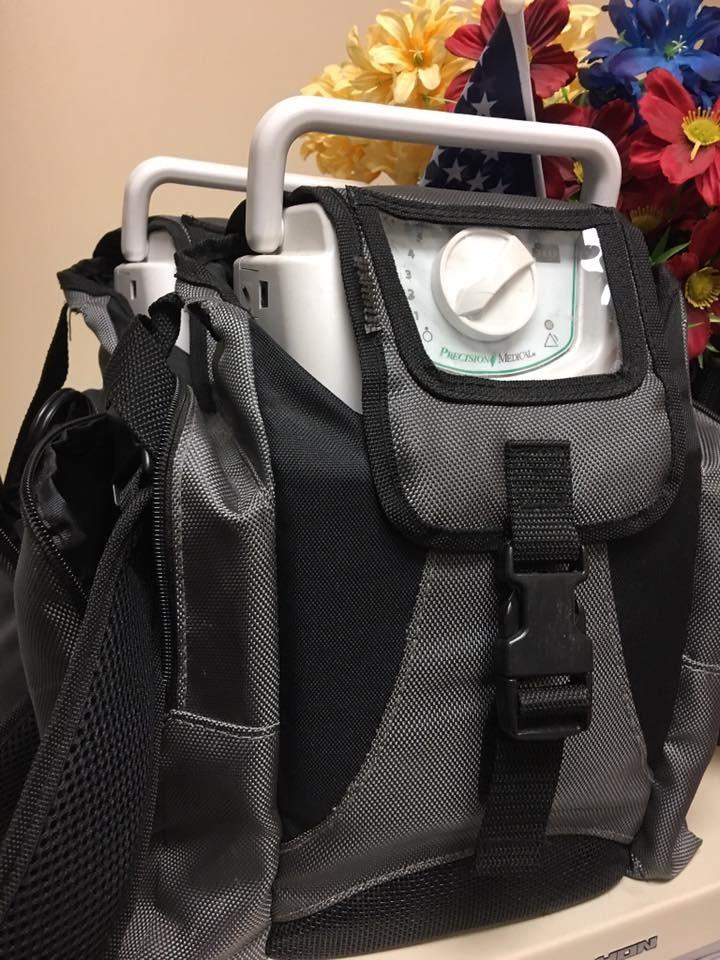
• Portable oxygen concentrators (POCs): Lightweight, battery-powered, and ideal for errands, appointments, and travel. Most support pulse-dose delivery: some also offer low continuous-flow settings.
• Flow modes: Continuous flow provides a steady stream. Pulse dose releases oxygen when you inhale, more efficient for batteries and often comfortable for daytime activity. Your respiratory therapist can help match the mode to your needs.
Key Health Benefits
Easier Breathing and Better Oxygenation
When your blood oxygen levels are supported, your body doesn’t have to work as hard to breathe. You feel less short of breath, and everyday tasks become more manageable. For many of us in South Texas managing COPD or other lung conditions, that relief is life-changing.
Improved Sleep, Energy, and Cognition
Quality oxygen at night can reduce awakenings, morning headaches, and daytime fatigue. With steadier oxygen, your brain and muscles get what they need, so you wake up clearer and have more energy to do what matters.
Support for Exercise and Recovery
Oxygen therapy can help you tolerate light exercise, pulmonary rehab, or simple activities like walking to the mailbox. With adequate oxygen, your body relies less on anaerobic pathways, helping reduce the heavy, “wiped out” feeling afterward.
Reduced Exacerbations and Hospital Visits
Staying in your prescribed oxygen range can help stabilize symptoms and reduce flare-ups. Over time, consistent home therapy supports better long-term management and may help you avoid urgent trips to the ER.
Lifestyle, Safety, and Cost Advantages
Unlimited Supply Without Refills
Unlike tanks, concentrators make oxygen from the air around you. No weekly deliveries. No last-minute calls for refills. That’s real peace of mind.
Greater Independence and Mobility at Home
With a home unit by your bed and a portable oxygen concentrator for errands, you’re free to move around your space, prep meals, water plants, or sit on the patio. We want you living your life, not planning around deliveries.
Safer Than Compressed Oxygen Tanks
Concentrators don’t store oxygen under pressure, which reduces explosion risks. Still, use oxygen safely: keep the device 5–10 feet away from open flames and heat sources, avoid smoking around oxygen, and use water-based (not petroleum) products near the cannula.
Lower Long-Term Costs and Fewer Deliveries
While the upfront cost can be higher than a tank setup, concentrators often save money over time with fewer deliveries and simple maintenance. Many units last 5+ years, and warranties are commonly 3 years or more. We’ll help you weigh purchase vs. rental based on your coverage and needs.
Who It’s For and When It’s Appropriate
Conditions That Commonly Benefit
Doctors prescribe home oxygen for COPD, chronic bronchitis, emphysema, pulmonary fibrosis, certain heart conditions, and other lung diseases. Some people also need oxygen after illness or surgery.
Signs and Testing That Indicate Need
You may notice shortness of breath, fatigue, blue-tinged lips or fingertips, headaches, or poor sleep. A provider confirms the need with tests such as pulse oximetry or arterial blood gas to determine if your oxygen saturation drops below target levels at rest, during sleep, or with activity.
Prescription and Insurance Basics
A prescription is required for oxygen services and equipment. Medicare and many insurers cover oxygen therapy when criteria are met. We can coordinate documentation with your physician and explain options for stationary concentrators, portable units, and accessories. To explore coverage or compare models, see our page on our full range of services.
Choosing and Using a Home Concentrator
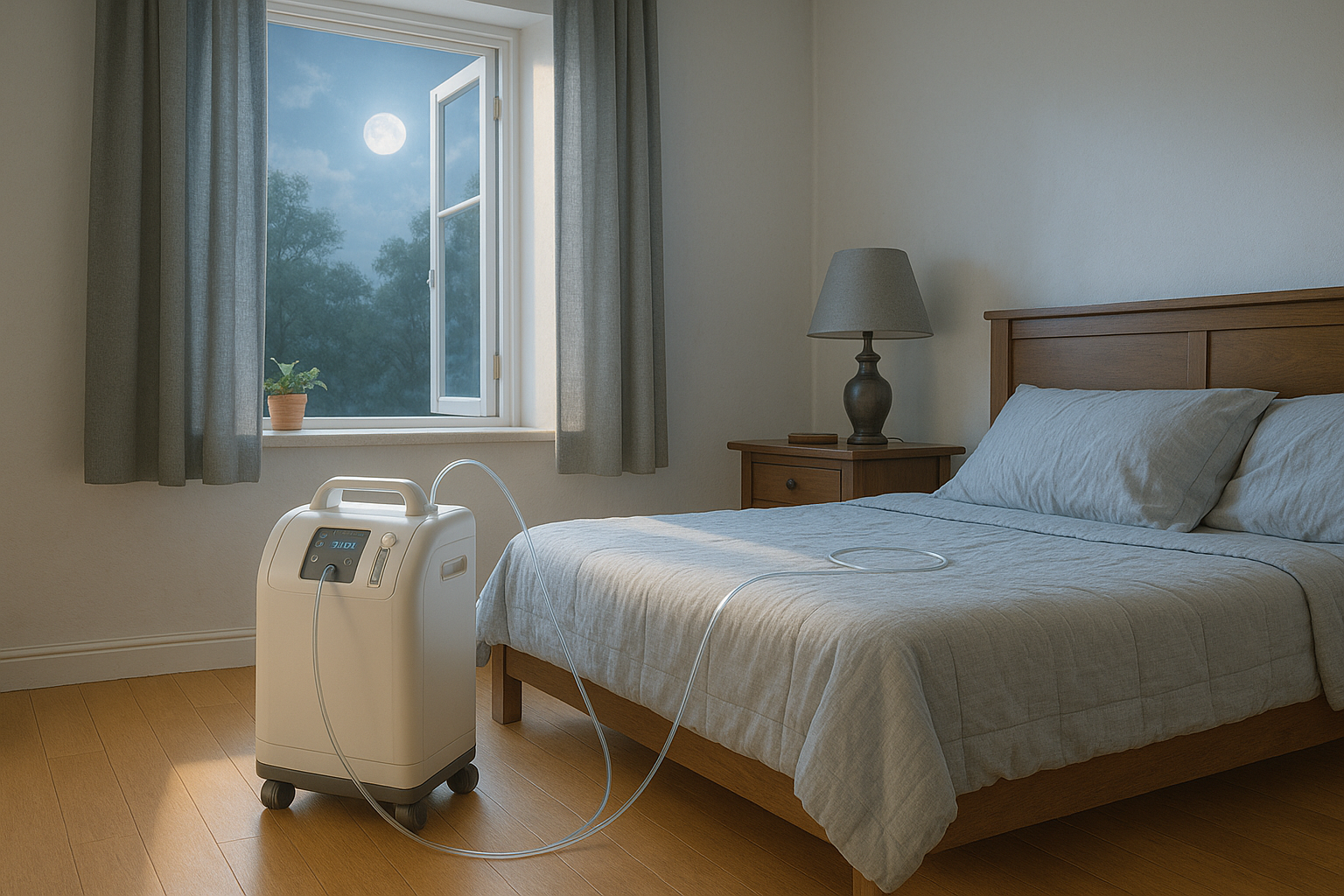
Sizing: Flow Rate, Purity, and Compatibility With Your Needs
Your prescription guides everything, flow rate (in LPM), oxygen purity (targeting ~90–95%), and delivery mode. We’ll match the concentrator to your daytime and nighttime needs and make sure it works with your cannula, tubing length, and any accessories such as humidifiers.
If you also use CPAP machines for sleep apnea, we can help coordinate your setup so both therapies work smoothly together.
Noise, Power Options, and Backup Planning
Modern concentrators are reasonably quiet, but noise levels vary. We’ll help you choose a unit that fits your home. Because concentrators need power, it’s smart to have a backup plan for outages, fully charged POC batteries or a small backup tank as directed by your provider.
In the Rio Grande Valley, storms can pop up. We recommend keeping cords tidy, an outlet surge protector, and a plan for charging batteries during prolonged outages.
Humidification, Filters, and Routine Maintenance
Dry nose? A humidifier bottle can help, especially at higher flow rates. Replace filters as directed, keep vents dust-free, and schedule routine service. Our team can show you how to clean the cannula, swap filters, and spot issues early. If something seems off, call us, our equipment repair technicians often troubleshoot quickly, sometimes even over the phone.
Placement, Fire Safety, and Travel Tips
Place your unit in a well-ventilated space, away from curtains and heat sources. Don’t run tubing under rugs. For travel, a portable oxygen concentrator is your best friend, airlines usually require advance approval, and we’ll help with paperwork. Around town, a POC gives you confidence to visit family, go to appointments, or enjoy a walk on a breezy Harlingen evening.
If you want to see options in person, you can always visit our local store to try fittings and browse medical supplies.
Conclusion
The benefits of using an oxygen concentrator at home add up fast: steadier oxygen levels, better sleep, more energy, fewer disruptions, and safer, refill-free support. As your local, family-owned medical supply partner, we’re here to set you up right, prescription guidance, equipment selection, and ongoing support from a licensed respiratory therapist.
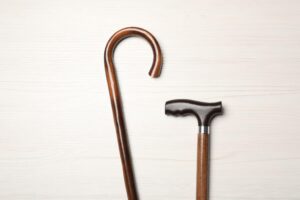
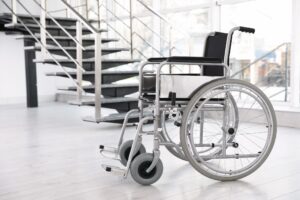
Because every situation is unique, we’ll tailor a simple plan that fits your home and routine, whether that includes a stationary concentrator by the bed, a portable unit for errands, or accessories like humidification, pulse oximeters, and CPAP supplies. If you’re comparing durable medical equipment, we also offer hospital beds, wheelchair options, canes, commodes, and even a handy basin for bedside care, reliable solutions for everyday life, right here in the Rio Grande Valley.
Ready to get started with oxygen services or another DME solution? Explore durable medical equipment and more, learn about our story at MacPherson’s Medical Supply, or come by to see what’s in stock at our medical supply store.
If you’re ready to find the right durable medical equipment or respiratory supplies, visit our local store, check out our full range of services, or learn more about our story. We’re proud to serve the Rio Grande Valley with trusted care.
Visit MacPherson’s Medical Supply at 2325 S 77 Sunshine Strip, Ste. B, Harlingen, Texas 78550. We’re open Monday through Friday from 8:00 AM to 5:00 PM. For questions, email us at admin@macmedsupply.com or call 956-412-9100.
Frequently Asked Questions
What are the benefits of using an oxygen concentrator at home?
The benefits of using an oxygen concentrator at home include easier breathing, steadier oxygen levels, better sleep and daytime energy, support for light exercise, and fewer symptom flare-ups. You also gain unlimited oxygen without refills, improved safety versus pressurized tanks, and potential long‑term cost savings with simple routine maintenance.
How does a home oxygen concentrator work and what oxygen purity does it deliver?
A home oxygen concentrator draws in room air, removes nitrogen through filters, and delivers concentrated oxygen—typically about 90–95%—via nasal cannula or mask. It supplies oxygen continuously when powered, using either continuous flow or pulse‑dose delivery, depending on your prescription and breathing pattern.
What’s the difference between stationary and portable oxygen concentrators, and continuous vs. pulse flow?
Stationary units plug into the wall, offer higher output (about 0.5 to 10–15 LPM), and suit 24/7 use. Portable oxygen concentrators are lighter, battery‑powered, and ideal for errands and travel. Continuous flow provides a steady stream; pulse dose delivers bursts on inhalation, improving battery efficiency for daytime activity.
Who qualifies for a home oxygen concentrator and is it covered by insurance?
Doctors may prescribe home oxygen for COPD, emphysema, pulmonary fibrosis, chronic bronchitis, certain heart conditions, or post‑illness recovery. Need is confirmed with pulse oximetry or arterial blood gas testing. A prescription is required, and Medicare plus many insurers cover therapy when criteria are met; your provider coordinates documentation.
How much electricity does a home oxygen concentrator use and what does it cost to run?
Most stationary concentrators draw roughly 250–600 watts. At an electricity rate near $0.15/kWh, a 350‑watt unit running 24/7 can cost about $35–$40 per month. Actual costs vary by model, settings, and local rates. Use proper maintenance and prescribed flow to optimize efficiency and performance.
How many hours per day should I use oxygen for COPD?
Follow your prescription. For eligible COPD patients on long‑term oxygen therapy, research shows improved outcomes when oxygen is used at least 15 hours per day, often including sleep and periods of activity; continuous use may be advised if hypoxemia persists. Your clinician will tailor duration and flow to your needs.