Bringing a loved one home from the hospital, or simply adapting to new mobility or respiratory needs, can feel overwhelming. Suddenly you’re navigating a world of hospital beds, oxygen concentrators, and bathroom grab bars, and you’re not quite sure where to start. That’s where understanding your home health equipment options makes all the difference.
At MacPherson’s Medical Supply, we’ve spent over 80 years helping families across the Rio Grande Valley find the right durable medical equipment for safe, comfortable living at home. Whether you’re recovering from surgery, managing a chronic condition, or caring for an aging parent, this guide walks you through everything you need to know, from the types of equipment available to insurance basics and choosing a provider you can trust.
What Is Home Health Equipment?
Home health equipment, also called durable medical equipment, or DME, refers to medical devices and supplies designed for use in a patient’s home rather than a clinical setting. These products help people manage health conditions, recover from injuries, and maintain independence in daily life.
The term covers a broad range of items. Think wheelchairs, hospital beds, CPAP machines, oxygen concentrators, walkers, and bathroom safety products. What ties them together is a shared purpose: making it possible for you or your loved one to receive quality care without leaving the house.
For something to qualify as DME under most insurance definitions, it generally needs to meet a few criteria. The equipment must be durable (built to last), used for a medical reason, appropriate for home use, and prescribed by a physician. That last point matters, many people don’t realize a doctor’s prescription is typically required before insurance will cover home health equipment.
Here in the Rio Grande Valley, we see firsthand how the right equipment transforms daily life. A well-fitted wheelchair restores mobility. A properly set-up CPAP machine means restful sleep. A simple grab bar in the shower prevents a fall that could lead to a hospital stay. These aren’t luxuries, they’re necessities that keep people safe and comfortable at home.
Common Types of Home Health Equipment
Not all home health equipment serves the same function, so it helps to break things down by category. Here’s an overview of what’s most commonly needed.
Mobility and Accessibility Aids
Mobility equipment is one of the most requested categories we see at our store in Harlingen. This includes:
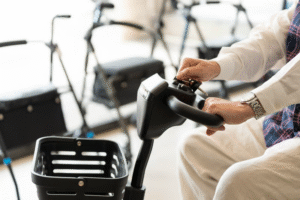
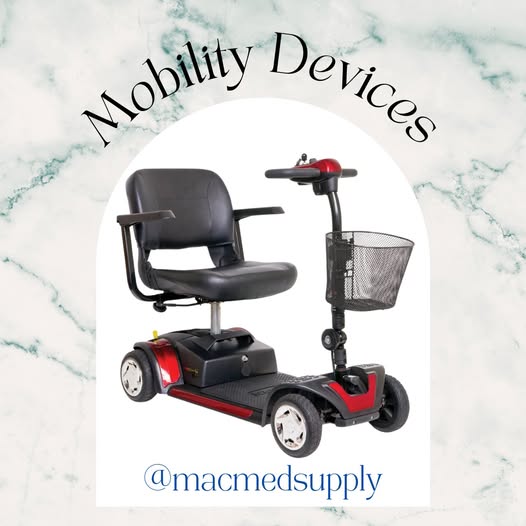
- Wheelchairs and power mobility devices – Manual wheelchairs, power wheelchairs, and scooters for individuals with limited mobility. Complex rehabilitation technology (CRT) is also available for people with conditions like cerebral palsy, spinal cord injuries, or ALS, featuring custom seating systems and individually configured power chairs.
- Walkers and rollators – Lightweight options that provide stability for walking.
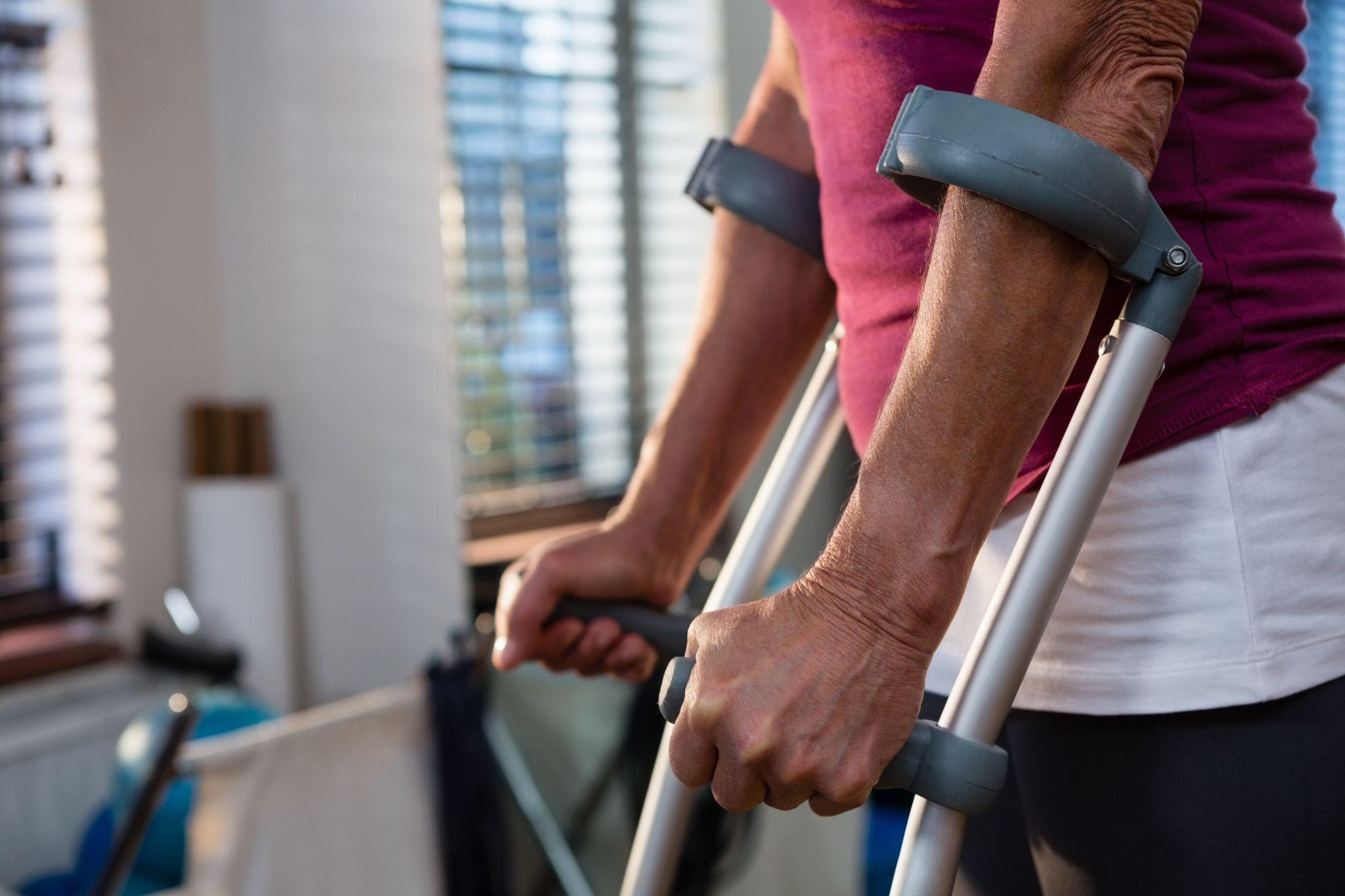
- Canes and crutches – Simple but effective aids for balance and support.
- Lift chairs – Powered recliners that help you stand up safely.
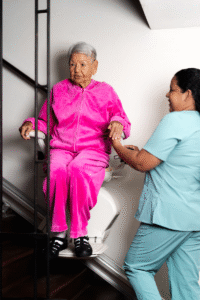
- Home and vehicle accessibility modifications – Ramps, stairlifts, doorway modifications, roll-in showers, and more to make your living space work for you.
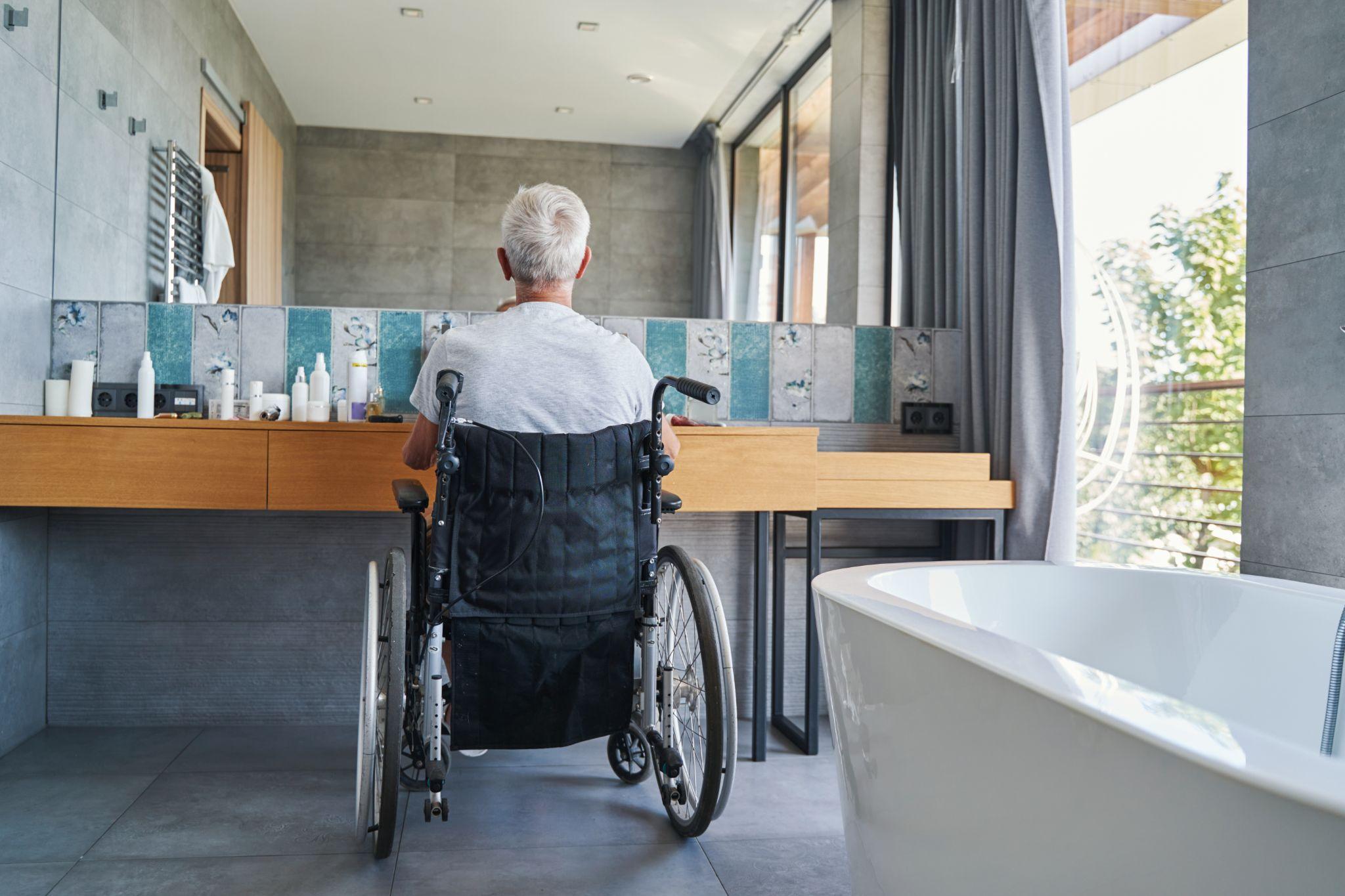
Accessibility goes beyond just getting around. It means adapting bathrooms, kitchens, and entryways so daily tasks don’t become daily struggles.
Respiratory and Monitoring Devices
Respiratory needs are another major area of home health equipment, and one where professional guidance really matters. Common devices include:
- Oxygen concentrators (stationary and portable)
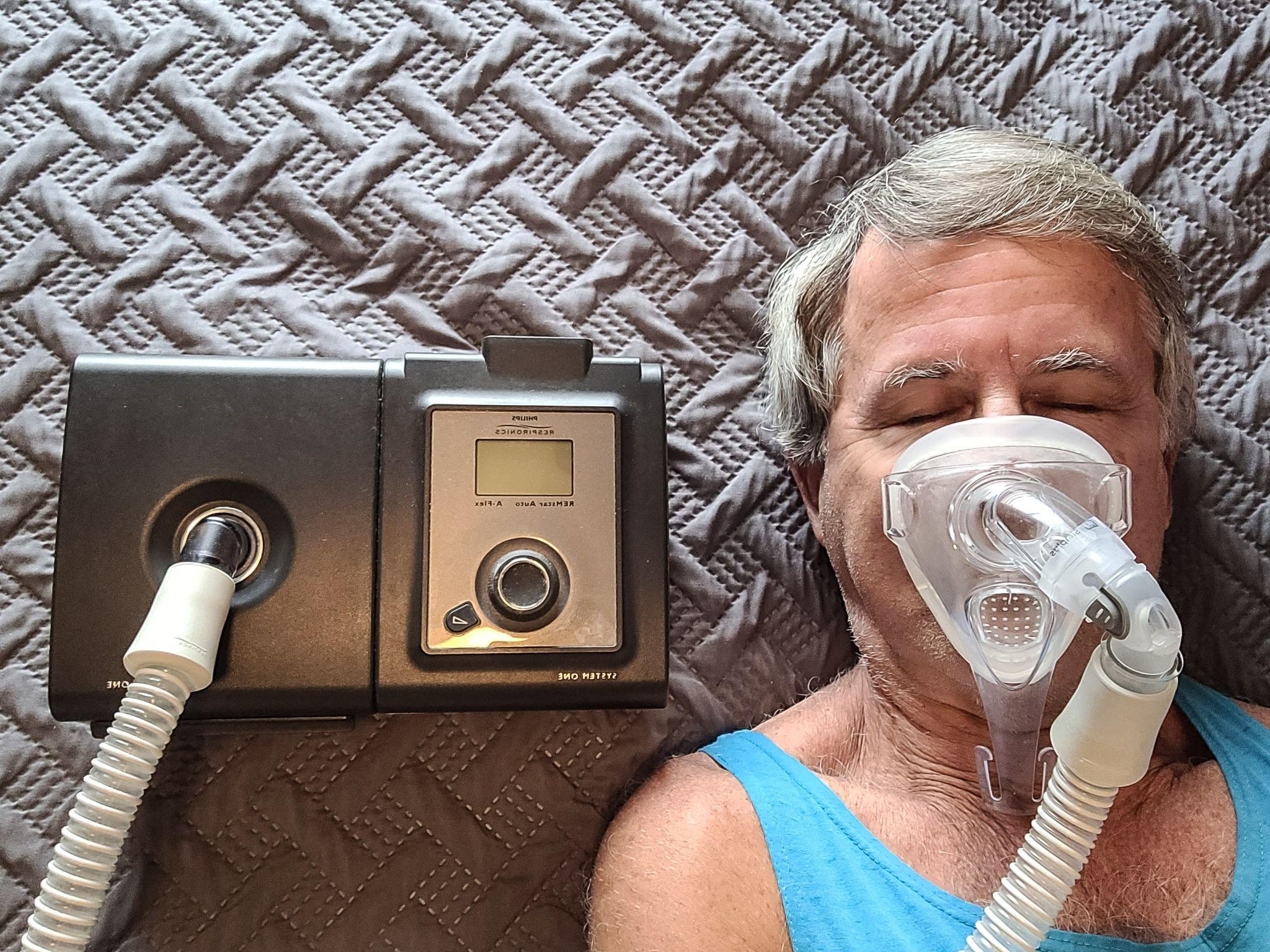
- CPAP machines and supplies for sleep apnea
- Nebulization supplies for breathing treatments
- Fingertip pulse oximeters for monitoring oxygen levels
Having a licensed respiratory therapist involved in the setup process makes a real difference. At MacPherson’s, our respiratory therapist on staff provides hands-on instruction with sleep therapy equipment and complex respiratory devices, so you’re not just handed a box and left to figure things out.
Daily Living and Recovery Supplies
Sometimes the most impactful equipment is the simplest. Daily living aids include:
- Hospital beds – Adjustable beds that support recovery and make caregiving easier.
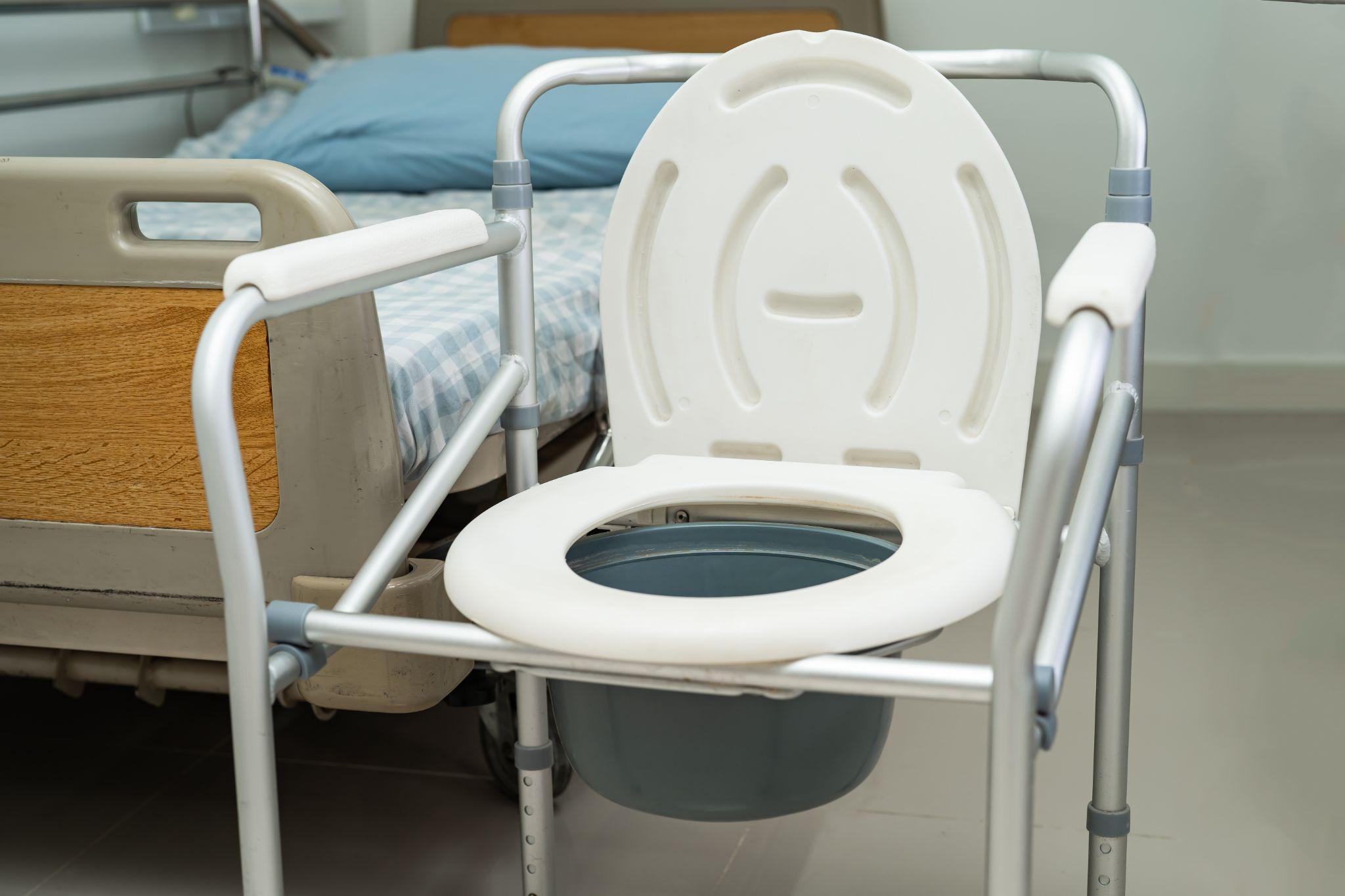
- Commodes and basins – Essential for patients with limited bathroom access.
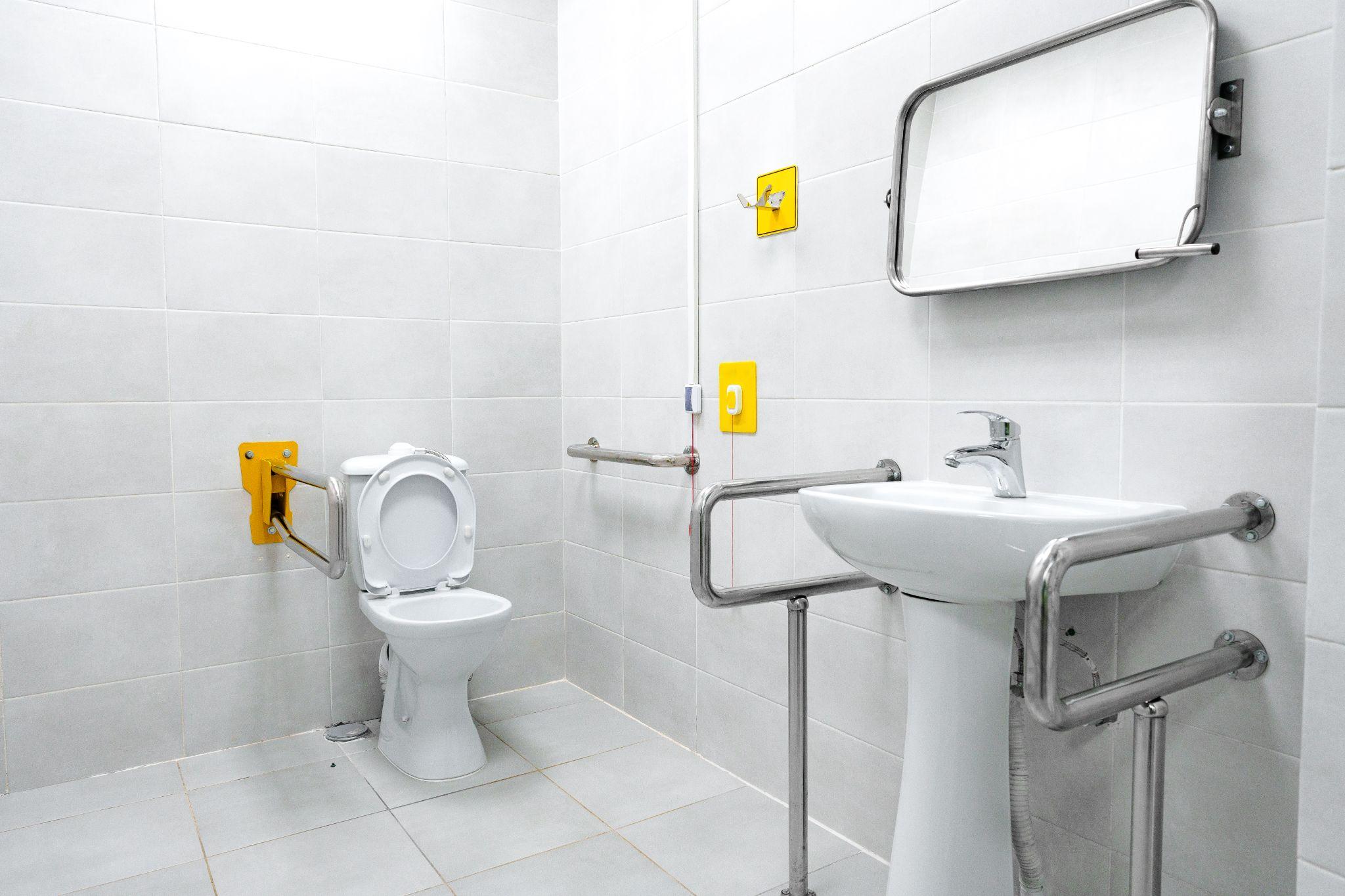
- Bathroom safety products – Grab bars, bath lifts, and shower seats.
- Diabetic shoes and custom insoles – Prescription footwear and orthotics designed to address alignment, relieve pressure, and prevent foot injuries.
- Compression hosiery and lymphedema pumps – For managing circulation and swelling.
- Personal care aids – Everything from mastectomy products to cranial helmets.
Custom orthotics deserve a special mention here. Many people don’t realize that foot problems can contribute to back, leg, and ankle pain. A custom insole, made from a mold or scan of your foot, can correct alignment issues like pronation or supination and help your whole body function better.
How to Choose the Right Equipment for Your Needs
Choosing the right home health equipment isn’t a one-size-fits-all decision. What works perfectly for one person may be completely wrong for another. Here’s how to approach it:
Start with a professional assessment. Talk to your physician, physical therapist, or respiratory therapist about what you actually need. A doctor’s prescription is often required for insurance purposes, and a clinical recommendation ensures you’re not guessing.
Consider your living environment. A standard wheelchair won’t help much if your hallways are too narrow or your bathroom isn’t accessible. Think about doorway widths, flooring, stairs, and outdoor terrain. Home modifications, like ramps or grab bars, might be part of the solution.
Try before you buy when possible. Sitting in a wheelchair for two minutes at a store is different from using it eight hours a day. Look for a provider that offers demonstrations, trials, and proper fittings. For complex rehab needs, an Assistive Technology Professional (ATP) can guide you through equipment matching based on your specific medical and functional requirements.
Think long-term. Will your condition change? Will you need different equipment in six months? Choose items that can adapt with you, adjustable beds, modular seating systems, or programmable power chairs, for example.
Don’t overlook comfort and quality of life. The “cheapest option” isn’t always the best value if it doesn’t actually improve your daily routine. Good equipment should make life safer, easier, and more comfortable.
Insurance Coverage and Funding Options
Let’s be honest, cost is one of the biggest concerns when it comes to home health equipment. The good news is that many items are partially or fully covered by insurance, but the process can be confusing.
Medicare covers DME when it’s prescribed by a doctor and supplied by a Medicare-enrolled provider. Covered items typically include wheelchairs, hospital beds, walkers, oxygen equipment, and CPAP machines. Medicare usually pays 80% of the approved amount after you’ve met your deductible, with the remaining 20% covered by supplemental insurance or paid out of pocket.
Medicaid coverage varies by state, but in Texas, many DME items are covered for qualifying individuals. This can be especially helpful for families in South Texas managing ongoing care needs.
Private insurance plans differ widely, so it’s worth calling your insurer before ordering equipment. Ask specifically about prior authorization requirements, in-network providers, and what documentation is needed.
A few practical tips:
- Always get a written prescription from your doctor.
- Work with a DME provider experienced in insurance billing, they can help navigate authorizations and reduce paperwork headaches.
- Keep copies of everything: prescriptions, invoices, and correspondence with your insurer.
- Ask about rental options if you only need equipment temporarily (common with hospital beds and oxygen concentrators after surgery).
If you’re unsure where to start, a knowledgeable local provider can walk you through your coverage options and help you understand what you’ll owe.
Tips for Setting Up and Maintaining Equipment at Home
Getting the equipment home is only half the job. Proper setup and maintenance are what keep it working safely over time.
During setup:
- Make sure the equipment fits the space. Measure doorways, hallways, and the area where it’ll be used daily.
- Follow manufacturer instructions carefully, or better yet, have the provider handle initial setup and walk you through operation.
- For respiratory devices like CPAP machines and oxygen concentrators, get hands-on instruction from a respiratory therapist. Incorrect use can reduce effectiveness or cause discomfort.
For ongoing maintenance:
- Clean and inspect equipment regularly. Wheelchair tires, bed mechanisms, and CPAP filters all need routine attention.
- Replace consumable parts on schedule, CPAP masks, tubing, nebulizer kits, and oxygen cannulas have recommended replacement intervals.
- Don’t ignore small problems. A squeaky wheelchair wheel or a bed that won’t adjust properly could signal a bigger issue. Many providers, including MacPherson’s, offer equipment repair services for power wheelchairs, manual wheelchairs, scooters, and more.
- Store backup supplies so you’re never caught without essentials like batteries, filters, or replacement parts.
We always tell our customers: your equipment is only as good as how well you maintain it. A little preventive care goes a long way toward avoiding breakdowns and keeping you safe.
When to Work With a Local Home Health Equipment Provider
You can order a lot of things online these days, but home health equipment is one area where local, hands-on service genuinely matters. Here’s why.
Personalized fitting and assessment. A walker ordered online might arrive in the wrong height. A wheelchair purchased without professional input might not support your posture correctly. Working with a local provider means someone can assess your needs in person, fit equipment properly, and make adjustments on the spot.
Expert guidance on complex needs. Respiratory therapy, complex rehabilitation, and custom orthotics all require specialized knowledge. At MacPherson’s Medical Supply, we have a licensed respiratory therapist and an Assistive Technology Professional on staff, not a call center halfway across the country.
Ongoing support and repairs. Equipment breaks down. Parts wear out. When that happens, you want a provider who can diagnose the problem quickly, sometimes even over the phone, and get you back up and running. Our technicians handle repairs on power wheelchairs, manual wheelchairs, scooters, patient lifts, and more.
Insurance navigation. Local DME providers who work with Medicare, Medicaid, and private insurers every day understand the paperwork, prior authorizations, and billing codes that can trip people up.
As a family-owned medical supply company that’s been serving the Rio Grande Valley for over 80 years, we understand that choosing home health equipment is personal. It’s about your safety, your independence, and your quality of life. That’s why we take the time to get it right, right here in Harlingen.
If you’re ready to find the right durable medical equipment or respiratory supplies, visit our local store, check out our full range of services, or learn more about our story. We’re proud to serve the Rio Grande Valley with trusted care.
Conclusion
Finding the right home health equipment doesn’t have to be stressful. When you understand what’s available, how to choose wisely, and where to turn for support, the process becomes a whole lot more manageable. The key is working with people who know the equipment, understand your needs, and are there for you long after the initial purchase.
Whether you need a hospital bed for recovery, a CPAP machine for better sleep, a custom wheelchair for long-term mobility, or accessibility modifications to make your home safer, having a knowledgeable partner makes all the difference.
Call today to find the right equipment for you, or stop by to see our full selection in person. We’re here for all your medical supply needs.
Visit MacPherson’s Medical Supply at 2325 S 77 Sunshine Strip, Ste. B, Harlingen, Texas 78550. We’re open Monday through Friday from 8:00 AM to 5:00 PM. For questions, email us at admin@macmedsupply.com or call 956-412-9100.
What Is Considered Home Health Equipment?
Home health equipment includes medical devices designed for home use, such as wheelchairs, hospital beds, oxygen concentrators, CPAP machines, walkers, and select bathroom safety products. Also known as durable medical equipment (DME), these items must be durable enough for repeated use, have an expected lifespan of at least three years, serve a medical purpose, and be generally useless to a person without illness or injury. They help patients manage health conditions, recover from injuries, and maintain independence. A doctor’s prescription is typically required for insurance coverage.
Does Medicare Cover Home Health Equipment?
Yes, Medicare covers home health equipment when prescribed by a Medicare-enrolled healthcare provider and supplied by a Medicare-enrolled provider who accepts assignment. Commonly covered items include wheelchairs, hospital beds, walkers, oxygen equipment, and CPAP machines. Medicare typically pays 80% of the approved amount after you’ve met your Part B deductible ($283 in 2026), with the remaining 20% covered by supplemental insurance or out-of-pocket payment. Note that some items, such as raised toilet seats and shower chairs, are not covered by Medicare even if recommended by a doctor.
How Do I Know Which Home Health Equipment I Need?
Start by consulting your physician, physical therapist, or respiratory therapist for a professional assessment. They can recommend specific equipment based on your condition and daily needs. Consider your home layout, long-term health outlook, and comfort. Working with a local DME provider ensures proper fitting, personalized guidance, and equipment that truly matches your situation.
Can I Rent Home Health Equipment Instead of Buying It?
Yes, many home health equipment providers offer rental options, which is common for items like hospital beds and oxygen concentrators needed temporarily after surgery or during short-term recovery. Renting can be more cost-effective when equipment isn’t needed long-term. For oxygen equipment specifically, Medicare covers rentals for up to 36 months of continuous rental payments, after which the supplier must continue providing equipment and supplies for an additional 24 months, as long as medical need continues. Ask your provider and insurance company about rental coverage, as Medicare and many private plans support rental arrangements.
How Often Should Home Health Equipment Be Maintained?
We recommend inspecting and cleaning your home health equipment regularly — at least monthly for mechanical items like wheelchairs and hospital beds. CPAP supplies have specific replacement schedules that should be followed closely: disposable filters should be replaced every two to four weeks, mask cushions and nasal pillows every one to three months, and tubing and mask frames every three to six months. Oxygen cannulas typically require replacement every one to two weeks with regular use. Don’t ignore minor issues, as small problems can lead to safety concerns. Many local providers offer professional repair services.
Do I Need a Prescription for Home Health Equipment?
Most insurance providers, including Medicare and Medicaid, require a doctor’s prescription before covering home health equipment. Even if you’re paying out of pocket, a prescription ensures you’re getting equipment suited to your medical needs. Items like wheelchairs, CPAP machines, oxygen concentrators, and hospital beds almost always require a written order from your physician. For certain items such as power mobility equipment, Medicare may also require prior authorization before the supplier can deliver the equipment.
What Is Complex Rehabilitation Technology?
Complex rehabilitation technology (CRT) refers to individually configured wheelchairs and seating systems designed for people with significant medical conditions like cerebral palsy, spinal cord injuries, or ALS. Unlike standard wheelchairs, CRT devices are customized by an Assistive Technology Professional to match each patient’s unique postural, functional, and mobility needs for long-term daily use.
Why Should I Choose a Local Home Health Equipment Provider?
A local provider offers personalized fittings, hands-on equipment demonstrations, and in-person assessments that online retailers can’t match. You also get guidance from trained equipment specialists, faster repairs when equipment breaks down, and experienced help navigating insurance paperwork. Local providers understand your community’s needs and are available for ongoing support long after your purchase.