Buying the right equipment for home care can feel strangely high-stakes, because it is. The right buying guide for medical supplies doesn’t just save money: it can prevent falls, improve breathing, reduce skin irritation, and make daily routines less exhausting for you and your family.
MacPherson’s Medical Supply has helped Rio Grande Valley neighbors for decades, from a quick cane adjustment to setting up CPAP machines and oxygen services with a licensed respiratory therapist on staff. In this guide, we’ll walk through how to choose medical supply items and DME with fewer surprises and more peace of mind.
Mapping Your Needs, Goals, and Daily Routines
Start by getting clear on what you need the product to do in your real day, not what it looks like in a photo. A caregiver’s biggest win is usually consistency: fewer workarounds, fewer near-falls, fewer nights of poor sleep.
Ask one simple question: What problem are we trying to solve today?
- Mobility: Are you preventing falls, reducing pain, or increasing independence?
- Respiratory: Are you managing oxygen saturation, sleep apnea, COPD, or post-illness recovery?
- Foot pain/support: Is the goal to reduce plantar fasciitis pain, improve alignment, or offload pressure points?
Match the item to frequency of use. If you’ll use it multiple times daily (walker, commode, CPAP), comfort and durability matter more than “good enough.” For short-term recovery, rentals or simpler options may make more sense.
Measuring Fit, Weight Capacity, and Home Space
Measurements prevent returns and frustration. Check fit to the person (seat width, handle height, mask size), weight capacity (include items carried), and fit to the home (doorways, hallways, turning space).
In South Texas homes, we often see tight bathroom layouts or narrow bedroom paths. Take phone photos and measurements before you buy. Learn more about our hands-on approach at MacPherson’s and why local support matters.
Understanding Medical Supply Categories
Medical supply shopping gets easier when you group items, because each category has different replacement timing, sizing, insurance rules, and safety concerns.
Consumables are replaced often: gloves, gauze, wound dressings, incontinence products, and CPAP supplies like filters, cushions, and tubing.
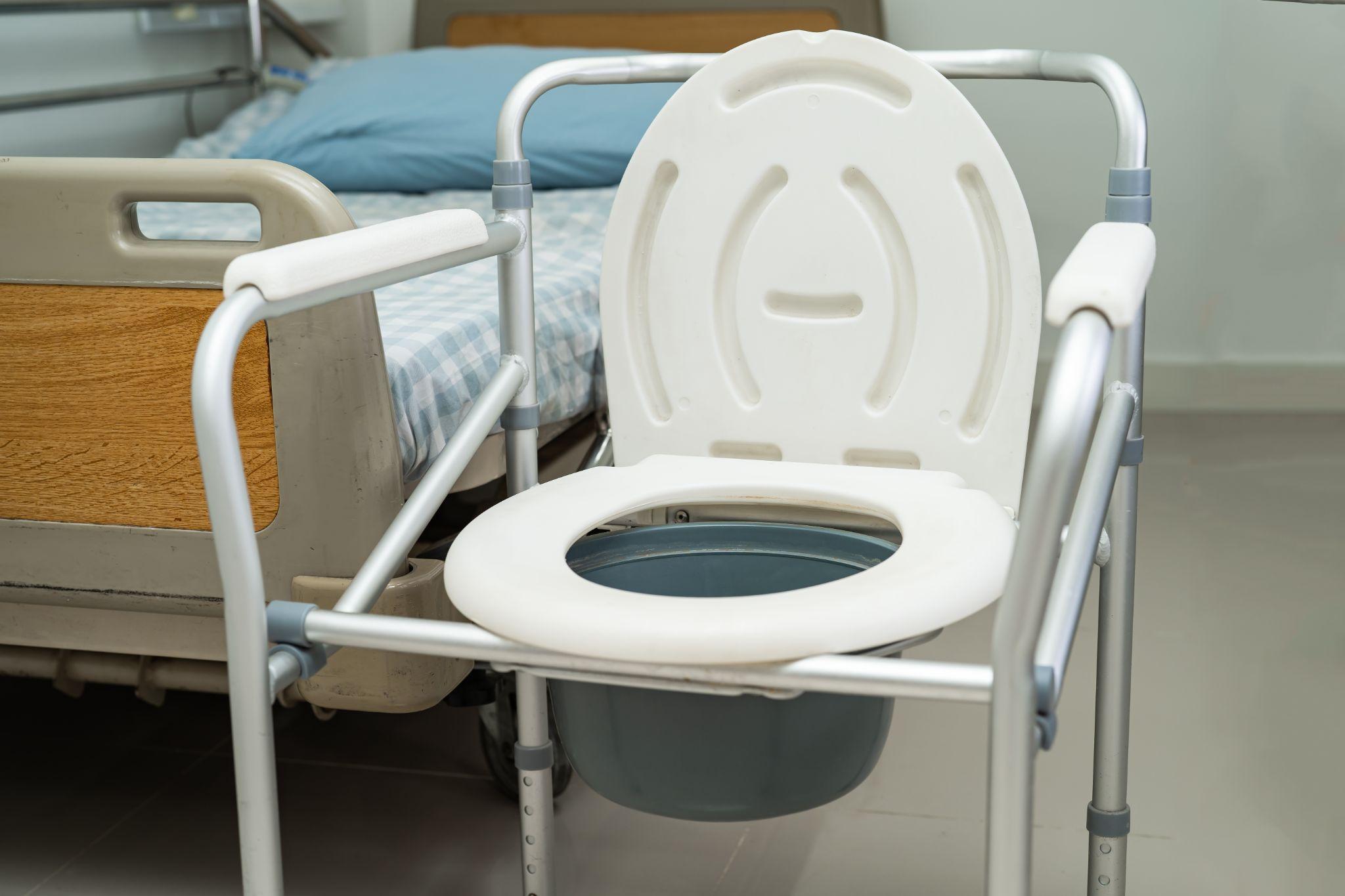
Reusable DME is built to last: wheelchairs, hospital beds, walkers, lift chairs, commodes, and oxygen concentrators.
A good rule: if it touches skin, seals to your face, or absorbs moisture, you’ll replace it more often than expected.
Home Safety and Mobility Equipment
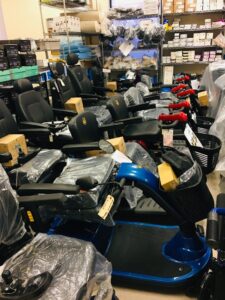
Most families start here because safety issues show up fast. Common items include walkers/rollators, canes, wheelchairs (manual and power), hospital beds, bed assist rails, and bathroom safety products like grab bars, shower chairs, and commodes.
We match devices to the person’s strength and balance—not just what insurance allows. The wrong walker height or wheelchair seat width can increase fall risk. For more tips, check out helpful articles on our blog.
Evaluating Quality, Safety, and Compatibility
Quality isn’t about the fanciest option—it’s about safety, comfort, and whether it works with your setup.
For anything worn or used daily, check fit, materials, and pressure points. Look for skin-safe design (soft edges, breathable materials), adjustability for long-term comfort, and proper pressure distribution for seating cushions and insoles.
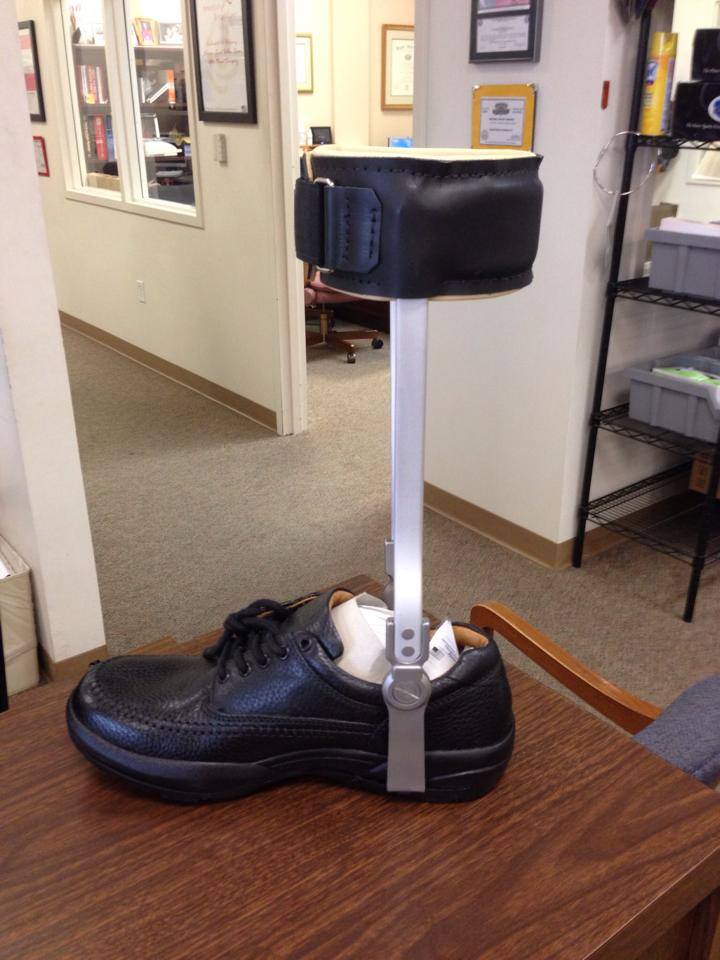
Custom orthotics and bracing are great examples of quality meeting real-life function. Prescription custom foot orthotics made from a mold or scan improve alignment and motion, offering better balance, shock absorption, and pressure distribution. When your feet are supported, your knees, hips, and back often feel the difference.
Compatibility Concerns
Compatibility is where many online purchases go sideways. CPAP masks, tubing, and filters aren’t always universal. Oxygen connectors, cannulas, and humidification bottles must match prescribed flow and device. Mobility cushions, footrests, and ramps must fit the chair and home layout.
Write down model numbers or snap a photo of labels before ordering parts.
Cost, Coverage, and Paperwork Basics
Cost decisions get easier when you know what’s covered and what paperwork you’ll need.
Coverage depends on diagnosis, provider documentation, and medical necessity. Ask what’s covered under DME benefits, keep copies of prescriptions and clinic notes, and if using an HSA/FSA, save itemized receipts.
Rental Vs. Purchase Decisions
Renting makes sense for expected recovery, testing a category first, or expensive equipment that may not be used long-term.
Buying makes sense for daily-use items (walker, commode, CPAP supplies), when comfort matters long-term, or when you want consistent availability without rental renewals.
Gather documentation upfront: doctor’s prescription, diagnosis notes, insurance information, measurements, and current device brand/model for replacement parts.
Choosing Where to Buy
Where you buy matters because support, returns, and product authenticity can be as important as price.
Online works for simple reorders, but for first-time purchases, sizing, or safety-related items, local support offers significant advantages: setup and fitting, caregiver education, faster problem-solving, and coordinated oxygen services.
Here in the Rio Grande Valley, local support means you’re not waiting days to fix urgent issues. Visit our store near Valle Vista Mall in Harlingen to see what’s in stock.
Before clicking “buy” online, confirm return windows, restocking fees, and warranty processes. Items contacting the body may be non-returnable once opened.
Avoiding Counterfeit Listings
Watch for misspelled brand names, “universal fit” claims ignoring model numbers, missing manufacturer contact info, and prices dramatically lower than normal. For CPAP supplies or oxygen accessories, authenticity and correct fit should win over too-good-to-be-true deals.
Practical Buying Checklists
Mobility Equipment Checklist
Before buying walkers, wheelchairs, canes, or transfer aids:
- Confirm the goal: balance support, distance walking, or full-time mobility
- Measure doorway widths and turning space
- Check weight capacity and seat width
- Ensure handle height adjusts to wrist crease when standing
- Consider add-ons: brakes, baskets, leg rests, anti-tippers
Respiratory and Sleep Equipment Checklist
Before buying oxygen accessories, CPAP supplies, or nebulizers:
- Identify exact device model
- Confirm mask type and size
- Ask about replacement timing for filters, cushions, and tubing
- Confirm prescribed flow rate and portability needs
We offer respiratory therapy and supplies, including oxygen concentrators, portable units, nebulization supplies, CPAP supplies, and pulse oximeters—with a licensed respiratory therapist available for guidance.
Maintaining Equipment and Knowing When to Replace
Good maintenance keeps equipment safer and saves money.
Clean high-touch areas routinely, follow manufacturer instructions for CPAP and respiratory equipment, and store supplies in dry spaces. Set calendar reminders for routine replacements and keep a small buffer of essentials.
When something feels wrong—new pain, skin irritation, CPAP leaks, wobbly wheels—don’t power through it. Often the fix is a small adjustment or replacing one worn part. We provide equipment repair support for many mobility products.
Conclusion
The best buying decisions happen when you match the product to your body, your home, and your routine—with support after purchase. If you’re caring for someone or managing your own recovery, you shouldn’t have to guess your way through DME, CPAP supplies, or mobility equipment.
Ready to find the right durable medical equipment or respiratory supplies? See all our medical supply services or contact our team to speak with a respiratory therapist. We’re proud to be family-owned and trusted for over 80 years, serving the Rio Grande Valley right here in Harlingen.
Visit MacPherson’s Medical Supply at 2325 S 77 Sunshine Strip, Ste. B, Harlingen, Texas 78550. Open Monday–Friday, 8:00 AM–5:00 PM. Email admin@macmedsupply.com or call 956-412-9100.
What Should I Prioritize First in a Buying Guide for Medical Supplies?
Start with your real daily routine and the problem you’re solving—fall prevention, breathing support, wound protection, or comfort. This “needs and frequency” step helps you avoid workarounds, choose the right category, and reduce returns.
How Do I Measure Fit and Home Space Before Buying DME?
Measure fit to the person (walker handle height, wheelchair seat width, CPAP mask size) and fit to the home (doorway widths, hallway clearance, bathroom turning space). Confirm weight capacity. Taking photos and measurements before shopping prevents costly mistakes.
What’s the Difference Between Consumable Supplies and Reusable DME?
Consumable supplies are replaced often—gloves, gauze, incontinence products, CPAP filters/cushions/tubing. Reusable DME is built to last: wheelchairs, walkers, hospital beds, oxygen concentrators. Items touching skin, sealing, or absorbing moisture usually need replacing sooner.
When Does Renting Vs. Buying Make Sense?
Renting works best for short-term recovery, expensive equipment you may not need long, or testing options first. Buying makes more sense for daily-use items like walkers, commodes, and CPAP supplies where comfort and availability matter over time.
How Can I Avoid Counterfeit Medical Supply Listings Online?
Check for accurate brand/model info, manufacturer contact details, warranty documentation, and realistic pricing. Be cautious with “universal fit” claims—CPAP masks and oxygen connectors often aren’t interchangeable. Buy from reputable sellers or local stores when uncertain.
Are Custom Orthotics Worth It for Foot Pain?
Custom orthotics are prescription devices made from molds or scans of your feet to improve alignment and control motion. They help with plantar fasciitis, arch issues, and pressure points while potentially reducing knee, hip, and back strain through better foot support.