Choosing home medical equipment in the Rio Grande Valley can feel urgent, because it usually is. You’re trying to keep someone safe at home, reduce falls, manage breathing issues, or make everyday routines possible again. We see this every day at MacPherson’s Medical Supply, and the biggest mistake we see is people buying the “most popular” item instead of the right-fit item.
In this guide, we’ll walk through how to choose home medical equipment in the RGV with practical steps you can use right away, whether you need a wheelchair, bed, canes, commodes, a basin, or respiratory support like oxygen services and CPAP machines.
What Should You Consider Before Selecting Home Medical Equipment
Start with the care plan you already have—your discharge paperwork, physician notes, or therapy goals—then choose DME that supports those specific needs.
When we help families in Harlingen and across the Rio Grande Valley, we begin with plain questions: What’s hard today? What needs to be safer by next week? What does the doctor or therapist want the patient doing more of? Those answers narrow the choices fast.
Match the equipment to what the person actually does from morning to night. A cane might be perfect for mild balance issues, but it won’t help if the real problem is getting up from a low couch safely. A bedside commode can be a big safety win if nighttime bathroom trips are risky. And if shortness of breath is part of the picture, respiratory equipment may be the top priority before mobility gear.
Here’s how we typically map needs to equipment categories:
- Getting around inside the home: cane, walker/rollator, wheelchair (manual or power)
- Getting in/out of bed or chairs: transfer aids, lift aids, grab bars
- Bathroom safety: commodes, raised toilet seats, bath safety aids
- Breathing support: oxygen services, nebulizers, pulse oximeters
- Sleep therapy: CPAP machines and supplies
Measure first. It saves returns, frustration, and sometimes injuries. Confirm patient height and weight, equipment weight capacity, seat width for wheelchairs, bed height, doorway widths, and bathroom clearance.
Older RGV homes can have tight turns, and many family homes here involve caregiving in a converted den or back bedroom—space planning becomes part of safety planning.
Finding the Right Equipment Category for Your Home
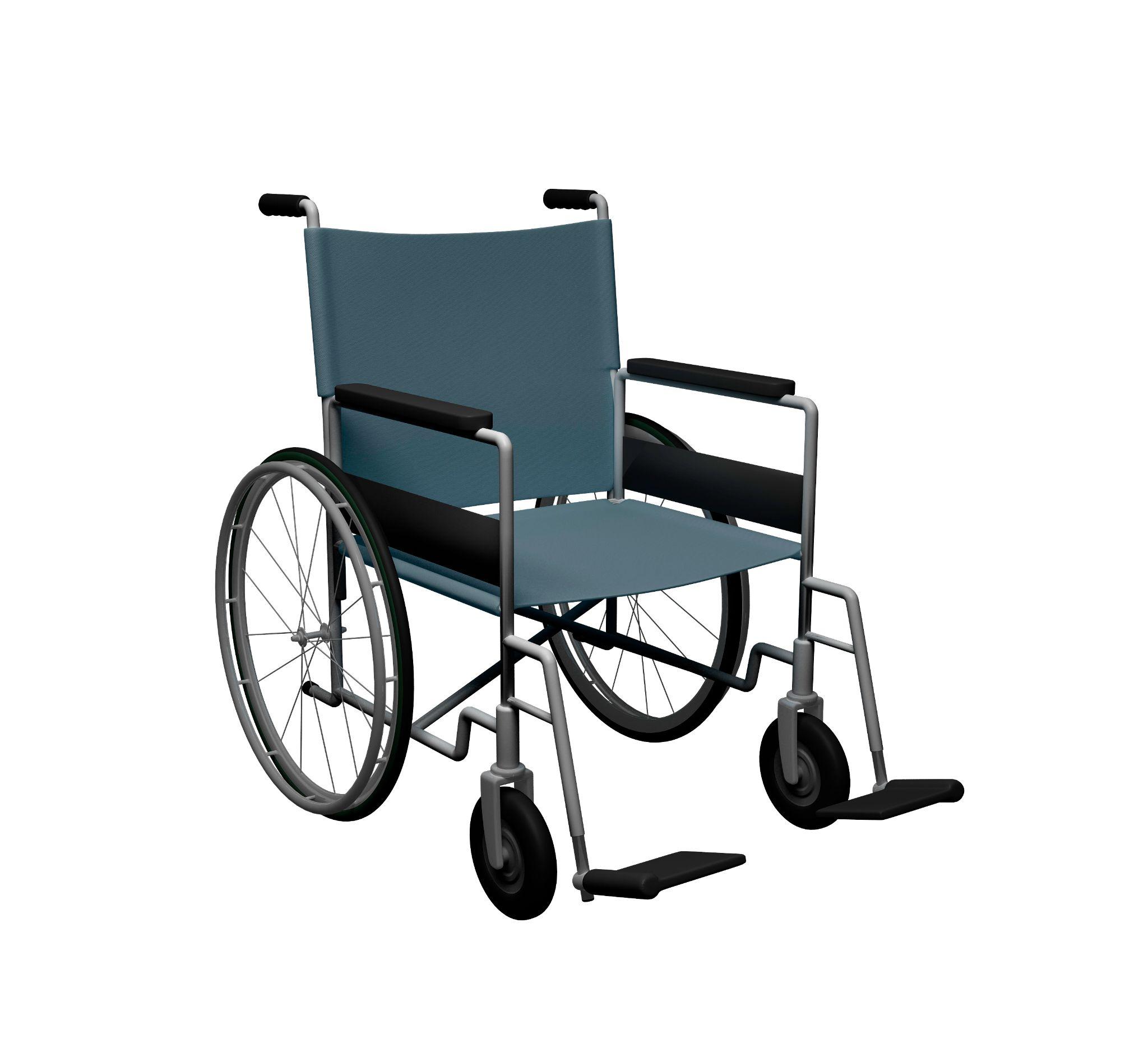
Pick the category that reduces the biggest daily risk first—usually falls, unsafe transfers, or unmanaged breathing and sleep.
Mobility and Transfer Equipment
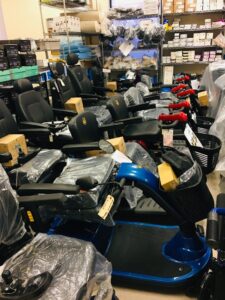
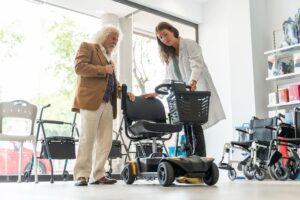
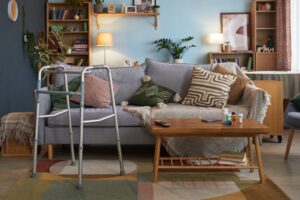
Mobility equipment should make movement safer without making the user feel trapped. Canes help when balance is the main issue. Walkers and rollators help when endurance is limited, though rollators aren’t right for everyone—some people move too fast with them. Wheelchairs are about both mobility and energy conservation.
Transfers are where many home injuries happen. If standing from bed or a chair is the problem, we’ll talk about lift chairs, patient lifts, and grab bars. For patients needing custom orthotics and bracing, proper fitting alongside mobility equipment creates a complete support system.
Respiratory and Sleep Equipment
If breathing is part of the diagnosis, don’t treat respiratory equipment like an “add-on.” It can be the difference between stability at home and repeated ER visits.
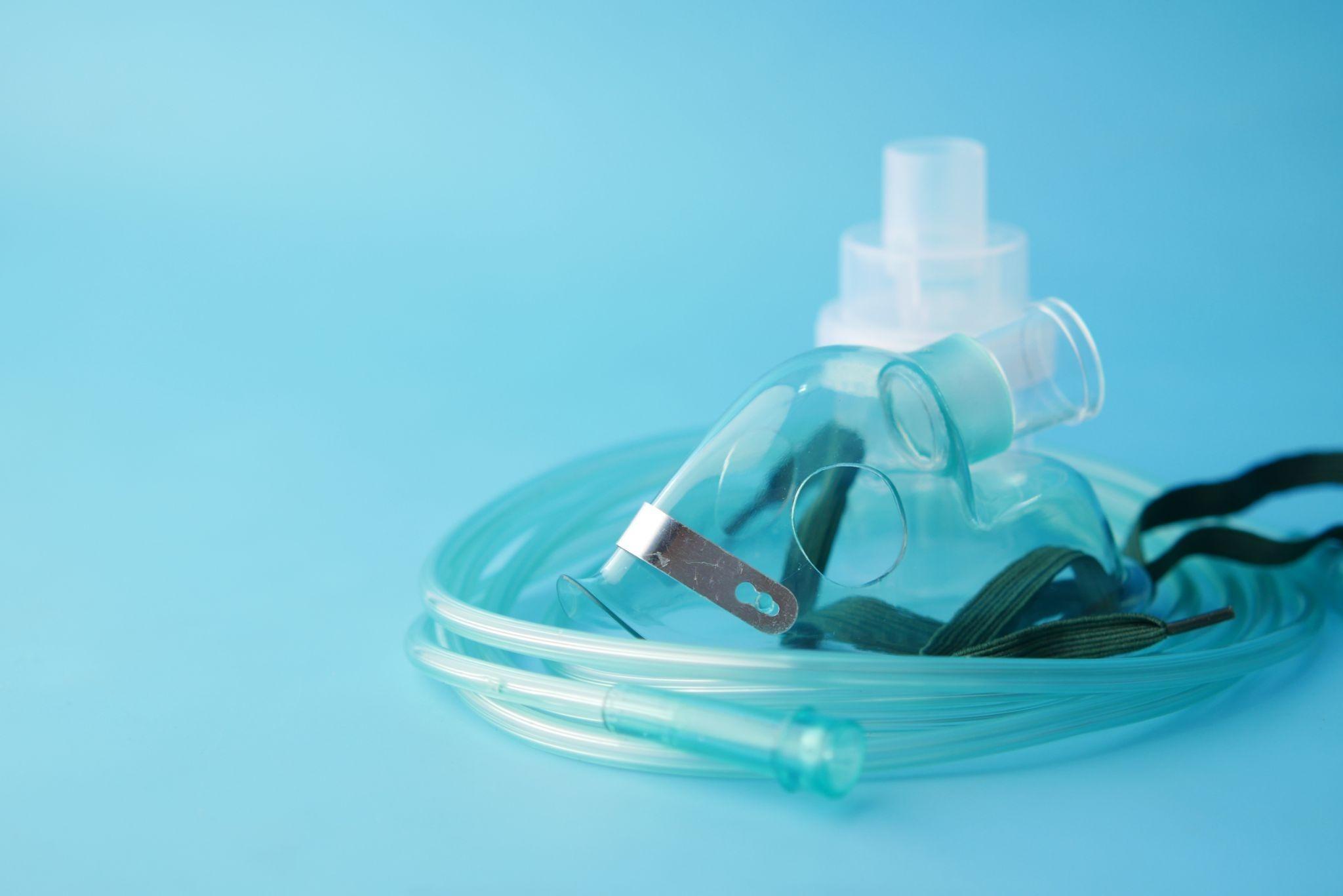
We provide respiratory care support with a licensed respiratory therapist on staff, which matters because setup and education are not one-size-fits-all. Common home respiratory needs include oxygen services, nebulizers, CPAP machines and supplies for sleep apnea, and pulse oximeters.
If you’re using oxygen at home, ask about safe placement, tubing length, backup planning, and how to prevent trip hazards.
Hospital Beds and Pressure-Injury Prevention
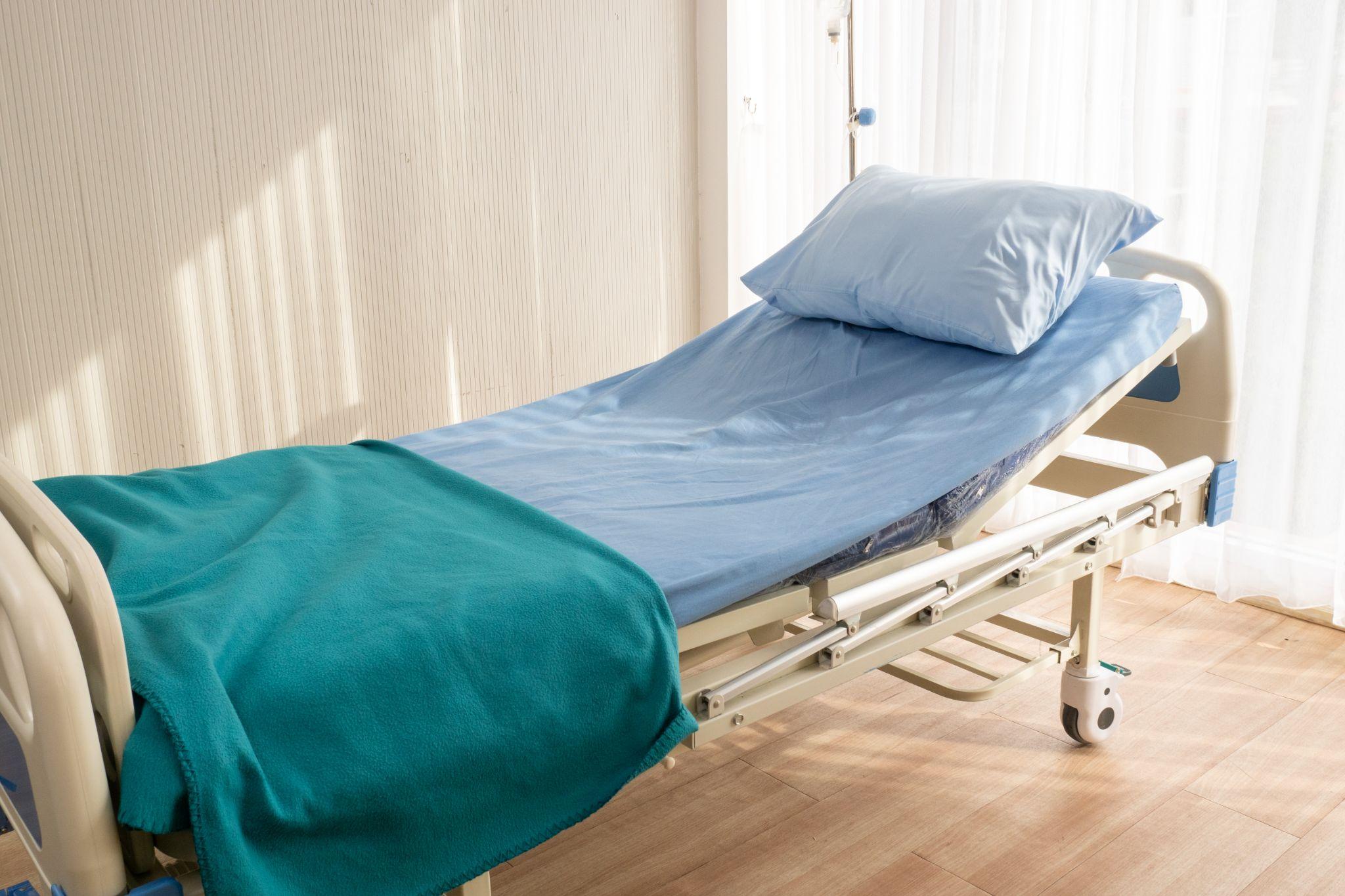
A hospital bed supports safer transfers, better sleep positioning, and skin protection. If the patient has limited mobility, swelling, or difficulty breathing while lying flat, an adjustable bed setup can be a major quality-of-life upgrade. Consider bed height and rail options, mattress type based on skin risk, and caregiver access for repositioning.
For patients who need additional support getting in and out of vehicles or navigating their home environment, explore our home and vehicle accessibility solutions.
When Renting Makes More Sense Than Buying
The best choice depends on timeline, insurance rules, and how likely needs are to change.
Renting usually makes sense when the need is temporary or uncertain—post-surgery recovery where a walker is needed for weeks, a hospital bed needed during wound care, or a trial period before committing long-term. Rentals also help when the care plan is still evolving.
Used or reconditioned equipment can be good value, but only if it’s safe. Check frame integrity, brakes and caster function, battery health for power devices, parts availability, and hygiene of contact points. Ask who services it and what happens if something fails.
How to Evaluate Safety and Ease of Use
If the user can’t operate it confidently, or the caregiver can’t set it up safely, it’s not the right equipment yet.
Start with fall prevention. Look for non-slip tips and stable bases, easy-to-reach brakes, proper seat height (feet should be supported), and trip-hazard planning for oxygen tubing. In many South Texas homes, the main path runs from living room to kitchen to back door—equipment placed in that line can become a daily obstacle.
Training matters because stress changes how people learn. After a hospitalization, caregivers juggle medications, appointments, and sleep deprivation. We make home setup simple: how to set walker height, lock wheelchair brakes before transfers, position a bedside commode safely, fit CPAP masks to reduce leaks, and operate oxygen concentrators.
If respiratory therapy is involved, contact our team to speak with a respiratory therapist so you feel confident using equipment at home.
Planning for Maintenance and Ongoing Support
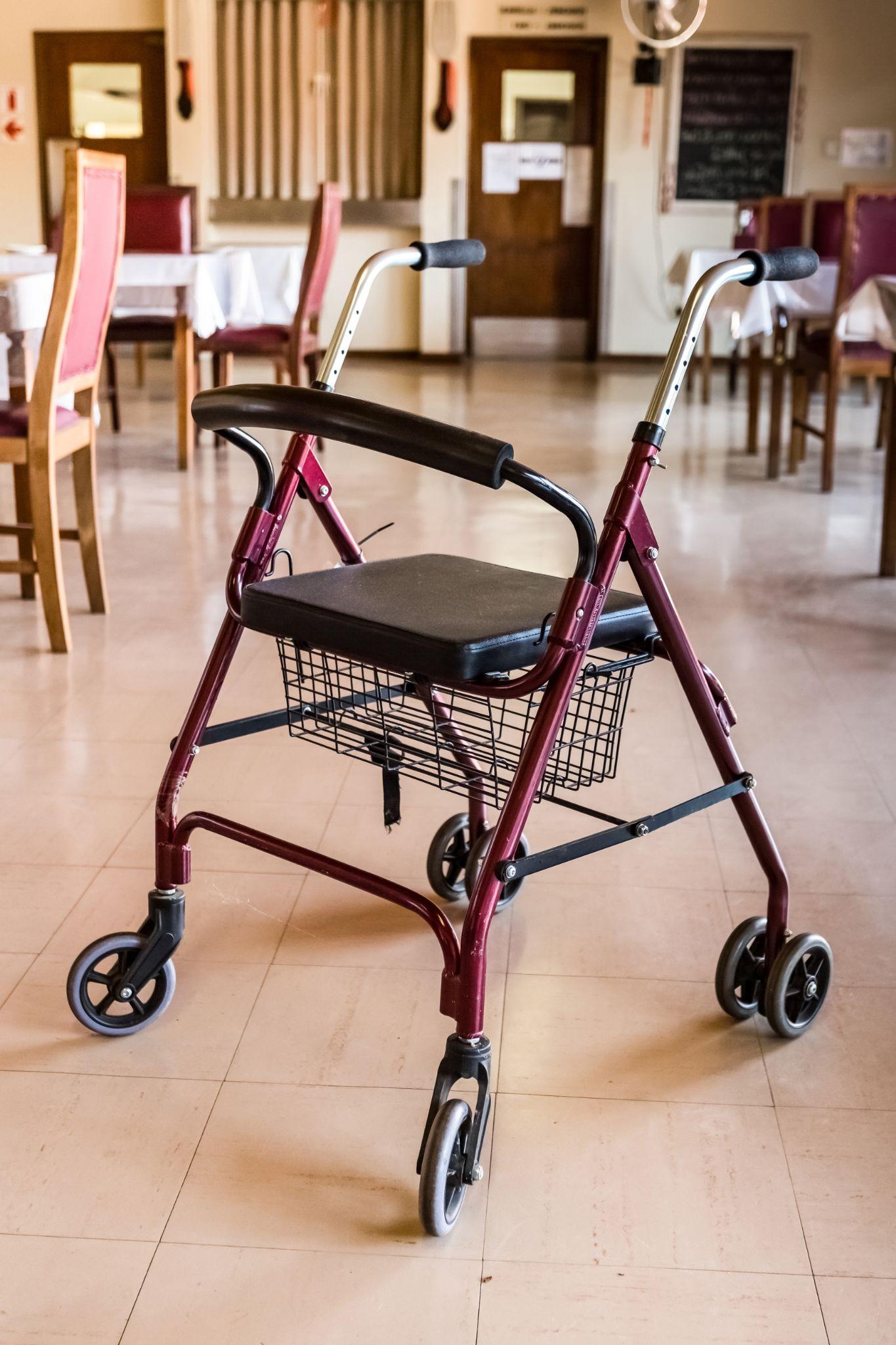
Plan the “after” before you buy: replacements, repairs, and who you’ll call when something stops working.
Home medical equipment isn’t a one-time purchase. Filters clog, cushions wear down, and batteries lose capacity. Having local support in the Rio Grande Valley keeps small issues from turning into big setbacks.
Ask about delivery and service up front. Confirm who delivers and sets up equipment, whether training is included, typical repair turnaround times, and what to do after hours if something fails. You can explore our full range of services to see how we support equipment delivery, setup, and repair.
Common replacements include CPAP cushions, masks, filters, and tubing; nebulizer accessories; wheelchair cushions; and batteries for power chairs. A simple replacement schedule on the fridge can be the difference between “this is manageable” and “why is this suddenly not working?”
Understanding Costs and Coverage Requirements
The fastest way to avoid delays is to ask about coverage and documentation before you fall in love with a specific model.
Ask your insurance: Is this item covered as DME? Does the plan require a rental period before purchase? What is the expected out-of-pocket cost? Are replacement supplies covered on a schedule?
Depending on the item, you may need a physician prescription, diagnosis information, proof of medical necessity, prior authorization, patient measurements, or therapist notes. If you’re dealing with hospital discharge, ask for the prescription and supporting notes before you leave.
How do I choose home medical equipment in the RGV based on a care plan?
Start with discharge paperwork, physician notes, and therapy goals, then match equipment to the patient’s biggest risks. Bring your documentation to a local DME provider so they can help you choose the right-fit item instead of a “popular” one.
What measurements should I take before buying a wheelchair, walker, or hospital bed?
Confirm the patient’s height, weight, and equipment weight capacity. For wheelchairs, check seat width and posture support. Measure bed height, doorway widths, hallway turns, and bathroom clearance.
What home medical equipment helps most with fall prevention?
Fall prevention usually starts with safer mobility and transfers: properly fitted canes or walkers, wheelchairs when endurance is limited, and grab bars or lift aids for standing. Bathroom items like bedside commodes reduce risky nighttime trips.
Should I buy, rent, or choose refurbished durable medical equipment?
Renting often makes sense for short-term recovery. Buying is better for long-term conditions. Refurbished durable medical equipment can save money if you check frame stability, brakes, battery health, and parts availability.
Where can I get local support and respiratory therapy help in Harlingen?
MacPherson’s Medical Supply in Harlingen supports the Rio Grande Valley with DME selection, delivery, setup, and repair. We offer oxygen services and CPAP machines with a licensed respiratory therapist on staff. To learn more about our family-owned company serving the Valley for over 80 years, read about MacPherson’s Medical Supply.
Conclusion
Choosing home medical equipment in the RGV comes down to three things: match the care plan, fit it to the home, and make sure you have support after the purchase.
If you’re ready to find the right durable medical equipment or respiratory supplies, visit our local store or contact us to get started.
Visit MacPherson’s Medical Supply at 2325 S 77 Sunshine Strip, Ste. B, Harlingen, Texas 78550. We’re open Monday through Friday from 8:00 AM to 5:00 PM. Call 956-412-9100 or email admin@macmedsupply.com.