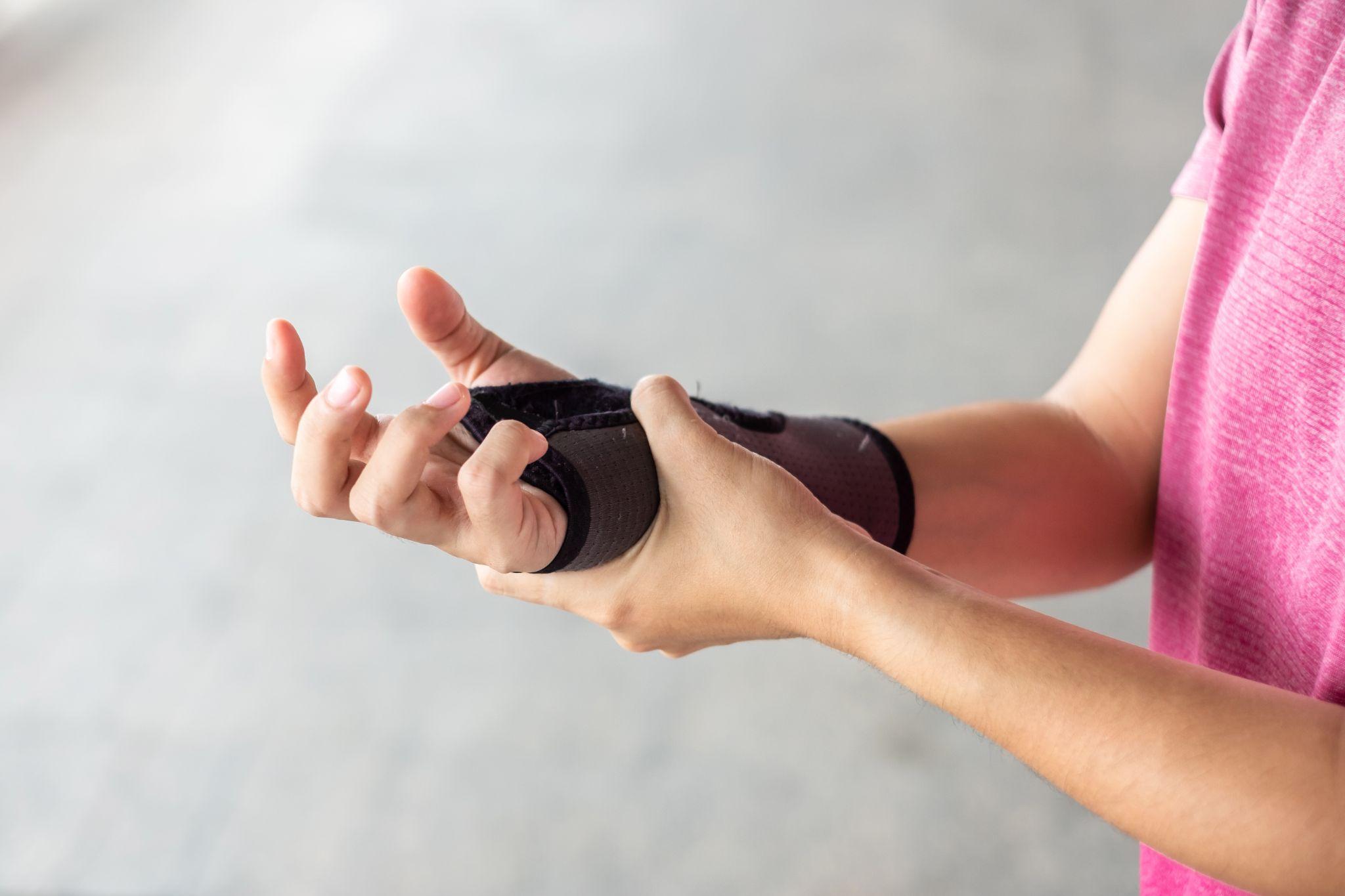
If wrist pain is making simple tasks hard, the right wrist brace can make a big difference in your day. At MacPherson’s Medical Supply, we see how the right support helps our neighbors across the Rio Grande Valley stay active, independent, and comfortable.
As a family-owned medical supply company serving South Texas for over 80 years, we know you don’t just need a product, you need clear guidance and a brace that truly fits your life. In this guide, we’ll walk you through when a wrist brace can help, how to choose one, and how we can support you with both off‑the‑shelf and custom bracing options right here in Harlingen.
Reclaim Your Comfort: How A Wrist Brace Can Help You Live Pain-Free
Wrist pain can sneak up on you. Maybe it started with tingling while you typed, or a sharp ache after lifting something heavy. However it began, it’s your body’s way of saying your wrist needs a break and better support.
A wrist brace is part of durable medical equipment (DME) that stabilizes the joint so irritated tissues can rest. It can also remind you not to bend or twist your wrist in painful ways.
What A Wrist Brace Can And Cannot Do For Your Recovery
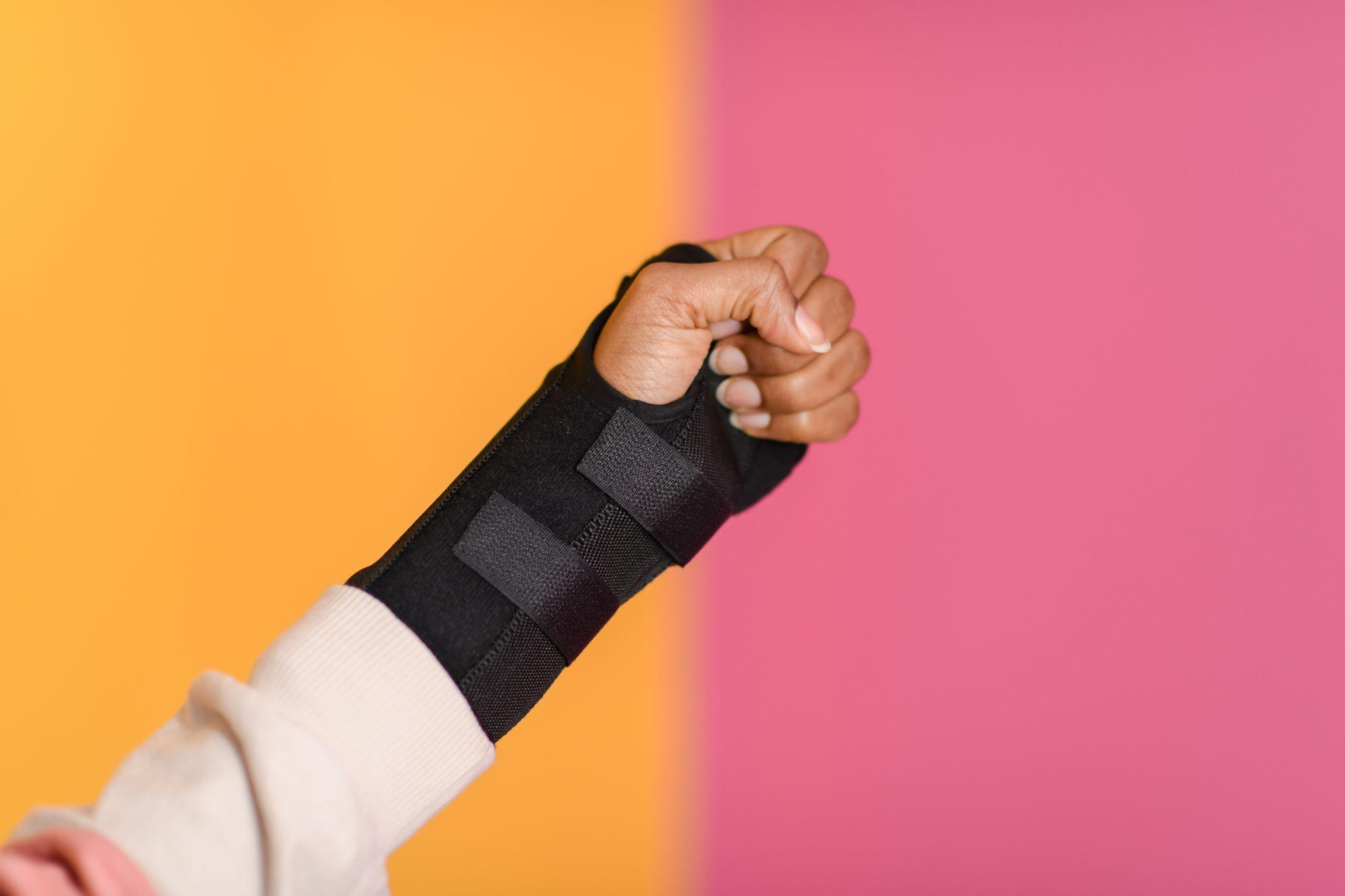
A wrist brace can:
- Limit painful motions and give injured tissues time to heal.
- Support weak or irritated joints during daily tasks.
- Reduce tingling and numbness caused by nerve compression.
- Improve comfort so you can sleep, work, and drive with less pain.
A wrist brace cannot:
- Fix a severe fracture or major ligament tear on its own.
- Replace surgery when surgery is truly needed.
- Treat infections, open wounds, or severe swelling without medical care.
A wrist brace works best when combined with proper diagnosis, rest, stretching, and, when needed, therapy or other medical treatment.
Signs Your Wrist Pain Needs Medical Evaluation
Some wrist pain can be managed at home with rest, ice, and temporary bracing. But see a doctor or urgent care right away if you notice:
- Sudden, severe pain after a fall or accident.
- Visible deformity or your wrist looks “crooked.”
- Inability to move your fingers or wrist.
- Significant swelling or bruising that appears quickly.
- Numbness or tingling that is constant or worsening.
- Redness, warmth, or fever along with wrist pain.
Once you have a diagnosis, we can help you choose the right wrist brace and other medical supply options to support your recovery.
Common Conditions That Benefit From A Wrist Brace

Many wrist problems can improve with the right support. Here are some of the most common reasons people visit us for a wrist brace.
Carpal Tunnel Syndrome
Carpal tunnel syndrome happens when the median nerve in your wrist is compressed, causing tingling, numbness, or burning in the thumb, index, and middle fingers.
Wearing a wrist brace that holds your wrist in a neutral position, especially at night, can decrease pressure on the nerve and help you sleep better.
Sprains, Strains, And Overuse Injuries
If you’ve stretched or irritated the ligaments, tendons, or muscles around your wrist, a brace can limit painful motion while those tissues heal.
We often see this in people who lift at work, spend long hours typing, or play racquet sports, golf, or do weight training. The right level of support keeps you from re‑injuring the joint while still allowing enough movement for daily life.
Arthritis And Chronic Joint Conditions
Osteoarthritis, rheumatoid arthritis, and other chronic conditions can make your wrist feel stiff, achy, and weak.
A well-fitted wrist brace can provide gentle compression, warmth, and stability, making tasks like cooking, writing, or using a cane or walker more comfortable.
Post‑Surgical Or Post‑Fracture Support
After a cast comes off or after hand or wrist surgery, your doctor may recommend a specific type of wrist brace to help you transition from full immobilization to more normal movement. We can coordinate with your surgeon or therapist to be sure your brace matches their instructions.
Types Of Wrist Braces And What They Are Best For

Not all wrist braces are the same. The best choice depends on your diagnosis, pain level, and daily activities.
Soft, Flexible Wrist Wraps
Soft wraps made from elastic or neoprene are best for mild sprains, light support during sports, or as a reminder not to overuse the wrist. They offer gentle compression but still allow movement.
Rigid Or Semi‑Rigid Splint Braces
These braces have metal or hard plastic stays along the palm side or both sides of the wrist. They’re best for carpal tunnel syndrome, moderate sprains, or post‑injury support when your doctor wants limited motion. Rigid braces are common in both off‑the‑shelf and prescription durable medical equipment.
Thumb‑Spica Braces For Thumb And Wrist Support
If your pain involves the base of your thumb, a thumb‑spica brace supports both the wrist and thumb. These are often used for De Quervain’s tendonitis, thumb arthritis, or certain ligament injuries around the thumb.
Night Braces Versus Daytime Braces
Night braces hold your wrist straight with softer padding for sleep comfort. Day braces may be slimmer, more breathable, and easier to wear under clothing. Many people use a more rigid brace at night and a lower‑profile style during the day.
Features To Look For In A Wrist Brace
When you shop for a wrist brace, the details matter. A few small differences can decide whether you actually wear it or leave it in a drawer.
Sizing, Adjustability, And Compression Levels
A brace that’s too tight can cause numbness or swelling. One that’s too loose won’t give enough support. Look for clear sizing charts, adjustable straps, and even compression without pinching. At MacPherson’s, our team will measure your wrist and hand in‑store to help you select the right size.
Materials, Breathability, And Skin Comfort
South Texas heat is real. Consider soft lining against the skin, ventilated or mesh sections, and latex‑free materials if you have allergies. If you have sensitive skin, let us know so we can steer you toward gentler fabrics.
Support Level: Light, Moderate, Or Maximum Stabilization
- Light support: flexible wraps for prevention and mild soreness.
- Moderate support: semi‑rigid braces for carpal tunnel and moderate strains.
- Maximum stabilization: rigid braces for post‑injury, post‑surgical, or serious conditions.
Durability, Cleanability, And Cost Considerations
A wrist brace is part of your everyday medical supply kit, so it should hold up. Ask about washing instructions, how well fasteners last, and warranty options. Our team can also discuss insurance coverage when a wrist brace is prescribed as DME, and show you both budget‑friendly and premium options.
How To Get The Right Fit And Wear Your Wrist Brace Safely
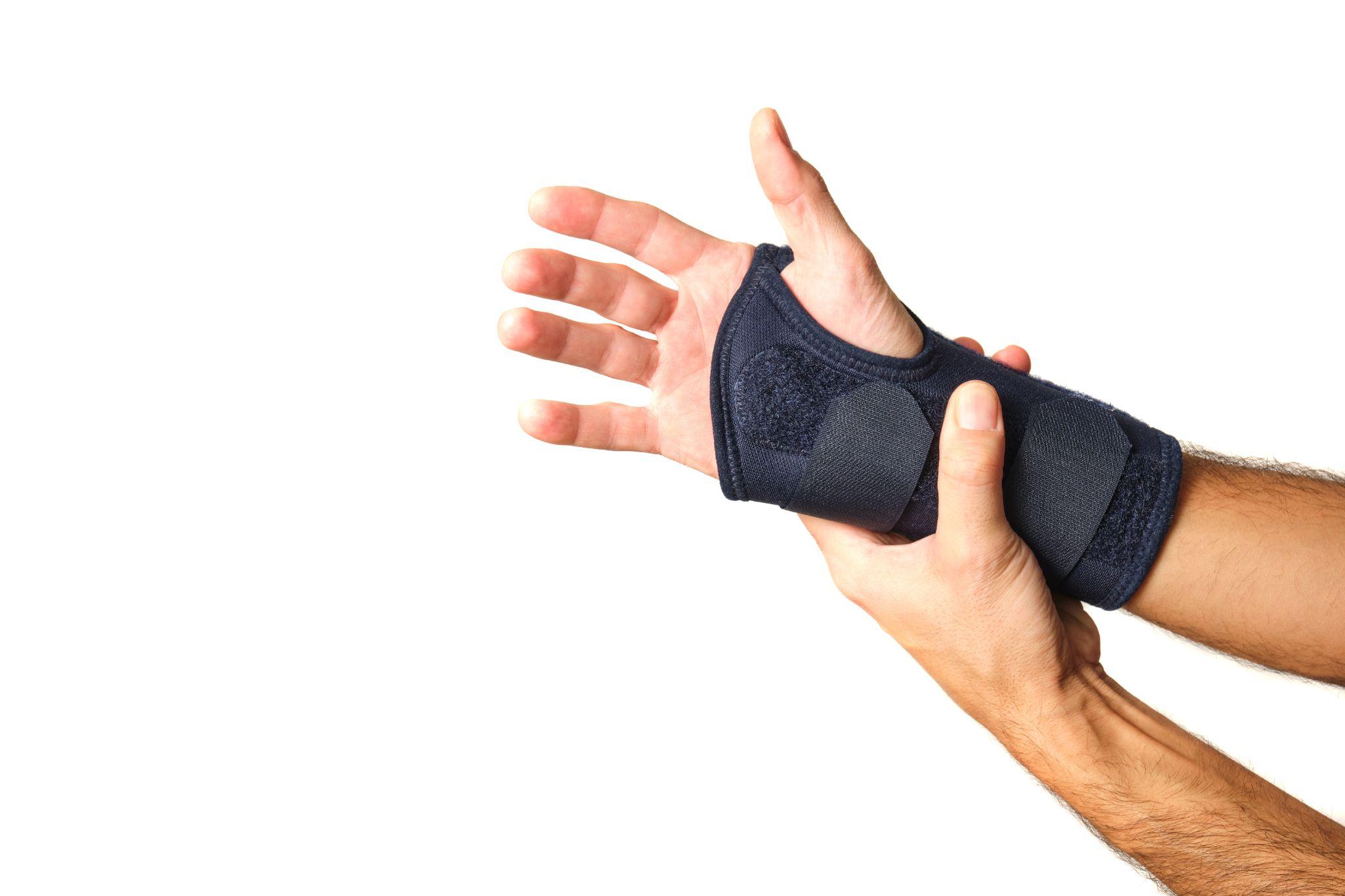
A good brace only works if it’s worn correctly. We take time in our Harlingen store to walk you through the fit.
Measuring Your Hand And Wrist Correctly
Most wrist braces are sized using wrist circumference, sometimes along with hand width. We measure around the narrowest part of your wrist, note hand dominance, and consider any swelling. When in doubt between two sizes, we usually prefer the larger size for comfort and safety.
Putting On And Taking Off The Brace
- Slide your hand into the brace with the rigid stay under your palm.
- Align the thumb opening so it isn’t rubbing your skin.
- Secure the strap closest to your wrist first, then work up the forearm.
- Tighten just until snug—you should still be able to slip a finger under each strap.
How Long And How Often To Wear Your Brace
Follow your provider’s advice first. Generally, carpal tunnel often requires night‑time use, sprains may need most‑day wear initially, and arthritis patients often use braces during higher‑demand tasks only. If your fingers turn blue, cold, or numb, remove the brace and contact your provider.
Avoiding Common Mistakes That Slow Healing
- Wearing the brace too tight can reduce blood flow.
- Never moving the wrist once pain improves slows recovery.
- Using an old, worn‑out brace that no longer fits properly.
If you’re not sure your brace is still doing its job, stop by and let us take a look.
Daily Life Tips: Using A Wrist Brace With Work, Hobbies, And Sleep
Typing, Lifting, And Repetitive Tasks At Work
For desk jobs, keep your keyboard and mouse close, use a brace allowing enough finger movement, and take stretch breaks every 30–60 minutes. For lifting or repetitive manual work, a sturdier brace may help. We can pair it with other durable medical equipment and more, such as ergonomic supports or canes, to reduce strain.
Sports, Exercise, And Home Activities
Ask your provider before returning to sports. Many people safely wear a flexible wrap for light workouts and a more rigid brace for activities that stress the wrist. Here in the Rio Grande Valley, we help everyone from golfers to gardeners find solutions.
Sleeping Comfortably While Wearing A Wrist Brace
Choose a softer, padded brace for sleep, avoid overly tight straps since hands may swell overnight, and keep your arm supported on a pillow. If you wake up with more pain, tingling, or swelling, your brace may need adjustment.
When To Talk To A Professional About Durable Medical Equipment
When An Off‑The‑Shelf Brace Is Not Enough
You may benefit from more advanced DME if your pain hasn’t improved after weeks of proper bracing. A complex condition like nerve damage may also require a higher level of support. Additionally, you might need advanced options if you’re using equipment like a wheelchair, bed, canes, commodes, or a basin and your wrist pain affects how you use them.
Custom Bracing, Prescriptions, And Insurance Coverage
At MacPherson’s, your local source for durable medical equipment, we offer custom orthotic and bracing solutions. Our custom orthotics lab can create head‑to‑toe bracing when standard sizes don’t fit or when your doctor prescribes a specific design—especially helpful for significant swelling, surgical history, or conditions requiring complex rehabilitation. We can work with your provider and insurance to explore your options. To learn more, read our story at MacPherson’s Medical Supply.
Working With Therapists And DME Providers
Your care team might include your doctor, therapists, a respiratory therapist if you use oxygen services or CPAP machines, and a DME provider like us. We coordinate with local clinicians to match your wrist brace to your therapy plan and suggest related supports, from orthopedic bracing to home and vehicle accessibility.
To see more of what we offer, including complex rehab equipment, mobility devices, and other medical supply options, see all medical supply services or browse medical supplies online before you visit our local store in Harlingen.
Conclusion
Living with wrist pain is frustrating, but you don’t have to face it alone. The right wrist brace, chosen and fitted with care, can ease your pain, protect your joint, and help you stay active in our Rio Grande Valley community.
If you’re ready to find the right durable medical equipment or respiratory supplies, visit our local store, check out our full range of services, or learn more about our story. We’re proud to serve the Rio Grande Valley with trusted care.
Visit MacPherson’s Medical Supply at 2325 S 77 Sunshine Strip, Ste. B, Harlingen, Texas 78550. We’re open Monday through Friday from 8:00 AM to 5:00 PM. For questions, email us at admin@macmedsupply.com or call 956-412-9100.
Frequently Asked Questions
Can a wrist brace help me get back to my favorite activities faster?
Yes, wearing a wrist brace provides the support and stability needed to promote healing, which can help you return to sports, hobbies, and daily activities more quickly and safely.
Will using a wrist brace improve my quality of life?
Absolutely. A wrist brace can significantly reduce pain, prevent further injury, and restore function, allowing you to enjoy everyday tasks with greater comfort and confidence.
Can a wrist brace help me avoid surgery?
In many cases, yes. Wearing a wrist brace as part of a conservative treatment plan can reduce inflammation and support healing, potentially eliminating the need for surgical intervention.
Will a wrist brace allow me to continue working without pain?
A properly fitted wrist brace can provide relief during repetitive tasks, helping you maintain productivity at work while protecting your wrist from strain and discomfort.
Can wearing a wrist brace help me achieve long-term wrist health?
Yes, consistent use of a wrist brace during recovery or high-risk activities can prevent chronic issues, strengthen healing, and contribute to lasting wrist health and mobility.