Foot pain has a way of changing your whole day. A simple step can suddenly feel like a challenge. The right foot brace can make a big difference, giving you support, reducing pain, and helping you stay active.
At MacPherson’s Medical Supply, we’ve helped families in the Rio Grande Valley find trusted bracing and custom orthotic solutions for over 80 years. As a family-owned medical supply company right here in Harlingen, we understand how important it is to match the right brace to your specific needs, lifestyle, and daily activities.
In this guide, we’ll walk you through what a foot brace is, when you might need one, how different types work, and how to choose and use a brace safely.
Discover How a Foot Brace Can Support Your Every Step
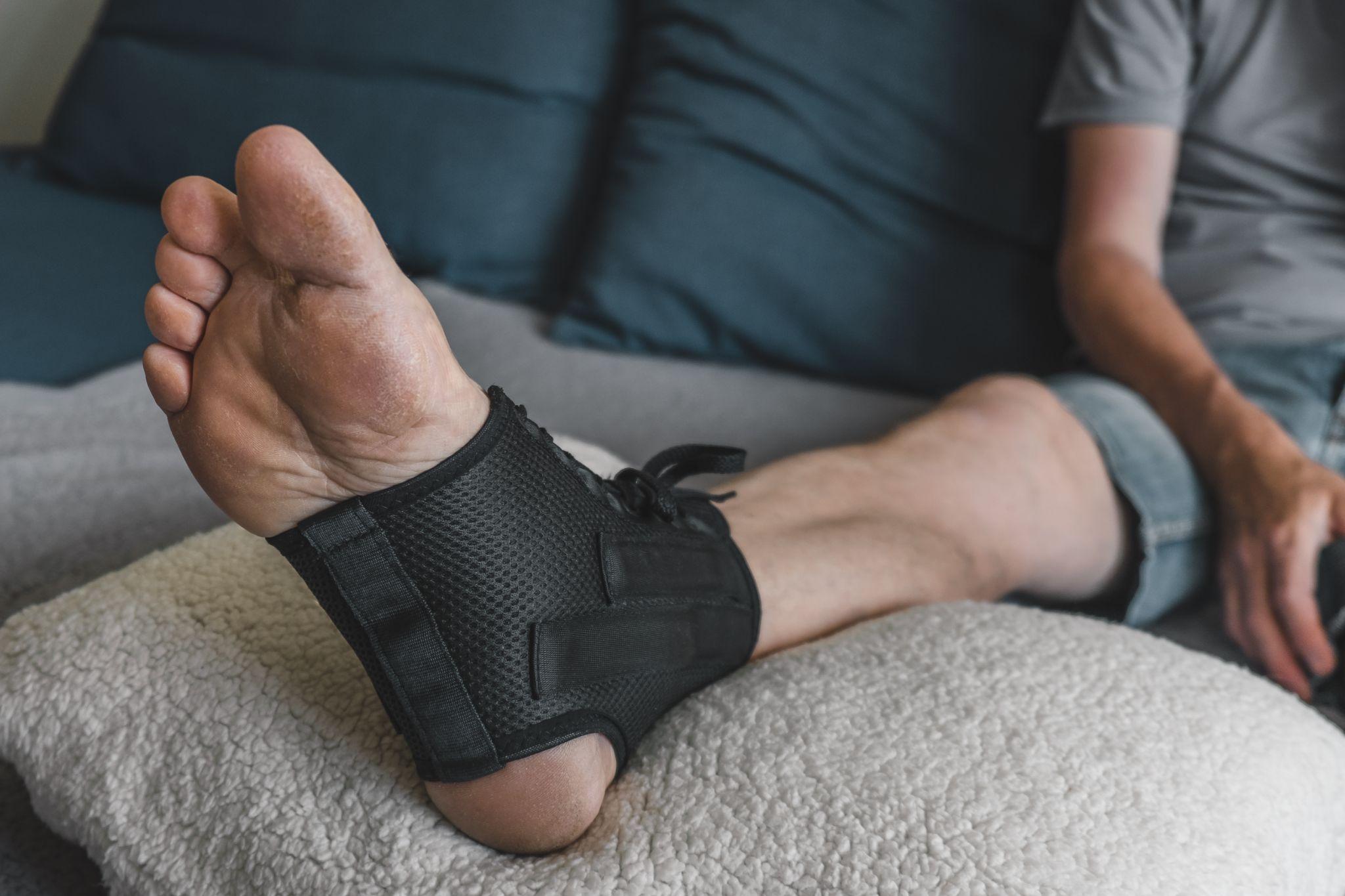
A foot brace is a supportive device worn on your foot (and sometimes around the ankle) to help stabilize joints, control motion, and reduce pain. You might see them called orthopedic bracing, orthoses, or supports.
At its core, a foot brace does three main things:
- Supports weak or injured structures. It helps tendons, ligaments, and joints do their job without being overloaded.
- Controls or guides movement. A brace can limit excessive rolling-in (pronation) or rolling-out (supination), or restrict certain motions after an injury or surgery.
- Redistributes pressure. By spreading pressure across a larger area, it can relieve painful spots, calluses, or areas under too much stress.
In our custom orthotics lab at MacPherson’s, we often pair a foot brace with custom foot orthotics or insoles to help align your foot, improve balance, and make walking more comfortable.
Find Relief From These Common Foot Conditions
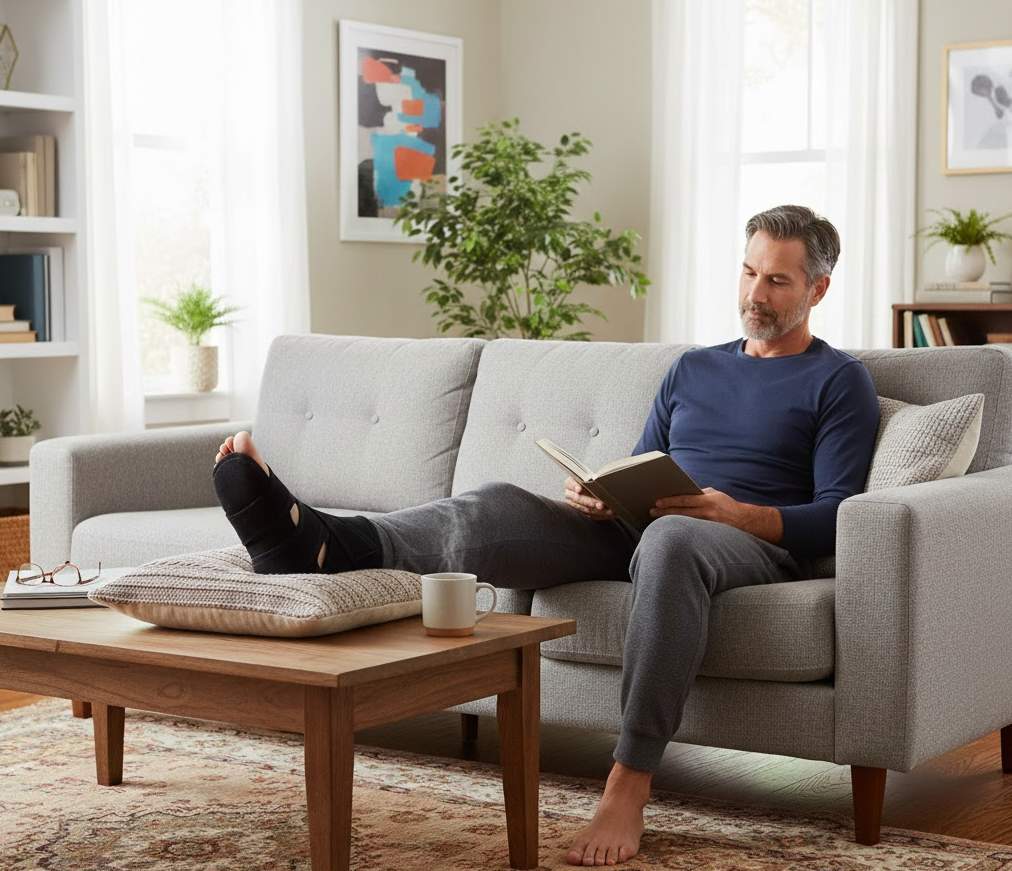
You don’t have to be an athlete to benefit from a foot brace. Many of our customers just want to walk around the house, go to church, or get to the grocery store with less pain.
A foot brace may help if you’re dealing with:
- Plantar fasciitis: Heel pain, especially with your first steps in the morning.
- Tendonitis: Irritation in tendons like the posterior tibial tendon, Achilles tendon, or peroneal tendons.
- Ankle instability: Frequent “rolling” of the ankle or feeling like it might give out.
- Arthritis: Stiff, painful joints in the foot or ankle that need gentle support.
- Sprains and strains: After an injury when your doctor recommends extra protection.
- Fracture recovery: Certain stable fractures may need controlled motion and support.
- Diabetic foot problems: Extra cushioning and pressure relief to protect skin and prevent sores (under medical guidance).
If you’re not sure whether a brace is right for your situation, we can help you talk through your symptoms and coordinate with your physician or therapist in the Rio Grande Valley.
Explore the Right Type of Foot Brace for You
Not all braces are built the same. Choosing the right durable medical equipment (DME) for your foot starts with understanding the basic categories.
Rigid and Semi-Rigid Foot Braces
Rigid and semi-rigid braces are designed to control motion and give strong support. They’re often recommended for moderate to severe ankle instability, post-surgical protection, certain fractures, and structural problems that need firm control.
These braces may include plastic shells, straps, and sometimes hinges. They’re more protective but can be bulkier, so we help you choose options that still work with your usual shoes and daily routines.
Soft Braces, Sleeves, and Wraps
Soft braces are usually made from elastic, neoprene, or fabric with adjustable straps. They’re typically used for mild sprains, swelling control, light support during daily walking, and extra comfort inside shoes. These supports are common over-the-counter DME items in our medical supply store.
Specialized Braces for Plantar Fasciitis, Ankle Instability, and More
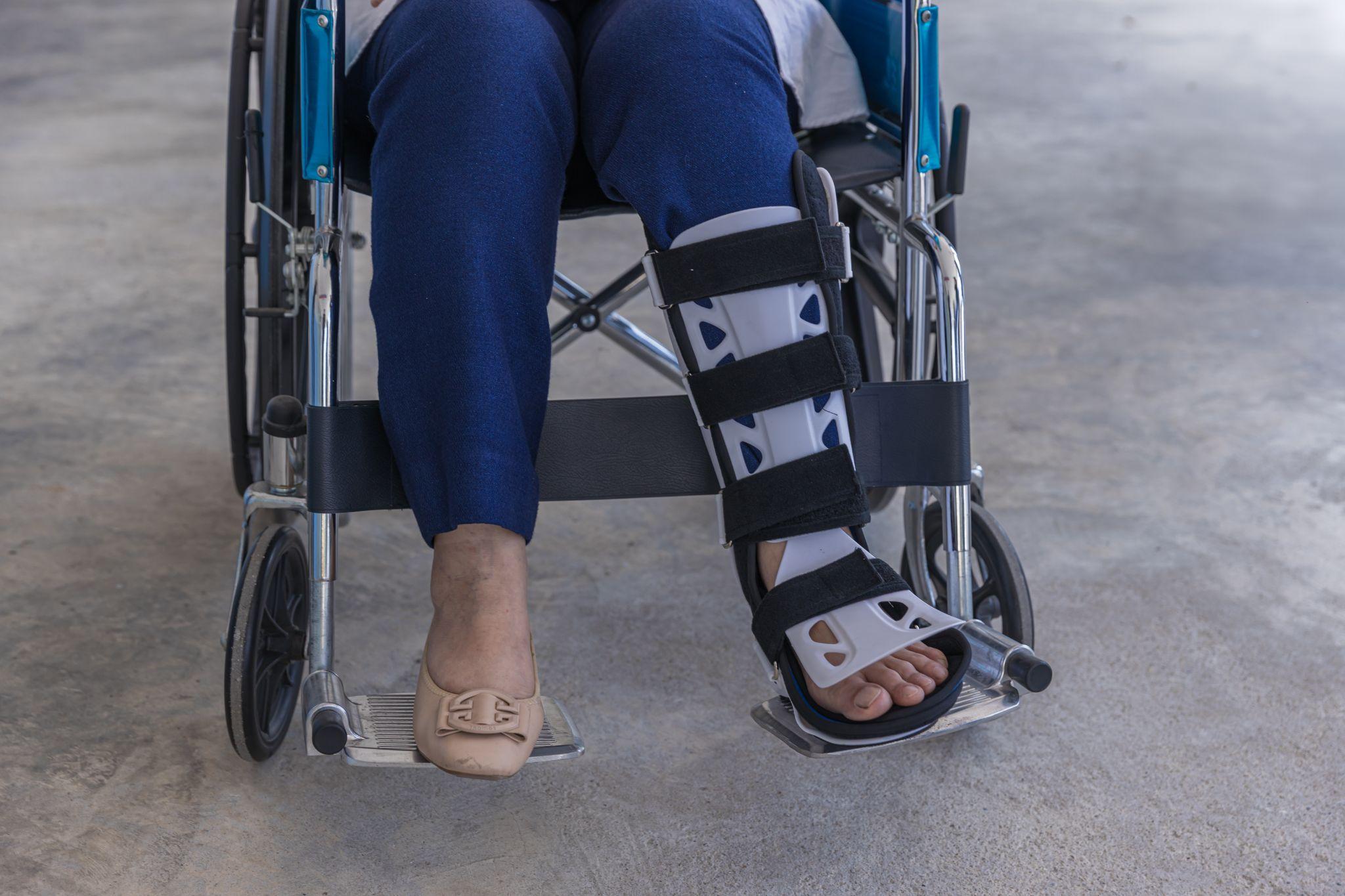
Some foot braces are built for very specific problems:
- Plantar fasciitis braces and night splints: Hold the foot in a gentle stretch to reduce morning heel pain.
- Figure-8 or lace-up ankle braces: Add extra stability to prevent rolling, especially for sports or uneven ground.
- Post-op and fracture boots: Protect the foot and ankle while you heal.
- Off-loading or pressure-relief braces: Shift pressure away from painful areas or wounds.
At MacPherson’s, we also provide custom orthotics and bracing solutions for more complex needs. If your condition affects more than just your feet, we can coordinate foot bracing with other supports like wheelchairs, canes, or home accessibility equipment.
Choose the Perfect Foot Brace for Your Lifestyle
Selecting a foot brace isn’t just about grabbing the first one on the shelf. The right support should match your diagnosis, your activities, and your comfort level.
When we help you choose a brace in our Harlingen medical supply store, we look at:
- Fit and sizing: The brace should be snug but not painful.
- Support level: Do you need firm control after an injury, or light support for everyday walking?
- Activity type: Are you mostly at home, on your feet at work, or playing sports?
- Footwear: Some braces work best with athletic shoes while others fit dress shoes.
- Skin and circulation: If you have diabetes or circulation problems, we take extra care.
When to Buy Over-the-Counter vs. See a Specialist
An over-the-counter foot brace can be a great starting point when your pain is mild to moderate and the injury is minor and improving.
You should see a doctor, podiatrist, or physical therapist when pain is sharp, severe, or getting worse; you’ve had a recent fall, trauma, or suspected fracture; you have diabetes or significant nerve problems; or basic supports haven’t helped.
In those cases, your provider can give us a prescription, and we’ll fabricate custom foot orthotics or help you with specialized bracing. Learn more about our full range of services: see all medical supply services.
Wear Your Foot Brace Safely and Comfortably
Even the best-designed foot brace can cause problems if it’s worn the wrong way. Most people do best when they break in a new brace slowly: start with 1-2 hours the first day, add 1-2 hours each day as long as you’re comfortable.
We generally suggest wearing socks under most braces to protect your skin, checking your skin after each wear (especially if you have diabetes), and calling us if you see blisters or deep redness that doesn’t fade.
Common Mistakes to Avoid
- Wearing the brace too tight. If your toes tingle or go numb, loosen the straps right away.
- Sleeping in the brace (when not advised). Some night splints are made for sleep, but most braces aren’t.
- Using a worn-out or broken brace. Straps and padding can wear down over time.
Keep Your Foot Brace in Great Shape
For most soft braces, hand wash with mild soap and cool water, and air dry completely. For rigid braces, wipe hard surfaces with a damp cloth and check straps and buckles regularly.
You may need to replace your foot brace when the material is stretched out or cracked, straps no longer stay fastened, or your pain pattern changes. If you’re using your brace daily, have it checked at least once a year.
Know When Professional Care Makes a Difference
A foot brace can be a helpful tool, but it isn’t a complete answer for every problem. Seek medical care promptly if you can’t put weight on your foot at all, pain is severe or linked to a fall, you notice deformity or significant swelling, you have diabetes and see any redness or open sores, or numbness is new or getting worse.
If your foot issues are part of a bigger mobility challenge, our complex rehabilitation team can help with wheelchairs, custom seating, and accessibility solutions. We also have a licensed respiratory therapist on staff providing oxygen services and CPAP machines.
Take the Next Step Toward Comfortable Movement
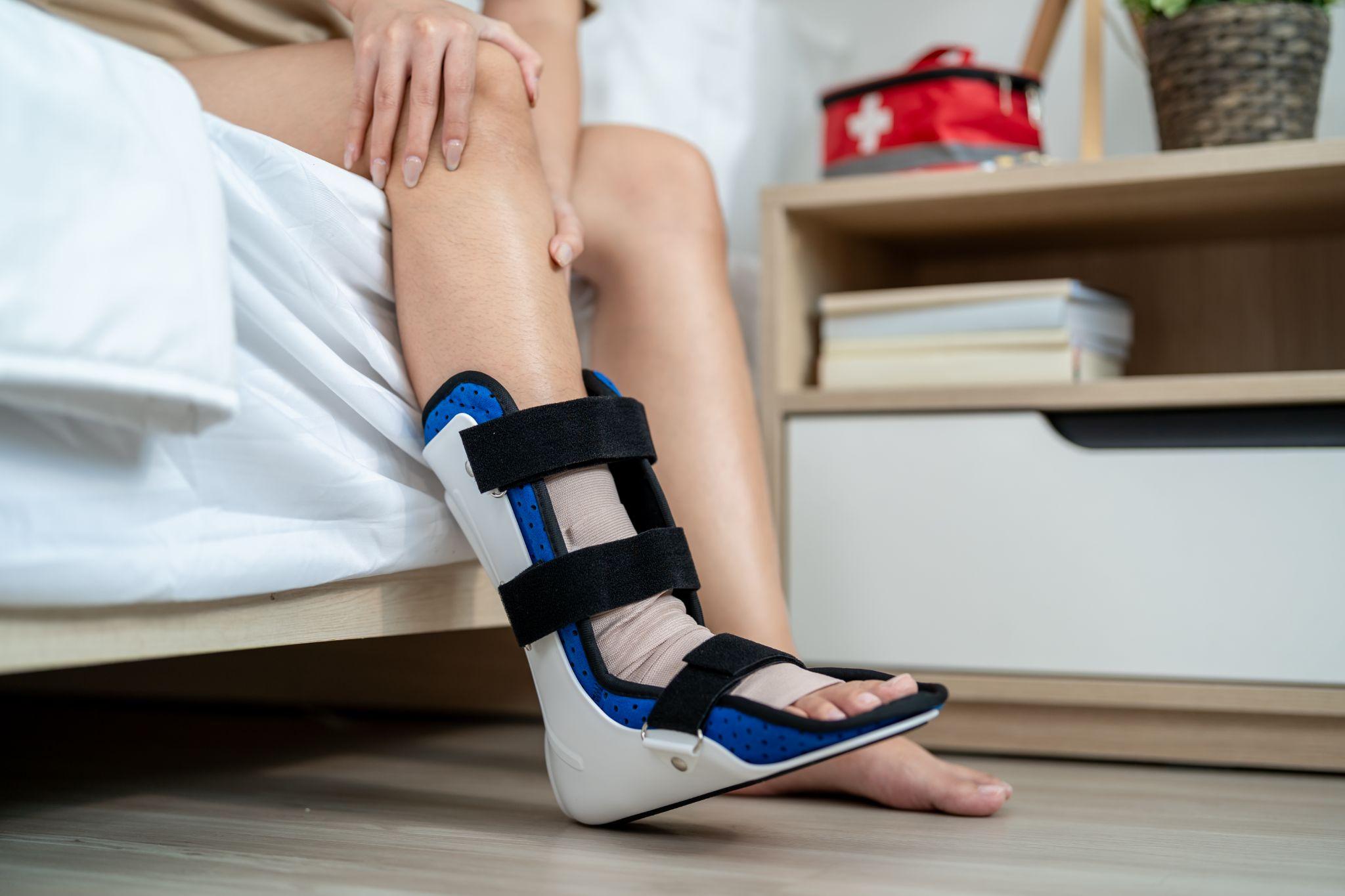
The right foot brace should help you walk more confidently, reduce pain, and protect your feet so you can stay active in the Rio Grande Valley.
At MacPherson’s Medical Supply, we combine our family-owned and trusted for over 80 years experience with modern custom orthotic technology. Our team will listen to your concerns and guide you toward the support that fits your life.
You’re welcome to visit our local store and see what’s in stock. To learn more about who we are, read our story: family-owned medical supply company.
Visit MacPherson’s Medical Supply at 2325 S 77 Sunshine Strip, Ste. B, Harlingen, Texas 78550. We’re open Monday through Friday from 8:00 AM to 5:00 PM. Email us at admin@macmedsupply.com or call 956-412-9100.
Frequently Asked Questions About Foot Braces
What is a foot brace and how does it work?
A foot brace is a support worn on the foot or ankle to stabilize joints, guide movement, and reduce pain. It can limit excessive rolling, support weak tendons and ligaments, and redistribute pressure away from sensitive areas.
What conditions can a foot brace help with?
A foot brace may help with plantar fasciitis, tendonitis, ankle instability, arthritis, sprains and strains, certain stable fractures, and diabetic foot problems (under medical guidance).
How do I choose the right foot brace for my needs?
Choose a foot brace based on your diagnosis, support level needed, activity type, footwear, and any skin or circulation issues. The brace should fit snugly without causing numbness or pain.
How should I break in and wear a new foot brace safely?
Start wearing your foot brace for 1-2 hours on the first day, then add 1-2 hours daily as tolerated. Use a sock unless advised otherwise, and check your skin after each wear.
Can a foot brace replace custom orthotics or shoe inserts?
A foot brace and custom orthotics often work best together. The brace supports and controls motion, while orthotics align and cushion the foot inside the shoe.
Can I sleep in a foot brace or wear it all day?
Most foot braces are not designed for sleep unless they are specific night splints. During the day, many people can wear a foot brace for several hours as long as it’s comfortable and skin checks are normal.