If knee pain is slowing you down, the right knee support can make everyday life safer and more comfortable. At MacPherson’s Medical Supply, we’ve spent decades helping families in the Rio Grande Valley find braces and durable medical equipment that truly fit their needs.
In this guide, we’ll cover when knee support makes sense, the different types of braces, and how to choose one that matches your diagnosis, activity level, and lifestyle. Our goal is simple: to help you move with more confidence, whether you’re recovering from an injury, managing arthritis, or staying active here in South Texas.
When You Need Knee Support
Knee pain can sneak up on you or arrive suddenly after a twist or fall. Either way, support isn’t “one size fits all.” Knowing when to reach for a brace, and what kind, can prevent small problems from becoming bigger ones.
Common Knee Conditions That May Benefit From Support
We see a wide range of knee issues in our Harlingen store. Some of the most common that may benefit from a knee support or brace include:
- Osteoarthritis – Pain, stiffness, or grinding in the knee, often worse in the morning or after sitting. A brace can help offload pressure and make walking easier.
- Patellofemoral pain (front-of-knee pain) – Pain around or behind the kneecap, often with stairs, squatting, or sitting for long periods.
- Ligament injuries – Sprains or tears of the ACL, MCL, LCL, or PCL from sports, falls, or accidents. These usually need a more structured, sometimes hinged, brace.
- Meniscus injuries – Twisting injuries that cause catching, locking, or sharp pain along the joint line.
- Post-surgical recovery – After knee replacement or ligament reconstruction, a brace may be prescribed for protection while you heal.
- General weakness or instability – A feeling that the knee might “give way,” especially in older adults or people with balance issues.
If you already use other DME, like a walker, wheelchair, or cane, a properly chosen knee brace can work alongside those devices to give you safer, more stable movement.
Signs You Might Need More Than Simple Compression
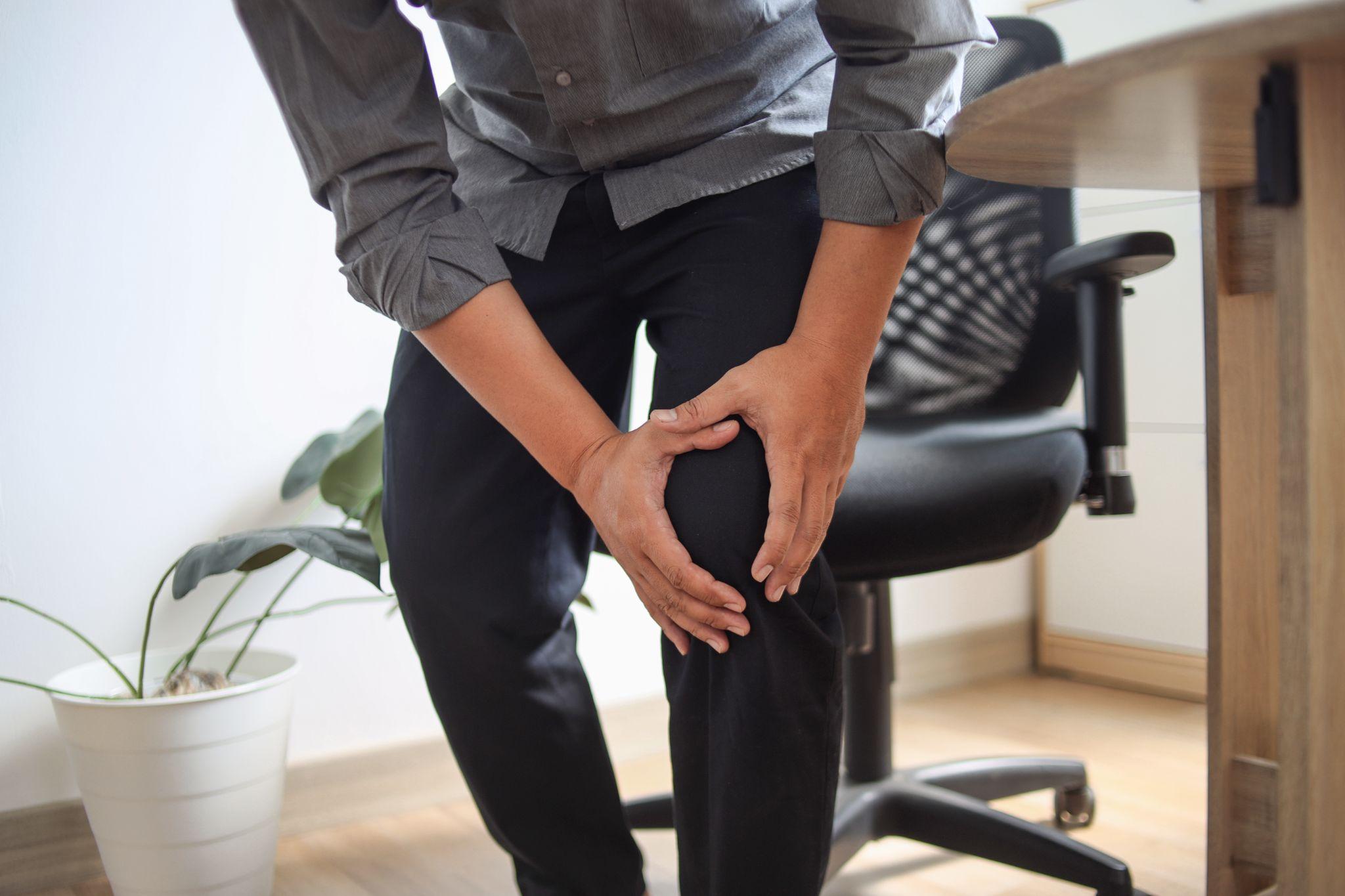
Not every knee problem can be solved with a soft sleeve from a big-box store. You may need a more supportive, medical-grade brace if:
- Your knee buckles, gives out, or feels very unstable
- You’ve had a recent fall, major twist, or sports injury
- You’re recovering from surgery and were told to limit motion
- Pain is severe, sudden, or getting worse
- There is significant swelling, locking, or inability to fully bend or straighten the knee
In these cases, we always recommend talking with your doctor, orthopedic specialist, or physical therapist first. Then we can help match their recommendations with the right level of support in our medical supply store.
Types Of Knee Supports And What They Are Best For
Knee supports range from simple compression sleeves to complex, hinged braces. Each style has a purpose.
Sleeves And Wraps: Mild Pain, Swelling, And Warmth
Knee sleeves are usually made of elastic or neoprene and slide on like a sock. They work best for mild compression, warmth for aching or arthritic knees, and a little extra stability during walking or light activity.
Wrap-style supports that fasten with Velcro can be easier to put on if you have limited hand strength or arthritis. These are good for day-to-day comfort, not for major ligament injuries.
Hinged Braces: Ligament Injuries And Instability
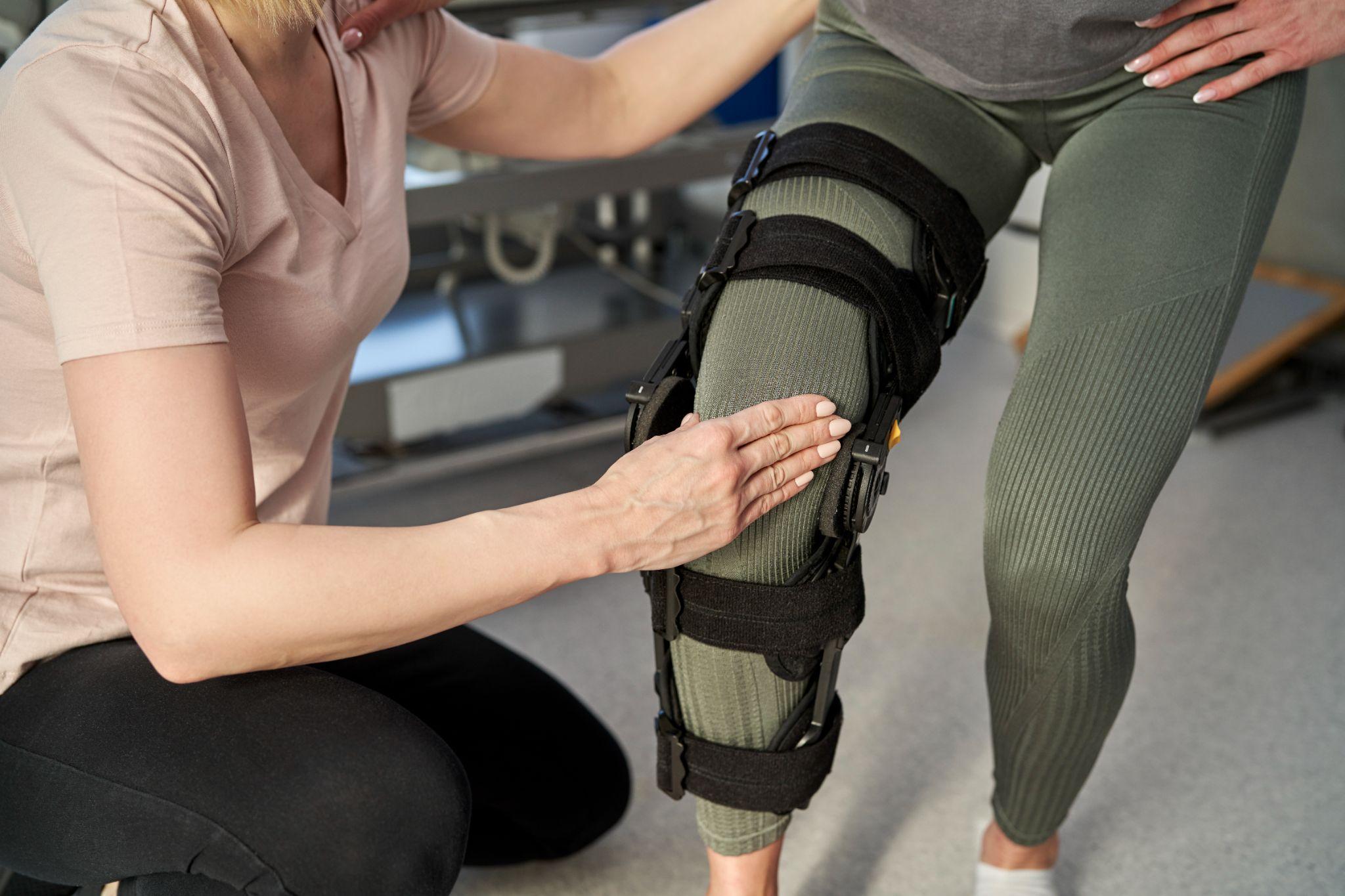
Hinged knee braces add solid side support with metal or reinforced plastic stays. They help control side-to-side movement while still allowing you to bend and straighten the knee.
They are often used for MCL or LCL sprains, moderate ACL or PCL injuries, returning to activity after a significant knee sprain, and people who feel their knee “gives out” with walking.
These braces are usually considered durable medical equipment (DME) because they’re designed for repeated use over a longer recovery period.
Patella-Strap And Open-Patella Braces: Front-Of-Knee Pain
If your main pain is around or just below the kneecap, a patella strap or open-patella brace may help. Patella straps sit just below the kneecap and apply gentle pressure to the patellar tendon, helping with conditions like “runner’s knee.” Open-patella braces have a cutout around the kneecap to reduce pressure and improve tracking.
These supports are popular for active adults who want something low profile to wear under clothing or during light exercise.
Post-Op And Immobilizer Braces: After Surgery Or Serious Injury
After surgery or a serious injury, your surgeon may prescribe a post-op brace or immobilizer. These heavier braces can limit your range of motion to protect healing tissue, hold the knee straight or within a set bending range, and provide strong structural support during early recovery.
At MacPherson’s Medical Supply, we fit these braces carefully and make sure you or your caregiver understand how to adjust them for comfort and safety before you leave our Harlingen store.
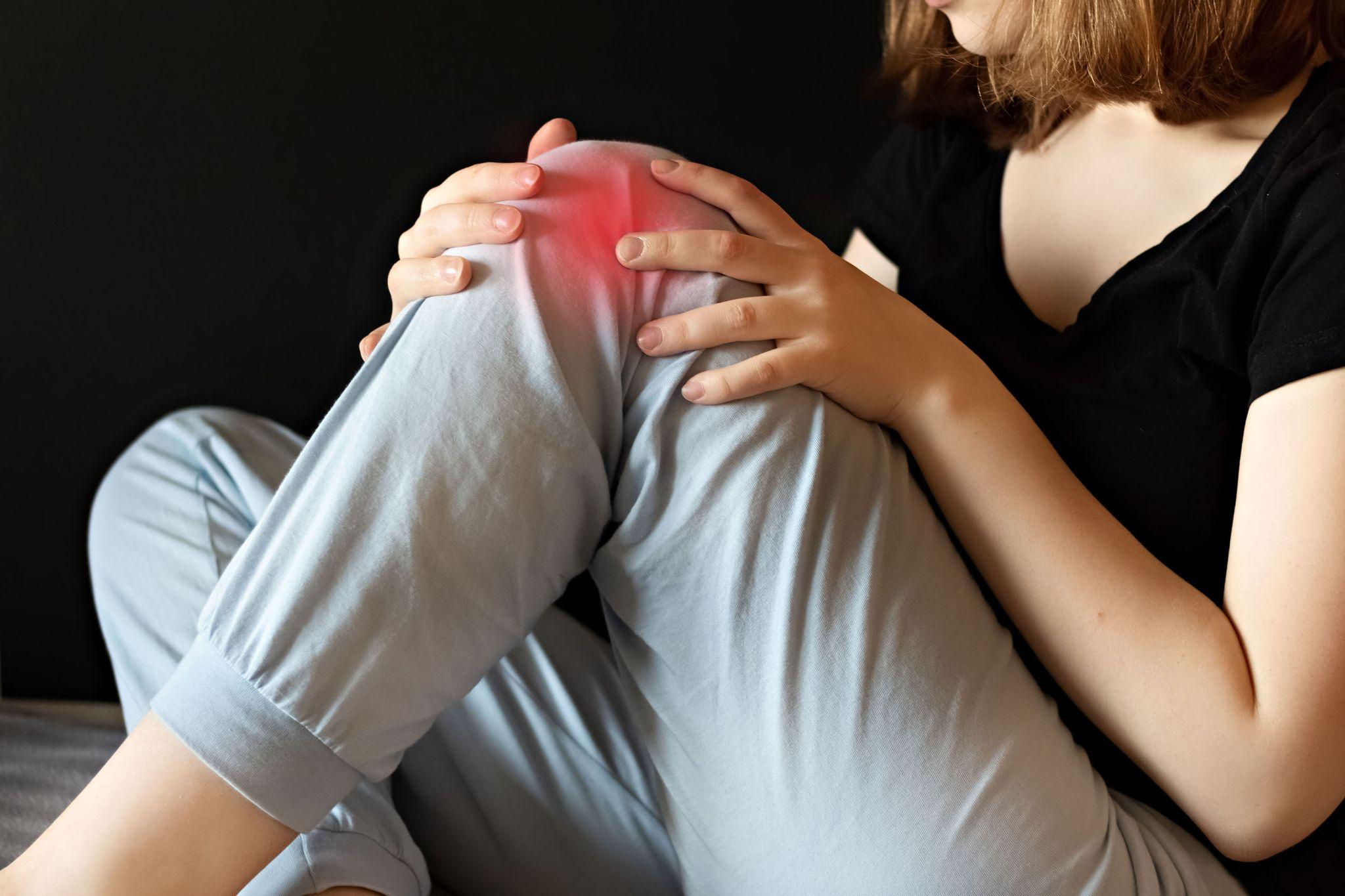
Key Features To Look For In A Knee Brace Or Support
Once you know the general type of knee support you need, the details really matter. A poorly fitting brace can cause more problems than it solves.
Support Level And Range Of Motion Control
Think about how much control your knee really needs:
- Light support – Soft sleeves for mild arthritis or occasional pain
- Moderate support – Braces with straps or light stays for everyday instability
- Maximum support – Hinged or post-op braces that control side-to-side and bending motion
If your doctor gave you range-of-motion limits, we’ll help you choose or adjust a brace that matches those instructions exactly.
Fit, Sizing, And Adjustability
Proper sizing is one of the biggest reasons to work with a local, family-owned medical supply company instead of ordering randomly online. We measure above, at, and below your knee for an accurate size, ensure the brace doesn’t slip down or dig into your skin, and check that straps can be adjusted by you or your caregiver.
If you have other bracing or custom orthotics for your feet or ankles, we’ll look at your whole alignment so your knee brace works together with your other supports.
Materials, Comfort, And Skin Protection
In the Rio Grande Valley heat, breathable materials matter. We help you choose options that allow your skin to breathe, have smooth seams to reduce rubbing, and work with compression hosiery if you also need help with leg swelling.
If you have fragile skin, diabetes, or circulation issues, we’ll take extra care to protect your skin and suggest wearing schedules that allow for regular checks.
Durability And Ease Of Use
Because knee braces are a type of durable medical equipment, they should stand up to daily use. We look for strong stitching, high-quality Velcro, buckles that are easy to manage if you have arthritis, and designs that work with other DME like wheelchairs, walkers, or scooters.
If you’re unsure what would work best for your lifestyle, you can always see all medical supply services we offer and then visit our local store for hands-on help.
How To Choose The Right Knee Support For Your Situation
Choosing the right brace isn’t just about the knee. It’s about your whole life—how you move, work, sleep, and care for yourself or your loved one.
Matching The Brace To Your Diagnosis And Activity Level
We always start with two questions: What is your diagnosis or main concern? and What do you want to be able to do safely?
For example, a senior with arthritis who mainly wants to walk around the house may do well with a soft sleeve and a sturdy cane. Someone returning to work after a ligament sprain may need a hinged brace for extra stability. A caregiver helping a loved one transfer from bed to wheelchair may need a brace that doesn’t slip during those key moments.
Working With Your Healthcare Team
We encourage you to bring any notes or prescriptions from your doctor, orthopedic surgeon, or physical therapist when you visit us. When needed, we can also work with orthotists for specialized bracing and our partners involved in complex rehab for individuals using power mobility devices or custom seating systems.
If you’re curious about our care-focused approach, you can read our story at MacPherson’s Medical Supply and learn how over 80 years serving the Rio Grande Valley has shaped the way we support families.
Safety Tips: Avoiding Over-Reliance And Misuse
A knee brace is a tool, not a cure. To stay safe, follow your provider’s instructions about when and how long to wear it, don’t tighten straps so much that you cause numbness or tingling, check your skin every day, and keep doing recommended exercises and therapy so your muscles stay strong.
Using, Caring For, And Maintaining Your Knee Support
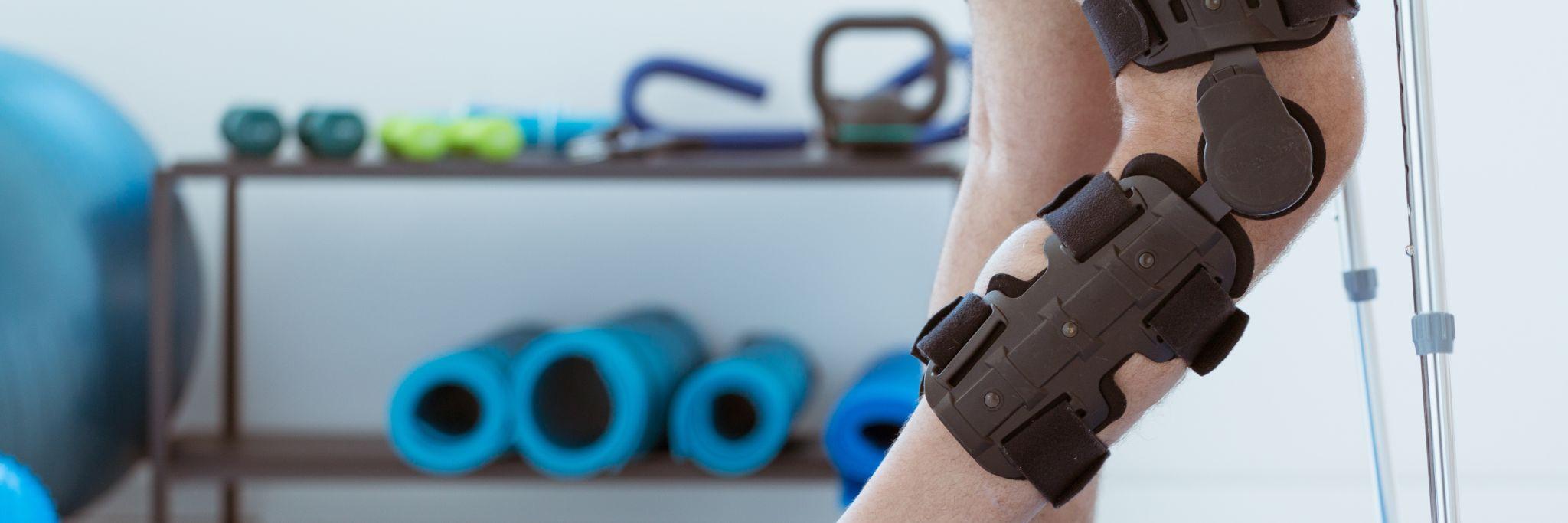
Once you’ve found the right knee support, good care helps it last longer and stay comfortable.
Wearing Schedule And Daily Use
Your schedule will depend on your condition, but generally wear your brace during activities that stress the knee (walking, standing, transfers, light chores). You may not need it while resting in bed, unless your provider says otherwise. Post-op braces often have very specific instructions—follow those closely.
If you also use DME like beds, wheelchairs, canes, or commodes, we’ll help you test getting in and out of each device with your brace on so you feel confident before you go home.
Cleaning And Replacement
Most soft knee supports can be washed in cool water and air-dried. Hinged and post-op braces may have removable pads you can clean separately. Check for frayed straps, worn Velcro, or bent hinges weekly, and replace your brace if it no longer stays in place or if parts are damaged.
Because we’re a full-service medical supply provider, we can often help with replacement parts or guide you to the best time to upgrade, just as we do with CPAP machines, oxygen services, and other respiratory equipment.
Skin Care
Make sure the skin is clean and dry before you put the brace on. Use a thin layer of soft clothing or a sleeve under the brace if you have sensitive skin, and watch for red spots that don’t fade within 20–30 minutes after removing the brace. If discomfort continues, bring the brace back in for adjustments.
Insurance, Prescriptions, And Access To Durable Knee Braces
Navigating insurance on your own can be frustrating. We’re here to make that process easier.
Many knee braces, especially hinged, post-op, or custom-fitted options, are classified as durable medical equipment. Insurance may consider a brace DME if it is medically necessary for a diagnosed condition, ordered by a licensed provider, and meant for long-term or ongoing use.
At MacPherson’s Medical Supply, we routinely work with local clinics, hospitals, and rehabilitation centers, physicians, therapists, and discharge planners in the Rio Grande Valley. When you come in, bring your insurance card and any prescriptions for bracing. We’ll help verify what’s covered and explain your options in simple terms.
If you prefer to browse first, you can browse medical supplies online and then follow up with us by phone or in person to talk about coverage.
Conclusion
The right knee support can turn painful, uncertain steps into steadier, more confident movement. Whether you’re looking for a simple sleeve, a hinged brace, or a post-op support after surgery, we’re here to help you find what truly fits your life.
As a family-owned medical supply company that has been serving the Rio Grande Valley with care for over 80 years, we understand that every knee, every home, and every family is different. Our team will take the time to listen, measure, answer questions, and make sure your brace works alongside any other durable medical equipment you rely on.
Visit MacPherson’s Medical Supply at 2325 S 77 Sunshine Strip, Ste. B, Harlingen, Texas 78550. We’re open Monday through Friday from 8:00 AM to 5:00 PM. For questions, email us at admin@macmedsupply.com or call 956-412-9100.