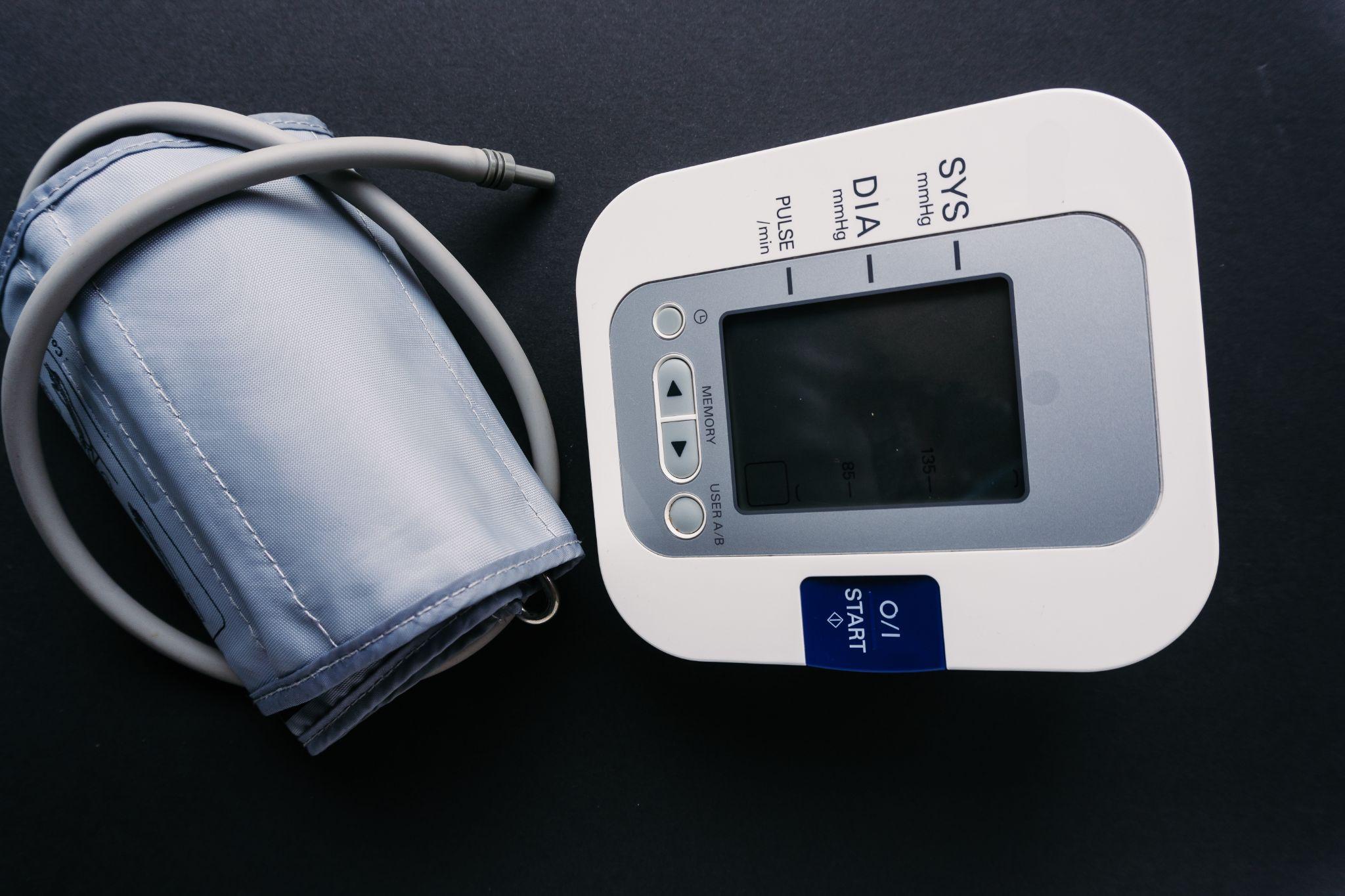
As care continues to shift into the home, one theme keeps coming up from providers, founders, and clinicians alike. The biggest gains are coming from medical devices that are easier to use, easier to support remotely, and designed around real life, not clinical perfection. Here is how four experts see this trend taking shape and why it is changing delivery, training, and long-term care in practical ways.
User-Friendly Home Devices Advance Safer Care
Saima Adil Zafar points to a clear shift toward smart, user-friendly equipment designed specifically for home use, not adapted from hospital settings. Devices that install quickly, guide users through simple steps, and support remote monitoring reduce delays and lower the risk of misuse.
From a provider standpoint, this simplifies everything. Training takes less time. Care teams get alerts when something looks off. Families feel more confident using the equipment day to day. Over time, this supports continuity of care without constant in-person visits, helping patients stay safer and more independent at home.

Saima Adil Zafar, Director
Telehealth and Wearables Reshape Ongoing Support
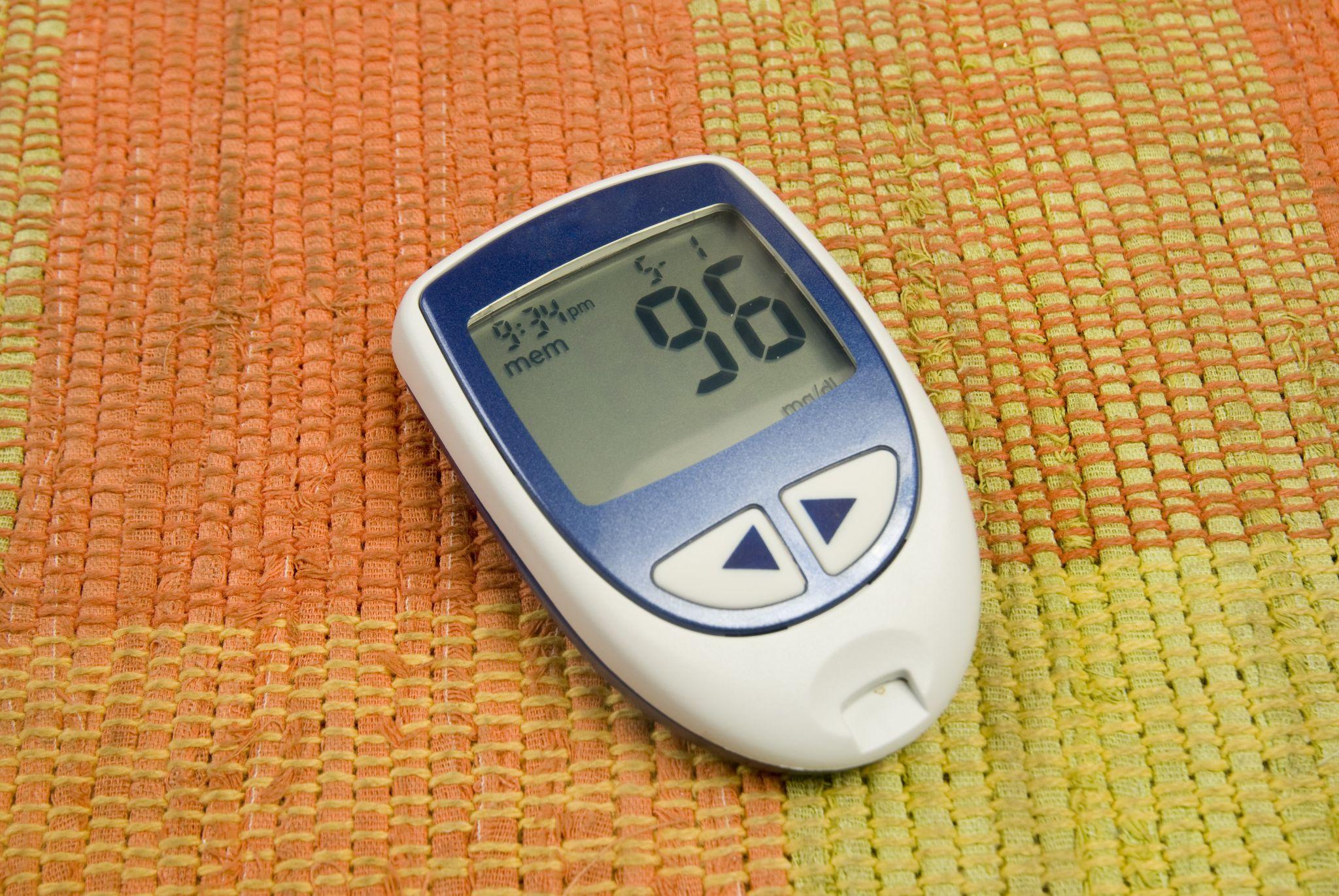
Evan Tunis highlights how telehealth platforms, remote monitoring, and wearable devices are blending into everyday home care. Virtual visits cut down on travel and wait times, while real-time data gives providers a clearer picture of what is happening between appointments.
This combination allows faster decision-making and earlier intervention. Wearables can flag issues before they become emergencies, which helps reduce hospitalizations and keeps care proactive instead of reactive. For providers, this means smoother delivery, easier training, and better long-term oversight.

Evan Tunis, President
LinkedIn, Florida Healthcare Insurance
Auto-Setup Devices Enable Smarter Remote Care
Albert Richer sees the biggest impact coming from connected, self-configuring medical devices. These systems arrive pre-paired and calibrated, so they are ready to use right away. That shortens training and reduces the need for repeated home visits.
Remote monitoring lets providers track usage and adherence, especially for respiratory and cardiac equipment. When patterns change, support teams can step in early. The result is lower costs, stronger adherence, and a shift from troubleshooting equipment to supporting ongoing care.

Albert Richer, Founder & Editor
LinkedIn, WhatAreTheBest.com comparison data
Self-Guided Smart Devices Improve Outcomes
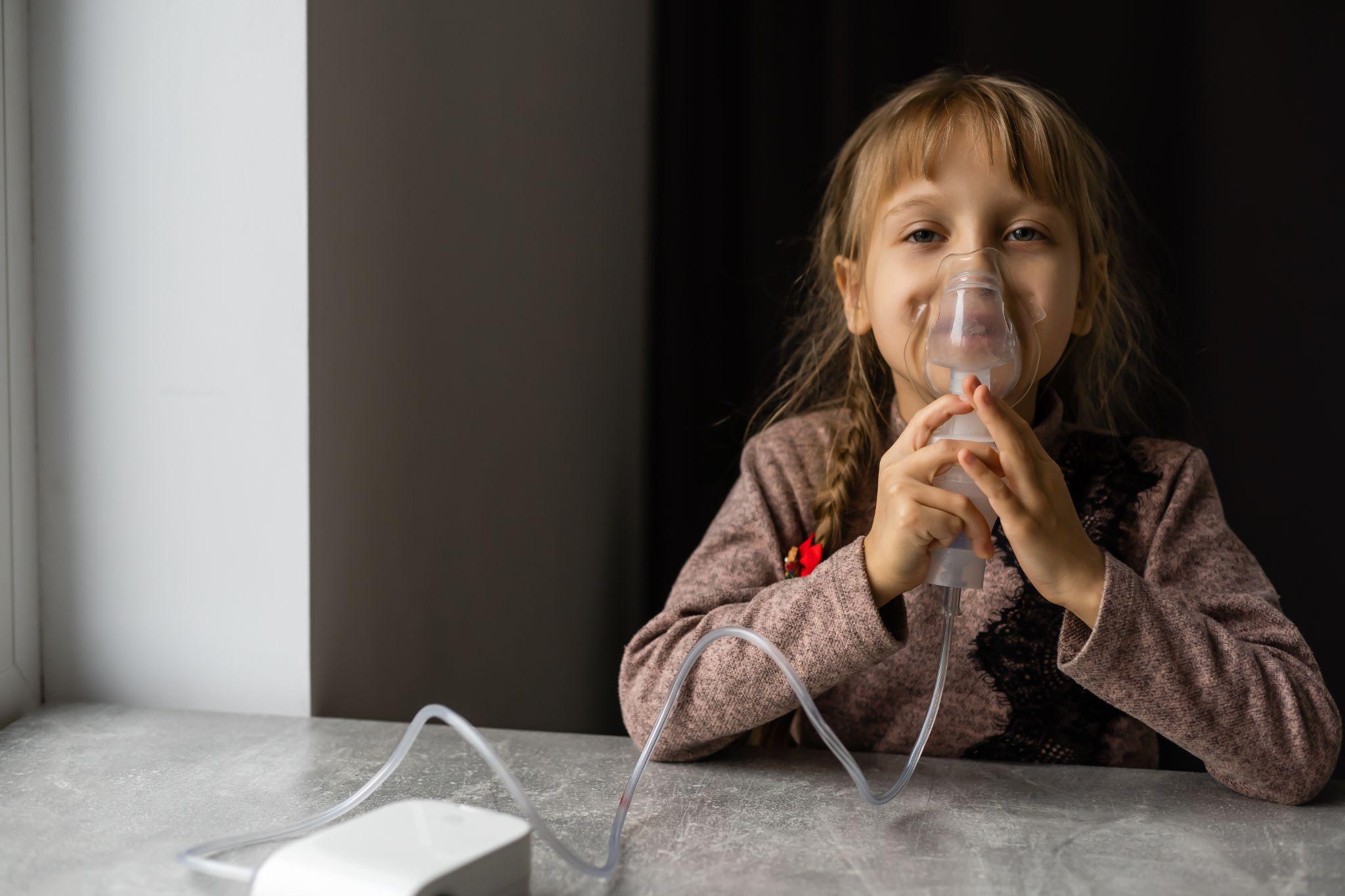
Dr. Jonathan Spages focuses on smart, self-guided devices that combine diagnostics, coaching, and monitoring in one platform. These tools guide patients between visits instead of relying on one-time instruction.
In practice, this has improved adherence and outcomes, especially for chronic conditions. Providers spend less time fixing device issues and more time interpreting trends. As these systems become more connected, they will make delivery smoother, training lighter, and long-term support more consistent.

Dr. Jonathan Spages, Doctor, Author
LinkedIn, Advanced Natural Health Center
Final takeaway
Across all four perspectives, the direction is clear. Home-based medical equipment is becoming simpler to use, smarter in the background, and more supportive over time. The real shift is not just better technology, but better design around how people actually live and care at home. That is what will continue to streamline delivery, reduce training friction, and strengthen long-term patient support.