Caring for yourself or a loved one who needs extra support at home can feel overwhelming, especially when navigating the world of therapeutic medical devices. At MacPherson’s Medical Supply, we’ve spent over 80 years helping families in the Rio Grande Valley sort through options and find equipment that truly fits their lives.
In this guide, we’ll explain what therapeutic medical devices are, how they’re used in everyday home care, and how our local, family-owned medical supply team walks beside you through each step. Whether you need a bed, wheelchair, canes, commodes, a basin, or advanced respiratory care, we’re here to make things safer, easier, and more comfortable right here in South Texas.
What Are Therapeutic Medical Devices?
Therapeutic medical devices are tools and equipment designed to treat or manage a medical condition, not just measure it. They help reduce symptoms, improve mobility, support breathing, and promote healing so you can live more independently at home.
Some devices are simple, like canes, walkers, or compression hosiery. Others are advanced, like CPAP machines, oxygen concentrators, or custom power wheelchairs. All of them fall under the broader category of durable medical equipment (DME) when they’re built for repeated, long-term use.
When most people hear “therapeutic medical devices,” they think of hospitals. But more and more care now happens at home. That’s where a local medical supply partner matters. We help you choose, set up, and safely use the right equipment so it fits your daily routine, not the other way around.
Major Types Of Therapeutic Medical Devices For Home Care
At MacPherson’s Medical Supply, we see therapeutic medical devices as tools that support three big goals. They help you move better, breathe easier, and stay safe and comfortable at home. Here are some of the main types you’ll find in our Rio Grande Valley medical supply store.
Mobility and Complex Rehabilitation Devices
For many families, mobility is the first concern. We offer everything from basic walkers to Complex Rehabilitation Technology (CRT) for people with significant mobility challenges.
Common mobility and rehab devices include:
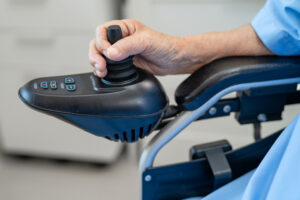
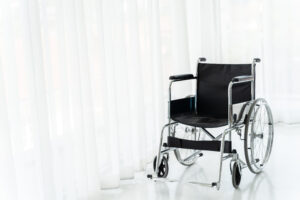
- Manual wheelchairs and power wheelchairs
- Power mobility devices and scooters
- Custom seating systems and positioning supports
- Walkers and rollators
- Canes and crutches
- Lift chairs and patient lifts
For individuals with conditions like cerebral palsy, muscular dystrophy, multiple sclerosis, ALS, or spinal cord injuries, Complex Rehabilitation equipment can be life-changing. Our on-site Assistive Technology Professional (ATP) works with your care team to configure power mobility devices, custom seating, standing devices, and gait trainers so they’re tailored to your needs. That includes careful evaluation, feature matching, fitting, adjustments, and follow-up.
Therapeutic Beds and Home Care Furniture
Therapeutic medical devices also include equipment that supports safe rest and easier caregiving.
We provide:
- Hospital beds and home care beds
- Over-bed tables and bedside accessories
- Bed rails and transfer aids
These beds allow for head and foot elevation, pressure relief, and easier transfers. They can help prevent skin breakdown, reduce pain, and make caregiving safer for everyone involved.
Orthotics, Bracing, and Pressure Management
Sometimes the right support in the right place changes everything. Custom and off-the-shelf orthotics and bracing are key therapeutic medical devices for comfort and alignment.
We offer:
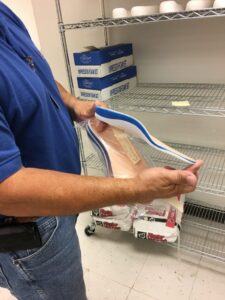
- Custom insoles and custom orthotics
- Orthopedic bracing for knees, ankles, wrists, and back
- Cranial helmets (when prescribed)
- Compression hosiery and garments
Custom foot orthotics are prescription devices made from molds or scans of your feet. They help control pronation or supination, improve alignment, absorb shock, and distribute pressure. When your feet are supported, your balance, posture, and even back and hip comfort often improve.
Bathroom Safety and Personal Care Devices

Many falls happen in the bathroom. Simple therapeutic medical devices can dramatically reduce that risk.
These include:
- Shower chairs and bath benches
- Grab bars and safety rails
- Raised toilet seats and commodes
- Basins and personal care aids
These products support dignity and independence while keeping you safer during everyday routines.
Home & Vehicle Accessibility Solutions
Beyond individual devices, we also work on home and vehicle accessibility. These solutions are therapeutic because they remove barriers between you and your daily life.
Home accessibility services include:
- Home ramps and stair ramps
- Stairlifts for straight and curved stairways
- Doorway widening and threshold modifications
- Roll-in showers, bath lifts, grab bars, and walk-in tub conversions
- Ceiling lifts in bedrooms and bathrooms
- Platform lifts and automated door openers in garages
- Lowered countertops and accessible cabinets in kitchens
We also help adapt vehicles with wheelchair lifts and carriers. Our goal is simple. We want your home and car to work for you, not against you.
Respiratory Therapy Devices That Support Breathing At Home
Respiratory care is one of the most important areas of therapeutic medical devices we provide. Breathing issues can be scary. Having the right equipment and support at home makes a huge difference.
At MacPherson’s Medical Supply, we have a Licensed Respiratory Therapist on staff. They help you understand your diagnosis, equipment, and daily routine so you feel confident using your devices.
Our respiratory and sleep therapy options include:
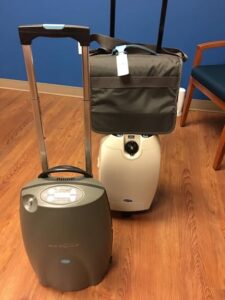
- Oxygen concentrators
- Portable oxygen concentrators for use outside the home
- Nebulizers and nebulization supplies
- Breathing therapy devices and accessories
- CPAP machines and CPAP supplies for sleep apnea
- Fingertip pulse oximeters to check oxygen levels
These respiratory therapies and oxygen services are more than equipment. They’re tools to help you stay out of the hospital, sleep better, and feel safer day and night.
We take time to show you how to:
- Set up and clean your CPAP machine and mask
- Use and maintain your oxygen concentrator or portable unit
- Run your nebulizer correctly and safely
If you ever feel unsure, you can contact our team to speak with a respiratory therapist. We’re right here in Harlingen, not a distant call center.
How To Choose The Right Device For Your Needs

Choosing therapeutic medical devices depends on your diagnosis, home layout, caregiver support, and lifestyle. Here’s how to approach it:
- Start with your healthcare provider. Your doctor or therapist will outline what DME or therapeutic device you need, from oxygen equipment to wheelchairs to custom orthotics.
- Match the device to your daily life. Consider how active you are, your home setup, and available help. A portable oxygen concentrator may suit active users better than large tanks.
- Consider comfort and independence. A power wheelchair with custom seating offers independence, while a manual chair may require caregiver assistance. Lift chairs make standing safer.
- Think ahead about accessibility. Home ramps, grab bars, and stairlifts prevent falls before they happen.
- Lean on local expertise. Explore our full range of services at https://macmedsupply.com/services/ to see how we combine medical supply knowledge with hands-on support.
Not sure where to begin? Visit our store or call us—we’ll demonstrate devices and explain your options.
Working With A Local Durable Medical Equipment Provider
A good durable medical equipment partner supports you before, during, and after you take a device home. As a family-owned company with over 80 years serving the Rio Grande Valley, we:
- Review your prescription and discuss your goals
- Recommend options within your budget and clarify insurance coverage
- Deliver and set up equipment in your home
- Provide hands-on training for you and caregivers
We also handle equipment repair for wheelchairs, scooters, patient lifts, walkers, and more. Learn about our story at MacPherson’s Medical Supply at https://macmedsupply.com/about/, or visit our local store at https://macmedsupply.com/store/ to try equipment in person.
Safety, Insurance, And Maintenance For Home Medical Equipment
Therapeutic medical devices only work well when they’re safe, properly maintained, and correctly fitted.
Safety and Training
We show you how to safely use wheelchairs, beds, lifts, orthotics, CPAP machines, and respiratory equipment. We also address fall risks and safe transfers.
Insurance and Coverage
Many DME items may be covered by Medicare, Medicaid, or private insurance when medically necessary, including hospital beds, wheelchairs, CPAP machines, oxygen equipment, and certain bracing. Our team helps you understand documentation requirements and guides you through the process.
Ongoing Maintenance and Repairs
We offer parts, maintenance, battery replacement, adjustments, and repairs for wheelchairs, scooters, power mobility devices, lifts, and beds. Keeping your durable medical equipment in top condition helps you stay independent and avoid unnecessary hospital visits.
Conclusion
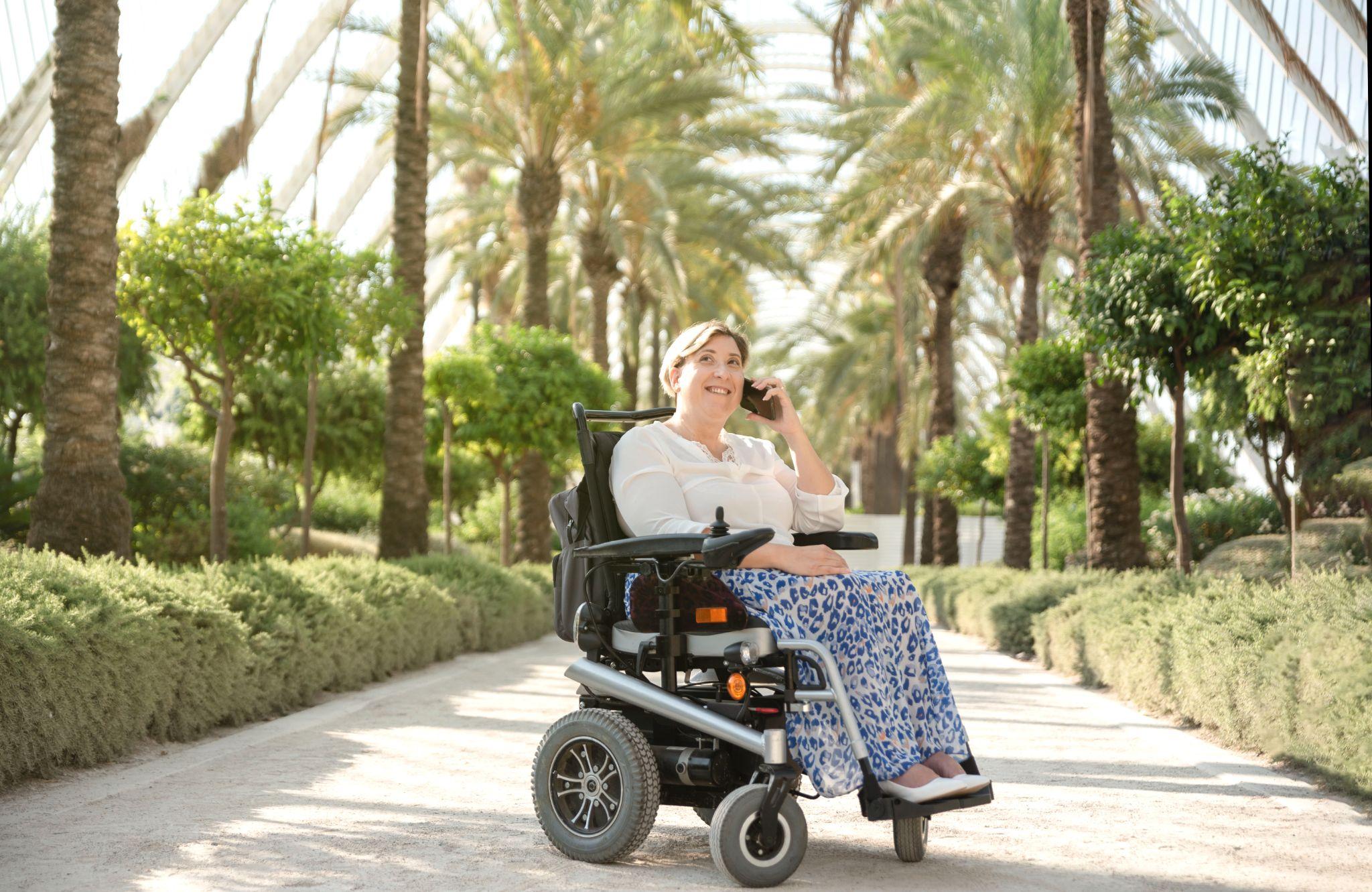
How Therapeutic Devices Help You Stay Safe, Comfortable, And Independent
When you look around a home filled with therapeutic medical devices, it can feel like a lot of equipment. But each item plays a simple role. It helps you move with less pain, breathe with more ease, and live with more confidence.
A properly fitted wheelchair or walker gives you freedom. A well-adjusted bed supports healing sleep. Oxygen therapy and CPAP machines help you stay active during the day and rest better at night. Custom orthotics and bracing reduce strain so you can keep doing the things you love.
At MacPherson’s Medical Supply, we’re not just here to deliver products. We’re here to listen, to problem-solve, and to stand beside you as your needs change. If you’re ready to find the right durable medical equipment or respiratory supplies, visit our local store, check out our full range of services, or learn more about our story at MacPherson’s Medical Supply. We’re proud to be family-owned and trusted for over 80 years, serving the Rio Grande Valley with care.
Visit MacPherson’s Medical Supply at 2325 S 77 Sunshine Strip, Ste. B, Harlingen, Texas 78550. We’re open Monday through Friday from 8:00 AM to 5:00 PM. For questions, email us at admin@macmedsupply.com or call 956-412-9100.
Frequently Asked Questions About Therapeutic Medical Devices
What are therapeutic medical devices and how are they used at home?
Therapeutic medical devices are tools that treat or manage medical conditions, rather than just monitor them. At home, they include items like wheelchairs, hospital beds, CPAP machines, orthotics, and grab bars that help reduce symptoms, improve mobility and breathing, and make daily routines safer and more comfortable.
What types of therapeutic medical devices are most commonly used in home care?
Common home-care devices include manual and power wheelchairs, walkers, lift chairs, hospital beds, over-bed tables, orthotics and braces, compression garments, shower chairs, grab bars, commodes, oxygen concentrators, nebulizers, and CPAP machines. Many of these are classified as durable medical equipment (DME) because they’re made for repeated, long-term use.
How do I choose the right therapeutic medical devices for myself or a family member?
Start with your healthcare provider’s prescription and recommendations, then consider your home layout, activity level, and caregiver support. A local durable medical equipment provider can help match devices to your daily routine, demonstrate options, explain insurance coverage, and adjust equipment like wheelchairs, beds, or respiratory devices for a proper fit.
Are therapeutic medical devices covered by Medicare or private insurance?
Many therapeutic medical devices, especially durable medical equipment such as hospital beds, wheelchairs, oxygen equipment, CPAP machines, and certain braces or orthotics, may be covered when deemed medically necessary. Coverage depends on your plan and documentation from your provider. A medical supply company can help you navigate authorizations and required paperwork.
How often should home medical equipment be serviced or maintained?
Maintenance frequency depends on the device and how heavily it’s used. Power wheelchairs and scooters often need regular battery checks and programming updates, while lifts and beds should be inspected for safe operation. Respiratory devices require routine cleaning and periodic replacement of filters, tubing, and masks according to manufacturer and clinician guidance.
What safety precautions should I follow when using therapeutic medical devices at home?
Ensure devices are correctly fitted and installed, keep cords and tubing away from walkways, and follow instructions for safe transfers with beds, lifts, and wheelchairs. Use grab bars and non-slip surfaces in bathrooms, clean respiratory equipment as directed, and contact your equipment provider if something feels unstable, uncomfortable, or difficult to operate.