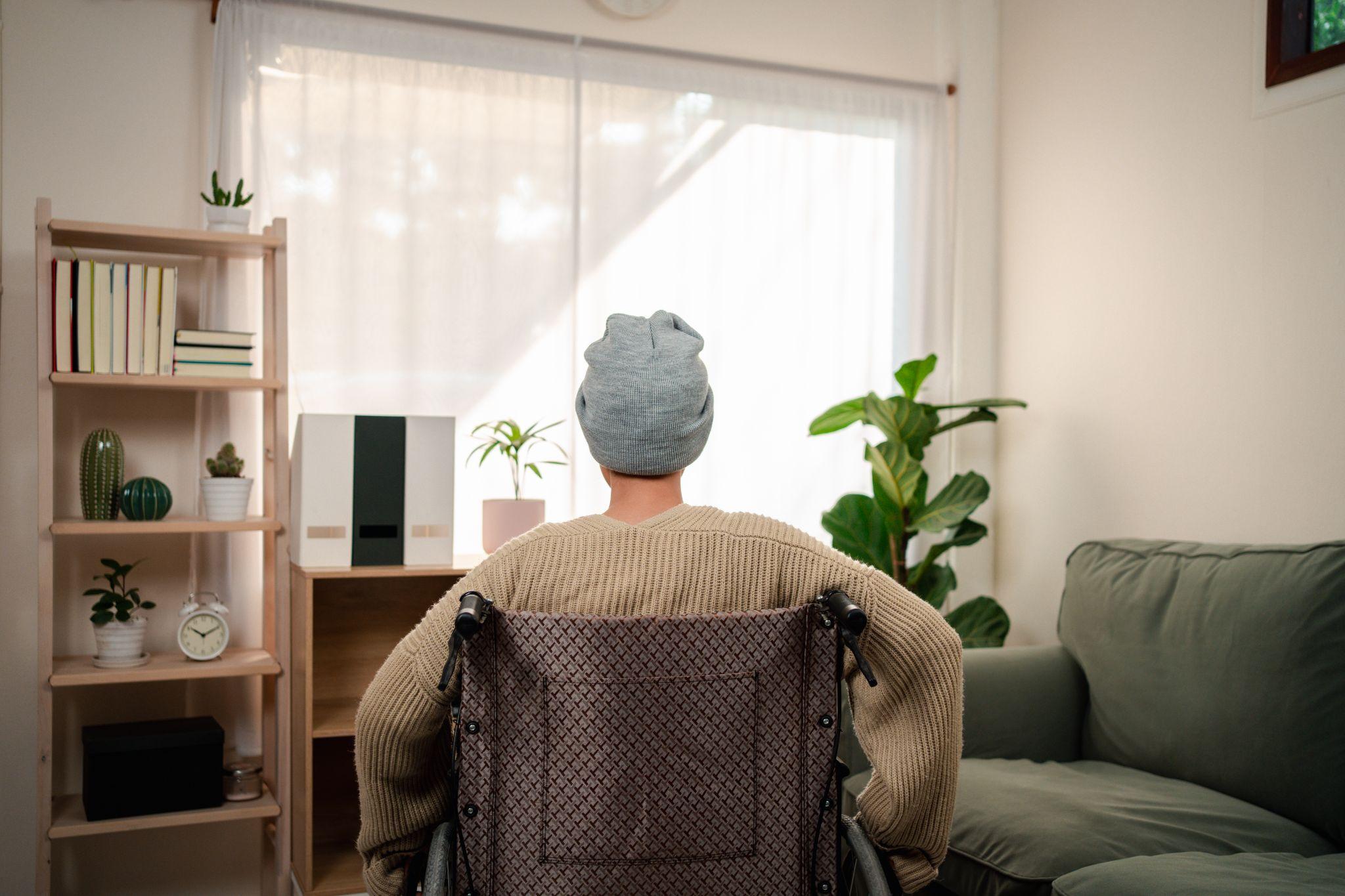
Recovering at home—whether it’s you or someone you love—becomes safer and more comfortable with the right patient care equipment. At MacPherson’s Medical Supply, we’ve spent over 80 years helping Rio Grande Valley families choose medical supply solutions that truly fit their lives.
From beds and wheelchairs to oxygen services and CPAP machines, we understand how overwhelming the options can feel. In this guide, we’ll walk you through the most important types of patient care equipment and how our family-owned team in Harlingen can support you.
Patient Care Equipment And How It Transforms Lives
When people talk about patient care equipment, they’re usually referring to durable medical equipment (DME)—items like hospital beds, wheelchairs, canes, commodes, and oxygen systems designed for repeated, long-term use.
The right DME can change someone’s life. It’s about:
- Staying safe at home instead of in a facility.
- Reducing the risk of falls and injuries.
- Making breathing, bathing, and sleeping easier.
- Lightening the load on caregivers.
Here in South Texas, many families care for aging parents or loved ones with chronic conditions at home. Good patient care equipment helps you:
- Maintain independence. A properly fitted wheelchair or walker lets you move with more confidence.
- Manage chronic conditions. Oxygen services, CPAP machines, and respiratory supplies help you stay stable and out of the hospital.
- Protect your energy. Adjustable beds, lift chairs, and personal care aids make everyday tasks less exhausting.
At MacPherson’s Medical Supply, we take time to understand your home environment, diagnosis, and goals so we can recommend solutions that truly support your daily life.
Essential Patient Care Equipment For Mobility And Safety

Mobility and fall prevention are often the first concerns families bring to us. The right patient care equipment can make the difference between a scary fall and a safe transfer.
Mobility aids
We help match equipment to how you live day to day:
- Wheelchairs (manual and power). For those needing full-time seating or with limited walking ability. We look at seat width, cushion type, and footrest style for support and comfort.
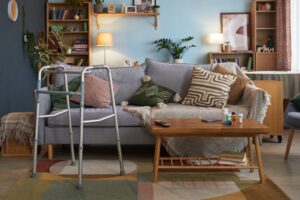
- Walkers and rollators. Ideal if you can walk but need extra balance. Rollators with seats give you a place to rest during outings.
- Canes and crutches. Simple devices that add stability when used correctly. We adjust height and hand grips for safety.
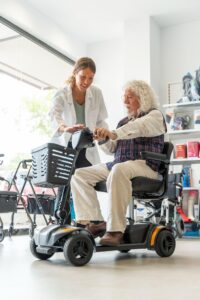
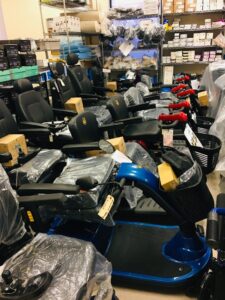
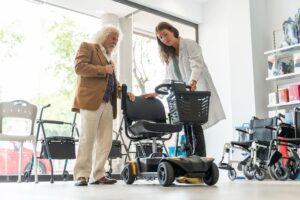
- Power mobility devices/scooters. Helpful if walking even short distances leaves you fatigued.
Transfers and positioning
Getting in and out of bed, a chair, or the bathroom is when many accidents happen. We often recommend:
- Hospital beds. Adjustable height and head/foot sections make it easier to reposition, transfer, and breathe comfortably.
- Lift chairs. These gently raise you to a near-standing position, reducing strain on knees, hips, and back.
- Patient lifts. For people needing more support during transfers, mechanical lifts protect both patient and caregiver.
Bathroom safety products
Bathrooms are one of the most common places for falls. We carry a wide range of bathroom safety products, including:
- Grab bars and handrails. Give you something solid to hold onto.
- Shower chairs and benches. Sitting while showering reduces fatigue and slip risk.
- Raised toilet seats and commodes. A higher seat makes standing easier. Bedside commodes help at night.
- Basins and personal care aids. For bed-bound patients, these help keep skin clean and healthy.
We’re your local source for durable medical equipment and reliable solutions for everyday life. Learn more about our story at MacPherson’s Medical Supply and our 80 years serving the Rio Grande Valley.
Choosing The Right Respiratory Care Equipment

Breathing should never feel like work. For customers with COPD, sleep apnea, or other lung and heart conditions, respiratory care is essential.
At MacPherson’s Medical Supply, we have a Licensed Respiratory Therapist on staff to guide you. Our respiratory services include:
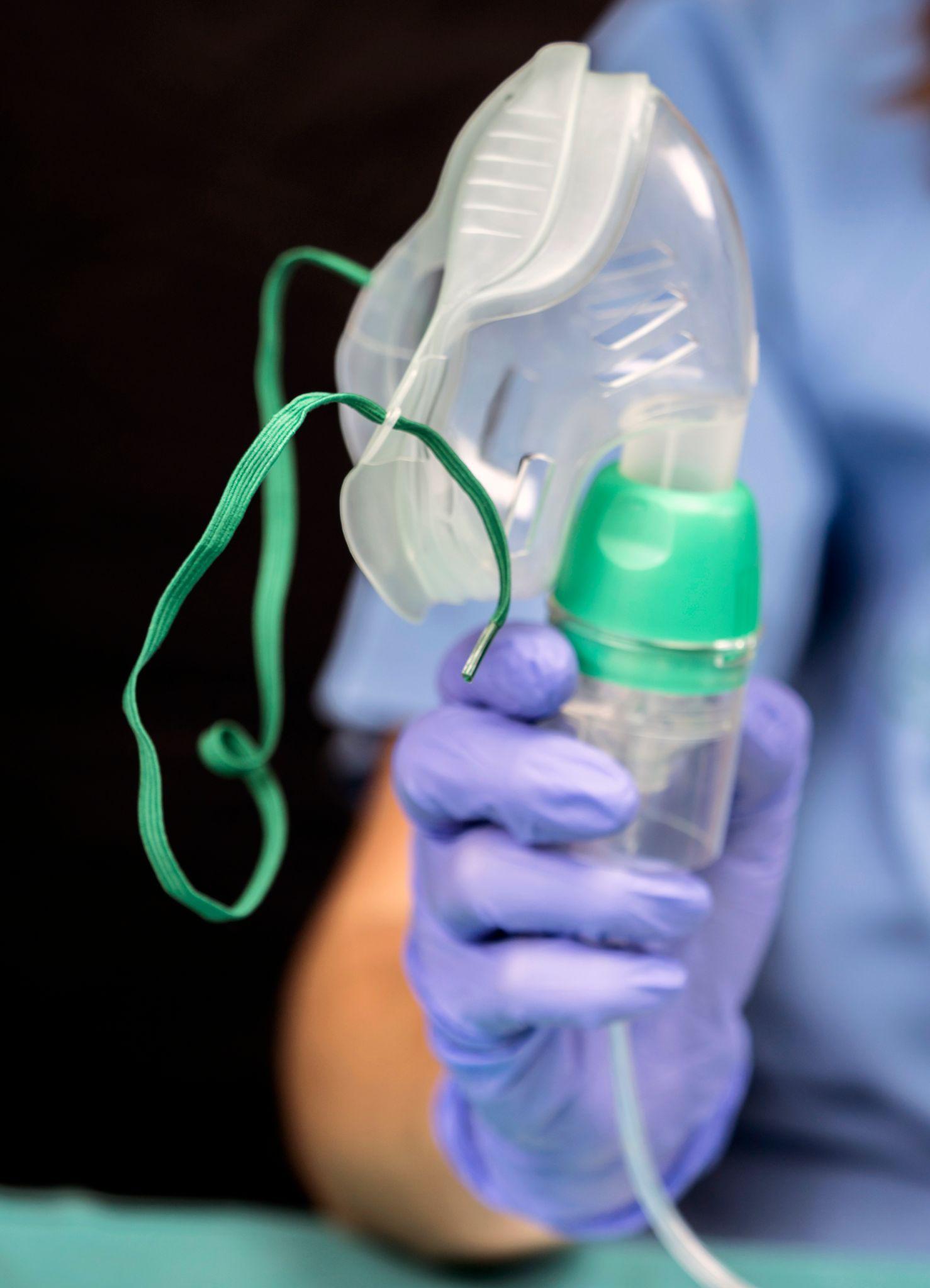
- Oxygen concentrators. These pull oxygen from the air for continuous home use.
- Portable oxygen concentrators. For trips to the store, church, or family events, portable units help you stay active.
- Nebulization supplies. Nebulizers turn liquid medication into a fine mist, especially helpful for children, seniors, and those with asthma or COPD.
- Breathing therapy devices. These support lung expansion, mucus clearance, and breathing exercises.
- CPAP machines and supplies. For sleep apnea, CPAP keeps your airway open so you wake up better rested.
- Fingertip pulse oximeters. Small devices that check your oxygen level and heart rate at home.
When helping you choose respiratory patient care equipment, we focus on your diagnosis, lifestyle, battery life needs, and ease of maintenance.
Because we’re local, we’re here when you have questions. You can see all medical supply services we offer, including oxygen services and sleep therapy support.
Comfort, Hygiene, And Daily Living Aids
Safety is important, but comfort and dignity matter just as much.
Beds, seating, and pressure relief
- Hospital beds and accessories. Adjustable frames, side rails, specialized mattresses, and overbed tables help with comfort and skin protection.
- Lift chairs and recliners. Assist with standing up and sitting down gently.
- Cushions and positioning systems. For wheelchair users, the right cushion prevents pressure sores and supports good posture.
Daily hygiene and personal care
- Basins, bathing aids, and bed baths. For those who can’t easily reach a traditional shower.
- Bathroom safety and commodes. Reduce falls and make toileting more manageable.
- Personal care aids. Reachers, dressing aids, and adaptive utensils make daily tasks easier.
Orthotics, bracing, and custom insoles
- Custom insoles and orthotics. Prescription devices made from molds or scans of your feet.
- Orthopedic bracing. For knees, ankles, wrists, and other joints needing support.
- Compression hosiery. Supports circulation and reduces swelling.
Custom orthotics can improve balance, maintain correct alignment, absorb shock, and help prevent callouses, bunions, and corns.
To browse medical supplies, see what’s in stock at our medical supply store in Harlingen.
How To Choose Reliable, Long-Lasting Patient Care Equipment
There’s a big difference between buying the cheapest item online and choosing patient care equipment that truly supports you for years.
When selecting equipment, we look at:
- Durability. Is it truly durable medical equipment designed for daily use?
- Fit and adjustability. Can it be adjusted to your specific needs? Poorly fitted equipment can increase injury risk.
- Ease of use. Will you feel confident using it every day?
- Home environment. Doorway widths, bathroom layouts, and floor surfaces in your South Texas home.
- Service and repair. Even the best equipment needs service eventually.
Our technicians provide equipment repair for wheelchairs, scooters, patient lifts, walkers, batteries, and parts. Because we’re local, we can often troubleshoot issues quickly.
As a family-owned medical supply company that has been serving the Rio Grande Valley for over 80 years, we stand behind what we provide.
Working With Local Providers For Personal Support
Choosing patient care equipment is easier with a trusted local provider. Here’s what we offer:
- In-person guidance. We listen to your needs and help you compare options.
- Trained specialists. Our Licensed Respiratory Therapist and Assistive Technology Professional (ATP) bring clinical knowledge into everyday language.
- Complex rehabilitation support. For conditions like cerebral palsy, muscular dystrophy, MS, ALS, or spinal cord injuries, we provide individually configured wheelchair systems, custom seating, standing devices, and home assessments.
- Home and vehicle accessibility solutions. Ramps, stairlifts, doorway modifications, grab bars, roll-in showers, and more.
- Ongoing follow-up. We’re here if your needs change or equipment needs adjustment.
Visit our Services page to see all medical supply services we provide across South Texas.
Conclusion

Choosing the right patient care equipment doesn’t have to be overwhelming. With the right guidance, your home can be a safe, comfortable place to heal and live well.
What To Consider Before You Buy Or Rent
- How long will you need it? For short-term recovery, renting might make more sense. For long-term conditions, purchasing is often better.
- What does your doctor recommend? Bring prescriptions or notes from your physician.
- What does your home look like? Consider doorway widths, bathroom layout, and available space.
- Who will be helping you? We’ll make sure caregivers are comfortable operating equipment.
- Budget and coverage. We can help you understand which items may be covered as DME.
Benefits Of In-Home Support And Training
When you work with us, you benefit from:
- Proper setup. We ensure beds, wheelchairs, ramps, and lifts are positioned correctly.
- Hands-on training. We show you how to adjust, clean, and operate your equipment.
- Fewer preventable injuries. Correct use of equipment reduces fall risk.
- Better long-term outcomes. When you’re comfortable with your equipment, you use it consistently.
If you’re ready to find the right durable medical equipment or respiratory supplies, visit our local store, check out our full range of services, or learn more about our story at MacPherson’s Medical Supply.
Visit MacPherson’s Medical Supply at 2325 S 77 Sunshine Strip, Ste. B, Harlingen, Texas 78550. We’re open Monday through Friday from 8:00 AM to 5:00 PM. For questions, email us at admin@macmedsupply.com or call 956-412-9100.
Patient Care Equipment FAQs
What is patient care equipment and how is it different from regular medical supplies?
Patient care equipment typically refers to durable medical equipment (DME) such as hospital beds, wheelchairs, walkers, oxygen systems, and lift chairs. Unlike disposable supplies, DME is designed for repeated, long-term use to improve safety, mobility, comfort, and independence.
How do I choose the right patient care equipment for use at home?
Start with your doctor’s recommendations, then consider how long you’ll need it, your home layout, and who will help you. A local provider can assess fit, adjustability, durability, and ease of use to match equipment to your needs.
What types of patient care equipment help prevent falls and improve mobility?
Common equipment includes walkers, rollators, canes, wheelchairs, scooters, lift chairs, hospital beds, and patient lifts. Bathroom safety items—grab bars, shower chairs, raised toilet seats, and commodes—also reduce fall risk.
What respiratory care equipment can help with COPD or sleep apnea at home?
For COPD, oxygen concentrators, portable oxygen concentrators, nebulizers, breathing therapy devices, and pulse oximeters are often recommended. For sleep apnea, CPAP machines help keep the airway open overnight.
Is it better to rent or buy patient care equipment for short-term recovery?
For short-term needs, renting is often more cost-effective. For long-term or progressive conditions, purchasing usually makes better financial sense and allows for customization.
Does insurance or Medicare cover patient care equipment at home?
Medicare, Medicaid, and many private insurers may cover medically necessary DME when prescribed by a physician. Coverage varies, so verify benefits and requirements with your insurer or DME provider before ordering.