When someone you love leaves the hospital or begins needing extra help at home, it can feel overwhelming. Suddenly, you’re facing new questions, and one of the most common is, “what medical supplies are usually needed at home?”
If that’s what brought you here, please know you’re not alone. This is a moment many families face, and it’s okay to feel unsure about where to start.
At MacPherson’s Medical Supply, we’ve spent over 80 years walking alongside families in the Rio Grande Valley during these exact moments. We understand how much you want to get things right for your loved one, and we’re here to help you create a safe, comfortable home with the right medical supply and durable medical equipment (DME). Not more than you need, and not less.
In this guide, we’ll walk through the most common home medical supplies, room by room and condition by condition, so you can feel prepared instead of overwhelmed and confident that you’re doing everything you can.
Exploring Your Unique Home Medical Supply Needs
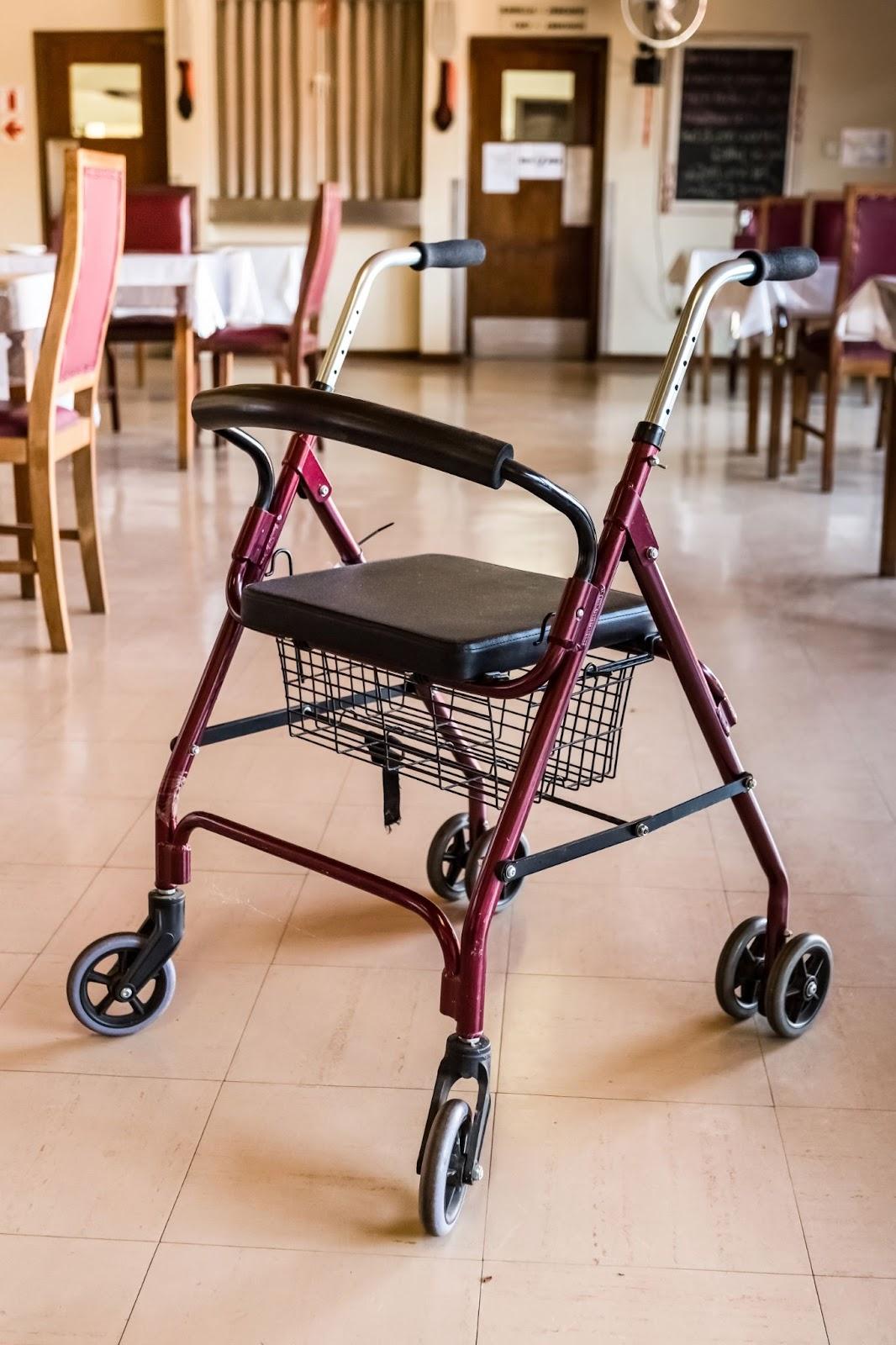
Before we make a list, we always start with a quick picture of your household—who lives there, their age, health conditions, and how easy it is to move around your space.
For most families in South Texas, the right mix includes:
- Everyday first aid and safety items
- Basic home medical supplies (like a thermometer and pill organizer)
- Condition-specific durable medical equipment such as a hospital bed, wheelchair, canes, or bathroom safety products
We also talk about your goals. Do you want to reduce falls? Make it easier for a loved one to breathe or sleep? Help someone stay independent? Once we understand your needs, we can suggest the safest, most cost-effective DME for your home.
Essential First Aid And Safety Supplies
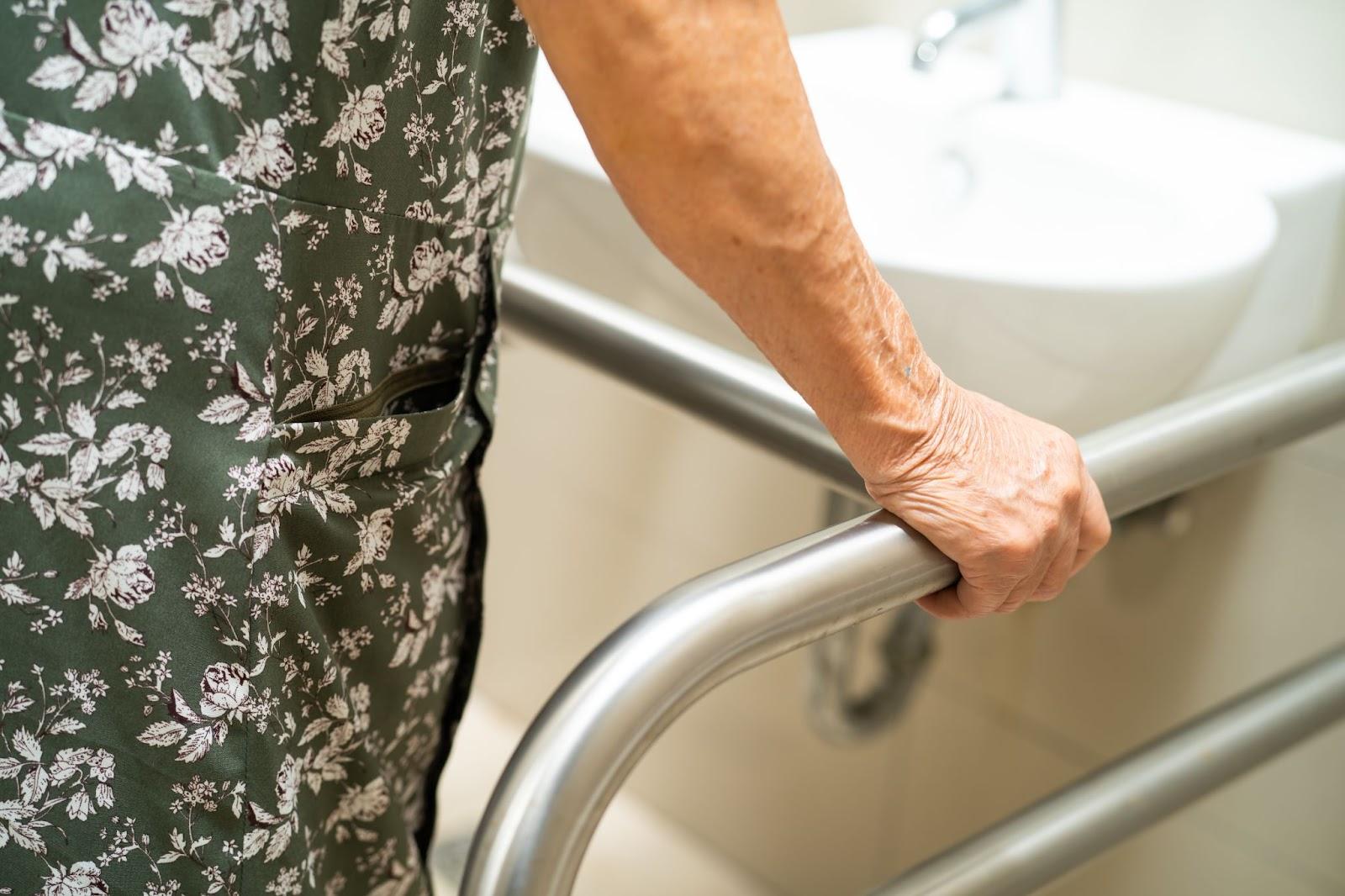
Every home should have a simple first aid and safety kit. It doesn’t have to be fancy, but it does need to be complete and easy to find.
Assessing Health Conditions And Risks
We start by looking at your family’s common issues—cuts and scrapes, falls, or allergic reactions. If someone has diabetes, poor circulation, or fragile skin, we’ll add extra wound care supplies. If falls are a concern, we’ll focus on padding, supports, and bathroom safety.
Working With Healthcare Professionals
Your doctor, nurse, or therapist may give you a discharge list after a hospital stay. Bring that list to us. We’ll explain anything that feels confusing and help you choose the most suitable brands and sizes.
Basic First Aid Kit For Every Home
At minimum, we recommend keeping:
- Adhesive bandages in several sizes
- Sterile gauze pads and rolled gauze
- Medical tape
- Antiseptic wipes and antibiotic ointment
- Elastic bandage for sprains
- Disposable gloves
- Small scissors and tweezers
- Digital thermometer
Emergency Items And When To Call 911
It’s also wise to keep an instant cold pack, CPR barrier mask, emergency blanket, and a written list of medications and allergies for each person.
Call 911 right away if someone has chest pain, trouble breathing, sudden weakness on one side, severe bleeding, or new confusion. Home medical supplies support you—they don’t replace emergency care.
Daily Living Aids And Mobility Equipment

Many people find that small changes, not just big equipment, make home life safer and easier. When considering what medical supplies are usually needed at home, daily living aids often top the list because they address the challenges people face every single day.
Mobility Devices: Canes, Walkers, And Wheelchairs
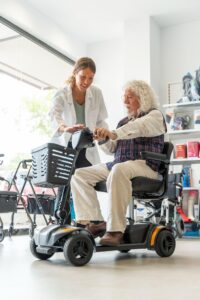
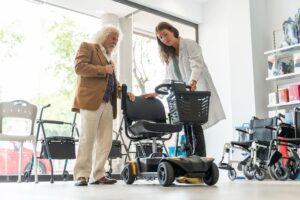
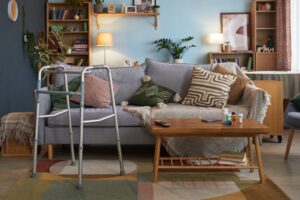
If balance or strength is an issue, a cane or walker is often the first step. Canes provide light support for minor balance concerns, while walkers offer more stability for those with greater mobility challenges. For longer distances or significant weakness, a manual wheelchair or power mobility device may be needed. At MacPherson’s, we fit canes, walkers, rollators, and wheelchairs to match your height, arm length, and daily routine.
For complex needs, our Complex Rehabilitation team can help with power wheelchairs, custom seating systems, and other advanced mobility DME. We work closely with physicians and therapists to ensure proper fit and function.
Bathroom Safety And Fall Prevention
Most falls at home happen in the bathroom due to wet, slippery surfaces and awkward movements. Simple additions can make a big difference:
- Grab bars near the toilet and in the shower
- Non-slip bath mats
- Raised toilet seats or bedside commodes
- Shower chairs or transfer benches
- Hand-held shower heads
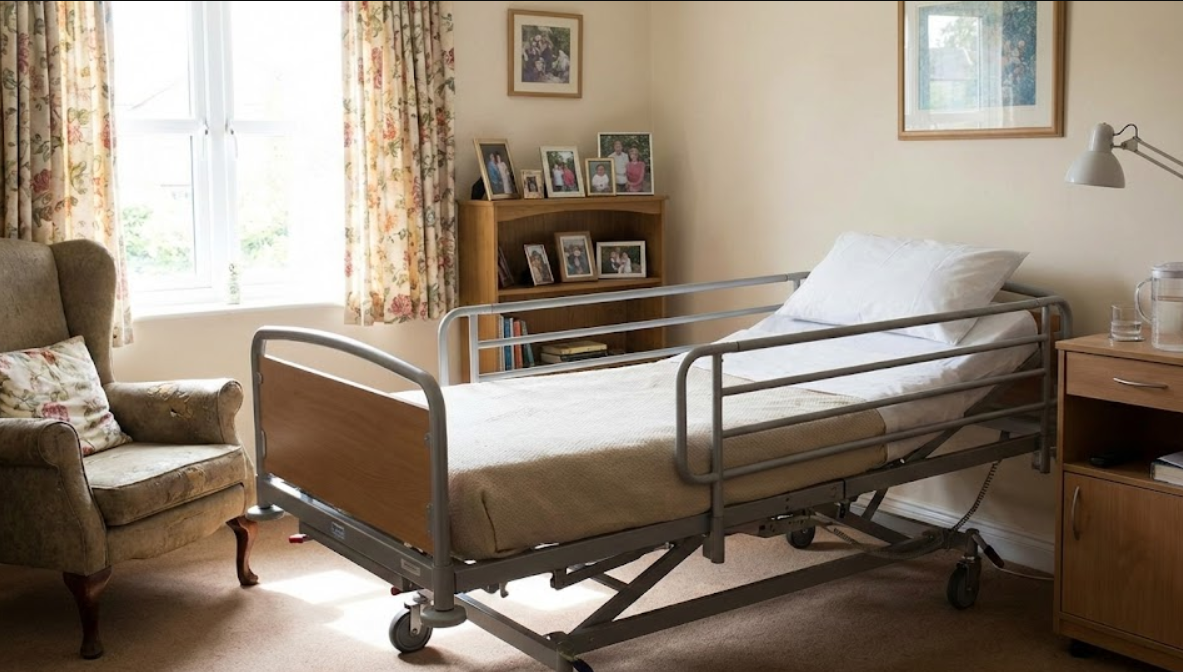
These affordable modifications can dramatically reduce fall risk and help maintain bathing independence. We also provide hospital beds and lift chairs that make it easier to stand up safely, reducing strain on caregivers and improving comfort throughout the day and night.
Adaptive Tools For Dressing, Eating, And Reaching
If arthritis, stroke, or weakness makes daily tasks harder, adaptive tools can help you stay independent longer. These simple devices reduce frustration and make routine activities manageable again:
- Reachers and grabbers for picking up items without bending
- Long-handled sponges for bathing
- Sock aids, dressing sticks, and button hooks
- Utensils and cups with easy-grip handles
- Jar openers and built-up key holders
Many of these tools are inexpensive yet make a significant difference in quality of life. We can recommend the right combination based on your specific challenges and goals.
To learn more, you can see all medical supply services.
Chronic Condition And Monitoring Supplies
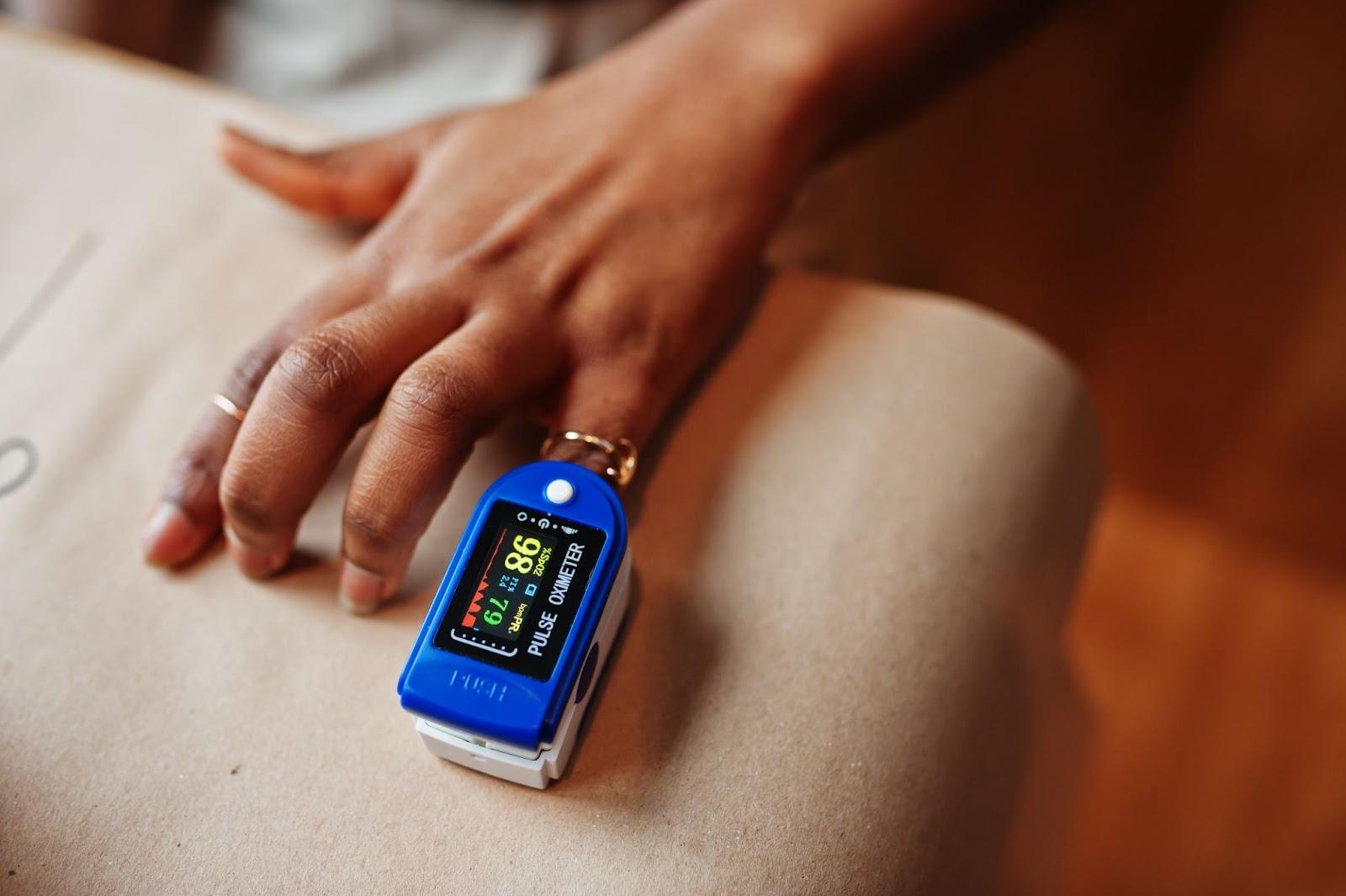
If you or a loved one lives with a chronic condition, home monitoring tools can give you peace of mind and help your doctor make better decisions.
Vital Sign Monitoring At Home
Two of the most helpful items are a digital thermometer and a blood pressure monitor. For some people, a fingertip pulse oximeter is also recommended to check oxygen levels.
Supplies For Diabetes And Heart Conditions
For diabetes, you’ll usually need a glucometer, test strips, lancets, alcohol swabs, and a sharps container. Heart patients may need a home scale to track fluid changes and a blood pressure log their doctor can review.
Medication Management Tools
Missed doses are one of the most common home safety problems. We recommend weekly or monthly pill organizers, a written medication list and schedule, and easy-to-read labels.
Wound Care, Incontinence, And Skin Protection
When someone spends more time in bed or in a chair, skin care becomes just as important as mobility.
Basic Wound Care Supplies
Beyond your first-aid kit, many homes benefit from extra sterile gauze and non-stick pads, medical tape in sensitive-skin options, saline or wound wash, and barrier creams.
Pressure Relief And Skin Protection
For anyone who sits or lies down for long periods, we often recommend pressure-relieving cushions, special mattress overlays or hospital beds with adjustable positions, heel protectors, and positioning pillows.
Respiratory, Circulation, And Comfort Equipment
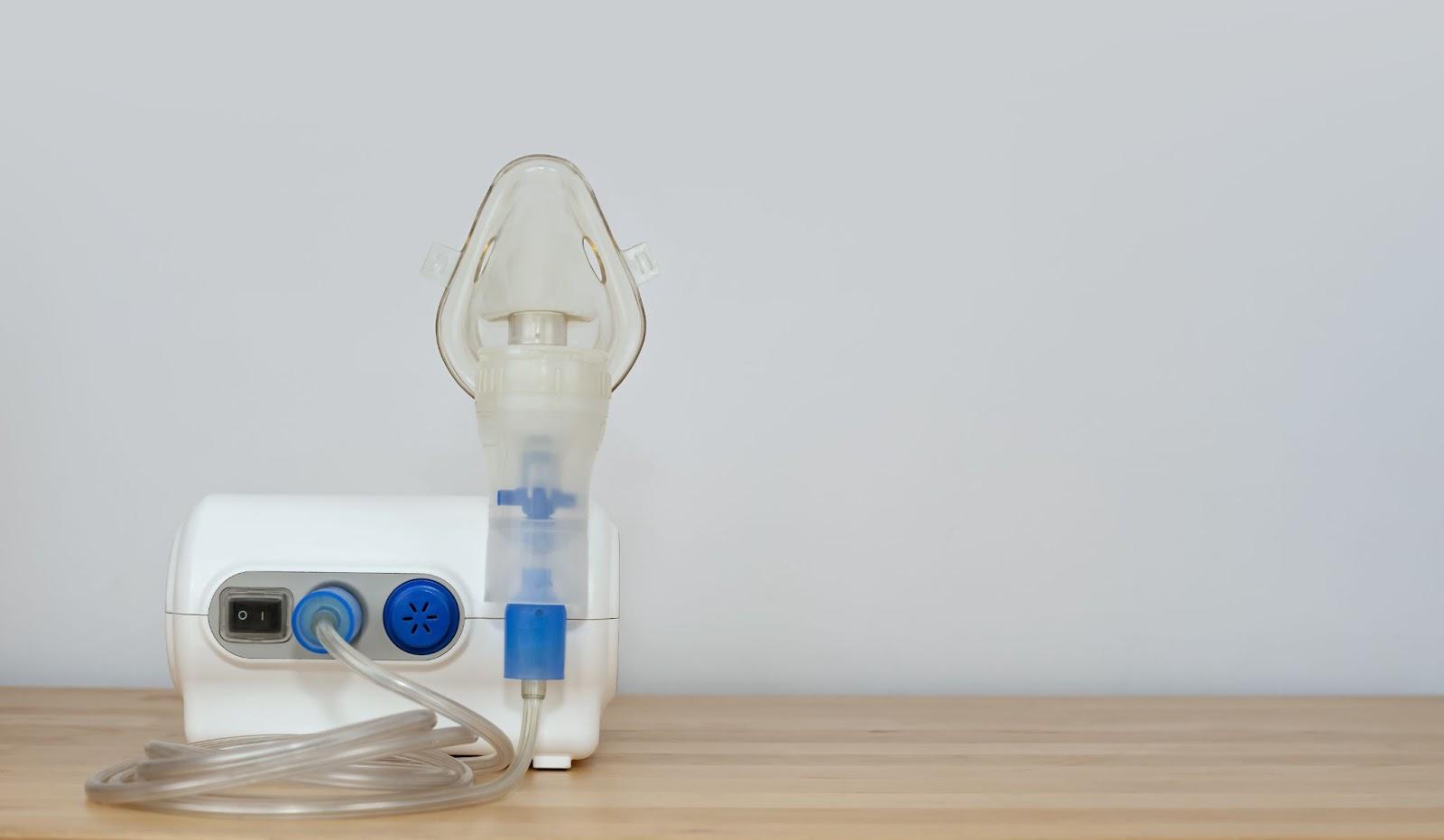
In the Rio Grande Valley, we care for many neighbors with asthma, COPD, sleep apnea, and circulation problems.
Oxygen, Nebulizers, And Breathing Supports
Our respiratory supplies include oxygen concentrators, portable oxygen concentrators, nebulizers, CPAP machines and supplies, and fingertip pulse oximeters. A Licensed Respiratory Therapist is on staff to answer questions and provide education.
Circulation And Compression Supports
For swelling, vein issues, or lymphedema, we offer compression hosiery, lymphedema pumps, and specialized wraps. We’ll help you get the correct size and compression level.
Positioning Aids, Braces, And Support Cushions
This may include support cushions and wedges, orthopedic bracing, and custom orthotics and insoles to improve foot alignment and balance.
How To Store, Organize, And Reorder Home Medical Supplies
Having the right supplies is one step. Keeping them organized is just as important.
Safe Storage And Expiration Checks
Keep most supplies in a cool, dry place out of reach of children. Use clear bins or labeled drawers. Set a reminder twice a year to check expiration dates and replace anything outdated or damaged.
Creating A Simple Home Supply Checklist
We help families create customized checklists including everyday first-aid items, condition-specific DME, respiratory supplies, and incontinence products. Keep this list on the fridge and highlight what needs refilling.
For a closer look at what we carry, you can visit our local store page.
Conclusion
Home should feel safe, comfortable, and well-prepared, and if you’re constantly improvising with extra pillows, struggling to get in and out of bed, or needing two people for transfers, it’s time to stop the work-arounds and invest in the right durable medical equipment! Hospital beds, lift chairs, power mobility devices, and home accessibility products make a real difference for both patients and caregivers. Visit MacPherson’s Medical Supply at 2325 S 77 Sunshine Strip, Ste. B, Harlingen, Texas 78550, Monday through Friday from 8:00 AM to 5:00 PM, call us at 956-412-9100, email admin@macmedsupply.com, or read our story to see why local families trust us with their care!
Frequently Asked Questions
What medical supplies are usually needed at home for basic care?
Most homes benefit from a stocked first aid kit, simple emergency items, basic daily aids, and condition-specific equipment like a cane, walker, bathroom grab bars, or a pill organizer, depending on each person’s health needs.
How do I decide what medical supplies are needed at home after a hospital stay?
Start with the discharge list from your healthcare team. Review it with a trusted medical supply provider who can explain each item and recommend additional safety equipment to match your home layout.
What home medical supplies help prevent falls and make the bathroom safer?
Common bathroom safety supplies include grab bars, non-slip bath mats, raised toilet seats, shower chairs or transfer benches, and hand-held shower heads.
What medical supplies are usually needed at home for chronic conditions like diabetes or heart disease?
For diabetes, you typically need a glucometer, test strips, lancets, alcohol swabs, and a sharps container. Heart patients often benefit from a blood pressure monitor, thermometer, scale, and a written log for their doctor.
How should I store and organize home medical supplies so I don’t run out?
Keep home medical supplies in a cool, dry place using clear bins or labeled drawers. Create a simple checklist, post it near your cabinet, and check expirations twice a year.