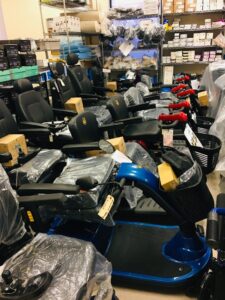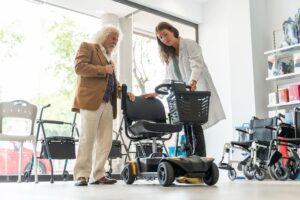
When walking becomes painful, exhausting, or unsafe, mobility scooters can give you back the freedom to move. At MacPherson’s Medical Supply, we see every day how the right battery powered mobility aid helps our neighbors in the Rio Grande Valley stay active at home and in the community.
As a family-owned medical supply company serving South Texas for over 80 years, we know choosing the right durable medical equipment (DME) can feel overwhelming. There are many models, features, and insurance rules to sort through.
In this guide, we’ll walk you through what mobility scooters are, who they’re for, how to choose the safest option for your needs, and how our local team in Harlingen can support you with equipment selection, repairs, and home accessibility solutions.
What Is A Mobility Scooter And Who Is It For?
A mobility scooter is a battery powered mobility aid with a seat, handlebars or tiller, and a powered base. Unlike manual wheelchairs, mobility scooters are designed for people with sitting balance who struggle to walk long distances due to pain, fatigue, or shortness of breath.
We recommend mobility scooters or other power mobility devices for people who:
- Have arthritis, back pain, or joint replacements that limit walking
- Live with lung or heart conditions
- Feel unsteady and worry about falling
- Have conditions like MS, neuropathy, or muscle weakness
A scooter is especially helpful as an electric scooter for elderly use at home, in stores, or around the neighborhood.
Key Benefits Of Using A Mobility Scooter At Home And In The Community
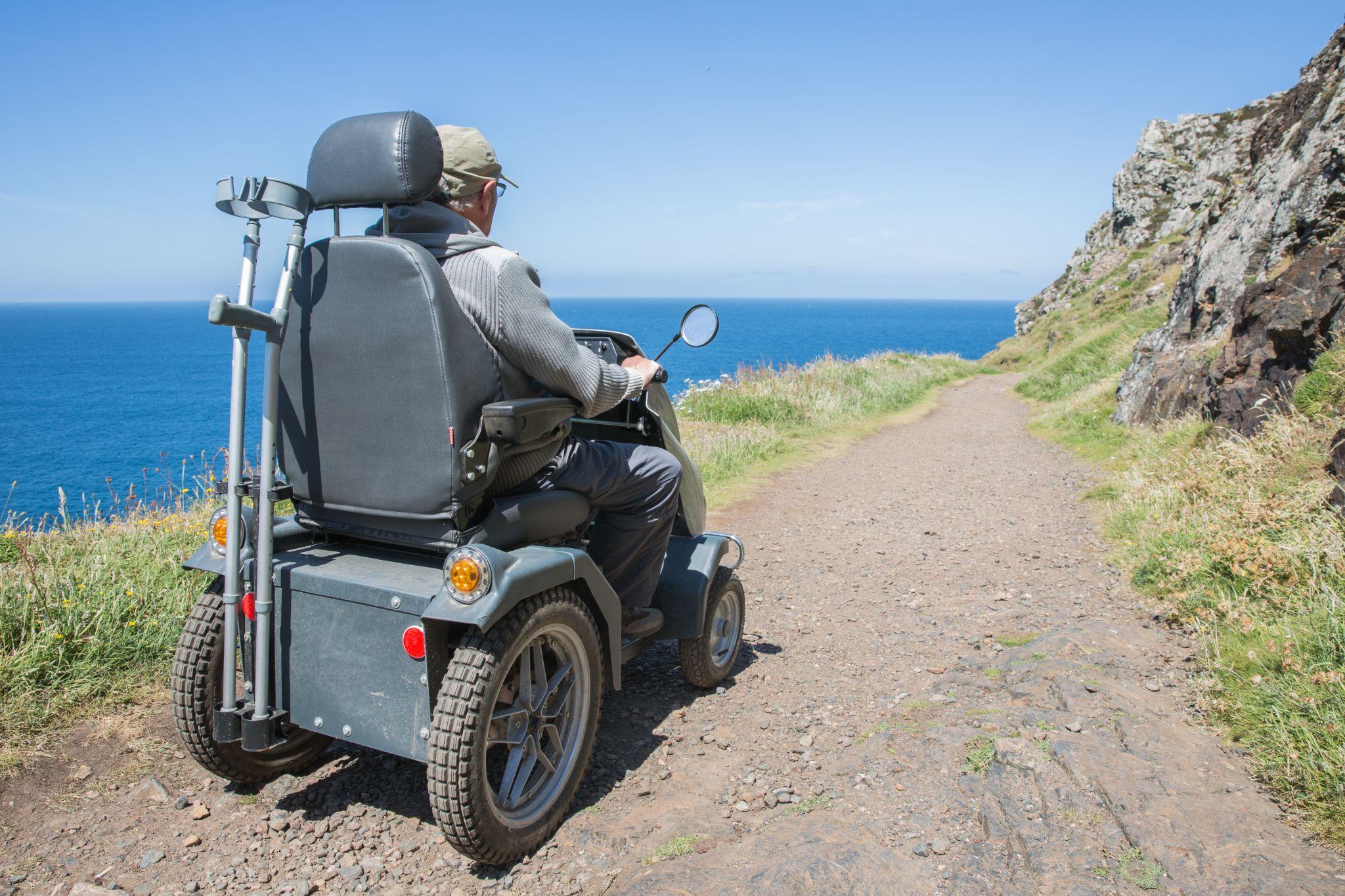
The biggest benefit is independence. Advantages our Rio Grande Valley customers share include:
- Less pain and fatigue on hips, knees, and back
- Fewer falls compared to using a cane or walker
- Ability to run errands and attend appointments independently
- More time with family at outings and events
- Improved mood and confidence
Because we also provide beds, wheelchairs, canes, commodes, and basins, we ensure your scooter fits into a complete safety plan.
Types Of Mobility Scooters: Which Style Fits Your Life?
Choosing the wrong scooter style can leave you frustrated or unsafe. Here are the main categories:
Compact / Portable Scooters
Lightweight scooters that break down into pieces for easy car transport. Best for shopping, appointments, travel, and limited storage spaces. Trade-off: shorter battery range and smaller seat.
Mid-Size Scooters
More comfortable seats, better suspension, and longer range. Ideal for daily use around home and neighborhood with added stability and weight capacity.
Heavy-Duty / Outdoor Scooters
Built with larger tires, stronger frames, and higher weight capacities for rougher terrain, larger individuals, and extensive outdoor use.
When you visit our store, we’ll assess your height, weight, home layout, and daily travel needs. Because we also specialize in home ramps, stair ramps, and home modifications, we can recommend a scooter that works with your entrances and doorways.
Essential Features To Consider Before You Buy Or Rent
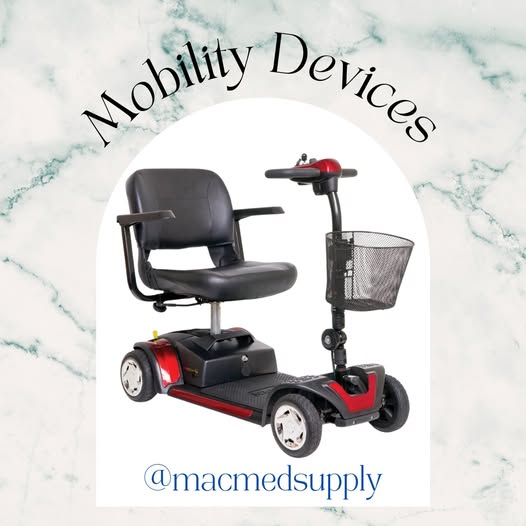
Mobility scooters come with many options. Here are the key features that matter most for your safety and comfort:
1. Seat Comfort and Support
Look for a padded, adjustable seat with armrests. For back pain or positioning needs, a power wheelchair with custom seating may be a better durable medical equipment option.
2. Weight Capacity
Choose a scooter that safely supports your weight plus any items you carry. This protects the motor, extends battery life, and keeps you stable.
3. Battery Range
Consider your typical day. A battery powered mobility aid that frequently runs low quickly becomes frustrating. Range varies by model, and indoor-only use requires less than regular trips to the store.
4. Turning Radius and Size
Narrow hallways or small bathrooms? A compact scooter with a tight turning radius works better. We can help measure doorways and discuss home accessibility solutions.
5. Controls and Ease of Use
Controls should be simple, clearly labeled, and comfortable. For arthritis or weak grip strength, we’ll show you different tiller styles and settings.
6. Safety Features
Look for:
- Anti-tip wheels
- Good lighting for dusk use
- Non-slip foot platform
- Reliable brakes
Ready to explore options? Visit our local store in Harlingen or see what’s in stock. Our team will walk you through models and answer your questions.
Safety Tips And Home Setup For Everyday Scooter Use
A safe scooter starts with a safe home setup.
Because we also provide home & vehicle accessibility services in the Rio Grande Valley, we look at your whole environment, not just the scooter itself.
Here are some simple steps we often recommend:
- Clear the pathways. Remove loose rugs, clutter, and low tables from the routes you use most.
- Check thresholds and doorways. Small ramps or doorway modifications can make it much easier to move between rooms.
- Think about bathroom safety. Grab bars, bath seats, and other bathroom safety products help you transfer on and off your scooter more safely.
- Use your scooter properly. Don’t lean far forward or to the side, especially on ramps or uneven ground.
- Practice turns and backing up. We’ll show you how to safely maneuver before you leave the store.
For some homes, we may suggest home ramps, stairlifts, or platform lifts to create a fully accessible entry. Our goal is to keep you safe and keep your mobility equipment in good use for as long as possible.
Costs, Insurance Coverage, And Getting A Prescription
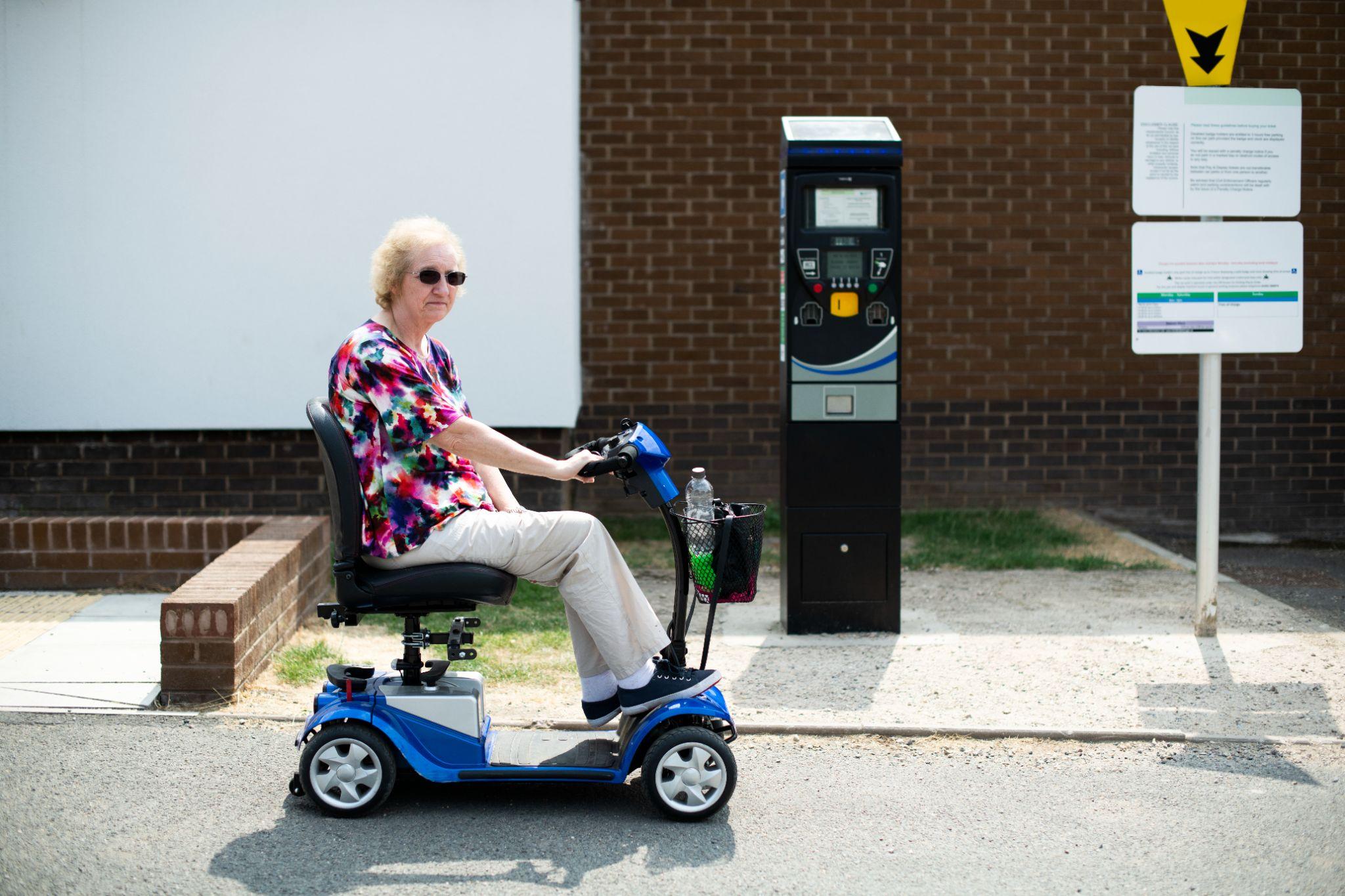
Cost is an important part of choosing any medical supply or DME.
Prices for mobility scooters vary depending on size, features, and weight capacity. Some people pay out of pocket. Others qualify for coverage through Medicare, Medicaid, or private insurance.
In many cases, insurance may help if:
- Your doctor documents that walking is unsafe or too difficult
- You need the scooter for use inside your home, not only for community trips
- You’ve tried simpler devices, like a cane, crutches, or walker, and they’re not enough
We always recommend talking with your physician or therapist about whether a scooter is medically necessary.
Our team can help explain common coverage requirements and work with your provider on the paperwork for power mobility devices, CPAP machines, oxygen services, and more.
To learn more about how we support patients and families, you can read our story at MacPherson’s Medical Supply or explore our full range of services, including complex rehabilitation and respiratory care.
Maintenance, Troubleshooting, And When To Replace Your Scooter
Once you have the right scooter, proper care keeps it safe and reliable.
Routine Care You Can Do At Home
- Charge the batteries as directed and avoid letting them fully drain often.
- Keep tires properly inflated and check for wear.
- Wipe down the seat and controls to remove dust and moisture.
- Listen for new noises or rattles that weren’t there before.
When To Call For Service
Contact us if you notice:
- Sudden loss of power or much shorter battery life
- Difficulty turning, braking, or steering
- Damage after a bump, fall, or transport
Signs It May Be Time To Replace
We may recommend replacement instead of repair if:
- The frame is cracked or badly rusted
- Repairs are becoming frequent and costly
- Your health has changed and you now need more support than a scooter can give
Because we also specialize in complex rehabilitation and custom power wheelchairs, we can help you transition from a scooter to a more advanced mobility system if your needs change.
Conclusion
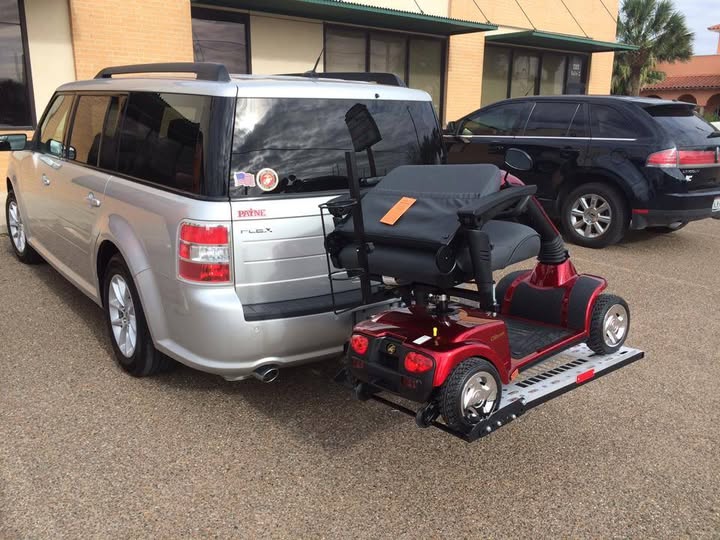
Mobility scooters can be life-changing when chosen and set up correctly. As a family-owned medical supply company serving the Rio Grande Valley for over 80 years, we make the process easier and more personal.
Before deciding, consider whether your condition may change, where you’ll use the scooter most, and what activities you want to enjoy. We’ll help you find the right fit, whether that’s a compact scooter, heavy-duty model, or even a power wheelchair.
As your needs evolve, we’re here to adjust your equipment or explore home modifications and complex rehab options.
Visit MacPherson’s Medical Supply at 2325 S 77 Sunshine Strip, Ste. B, Harlingen, Texas 78550, or call 956-412-9100.
Mobility Scooter FAQs
What is a mobility scooter and who is it best suited for?
A mobility scooter is a battery-powered device with a seat, handlebars, and motorized base. It’s ideal for people with sitting balance and arm strength who struggle to walk long distances due to pain, fatigue, or medical conditions.
What are the main benefits of using mobility scooters at home and in the community?
Mobility scooters increase independence, reduce pain and fatigue, and lower fall risk. They help users resume errands, attend appointments, and join social activities, often boosting mood and quality of life.
How do I choose the right type of mobility scooter for my needs?
Consider where you’ll use it most. Compact models suit travel and tight spaces, mid-size scooters handle daily neighborhood use, and heavy-duty models work for rough terrain or higher weight needs. Also check seat comfort, weight capacity, battery range, and turning radius.
Does insurance or Medicare cover mobility scooters?
Medicare, Medicaid, or private insurance may cover mobility scooters if medically necessary for home use. Your doctor must document that walking is unsafe and simpler aids aren’t enough. Confirm coverage with your provider beforehand.
How long do mobility scooter batteries last and how can I extend their life?
Most batteries last 12 to 24 months. To extend life, charge as directed, avoid fully draining batteries, store in moderate temperatures, and replace batteries if range drops suddenly.
Can I take a mobility scooter on an airplane or other public transportation?
Many airlines, buses, and trains allow scooters, but rules vary. Notify the carrier in advance, ensure the battery type is approved, and check size and weight limits. Arrive early for boarding assistance.