Introduction
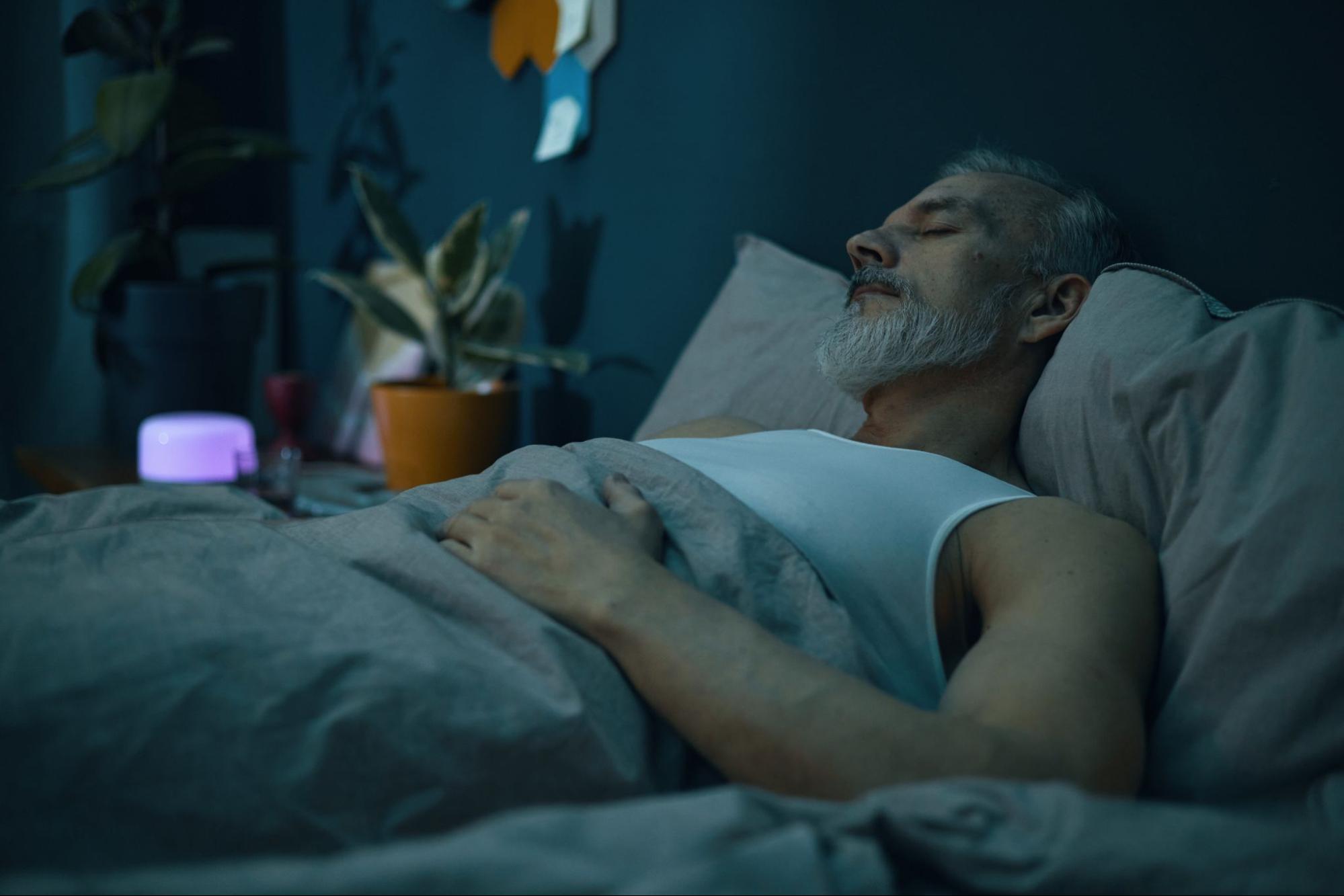
If you’ve been diagnosed with obstructive sleep apnea, you’re not alone. At MacPherson’s Medical Supply, we’ve helped families across the Rio Grande Valley sleep better for more than 80 years. Our mission is to pair trusted technology with caring local support, so you can rest easier and stay consistent with therapy. One of the most effective modern options we recommend is Automatic CPAP (APAP), a therapy that adjusts to your needs each night for more natural and comfortable sleep.
What APAP Is And How It Works
What Automatic CPAP (APAP) Is and How It Works
Automatic CPAP (APAP), or Auto-Adjusting Positive Airway Pressure, is a smart form of sleep apnea therapy. Unlike traditional CPAP, which holds one fixed pressure all night, APAP continuously adapts based on your breathing. Sensors inside the device monitor airflow and gently raise or lower pressure within a prescribed range to keep your airway open and stable.
This flexibility matters because your pressure needs can change with body position, sleep stage, or even seasonal allergies. Whether you sleep on your back or side, or experience nasal congestion, APAP adjusts in real time to maintain comfort and prevent interruptions in your breathing.
For more background, the American Academy of Sleep Medicine and MedlinePlus both provide excellent overviews of PAP therapies and their benefits.
Benefits of Automatic CPAP (APAP) Therapy
The biggest advantage of Automatic CPAP (APAP) therapy is comfort. Because it adapts pressure as you breathe, most users experience fewer awakenings and easier nights. Many also notice reduced dryness, less mask leakage, and better long-term results. With guidance from our respiratory therapist at MacPherson’s Medical Supply, patients across the Rio Grande Valley find APAP therapy easier to maintain and more effective over time.
APAP vs. CPAP and BiPAP: Understanding the Differences
Choosing between CPAP, APAP, and BiPAP depends on your comfort and your sleep specialist’s guidance. CPAP delivers one constant pressure throughout the night. BiPAP offers two pressures, one for inhaling and another for exhaling and is typically prescribed for higher pressure needs or specific respiratory or neuromuscular conditions.
Automatic CPAP (APAP) sits in the middle. It automatically adapts pressure breath by breath, which makes it more comfortable for many users and helps them stay consistent with treatment. For most adults with obstructive sleep apnea, APAP provides the same effectiveness as CPAP with greater comfort and fewer awakenings.
Who Should Use APAP

Most adults with obstructive sleep apnea are good candidates for APAP, especially if their pressure needs to vary during the night or if they’ve struggled with the fixed feel of standard CPAP.
However, APAP may not be suitable for central or complex sleep apnea, certain heart or lung conditions, or specific neuromuscular disorders. In these cases, your physician may recommend BiPAP or another specialized device.
At MacPherson’s Medical Supply, our licensed respiratory therapist can review your sleep study, discuss your options, and set up your equipment and mask for a perfect fit. Learn more about our story and trusted local care on our About page.
Setup and Comfort Tips
Getting started with APAP is simple with local guidance. We help you program your prescribed pressure range, set up the ramp feature that gently increases pressure as you fall asleep, and use humidification to reduce dryness or morning congestion.
Mask fit is key to comfort. Whether nasal, pillow, or full-face, we size and test it on-site to ensure a proper seal. A quick daily wipe and weekly wash of your mask and tubing keep therapy clean and effective.
If you tend to mouth-breathe, a full-face mask or chin strap can help. Adjusting humidity one step at a time and keeping straps snug but never tight can also prevent leaks.
To explore available masks, tubing, and supplies, visit our local store and see what’s available right here in Harlingen.
Common Challenges and Simple Fixes
Getting used to APAP can take a few nights. If you wake with dryness, increase your humidifier setting slightly. If air leaks disturb you, recheck the mask seal or try a different cushion style. Our team at MacPherson’s Medical Supply can test your setup on-site and suggest comfort adjustments to help you sleep better right away.
Data Tracking and Long-Term Success
Modern APAP devices record detailed data on your nightly usage, leaks, and breathing events. These reports help your clinician fine-tune your settings and confirm therapy compliance.
At MacPherson’s Medical Supply, we make sure your device is set up properly and provide regular check-ins to keep you on track. We also remind you when to replace filters, cushions, and tubing to keep your system performing like new.
How to Get Started Locally
Starting APAP therapy is simple. Bring your prescription or sleep study to our Harlingen location, and our licensed respiratory therapist will help you choose the right machine, mask, and settings. You’ll leave confident in how to use and clean your equipment. You can also visit our store to browse masks, filters, and accessories in person.
Conclusion
Automatic CPAP (APAP) can turn restless nights into consistent, refreshing sleep. By adjusting pressure to your breathing in real time, it provides only the support you need no more, no less. Pair that with the right mask, humidification, and local support from our experienced team, and you can look forward to nights that truly restore.
If you’re ready to explore Automatic CPAP (APAP) therapy, our caring staff is here to help. Visit our Services page to see our full range of respiratory and home medical equipment, or stop by our Harlingen location to meet with a respiratory therapist.
We’re proud to serve the Rio Grande Valley with care you can trust. Visit MacPherson’s Medical Supply at 2325 S 77 Sunshine Strip, Ste. B, Harlingen, Texas 78550. We’re open Monday through Friday from 8:00 AM to 5:00 PM. For questions, email us at admin@macmedsupply.com or call 956-412-9100.
Automatic CPAP (APAP) FAQs
What is Automatic CPAP (APAP)?
Automatic CPAP (APAP) is a type of sleep apnea therapy that adjusts air pressure automatically throughout the night. It senses changes in your breathing and responds instantly, giving you just the right support to keep your airway open and your sleep uninterrupted.
How does APAP differ from CPAP or BiPAP?
CPAP delivers one steady pressure, while APAP adjusts pressure moment by moment. BiPAP offers two pressureS, one for breathing in and another for breathing out, and is often used for more complex respiratory needs. APAP is typically the most comfortable option for people with mild to moderate obstructive sleep apnea.
Who can benefit from APAP therapy?
Most adults with obstructive sleep apnea do well with APAP, especially if their pressure needs vary through the night or if they have struggled to tolerate standard CPAP. Your sleep specialist will confirm whether APAP is the best choice for your diagnosis.
What setup tips help improve comfort and results?
Start with a properly fitted mask and use heated humidification to reduce dryness or irritation. Make small adjustments to humidity or ramp time until you find your comfort zone. If you breathe through your mouth, a full-face mask or soft chin strap can improve results.
How does APAP track progress and compliance?
Modern APAP devices record sleep data, including usage hours and breathing events. These reports help your sleep physician and local respiratory therapist confirm your progress, fine-tune comfort settings, and ensure insurance compliance for continued coverage.
Where can I get local help with my device and supplies?
You can visit our local store in Harlingen to browse masks, tubing, and other supplies, or explore our full range of services for personalized respiratory support. Our team at MacPherson’s Medical Supply is here to make sleep therapy simple, effective, and comfortable.
Do I need a sleep study and prescription to start automatic CPAP (APAP)?
In the U.S., APAP is a prescription device. A sleep study, home or in-lab is typically required to diagnose sleep apnea and guide therapy. Your sleep physician determines eligibility, pressure settings, and follow-up. Avoid self-adjusting ranges without medical guidance to ensure safety, effectiveness, and proper documentation.