Introduction
If you’ve been told you need PAP therapy, you may be comparing BiPAP vs CPAP and wondering which one is right for you. At MacPherson’s Medical Supply, we’ve guided families across the Rio Grande Valley for over 80 years in finding the best fit for their breathing and sleep needs. We make the process simple, supportive, and local, so you can rest easier right here in South Texas.
How CPAP and BiPAP Work
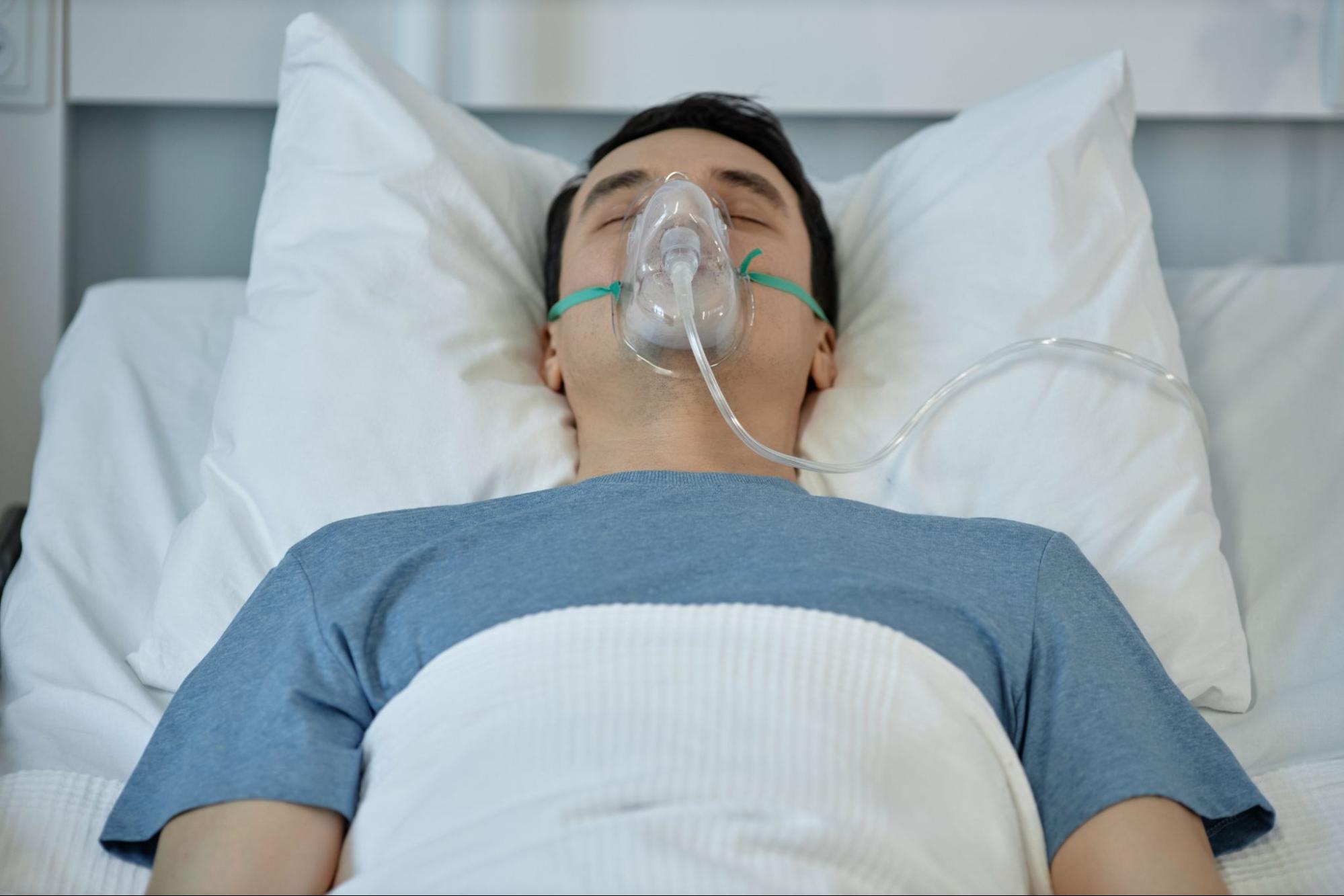
Constant Pressure (CPAP)
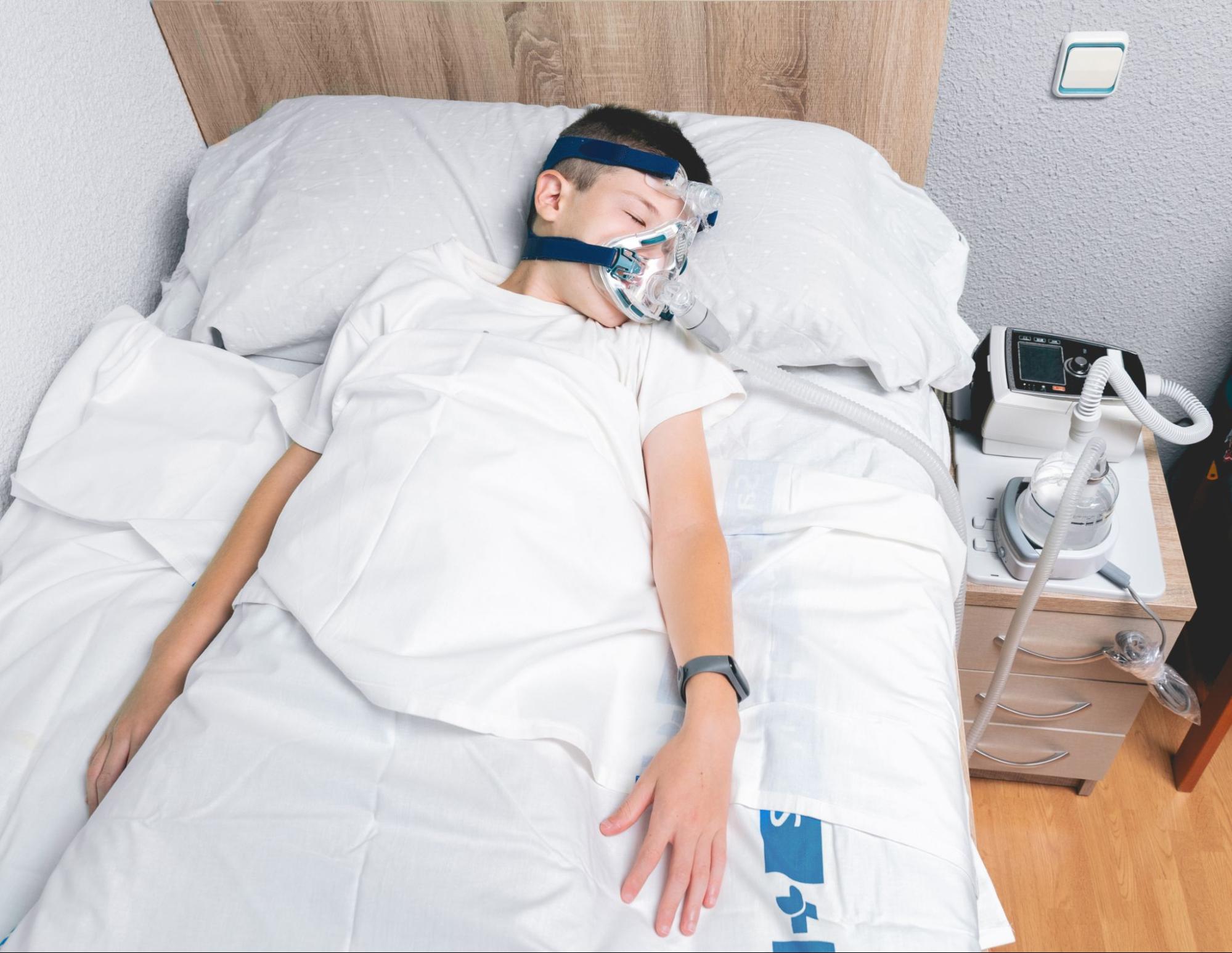
CPAP delivers a constant air pressure as you inhale and exhale, keeping your airway from collapsing during sleep. It’s the go-to therapy for many people with obstructive sleep apnea and has extensive evidence showing its effectiveness.
Two-Level Pressure (BiPAP)
BiPAP delivers two different pressures: a higher one when you breathe in and a lower one when you breathe out. That drop in exhalation pressure can make breathing feel easier for people who require higher pressures or who have lung or neuromuscular conditions. For those with central or complex sleep-apnea patterns, BiPAP provides a more tailored support.
Auto-Adjusting Variants (APAP and Auto-BiPAP)
APAP, sometimes called auto-CPAP, automatically adjusts within a prescribed range throughout the night. Auto-BiPAP does the same but manages two pressures instead of one. These modes improve comfort and minimize nightly adjustments. The American Academy of Sleep Medicine provides an excellent overview of these options.
Key Differences That Matter
Pressure Settings and Modes
The most important difference between BiPAP and CPAP is pressure control. CPAP delivers one fixed or auto-adjusting level of pressure, while BiPAP uses two levels to make exhalation easier. For those who need higher pressures, BiPAP can make breathing feel more natural. If your needs are modest, CPAP remains a simple and effective option.
Comfort and Tolerance
Comfort is another factor. Some people find it difficult to breathe out against higher CPAP pressures. BiPAP’s two-level approach can relieve that strain. Many CPAP models now include gentle exhalation relief features to improve comfort. Choosing the right mask and humidity level also plays a big role in overall satisfaction.
Noise, Size, and Travel Readiness
Modern PAP units are quiet, compact, and travel-ready. Portable CPAPs are small enough to carry easily and are approved for air travel. If you frequently travel across South Texas or beyond, a travel CPAP may suit you best, while BiPAP is typically reserved for those who need more advanced support.
Benefits, Drawbacks, and Everyday Use
Pros and Cons of CPAP
CPAP is the gold standard for obstructive sleep apnea and is generally less expensive and easier to set up. It has broad mask compatibility and strong clinical support. Some users, however, find it harder to exhale against higher pressures. BiPAP, on the other hand, offers easier exhalation at higher settings and can be more comfortable for those with conditions such as COPD or neuromuscular disorders. It does come with a higher cost and slightly more complex settings.
Side Effects and Troubleshooting Basics
Common issues with both systems include dryness, nasal congestion, and mask leaks. These can usually be managed with heated humidifiers, proper mask fit, and ramp features that start at lower pressures. The FDA advises against ozone or UV cleaners due to safety concerns, so stick with gentle soap and warm water.
Who Should Use Which and How to Decide
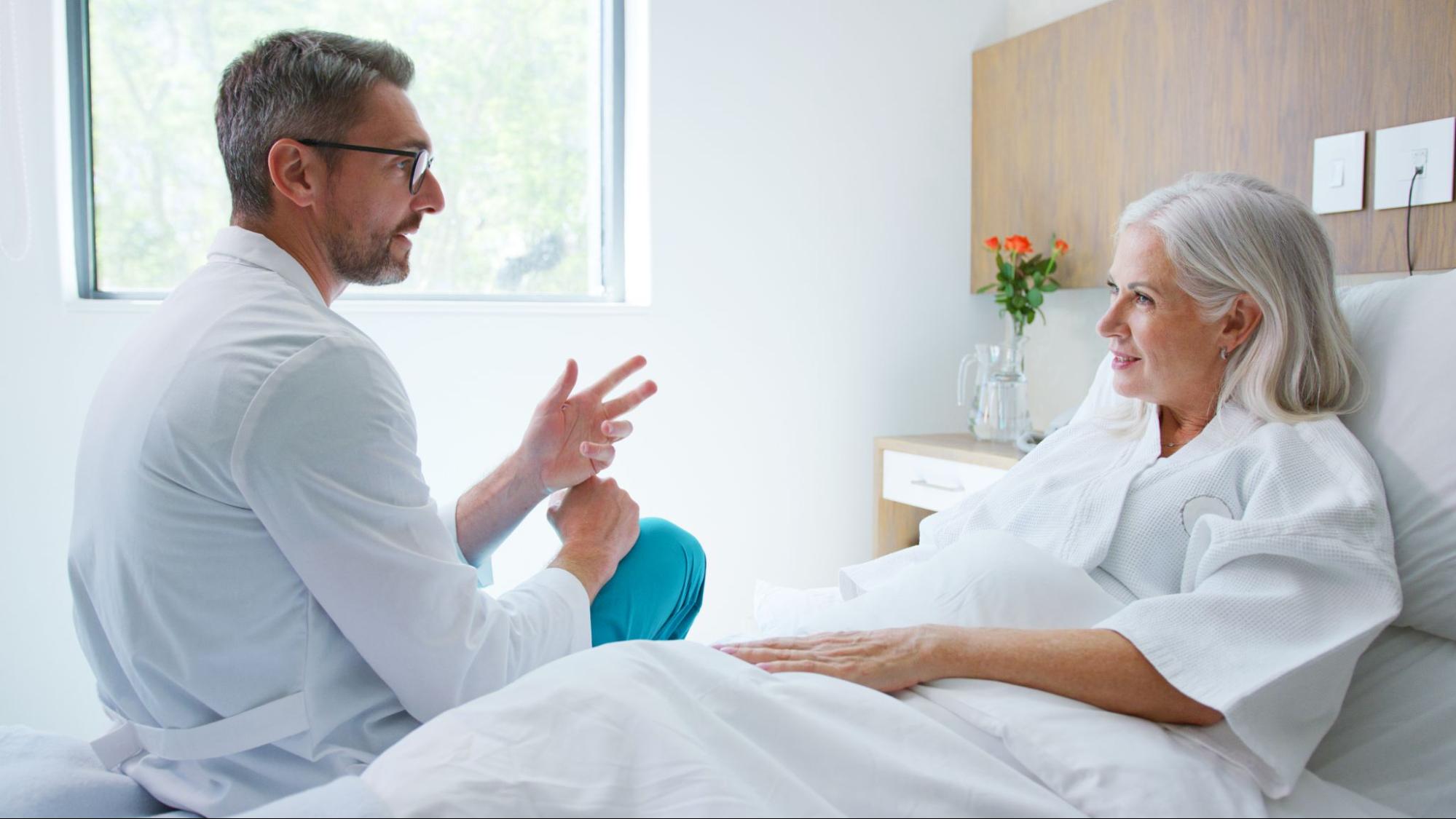
For most people with obstructive sleep apnea, CPAP or auto-CPAP is the first choice. BiPAP may be recommended for more complex sleep apnea or when high pressure settings make exhalation uncomfortable. In cases of COPD or neuromuscular weakness, BiPAP offers better ventilatory support under medical supervision.
A sleep study helps determine which therapy fits best. At MacPherson’s Medical Supply, our licensed respiratory therapist reviews your data and comfort needs. We often begin with CPAP or APAP and, if needed, transition to BiPAP for added comfort or performance. Learn more about our full range of services to see how we can support your therapy and home care needs.
Masks, Fit, and Comfort
Choosing the right mask type can transform your experience. Nasal pillow masks work well for side sleepers and lower pressures, nasal masks provide balance between comfort and seal, and full-face masks are ideal for mouth breathers or higher pressures. During fittings, we size cushions, adjust headgear, and test seals to ensure comfort in your usual sleep position.
Humidification, Ramp, and Exhalation Relief
Heated humidifiers, ramp settings, and exhalation relief functions all make PAP therapy more natural. If you experience leaks or dryness, minor adjustments and accessories can solve the problem. For hands-on help, visit our local store in Harlingen to explore mask options, supplies, and comfort accessories.
Cost, Insurance, and Maintenance
Price Ranges and Coverage
CPAP machines typically cost less than BiPAP units, and most insurance plans, including Medicare, cover PAP therapy when specific criteria are met. You can read more about Medicare coverage directly on the Medicare.gov site.
We’ll help you navigate prescriptions, documentation, and coverage. As a local DME provider, we make pickup and follow-up simple.
Compliance, Data, and Follow-Up
Most insurers require proof you’re using the device. A common benchmark is 4+ hours per night on at least 70% of nights within a set period. Your device records usage, leak, and event data, which we review with you.
Compliance and follow-up are important. Many insurance providers require proof of use, typically four hours per night for most nights of the week. Modern devices record usage data that can be reviewed with your therapist. Regular visits help fine-tune comfort and ensure your therapy remains effective. If data shows persistent events or discomfort, we adjust settings or consider BiPAP.
Cleaning, Filters, and Replacement Schedules
Cleaning and maintenance are simple. Wipe your mask cushion daily, and once a week wash your mask, tubing, and humidifier chamber with mild soap and warm water, then air-dry. Replace filters and parts as recommended by the manufacturer, and avoid ozone or UV cleaners for safety.
At MacPherson’s Medical Supply, we stock replacement cushions, headgear, filters, and tubing, along with other durable medical equipment such as wheelchairs, beds, canes, commodes, and basins making it easy to pick up everything you need in one visit.
Conclusion

The bottom line on BiPAP vs CPAP is simple: both therapies are effective when matched to your individual needs. CPAP remains the preferred choice for most people with obstructive sleep apnea, while BiPAP is ideal for those requiring higher pressures or with complex breathing patterns.
MacPherson’s Medical Supply is your trusted, family-owned source for durable medical equipment and respiratory therapy in the Rio Grande Valley. Our licensed respiratory therapist is here to help you find the right setup and support you every step of the way. Learn more about our story at MacPherson’s Medical Supply and see why families have trusted us for over 80 years
If you’re ready to find the right durable medical equipment or respiratory supplies, visit our local store to see what’s in stock, check out our full range of services. We’re proud to serve the Rio Grande Valley with trusted care and family-owned dedication that’s lasted over 80 years.
Visit MacPherson’s Medical Supply at 2325 S 77 Sunshine Strip, Ste. B, Harlingen, Texas 78550.
We’re open Monday through Friday from 8:00 AM to 5:00 PM.
For questions, email us at admin@macmedsupply.com or call 956-412-9100.
BiPAP vs CPAP: Frequently Asked Questions
What is the difference between BiPAP and CPAP?
CPAP provides a single, continuous pressure to keep the airway open during sleep. BiPAP alternates between a higher pressure for inhaling and a lower one for exhaling, which can feel more natural when higher pressures are needed.
When should I choose BiPAP vs CPAP for sleep apnea?
For uncomplicated obstructive sleep apnea, CPAP or APAP is usually the first choice. BiPAP is recommended when exhaling feels difficult, or when conditions such as COPD or central sleep apnea are present. Many users begin with CPAP and switch to BiPAP after a professional review if needed.
What is APAP (auto-CPAP) or Auto-BiPAP, and can it improve comfort?
APAP automatically adjusts pressure based on your breathing throughout the night. Auto-BiPAP does the same but manages both inhalation and exhalation pressures. These modes can enhance comfort and therapy precision.
How do mask type, humidification, and exhalation relief affect CPAP/BiPAP comfort?
Your mask type, humidifier, and comfort settings influence how natural breathing feels. Nasal pillows are light, nasal masks balance seal and comfort, and full-face masks work best for mouth breathers. Heated humidification reduces dryness, and ramp or exhalation relief makes breathing feel easier.
Do I need a prescription for CPAP or BiPAP, and can I buy one online?
Yes. In the United States, CPAP and BiPAP are FDA-regulated, prescription devices. You’ll need a sleep study and a clinician’s prescription to buy one, whether locally or online. Reputable online retailers will verify your Rx and therapy settings before shipping masks, machines, or pressure-adjusting devices.
Does Medicare coverage differ for BiPAP vs CPAP?
Medicare generally covers CPAP therapy first for obstructive sleep apnea. BiPAP coverage requires additional documentation showing CPAP intolerance or specific medical needs. Deductibles and coinsurance apply, so it’s best to confirm with your plan or DME provider.